July 28th, 2026
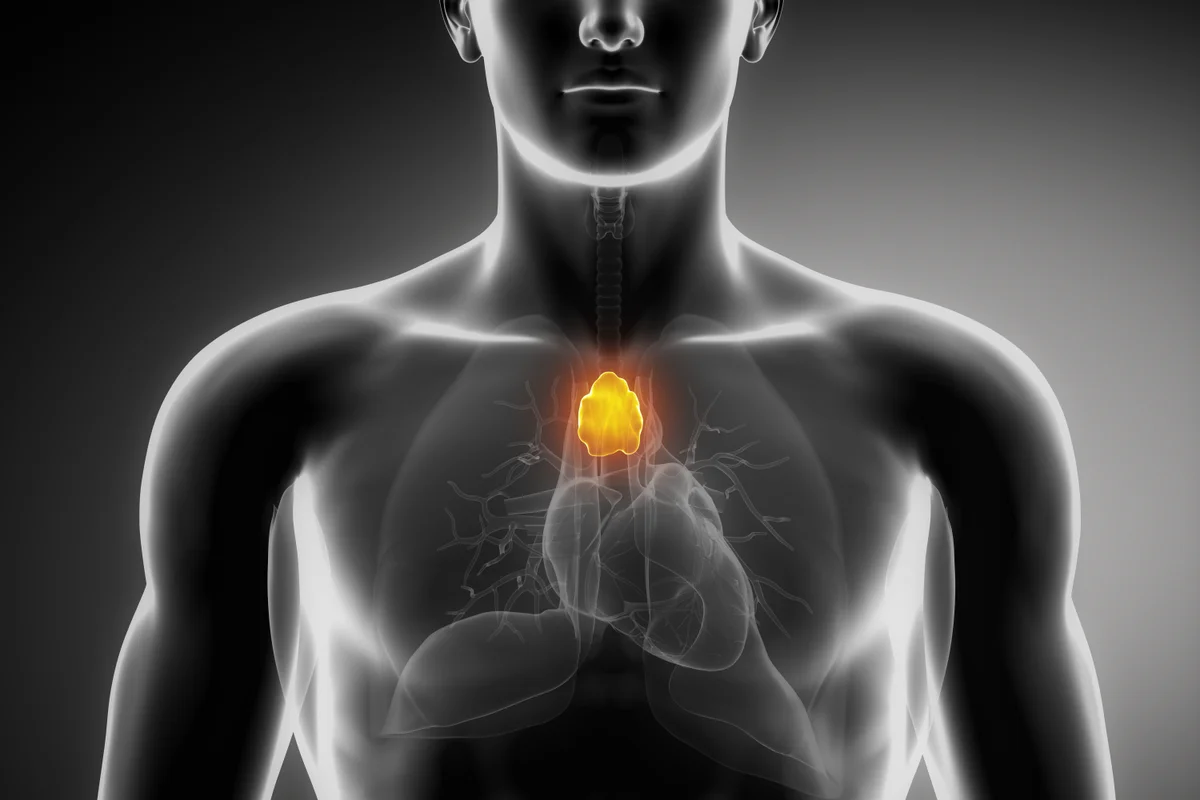
The thymus is primarily noted as being the site of T cell maturation, essential to the supply of new T cells to maintain the adaptive immune system. It declines in function relatively early in aging; active tissue is largely replaced by fat in most 50 year olds. Like all organs, cells in the thymus also generate various factors that circulate throughout the body. The production of these factors also declines with age as the thymus atrophies. Researchers here identify one such factor, thymulin, which appears to meaningfully affect myeloid immune cells to help control inflammatory signaling and improve immune surveillance of cancer.
Chronic inflammation increases with age and contributes to cancer progression and therapeutic resistance, yet the mechanisms underlying this process remain incompletely understood. Here, we identify an increased frequency of pro-inflammatory myeloid cells in aged mice and humans, characterized by elevated production of IL-1α, IL-1β, IL-6, and TNF-α. These cells are enriched in the breast tumor microenvironment and are associated with accelerated tumor progression.
Using heterochronic parabiosis and bone marrow chimeras, we show that age-associated myeloid cell inflammatory activation is suppressed by non-bone marrow-derived circulating factors present in young hosts. Integrative analyses identify thymulin, a thymus-derived peptide that declines with age, as a mediator that suppresses pro-inflammatory cytokine production by inhibiting NF-κB signaling. Furthermore, thymulin enhances antitumor T-cell immunity, improves tumor control and survival, and sensitizes tumors to anti-PD-L1 therapy in an age-dependent manner.