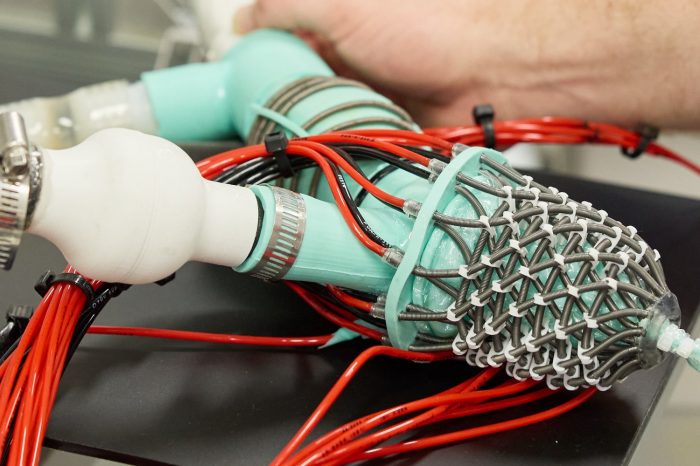
The soft robotic model of the human heart, developed at UNSW. Credit: UNSW/Richard Freeman.
UNSW researchers have developed a soft robotic model of the human heart that can mimic disease and provide a realistic environment for testing the next generation of cardiac devices.
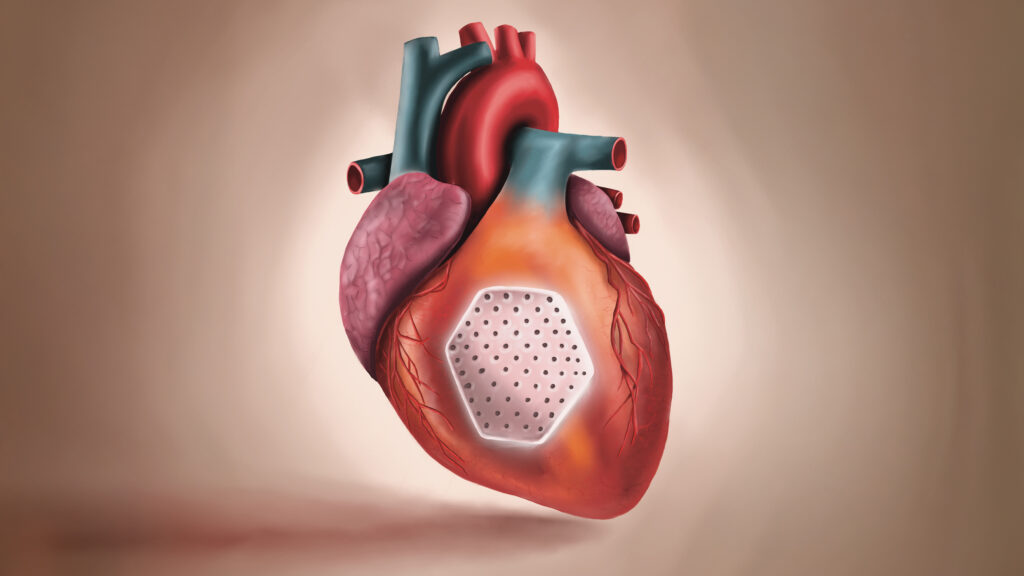
Researchers at UNSW Sydney have developed a fully synthetic soft robotic heart that reproduces the complex movements and internal structures of the human heart, opening the door to better treatments, safer medical devices and more personalised care.
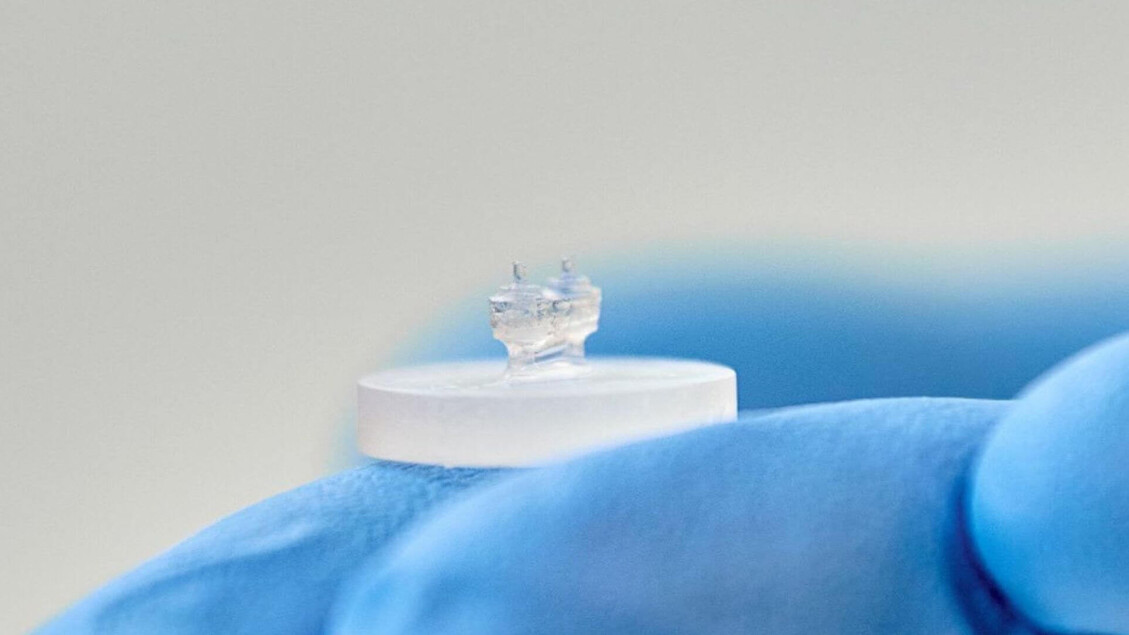
Published in Nature Communications and Advanced Science, the research introduces a beating model of the left side of the heart that includes artificial valves, papillary muscles and chordae tendineae – structures that are critical to healthy heart function and are frequently affected by disease.
The device is able to accurately reproduce the process in a real heart where cardiac valves leak and blood flows backwards, which increases the risk of heart failure and other life-threatening complications.