Emily Wilson
The epic of endless reinvention
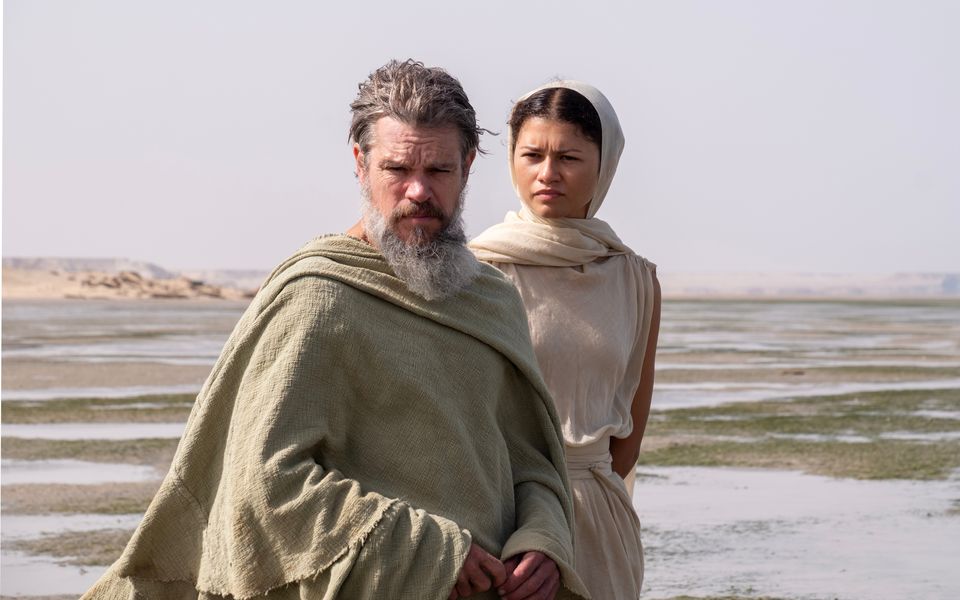
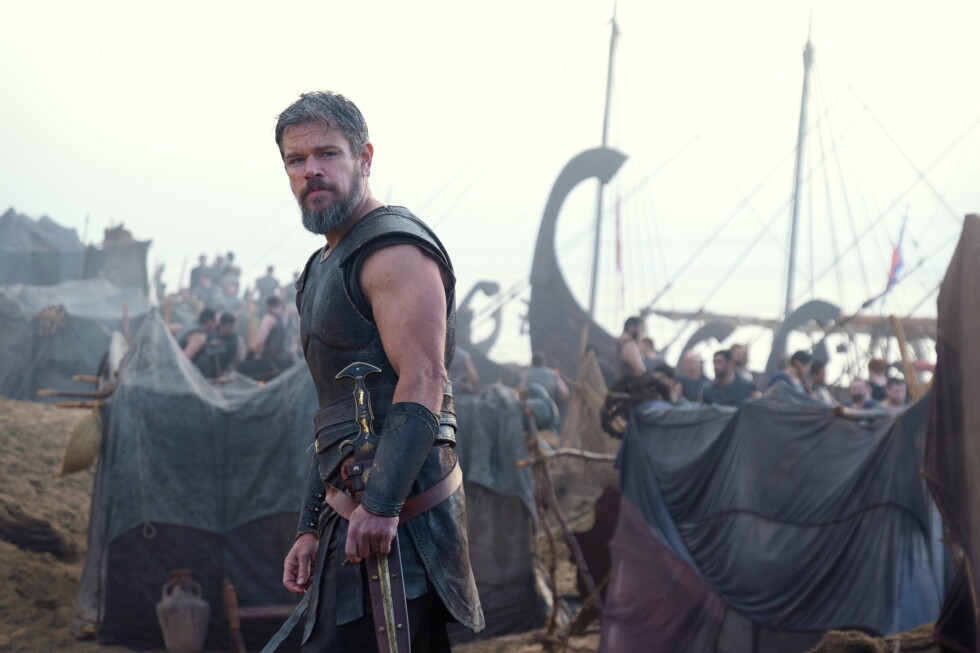
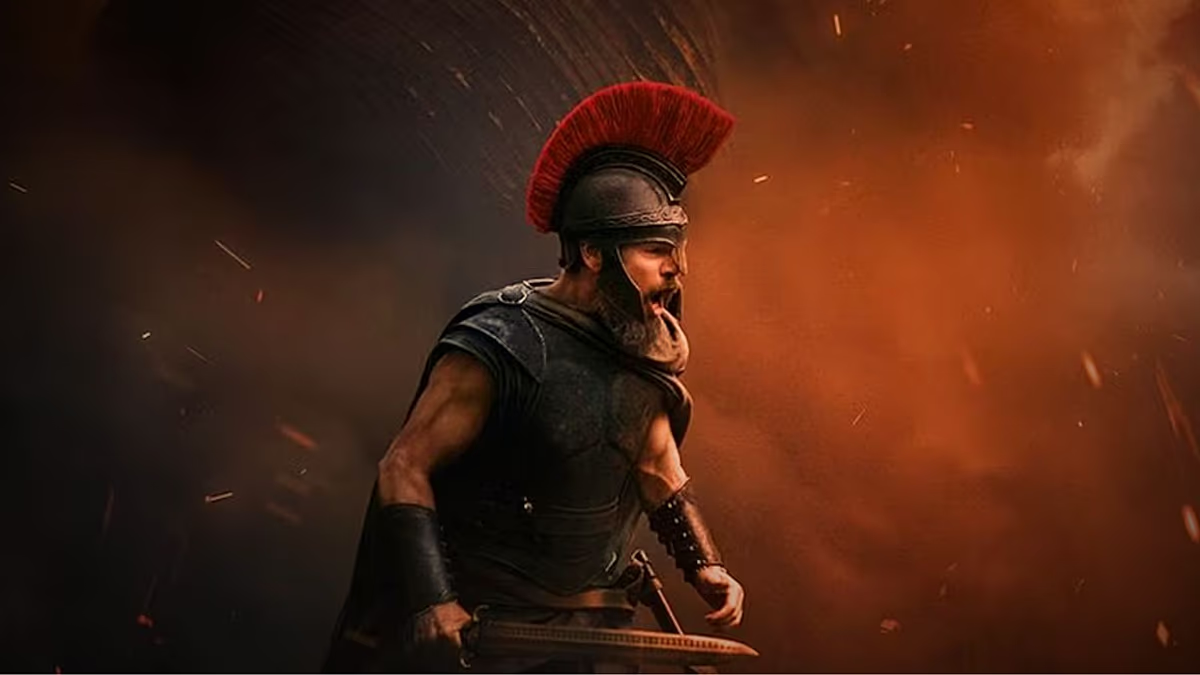
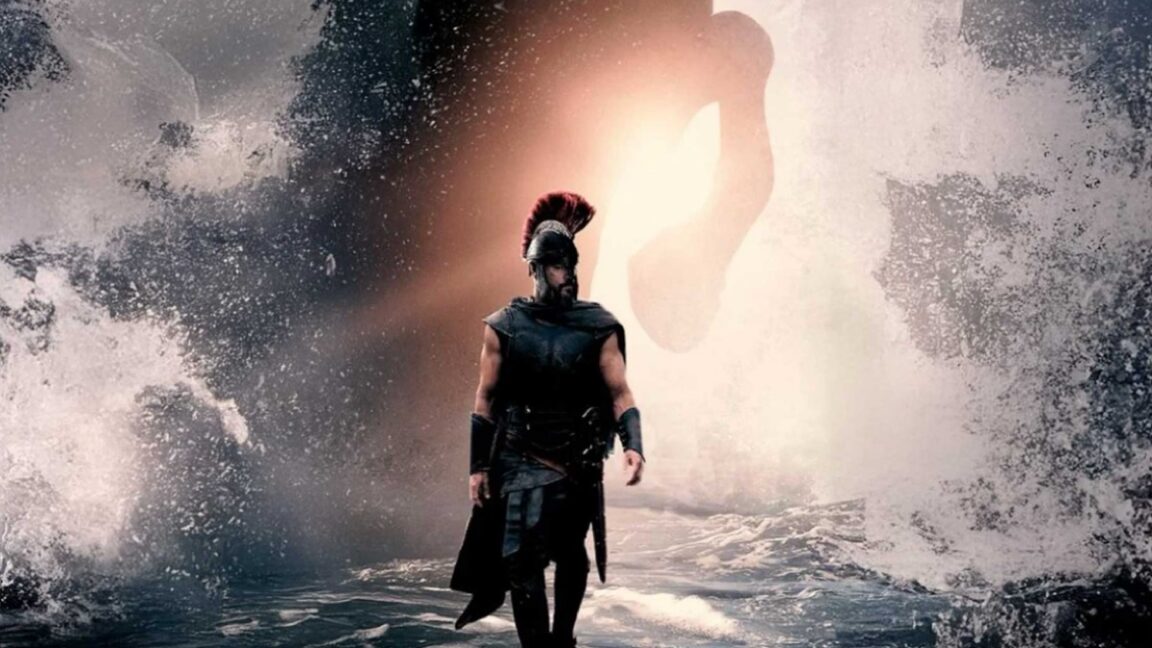
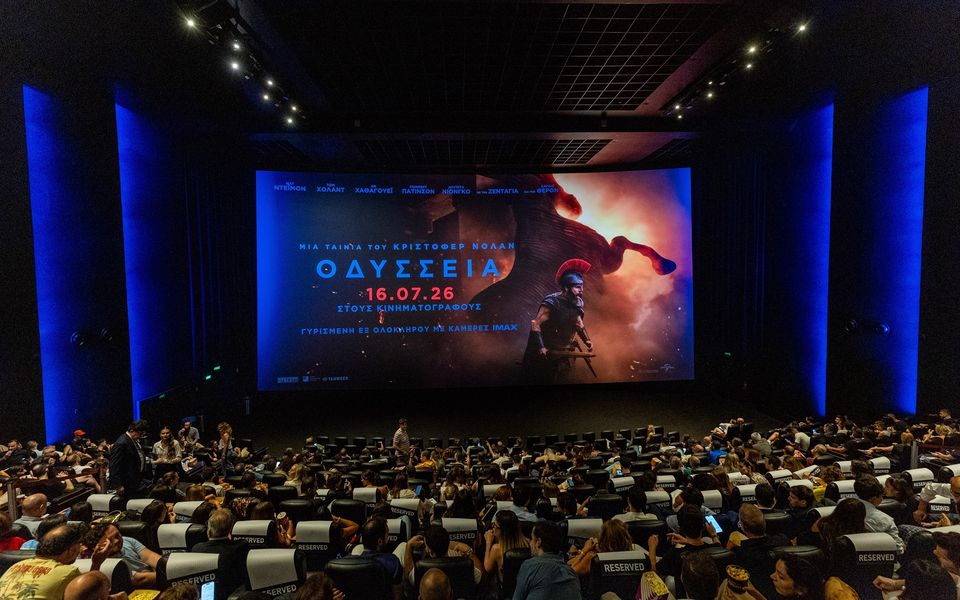
Christopher Nolan’s blockbuster summer movie “The Odyssey” is cause for celebration for those who care about the literature and culture of ancient Greece. The movie has attracted enormous interest and discussion around the world, and copies of “The Odyssey,” translated into multiple different languages, are flying off the shelves. It is a wonderful thing to see so many new audiences engaging with this wonderful ancient poem and its endlessly fascinating, generative story, reinvented in a new way for the big screen.
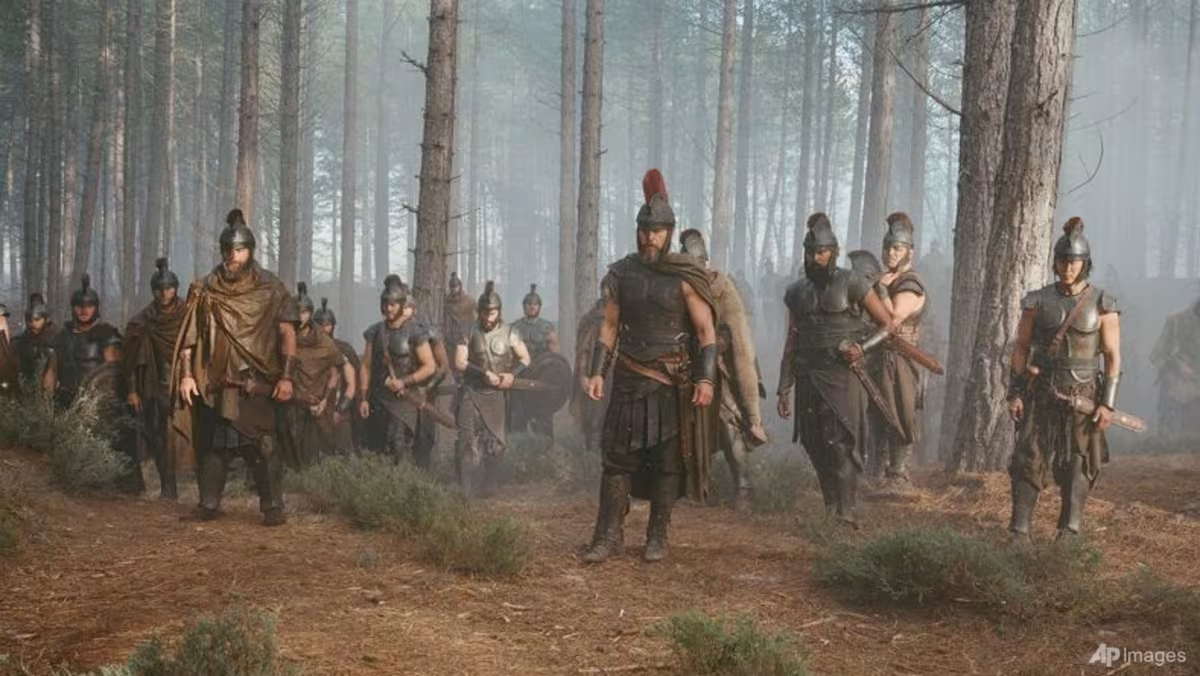
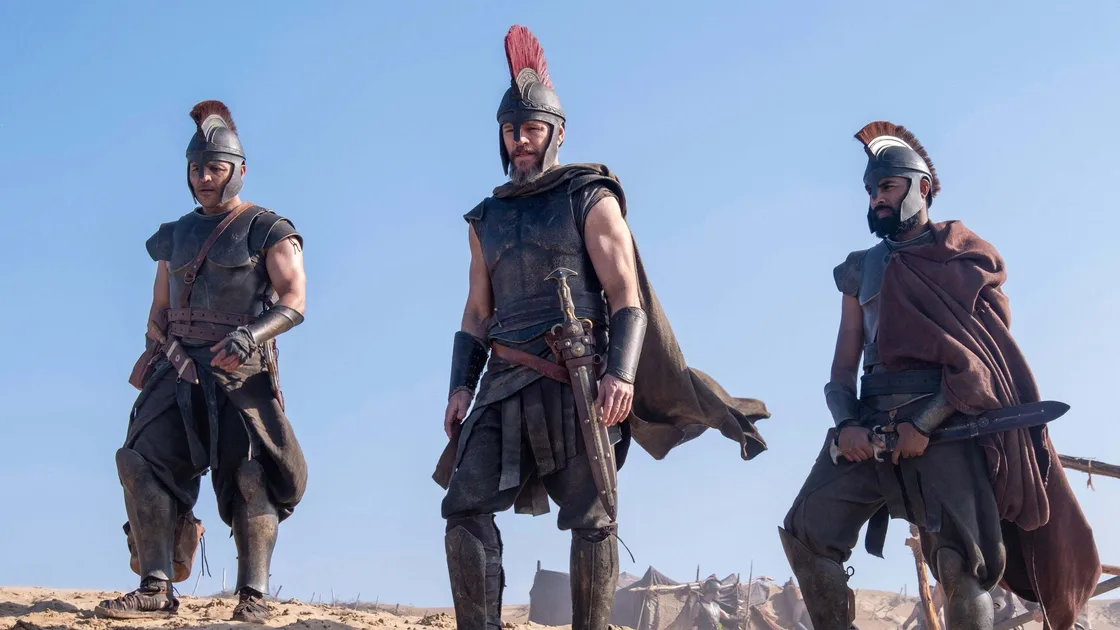
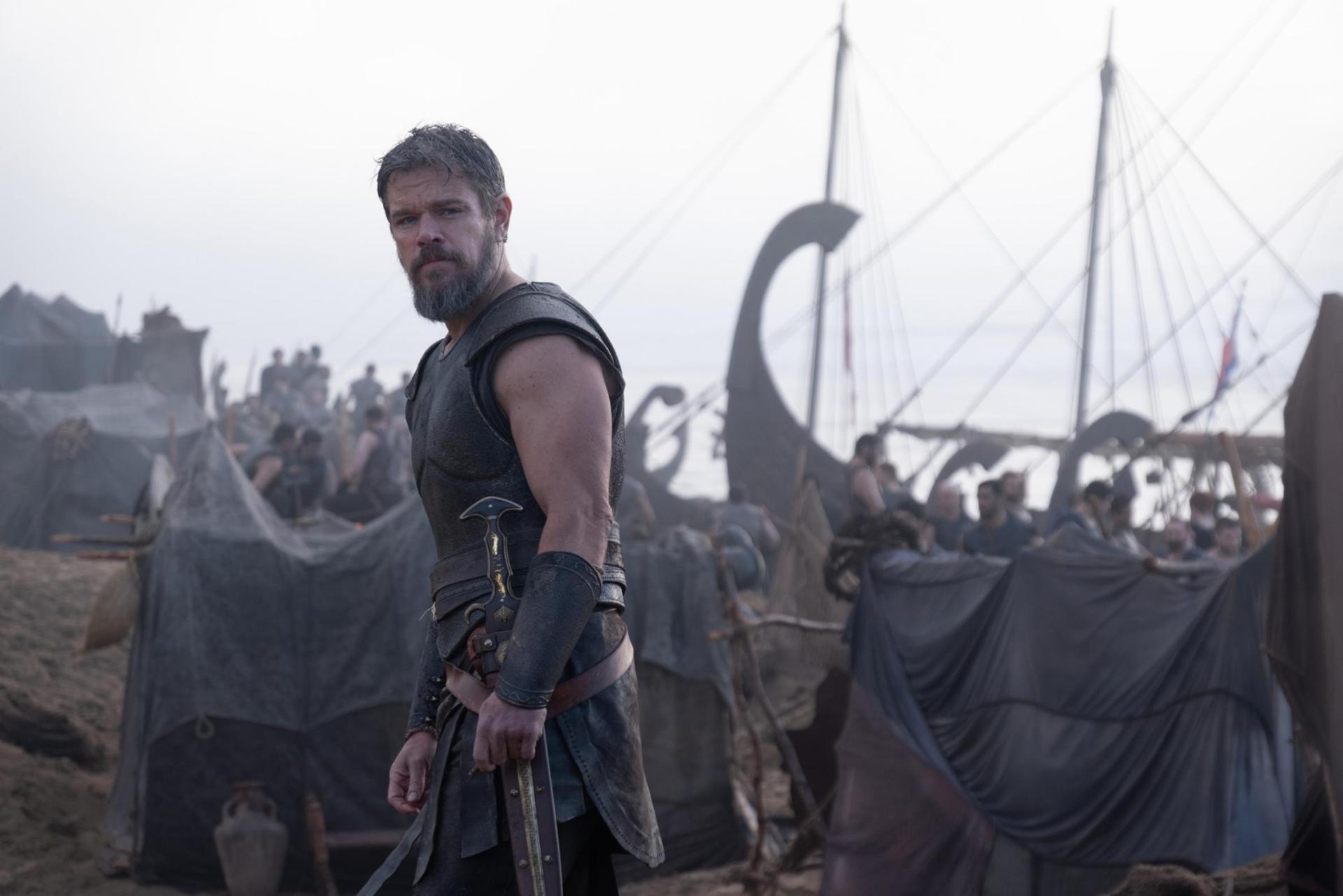
Amid all the excitement, there have been predictable criticisms, many of which strike me as wrong-headed and narrow-minded. Some have objected to Nolan’s choice to cast a multiracial group of A-List Hollywood actors, mostly British or American, rather than Greeks, and to have them all speak in American accents. But it is entirely legitimate to reinvent “The Odyssey” for any or every different culture of the world. As a British person, a compatriot of Shakespeare, I celebrate the many new, non-British creations based on the works of the Bard, from Akira Kurosawa’s “Ran” (based on “King Lear”) to Verdi’s “Otello,” or the American film “10 Things I Hate About You.” Creative possibilities for artists of all kinds are vastly enriched by the opportunity to draw from, adapt and reinvent existing works anew, including “translating” cultural representations for very different times. Vergil recreated “The Odyssey” in terms shaped by his own culture, in Augustan Rome; James Joyce did the same in early 20th century Ireland; Nolan has recreated Homer again for the 21st century.