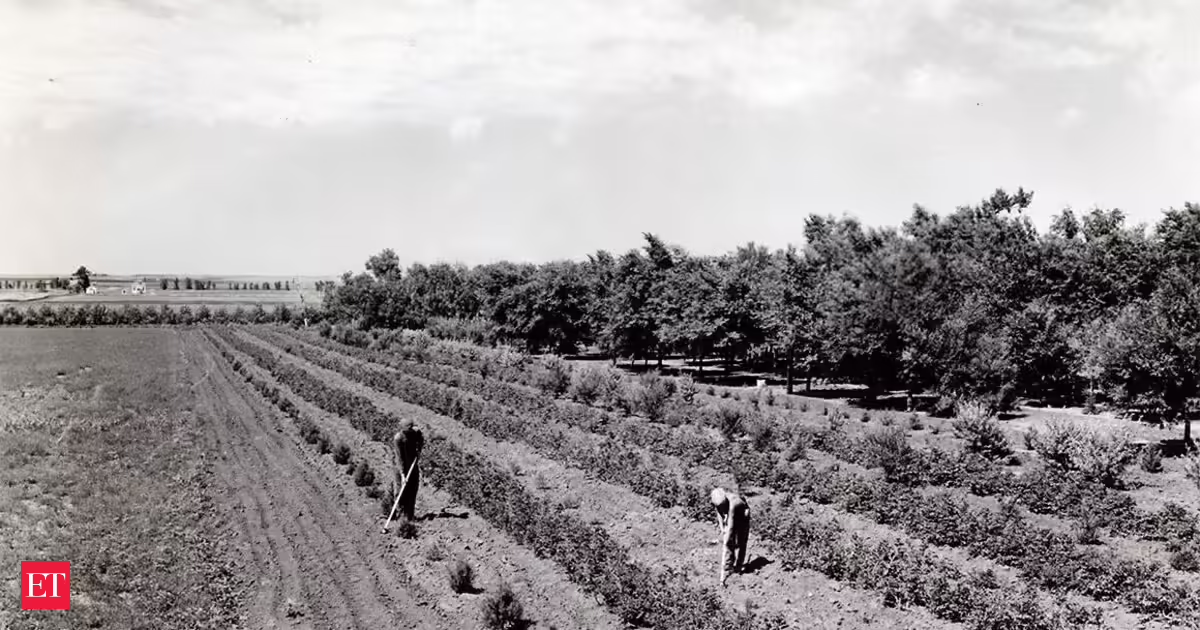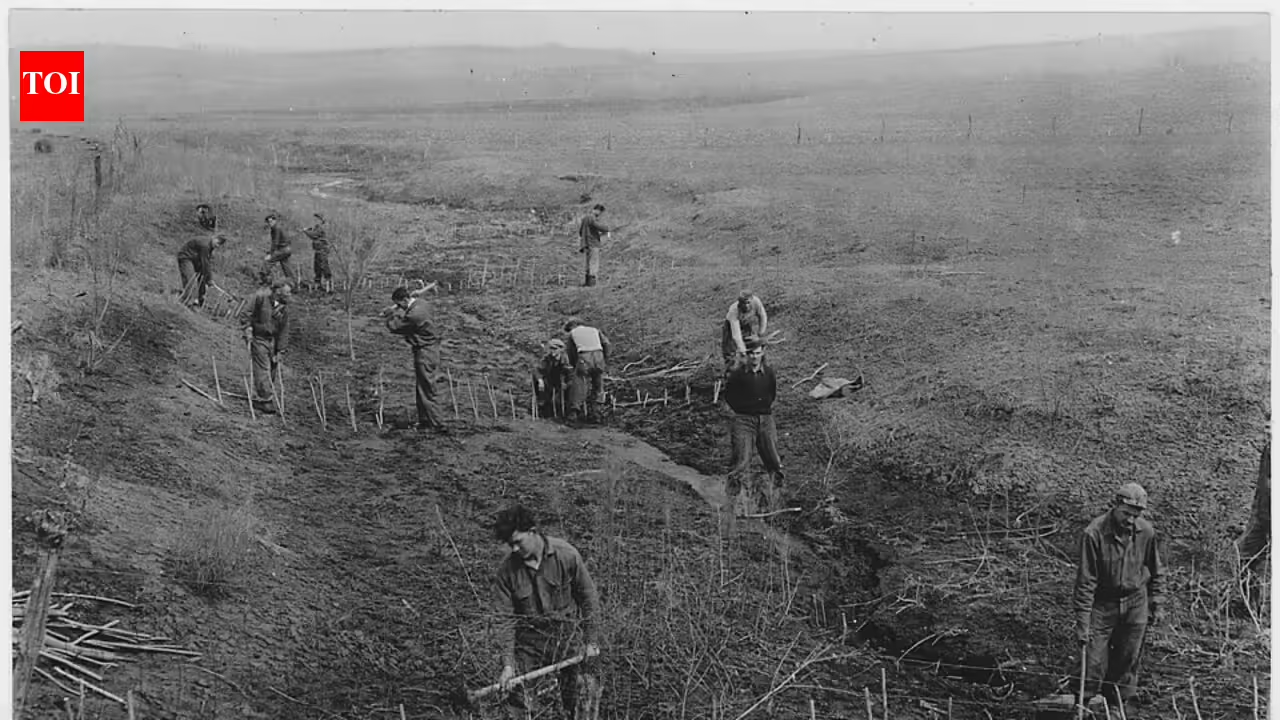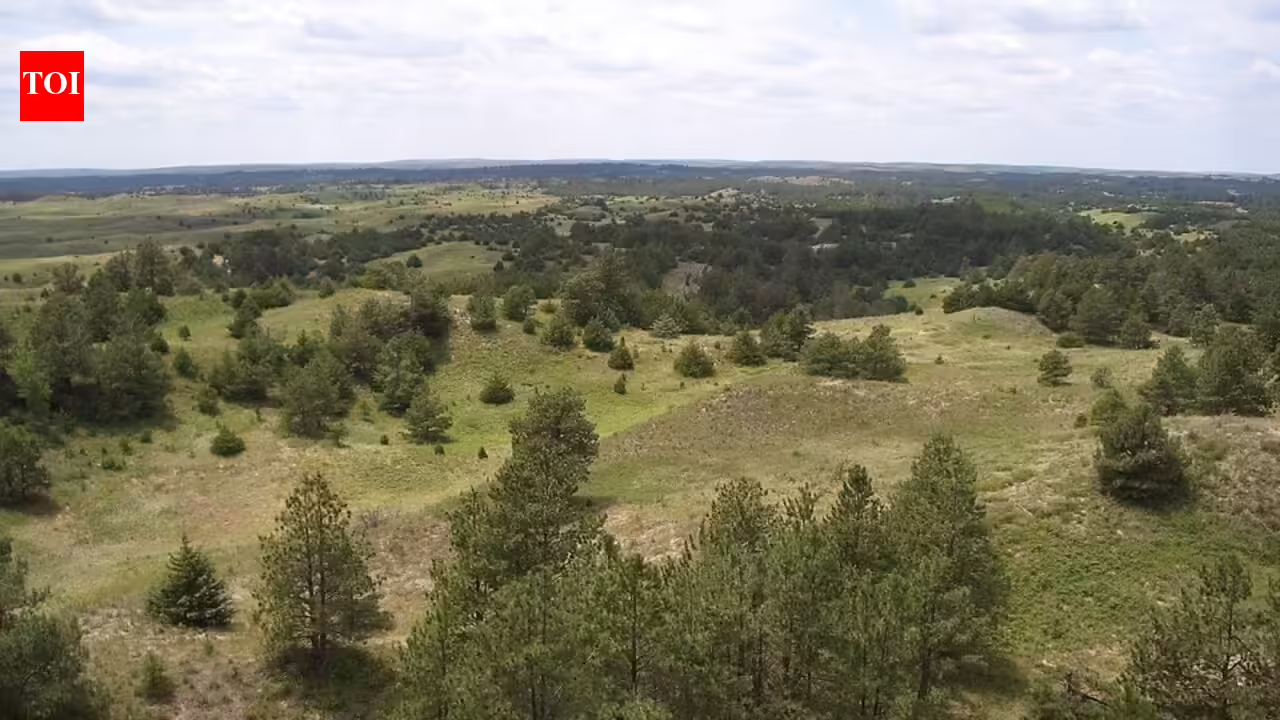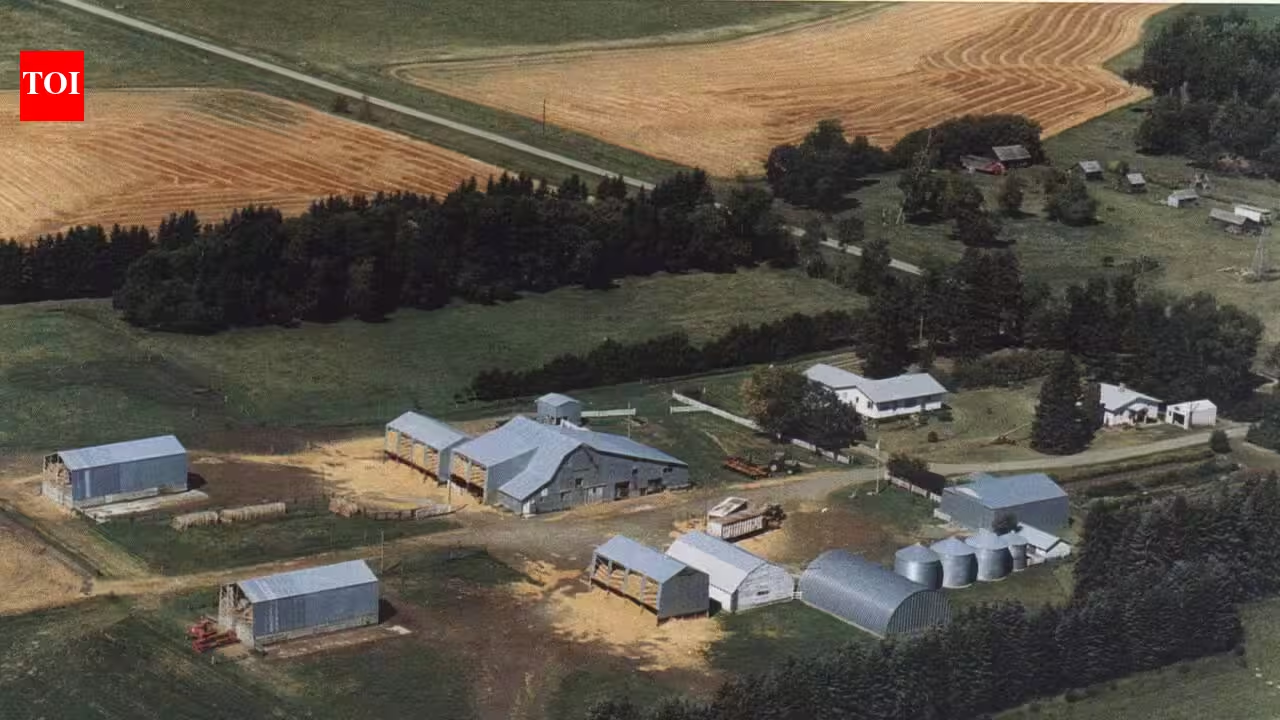
Canada's Prairie Shelterbelt Program operated for over a century, planting millions of trees. These shelterbelts protected farmland from wind and conserved vital topsoil. The program encouraged farmers to plant trees which improved agricultural environments. Image Credits: Wikimedia CommonsFor more than a century, the tree belts have protected Canada’s prairies from wind. The tree belts were established at farms in the provinces of Manitoba, Saskatchewan, and Alberta to reduce the wind, conserve the topsoil, and improve the agricultural environment. Although many Canadians have seen the shelterbelts since childhood, not everyone realises they are among Canada’s oldest conservation projects.State of Canada’s Forests Annual Report 2024 says the Prairie Shelterbelt Program operated from 1901 to 2013, with approximately 618 million trees and shrubs distributed over the course of the programme. This program played a role in encouraging farmers to plant trees that protected their farms from soil erosion, captured snow and improved farm resilience.A century of safeguarding Canada’s farmlandAs farming operations were expanding in the Canadian Prairies during the nineteenth and early twentieth centuries, it became obvious that some difficulties had emerged due to the open nature of the landscape. Strong winds could strip fertile topsoil from the land, drying fields and damaging crops.The Prairie Shelterbelt Program was introduced in 1901 as a practical solution. Rather than relying on expensive engineering projects, the programme encouraged farmers to plant carefully selected rows of trees and shrubs around fields, farmyards and roads. These living barriers slowed wind speeds before they reached crops, reducing the amount of soil carried away during storms.The programme gradually expanded over the decades and became a major agricultural conservation initiative in Canada. Farmers received trees suited to local conditions, along with guidance on how to plant and maintain them. Species were chosen for their ability to survive harsh prairie climates, where freezing winters, dry summers and strong winds could make tree establishment difficult.The shelterbelts offered benefits beyond crop protection. By reducing wind speed, they helped conserve soil moisture, creating better conditions for plant growth during dry periods. Snow drifting into the shelterbelts also meant more water entered the soil as it melted in spring, providing an important source of moisture for nearby fields.According to the State of Canada's Forests Annual Report 2024, the planting of these shelterbelts has been an important component of agriculture on the Prairies throughout the 112 years of the project’s existence. By the time the project came to an end in 2013, some 618 million trees and shrubs had been planted in the Prairie provinces.More than just windbreaksAlthough the goal of the shelterbelt project was to reduce wind erosion, the State of Canada's Forests Annual Report 2024 points out that the shelterbelts provide several environmental advantages.Rows of trees and shrubs across agricultural land create shelter for birds, insects and other animals, helping to support biodiversity in landscapes that are largely used for farming. These tree belts also store carbon in their trunks, branches, roots and surrounding soil as they grow.The report also highlights how shelterbelts protect farmland from wind damage. In particular, shelterbelts slow down winds and, consequently, prevent the movement of topsoil. Thus, the soil remains intact, whereas shelterbelts may collect snow, which increases the moisture of the soil during spring.In many cases, the benefits of these planting programs extend beyond crop protection. Shelterbelts can also provide cattle with shade and protection from high winds. These living barriers also supported biodiversity and stored significant amounts of carbon. Existing shelterbelts continue to provide benefits after the program's 2013 conclusion. Image Credits: Wikimedia CommonsReasons for the ending of the program and the persistence of its legacyWhile the program had been running for decades, the federal Prairie Shelterbelt program came to an end in 2013. Many shelterbelts which were planted decades ago have continued protecting the farmers' fields. Mature tree rows need periodic maintenance and replanting. However, once planted and maintained well, the effect may live on for many generations.The State of Canada's Forests Annual Report 2024 points out that Canada's forests and tree-covered landscapes provide benefits that extend well beyond timber production. They support biodiversity, improve ecosystem health, store carbon and contribute to the well-being of communities. Shelterbelts represent one example of how trees outside traditional forests can deliver important environmental services while supporting agriculture.These shelterbelts continue to do the work they were planted for: slowing the wind, holding soil in place and helping farms cope with difficult conditions.Trees planted over successive growing seasons have continued to deliver benefits after the program ended. The Prairie Shelterbelt Program is widely seen as a useful example of agricultural conservation in Canada. Although the program is no longer planting new trees, the existing shelterbelts will continue to provide benefits for years to come.
Since 1901, Canada distributed 618 million trees across its prairies to shield farms from wind and erosion, then ended the century-old programme in 2013
For more than a century, the tree belts have protected Canada’s prairies from wind. The tree belts were established at farms in the provinces of Manitoba, Saskatchewan, and Alberta to reduce the wind, conserve the topsoil, and improve the agricultural environment.
782 words~4 min read