Once dismissed as barren and of little value, the Pinhey Sand Dunes have become a habitat for rare plant and animal species, as well as a renowned site for research, education and ecotourism in the Canadian capital region.
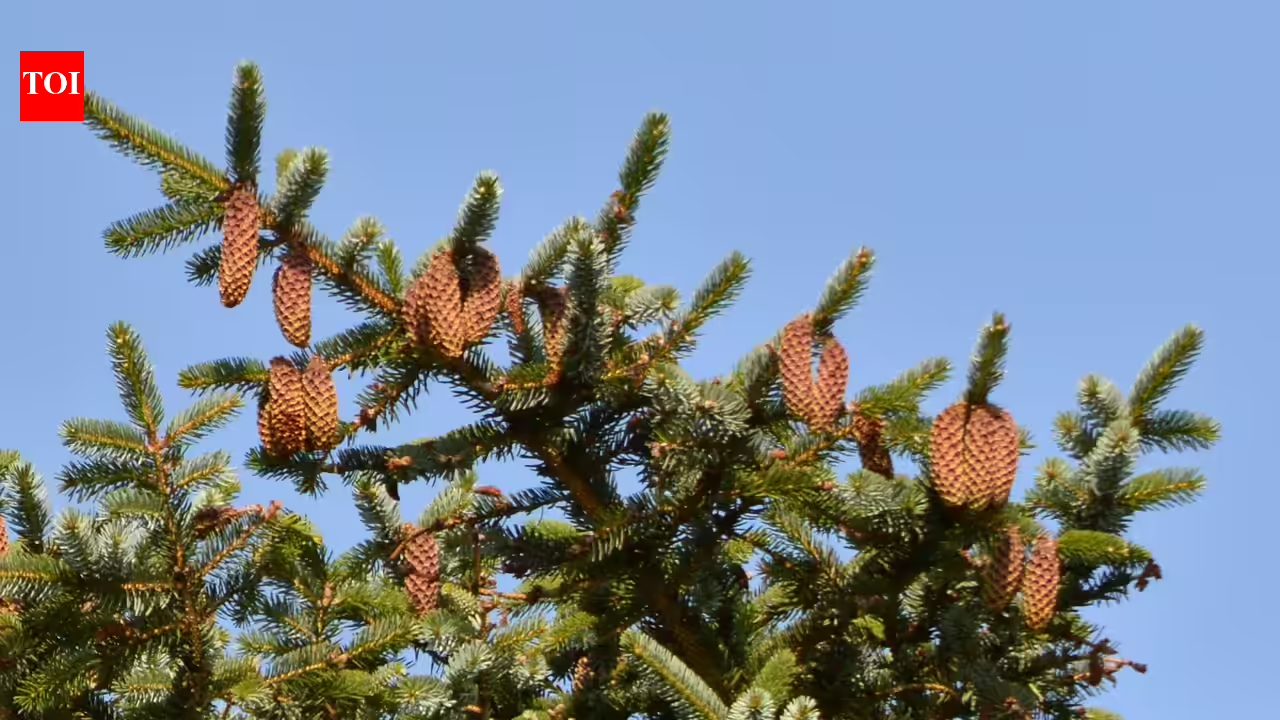
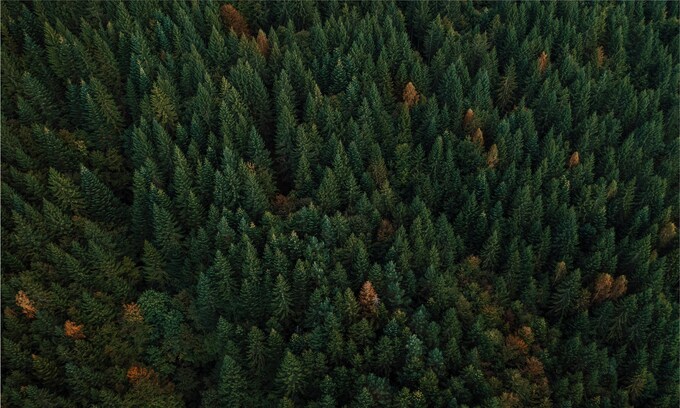
Restoring the dunes' unique habitat required an approach that initially seemed at odds with conservation: felling thousands of 25-30m-tall pine trees in a plantation forest.
Speaking to the Vietnam News Agency’s correspondent in Canada, Phuoc, President of the Biodiversity Conservancy International, said the prehistoric sand dunes around Canada's capital has been severely reduced by urbanization and inappropriate afforestation.
For many years, the dunes were viewed as barren land and planted with pine forests. In reality, however, the open landscape of white sand exposed to sunlight and wind, free of large trees, provides the essential habitat for thousands of endemic plants, insects and animals. Restoring the dunes, he stressed, means restoring the original ecosystem rather than destroying nature.
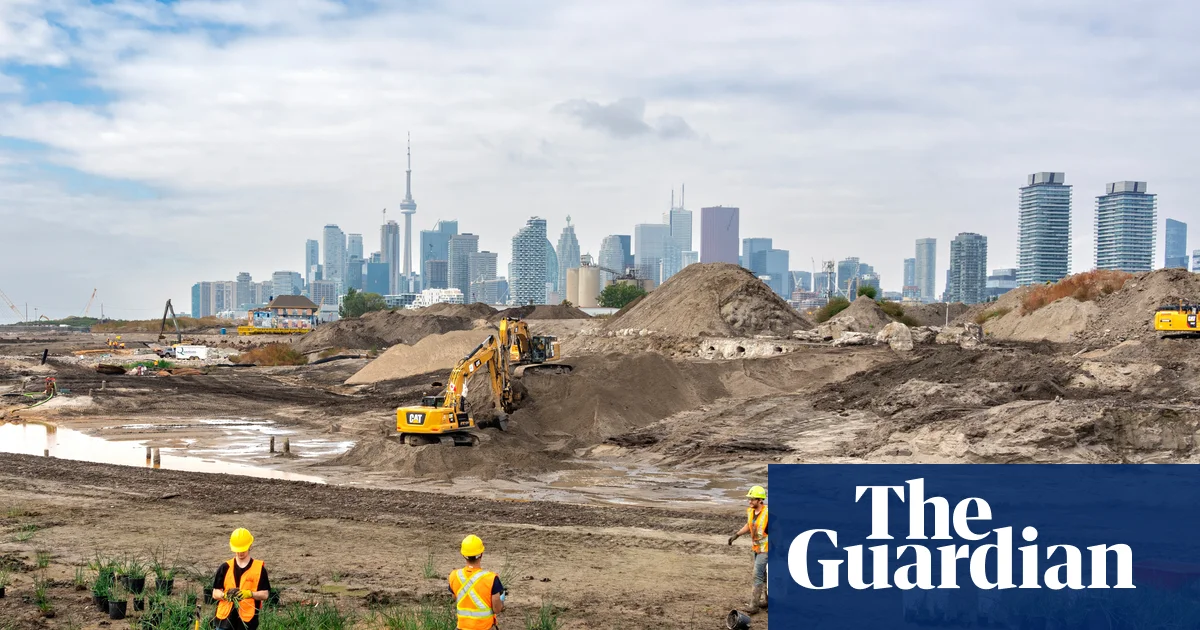
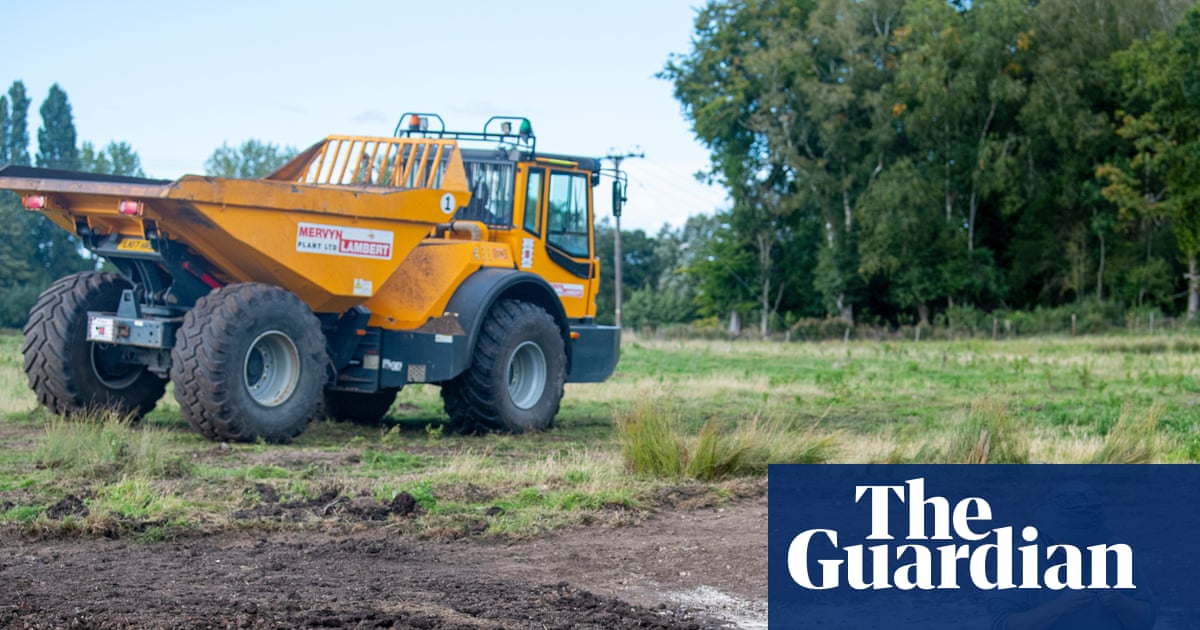
Supported by scientific evidence and years of persistence, Phuoc convinced Canadian authorities to back the restoration project. The work proceeded in stages, from removing plantation trees and stripping surface soil to restoring the natural sand landscape. Native wildflowers gradually returned, followed by butterflies, beetles and several rare arthropod species once thought lost from Ontario.