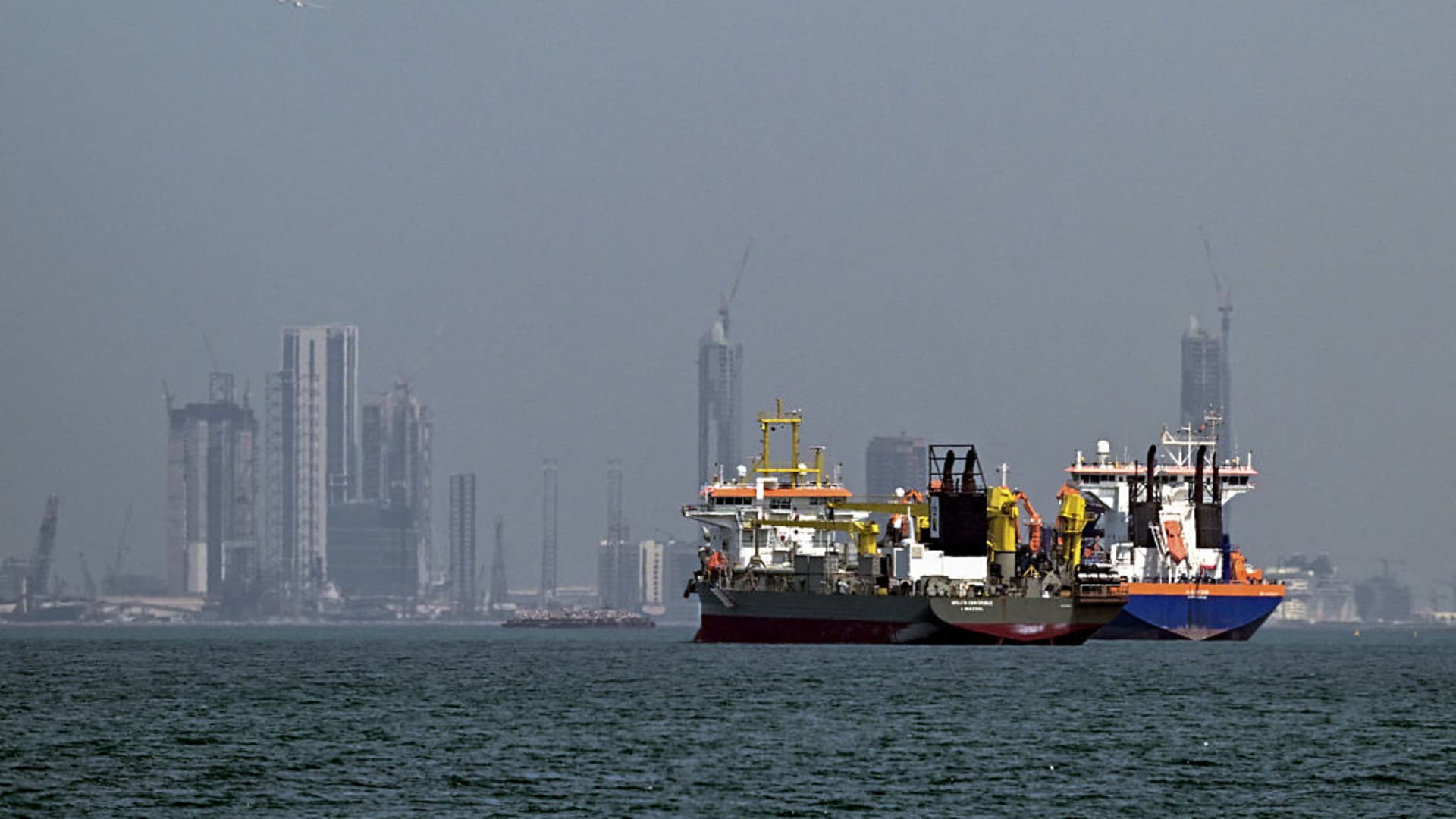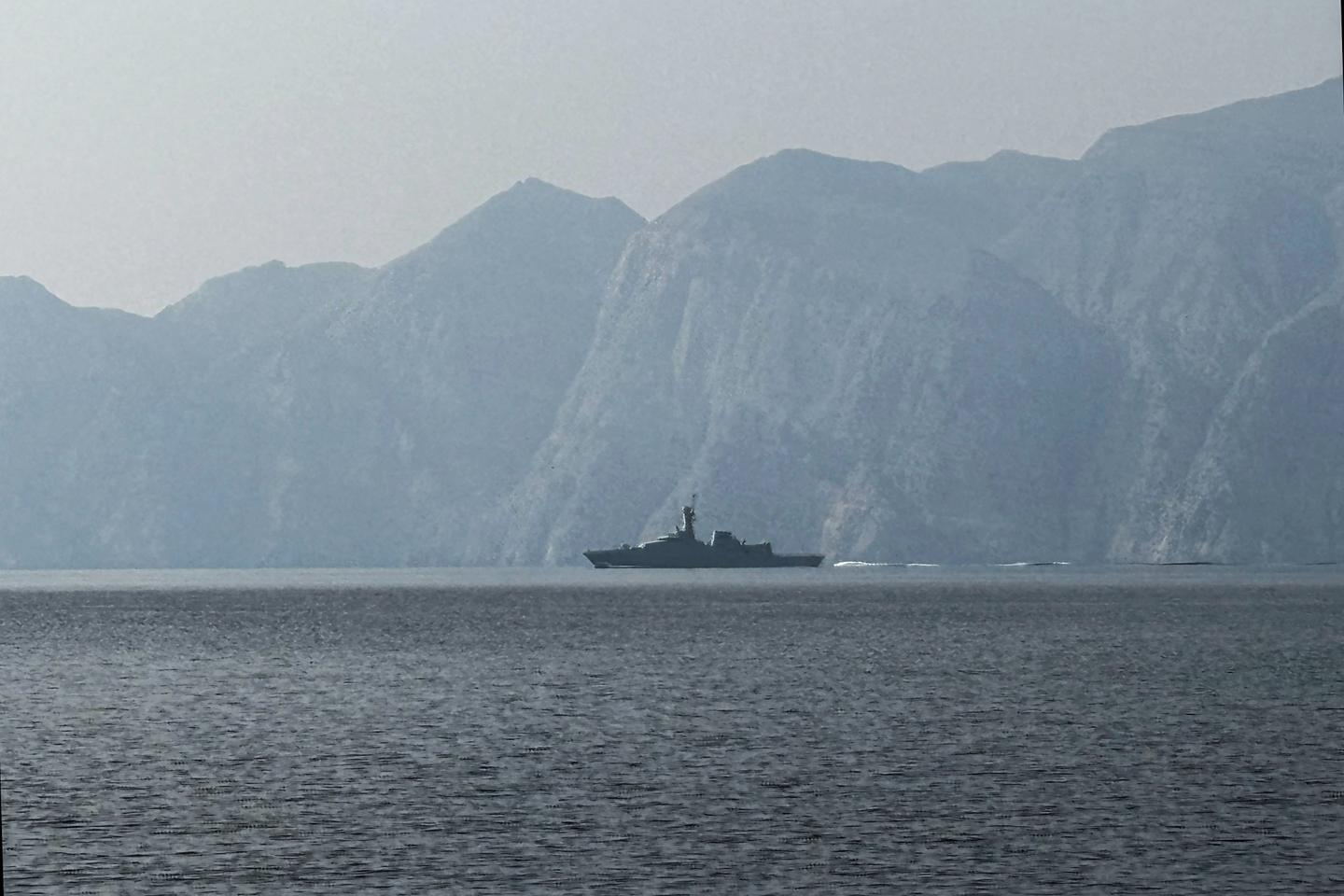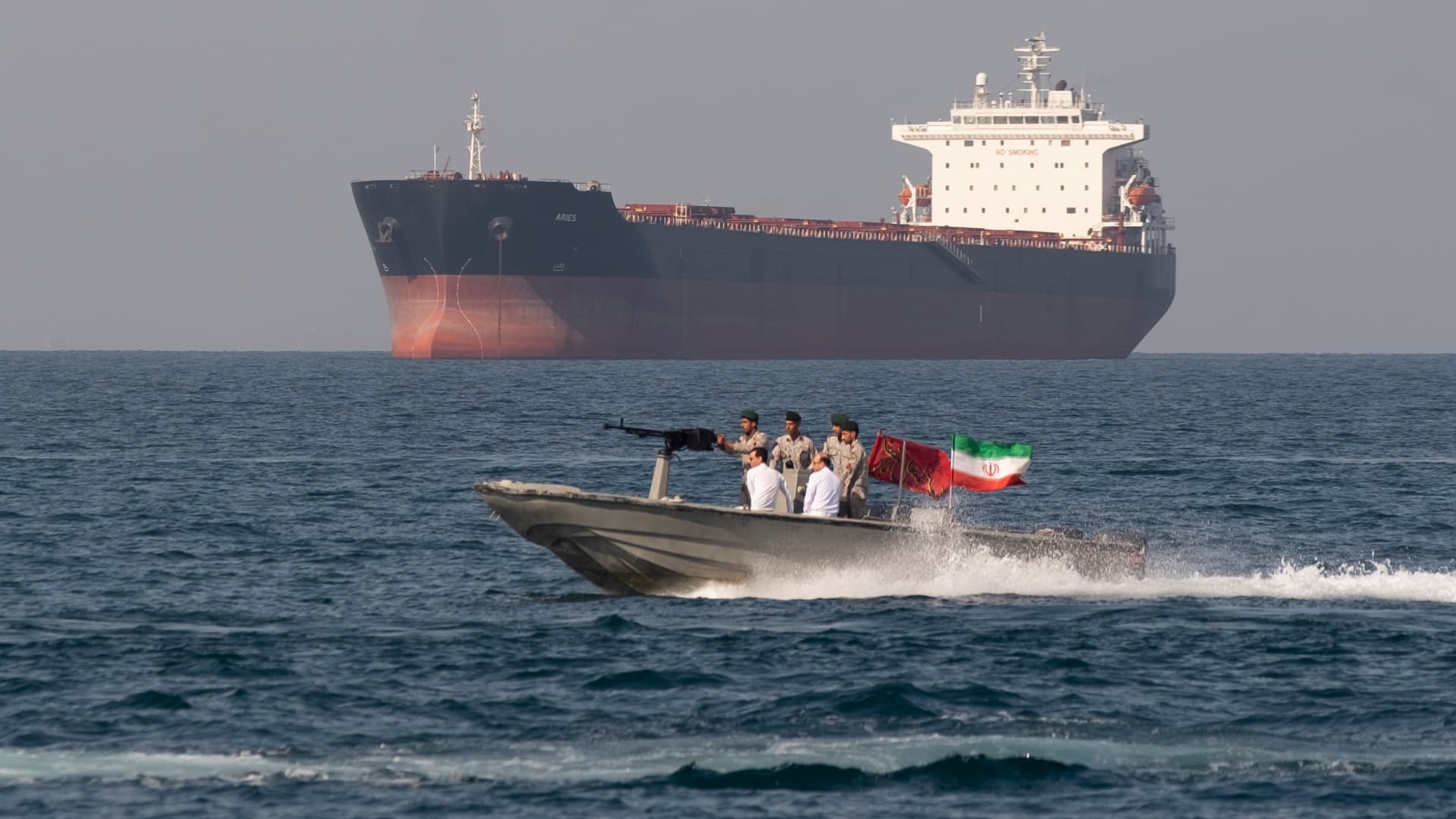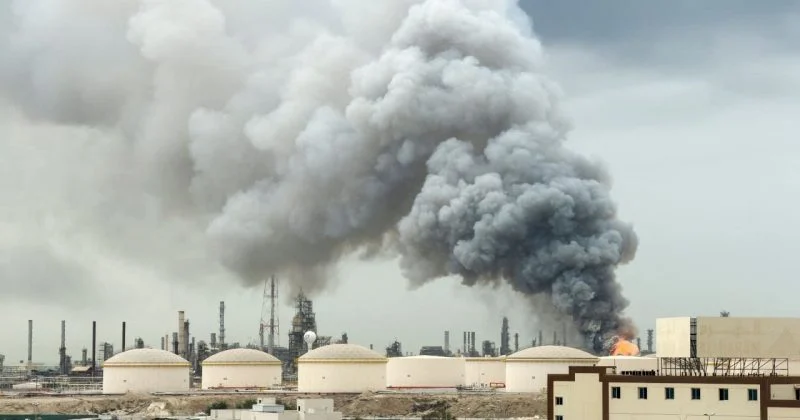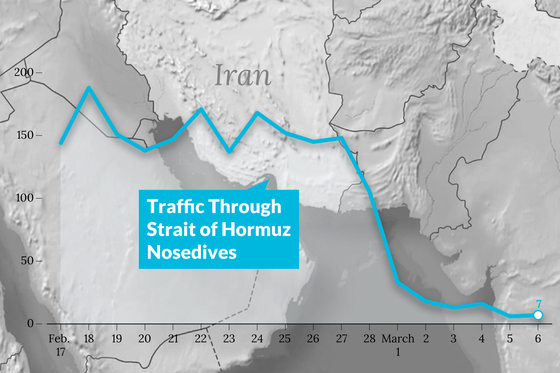
1. On February 28, 2026, joint U.S.-Israel military strikes against Iran triggered significant global economic turmoil, causing major disruptions in sea transport, airlines, logistics, and energy supplies. As the conflict escalated, maritime traffic through the Strait of Hormuz—an essential chokepoint for worldwide energy transportation—ground to a virtual halt, with thousands of ships stranded and oil prices spiking above $100 per barrel for the first time in nearly four years. Goldman Sachs warned on March 1 that prolonged disruption through the strait could decrease the real GDP of major oil-importing countries like Japan, South Korea, and India by 0.8 percentage points for every 10% rise in oil prices[para. 1][para. 2][para. 3].2. The effective closure of the Strait of Hormuz by Iran—utilizing drone strikes and the ensuing fear—left approximately 3,200 ships, or 4% of global ship tonnage, idle inside the Persian Gulf as of March 3. These included 112 oil tankers, 114 container ships, and 241 bulk carriers. Around 500 more vessels waited outside the gulf. Record-high freight rates for oil transport resulted, with the cost of chartering a very large crude carrier (VLCC) from the Middle East to East Asia reaching $424,000 per day on February 28—nearly ten times the rate in early January. Rates continued to soar, peaking at $538,000 per day for shipments from the Persian Gulf to India. The persistence of high rates depends on the duration of the strait closure and the speed with which alternative routes or methods are found[para. 4][para. 5][para. 6][para. 7][para. 8][para. 9][para. 10][para. 11][para. 12][para. 13].3. In response, Saudi Arabia rerouted millions of barrels of oil to its Red Sea ports, notably Yanbu, although this still could not compensate for the reduced shipments out of the Persian Gulf. While operations at Ras Tanura, the main Saudi oil port in the Gulf, continued, outbound deliveries stagnated. Asian buyers sought to secure oil from North America, Latin America, and West Africa despite the increased transit times and costs[para. 14][para. 15][para. 16].4. The conflict also led Iranian attacks to spill over into key Gulf nations—including Saudi Arabia, the U.A.E., and Qatar—resulting in suspended operations at critical refineries, pipelines, and port facilities. QatarEnergy halted LNG production after drone strikes, while Saudi Aramco and the U.A.E. dealt with refinery fires and storage facility shutdowns. This led to swelling domestic storage and forced some producers towards output stoppages, with Saudi Arabia’s storage capacity nearing its limit within a week, and other regional producers likely to hit storage limits within two to three weeks[para. 17][para. 18][para. 19][para. 20][para. 21][para. 22].5. Given that around 80% of crude exported via the Strait of Hormuz goes to Asia (mainly to China, Japan, South Korea, and India), these supply shocks are particularly significant for the continent. China, anticipating supply issues, suspended export permits for refined oil and both Iran and Saudi Arabia rushed exports in February. In Europe, jet fuel prices surged to the highest levels since the onset of the Russia-Ukraine conflict. The vast majority (about 90%) of LNG from the Middle East also heads to Asia. If supply disruptions persist, Asian nations may need to secure LNG from more distant sources or reduce LNG-fired electricity generation, while South Asian states could turn to other fuels like coal[para. 23][para. 24][para. 25][para. 26][para. 27][para. 28][para. 29][para. 30].6. Air travel in the Middle East was severely disrupted, with regional airspaces closed on February 28 and more than 25,000 flights canceled or rerouted by March 5, impacting over 1 million passengers. Flight paths shifted northwards or southwards to avoid conflict areas, lengthening detours between Europe and Asia. Some flights and airport operations began resuming from March 5 onward, offering limited relief for stranded travelers[para. 31][para. 32][para. 33][para. 34][para. 35][para. 36][para. 37][para. 38].7. Logistics were equally impacted, as global air cargo capacity tightened and shipping lines suspended transit through the Strait of Hormuz, halting shipments bound for the Middle East. Emergency conflict surcharges of $2,000–$4,000 per container were imposed for some Red Sea destinations. E-commerce platforms saw supply shortages, and Chinese auto exports to the Middle East were disrupted, especially affecting Iran and the U.A.E., with Dubai’s status as a key transshipment hub also under threat[para. 39][para. 40][para. 41][para. 42][para. 43][para. 44][para. 45][para. 46][para. 47][para. 48].AI generated, for reference only
In Depth: As Iran Conflict Spreads, Economic Dominoes Begin to Fall
Air travel in the region has been disrupted while shipping through the Strait of Hormuz, a chokepoint for global energy transportation, has come to a virtual standstill
704 words~3 min read