NASA's Psyche spacecraft completed a highly successful flyby of Mars, giving the mission a carefully planned gravitational boost while also producing valuable scientific data. Researchers are now examining those observations as they prepare for the spacecraft's arrival at the asteroid Psyche in 2029.
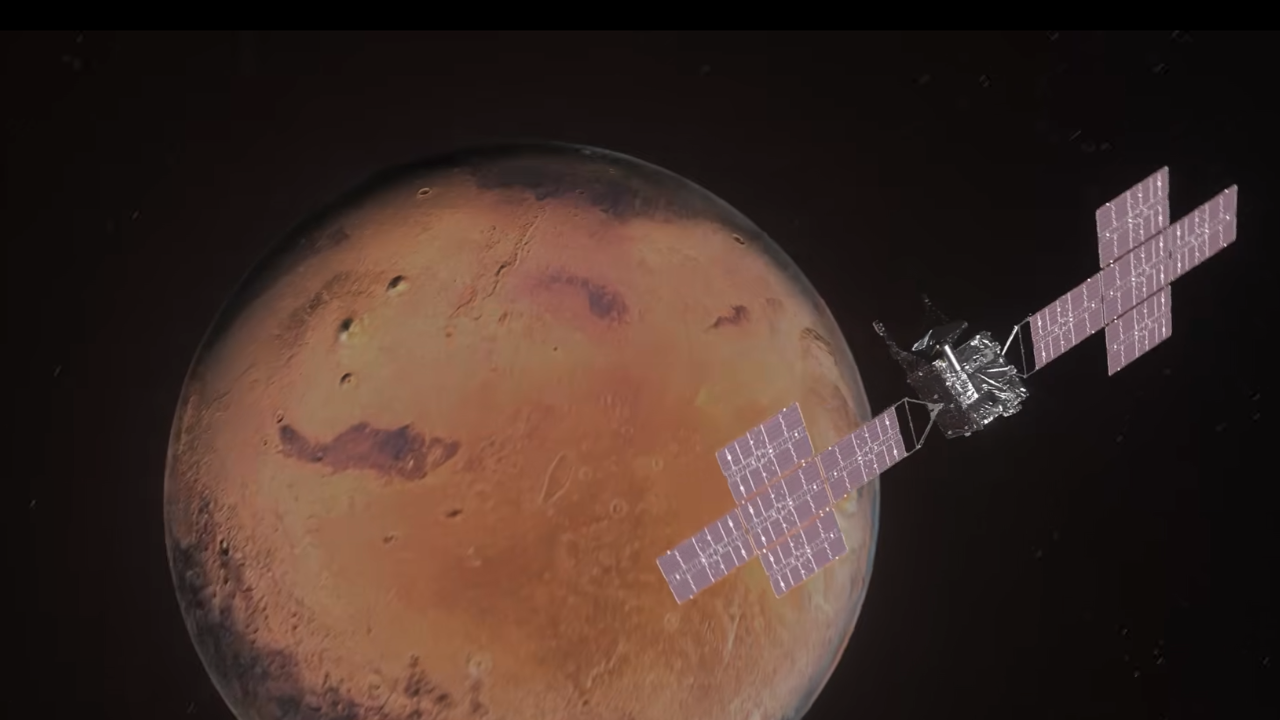
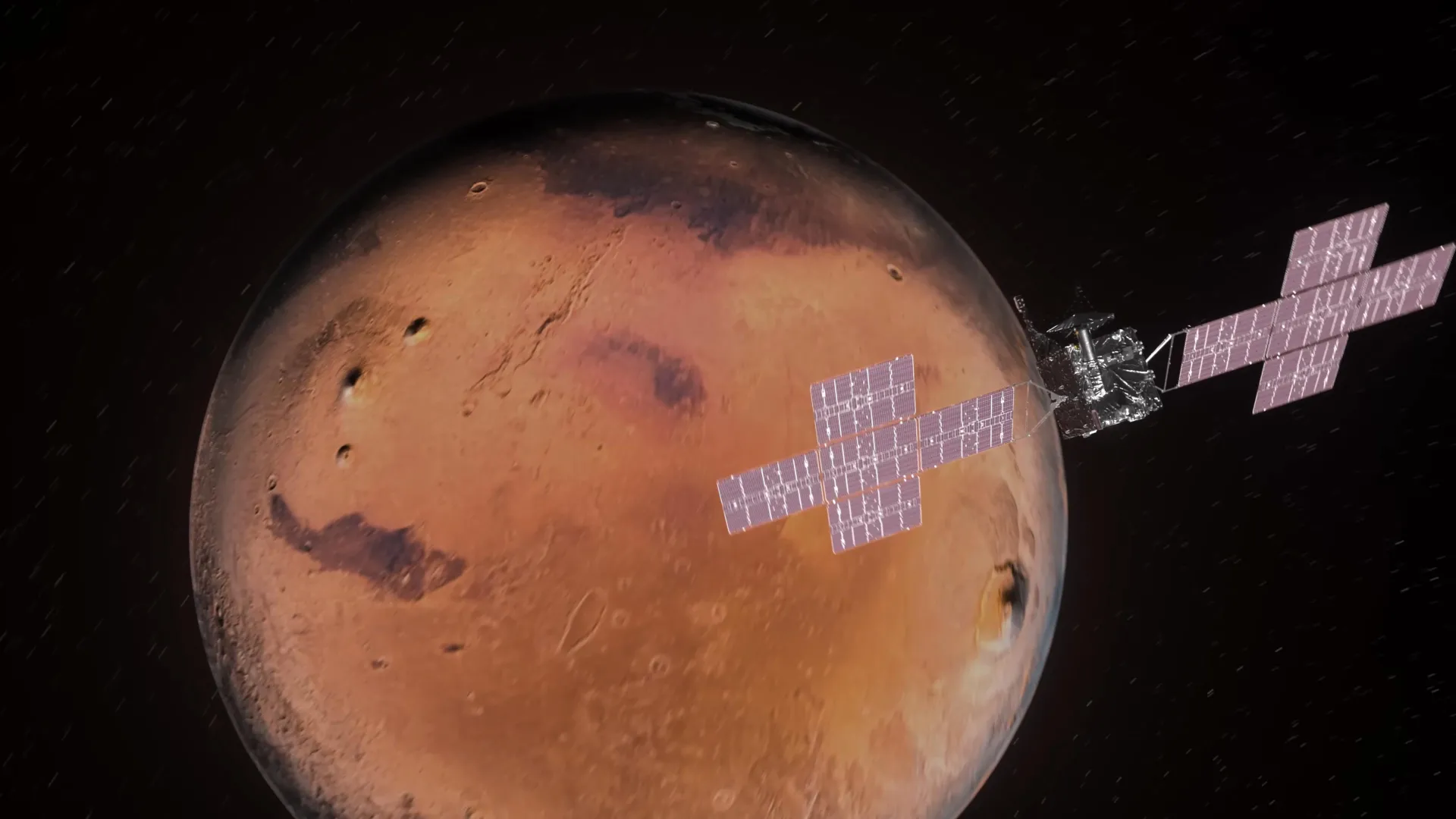
On May 15, the spacecraft passed Mars and used the planet's gravity to increase its speed and make a slight adjustment to its path. The maneuver placed Psyche on the trajectory needed to reach its metal-rich target in the main asteroid belt.
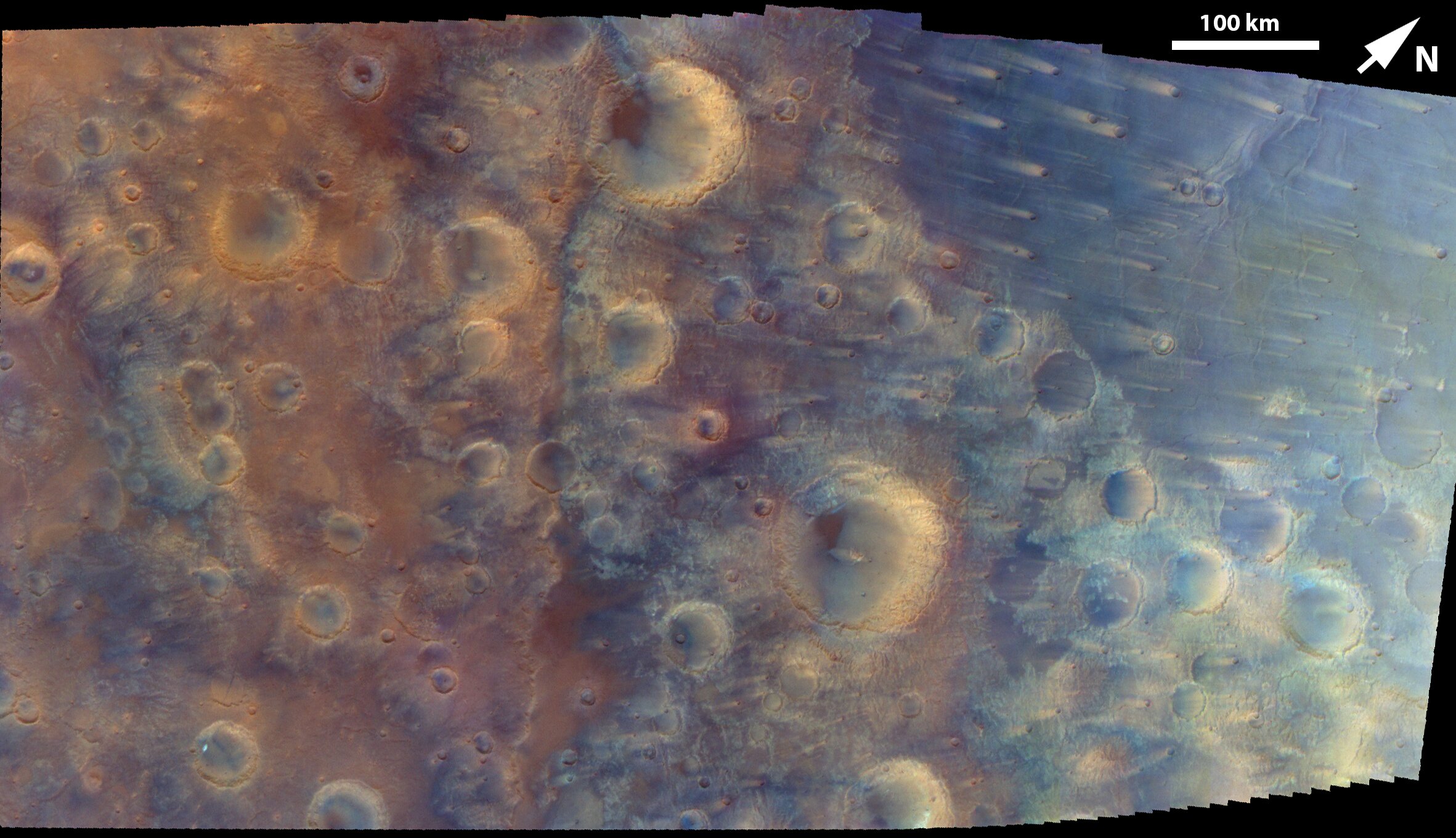
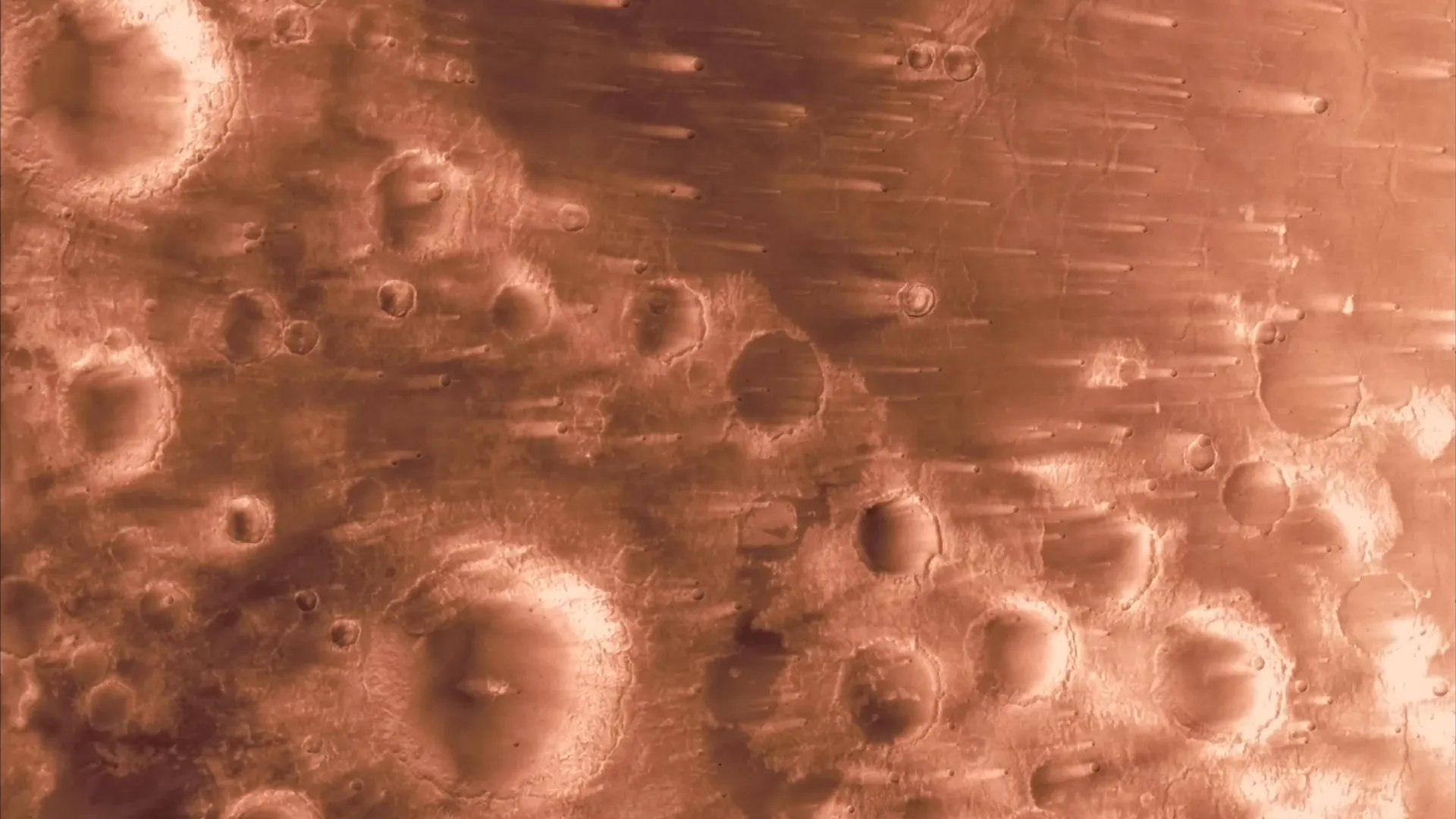
The encounter also offered mission scientists a rare chance to test the spacecraft's instruments around a well-studied planet. Mars served as a practice target for the tools that will eventually investigate Psyche. Data returned after the flyby showed that the instruments performed as expected and matched established knowledge about Mars, while also adding several useful observations from the spacecraft's unusual viewing position.
"The mission's imager, magnetometer, and gamma-ray and neutron spectrometer teams worked overtime to make full use of this planetary encounter, and all instruments delivered great results," said Lindy Elkins-Tanton, principal investigator for Psyche at the University of California, Berkeley. "We didn't anticipate big discoveries, given how extensively the planet has been studied, but we did complement Mars science with the data we collected through Psyche's unique perspective."