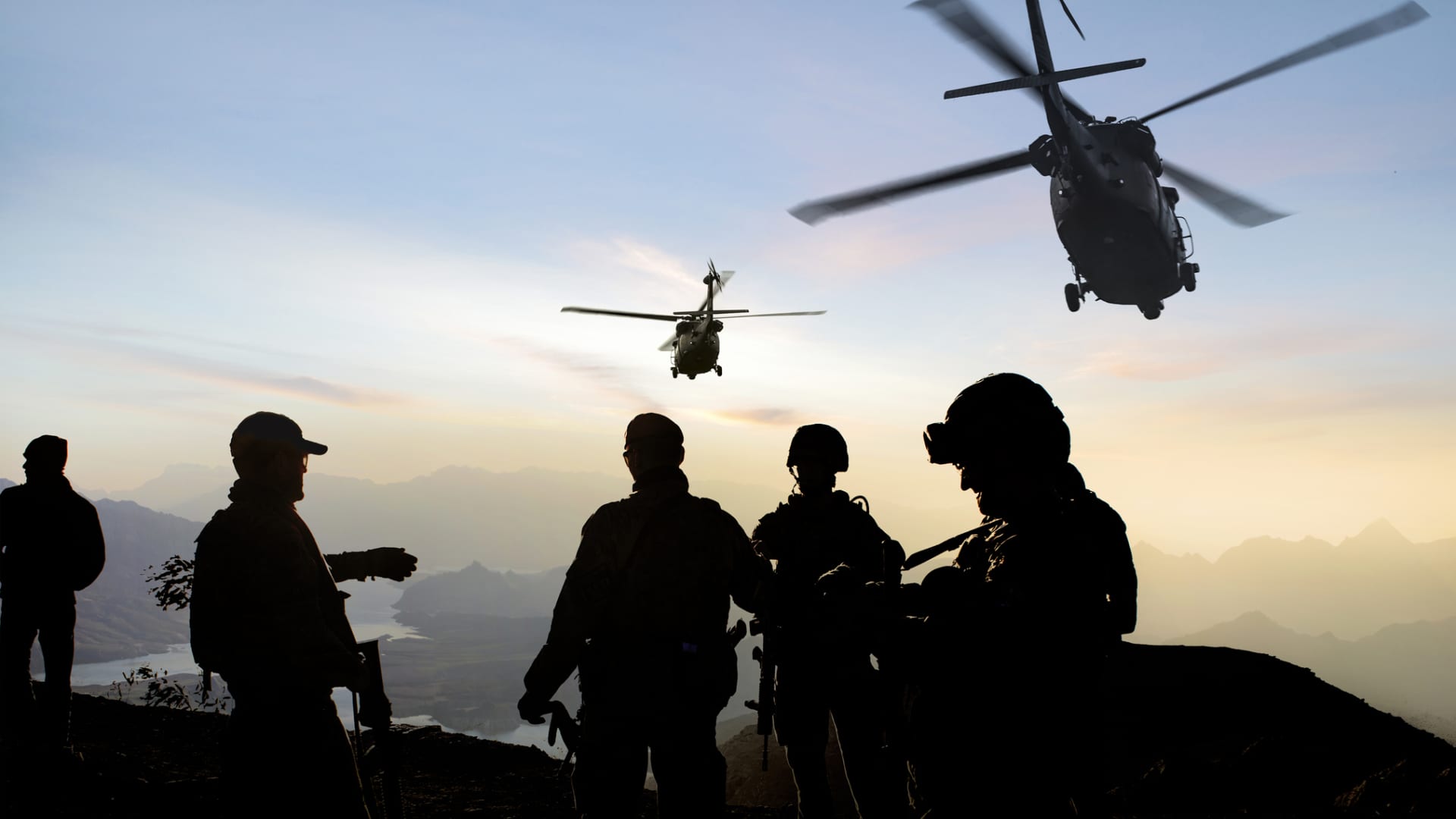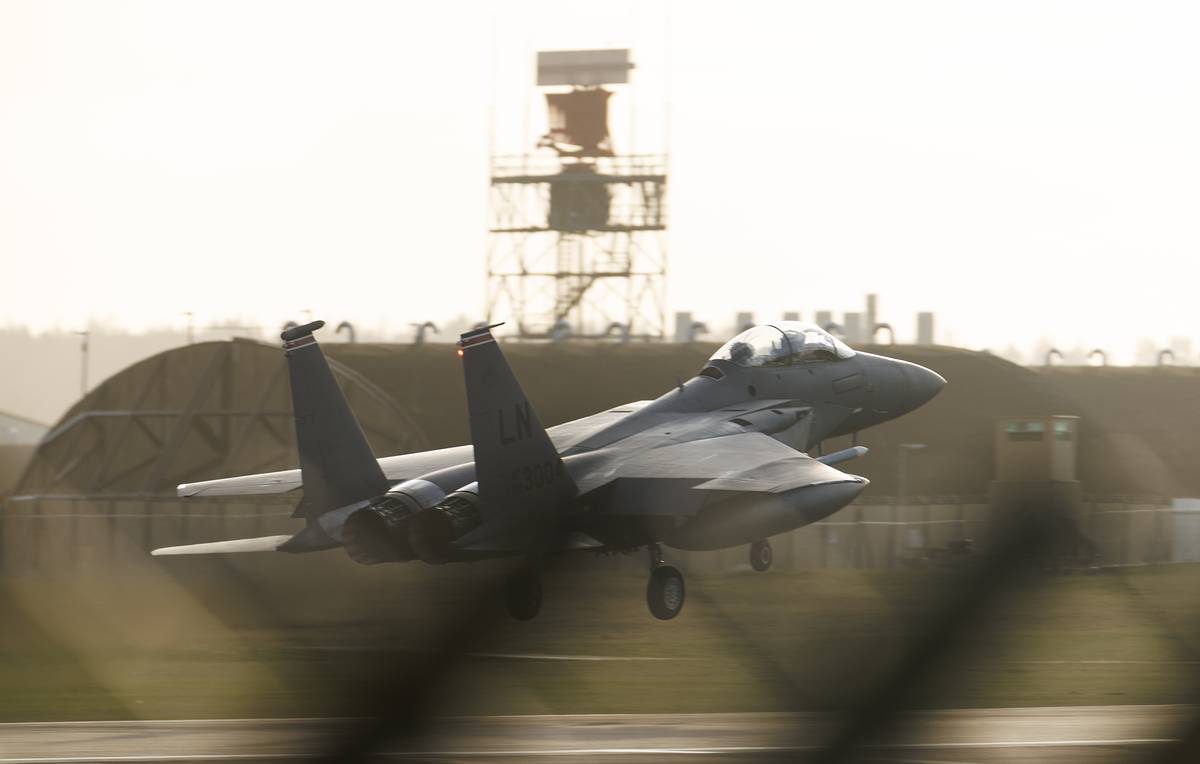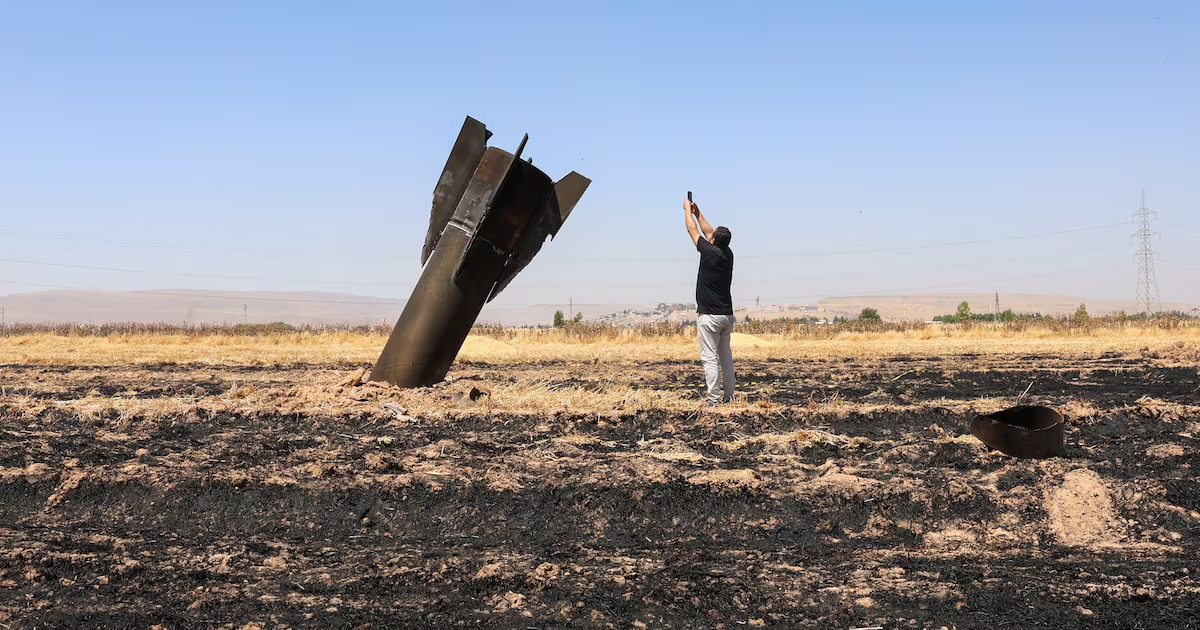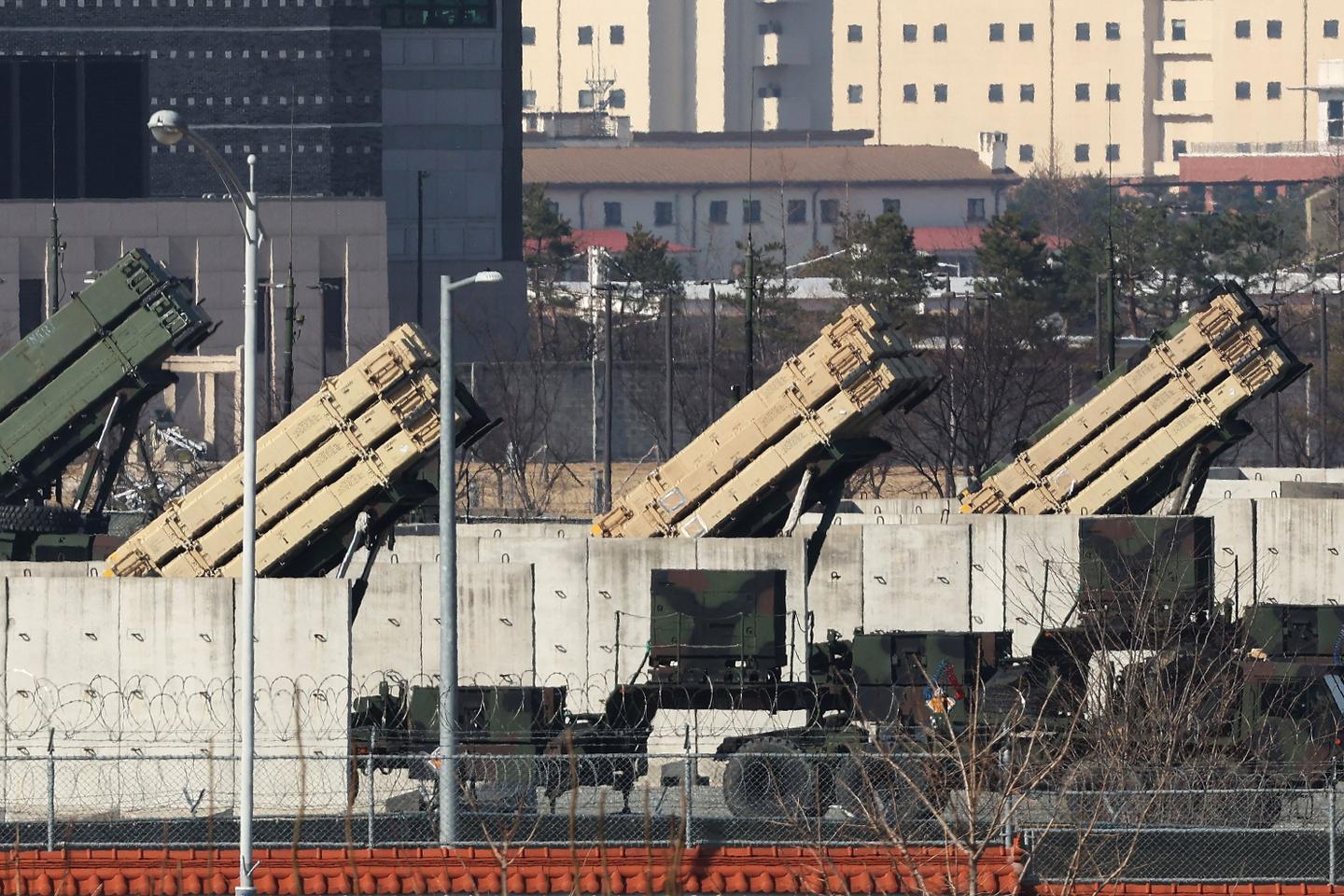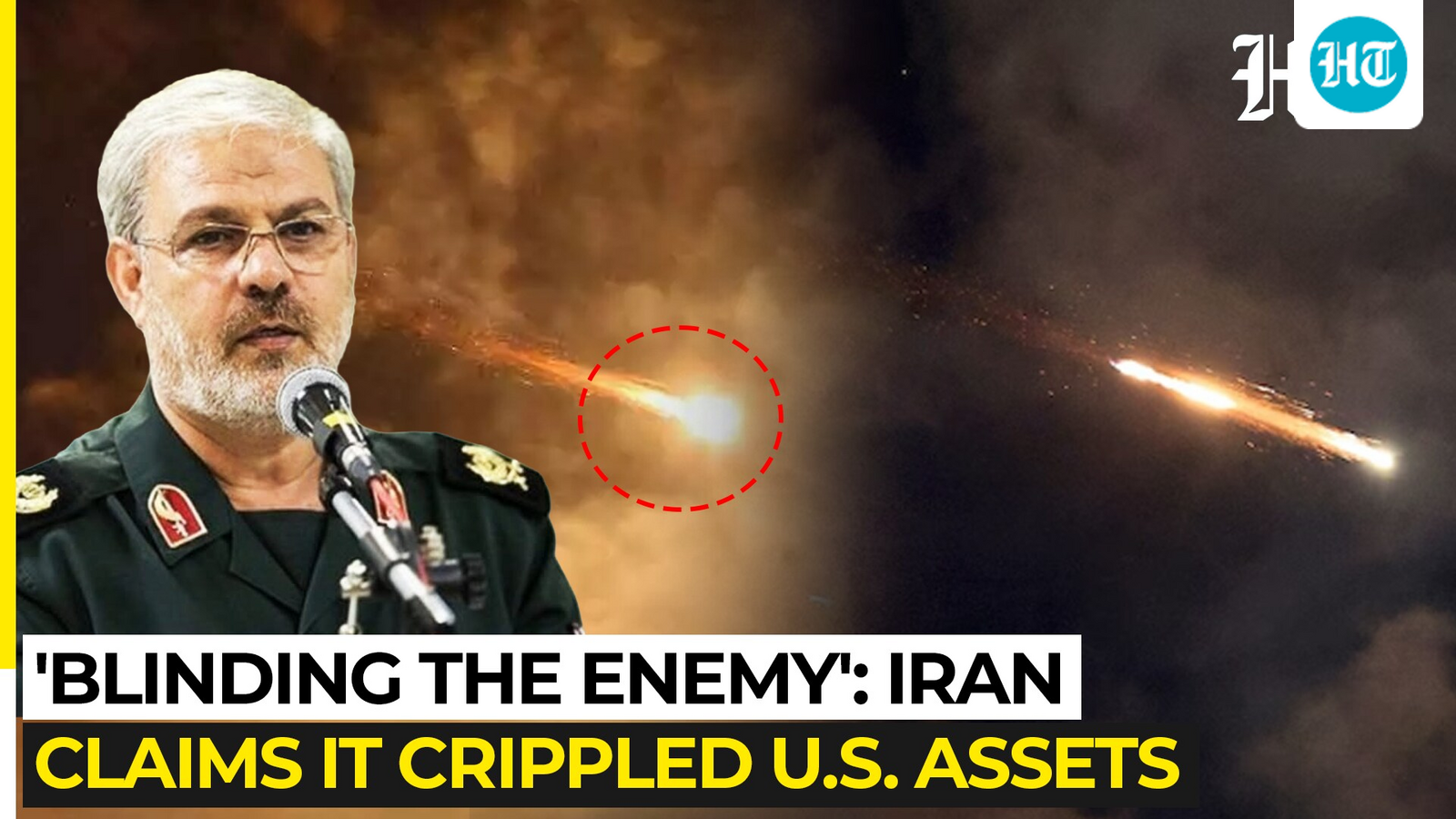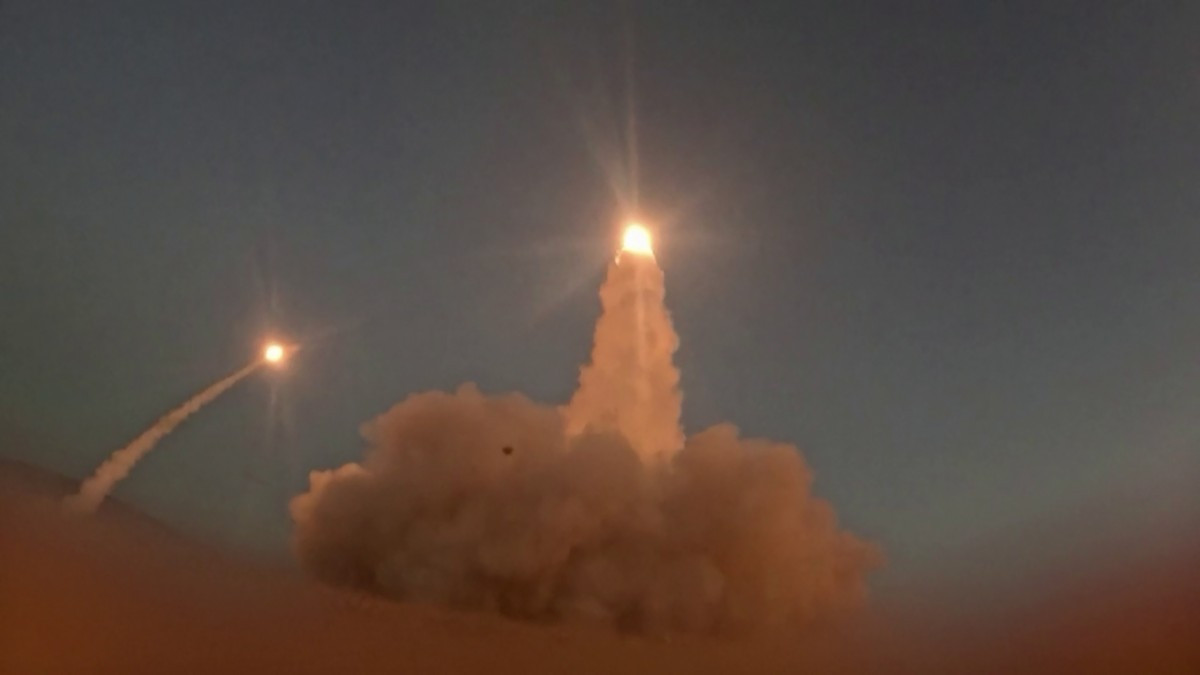
The Pentagon has relocated its Triton drones from Jordan to Italy after they were hit by Iranian missiles. These drones provided high-altitude maritime surveillance platforms for United States military operations in the ongoing war against Iran. This relocation reflects a change in the Pentagon’s strategy of the forward deployment of military and surveillance assets in Jordan in the run-up to and during the first few weeks of the Israel–US joint military operations.In sharp contrast to the 12-day war in July last year, Iranian missiles have demonstrated deadly precision and effectiveness this time, regularly striking strategic facilities in Jordan, Kuwait and elsewhere across the Middle East. These targets are often highly specific, undisclosed or restricted locations, detectable only by an advanced space surveillance system capable of continuously monitoring military movements. This has drawn attention to the growing sophistication of those missiles’ navigation and guidance systems and to the increasingly crucial role of an invisible component of this war: space.
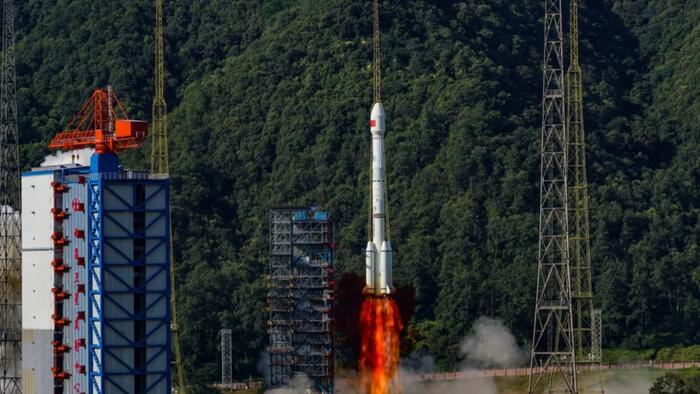
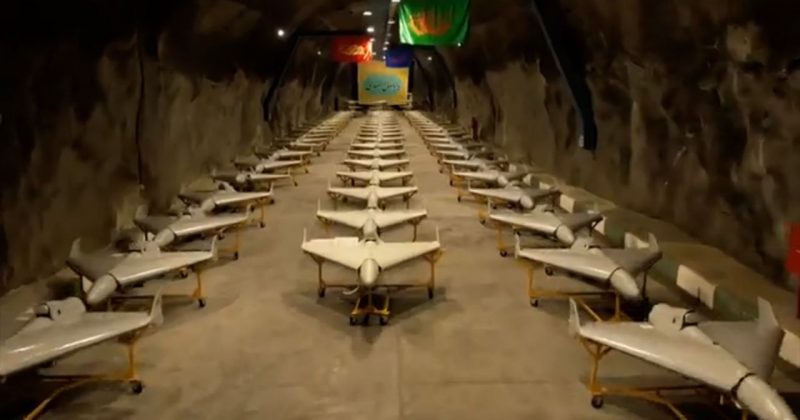
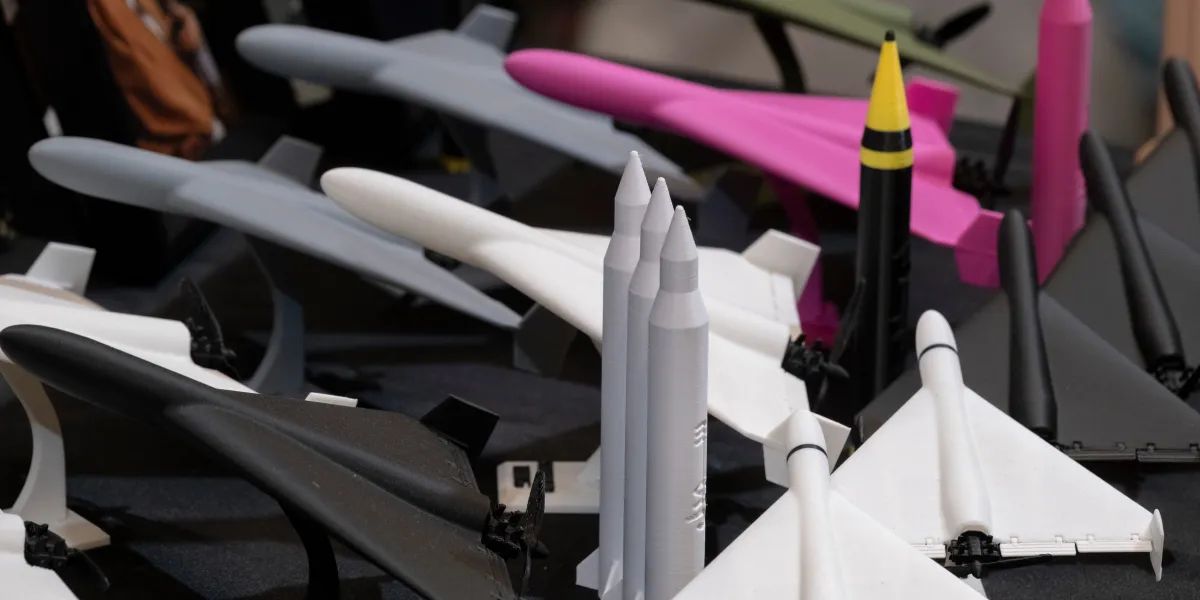
Tehran certainly has a large arsenal of missiles and drones, but their impact on the course of the war would have been insignificant without vital support from space. These weapons must be precisely locked onto their targets and guided through hostile skies under constant enemy surveillance. They must also protect themselves from signal jamming and spoofing while simultaneously sending deceptive signals to potentially hostile systems. This is why the space component of the war is indispensable, with Beijing playing a key role on Tehran’s behalf.