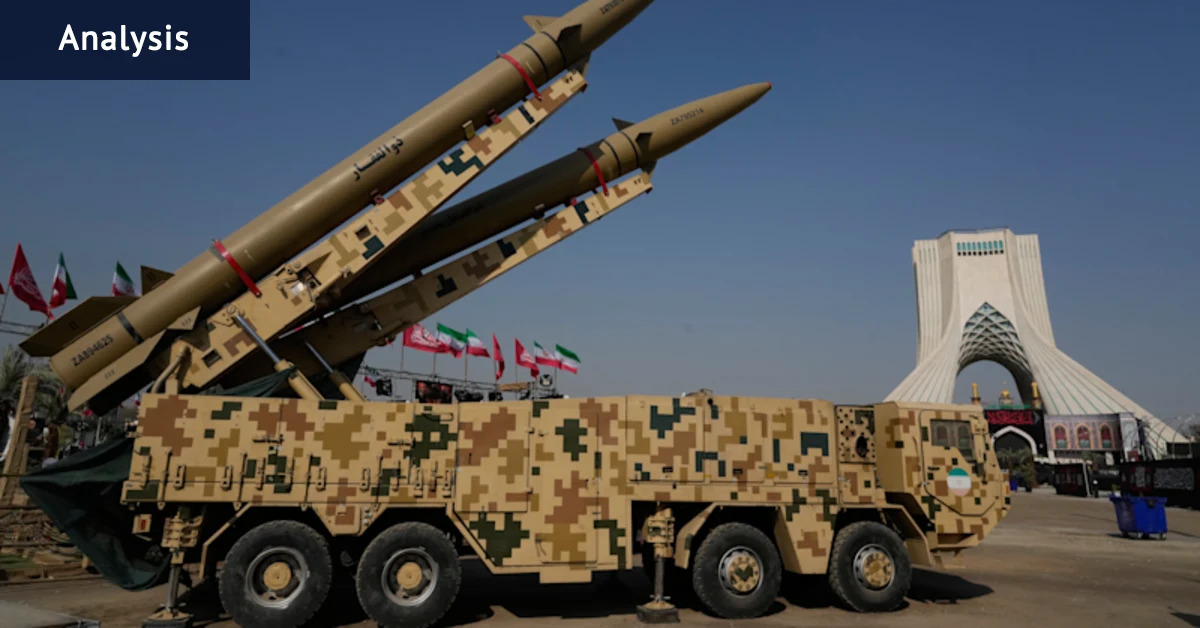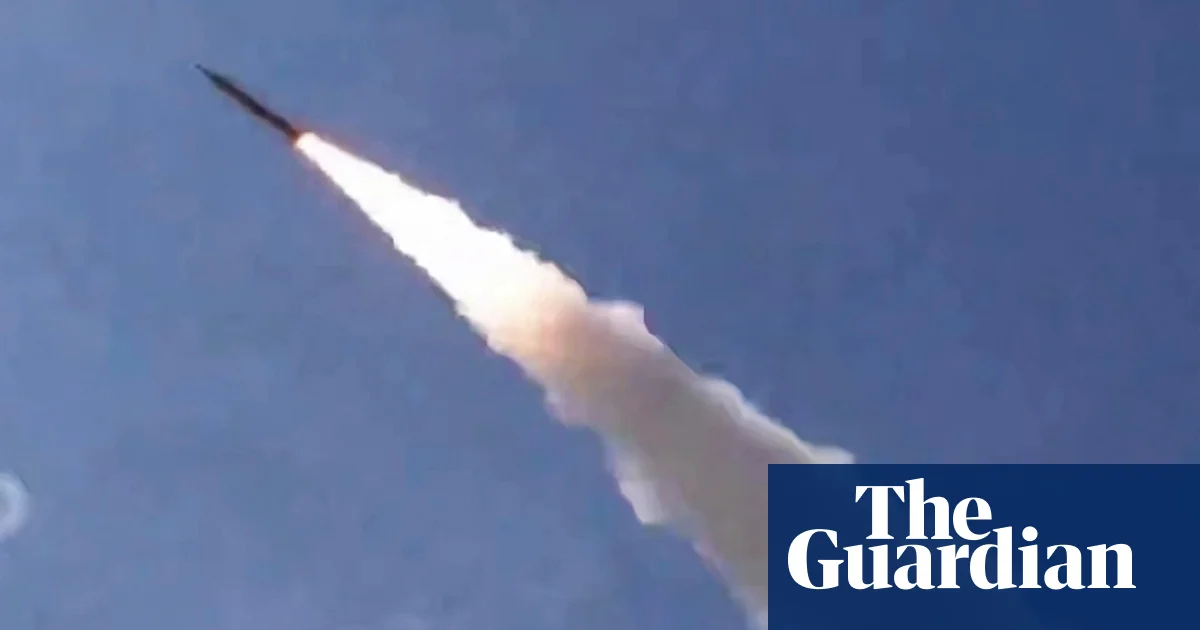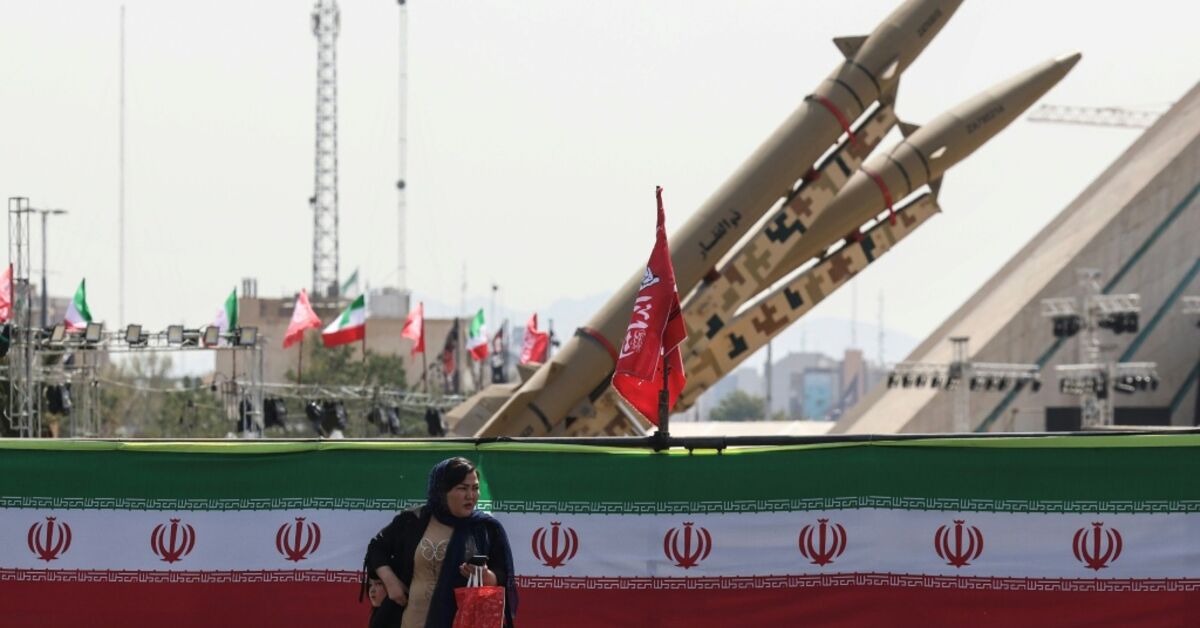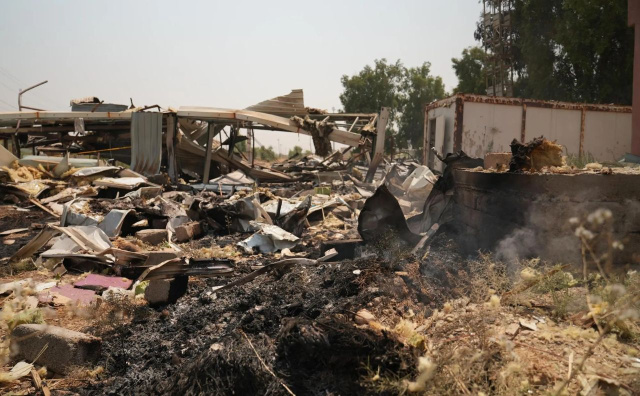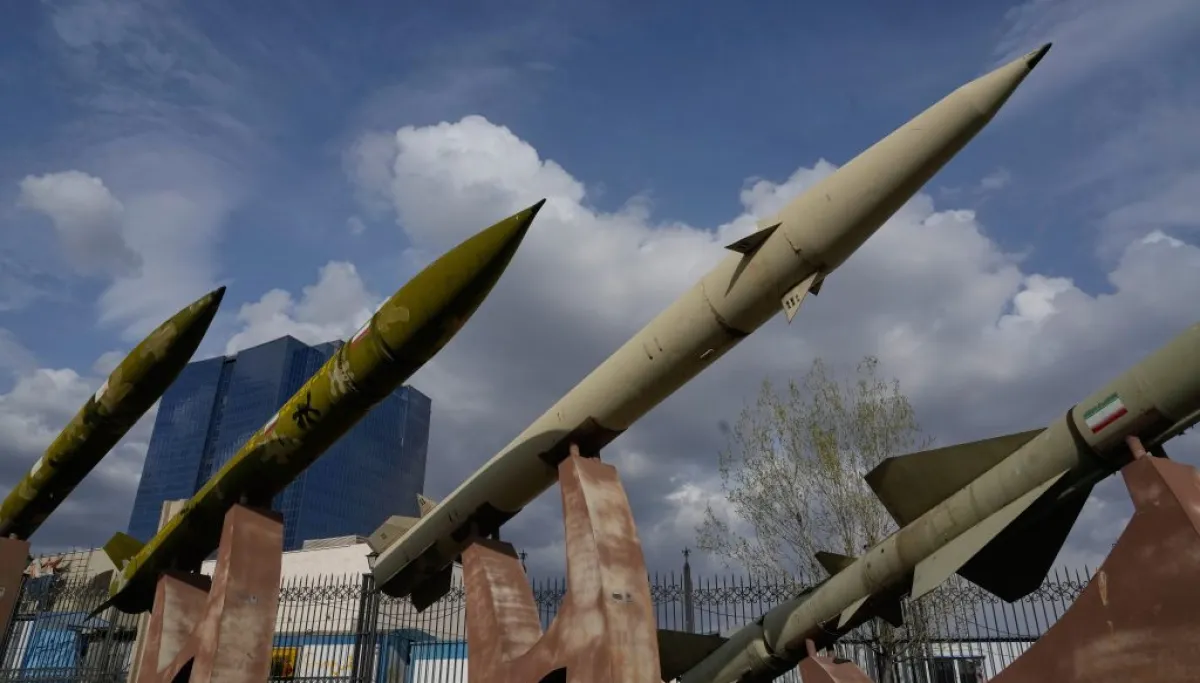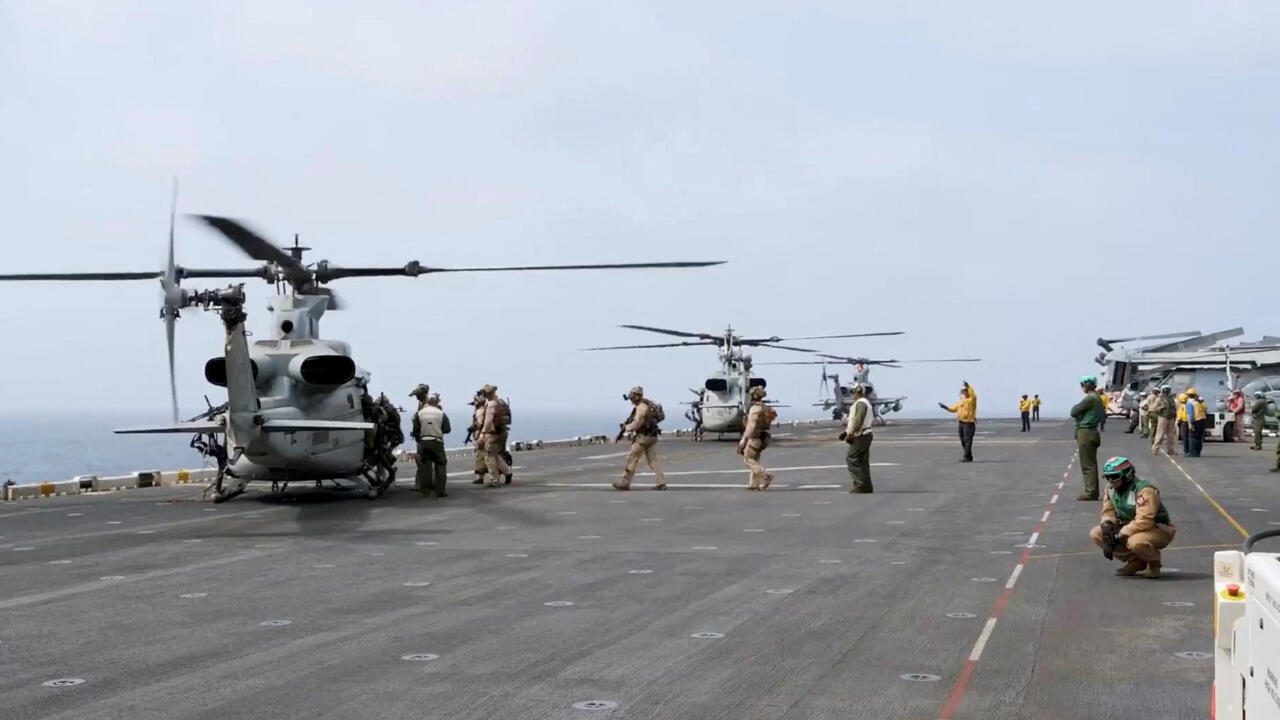
Soon after the US launched its joint attack with Israel on Iran in late February, defence secretary Pete Hegseth declared that among its aims were to “destroy Iranian offensive missiles, destroy Iranian missile production”.Yet five months later and after hundreds of US attacks, Iran has been able to sustain the effectiveness of its missile force, continuing to launch apparently precise strikes on targets across the region.Its missile crews have killed Americans at their barracks in Jordan, repeatedly struck buildings on major bases in Kuwait and Bahrain, targeted installations in Saudi Arabia and Qatar, and appear to have learned from their experiences under intense bombardment in March and April. A shaky ceasefire that took hold in April, and the limits of the less intense American campaign of recent weeks – mostly focused on southern Iran – may have given Iranian crews breathing room to operate more methodically, said observers. Israel’s absence from the latest fighting has also relieved pressure.“It is easier to shoot if you are not being shot at,” said Nicole Grajewski, an expert on the Iranian ballistic missile programme at the French Institute for International Relations. “They are not having to scramble launchers around, so it is a much more favourable operational environment for them.”At the weekend, fighting paused as mediators sought to prevent the warring parties from returning to full-blown conflict, though US president Donald Trump had also threatened late last week to escalate to a “massive attack” on Iran.As US leaders mull their next steps, they will have to take into account factors such as their own missile stocks, including the expensive interceptors needed to prevent Iran’s attacks from doing further damage.Between February 28th and April 8th, Israel and the US aggressively sought to hunt and destroy the launchers and crews firing Iranian missiles. They collapsed entrances to their sprawling underground missile bases in a bid to trap them inside, while drones loitering overhead and fighters patrolling nearby were on alert as soon as a launcher was detected. But now Iranian engineers appeared to be demonstrating an ability to quickly replenish and regenerate capacity by digging out buried bases, said Grajewski. “They definitely remain a threat.”Analysts said it was difficult to untangle which factors may have helped Iran sustain the effectiveness of its missile force. They said some would be visible only to combatants themselves, including changes to hardware and the electronic warfare environment. Iran has also obtained targeting and navigational support from other countries, including intelligence from Russia.Among the factors affecting Iranian strike rates could be interceptor usage levels among Americans and their allies, after reports that they burned through large numbers of interceptor missiles during the first months of the war.“We may be shooting at them less, and they may be firing more accurate missiles,” said Jeffrey Lewis at the James Martin Center for Nonproliferation Studies (CNS), adding that Iran appeared to be digging into its more modern missile stockpiles.The remains of American serviceman James Feehan, who was killed in an Iranian air strike in Jordan, arrive at Dover Air Force Base in Delaware last week. Photograph: Jim Lo Scalzo/EPA He said Iran seemed to be using fewer of its ageing missiles derived from the Soviet Scud or the North Korean Nodong. “Those things are very inaccurate,” he said. Because of a shift in the missile types being used, “there may be a natural increase in accuracy”, he said.Iran could also be reaping dividends from a strategy of hitting installations critical to maintaining effective missile defence umbrellas earlier in the conflict, including radars and early-warning sites in Jordan and the Gulf, said Grajewski.“They are trying to basically shut off their ability to monitor and track these missiles,” she said. “There are definitely dividends coming from the fact that they managed to make some pretty high-value gains in the early targeting,” she added.Jim Lamson, a former Iran-focused military analyst with the CIA, said the recent deadly attacks in Jordan suggested Iran was slipping more missiles through US and Arab defences.“It seems that in Jordan they have been able to get increased penetration of missile defences and increased accuracy for their medium-range ballistic missiles,” Lamson said. “You have to assume, if you are an American planner, that Iran is making both technical and tactical tweaks from lessons learned in past conflicts.”Iran, which has closely studied the lessons of its previous conflicts and the Russians’ battlefield experiences in Ukraine, will have been learning from its mistakes.CNS’s Lewis noted that Iran had stepped up efforts to blur surrounding landscapes in videos touting missile launches, which made it harder for outsiders to identify where launches were taking place. Videos have suggested that Iranian crews were venturing farther out from their underground bases to fire, he said.“What we have seen is the Iranians adapt,” said Lewis. He said their crews no longer appeared to conduct controlled burns of vegetation at launch sites, as they did before firing during previous rounds of fighting, making it easier to spot where they planned to fire from.A woman walks next to anti-US imagery on a street in Tehran last week. Photograph: Abedin Taherkenareh/EPA At the same time, said Farzin Nadimi, an expert on the Iranian military at the Washington Institute for Near East Policy, pointed out that missile crews appear to have been confident enough to carry out daytime launches in recent fighting, rather than sticking to the cover of darkness.Lamson said the overall Iranian performance was probably due to an “accumulation of factors”. He said Iran could also have sought to finesse when to fire different systems, including slower-flying drones and cruise missiles alongside faster-moving ballistic missiles.There may also be better co-ordination between and within the conventional Iranian armed forces and the Islamic Revolutionary Guard Corps. There are tentative indications, based on which attacks are claimed by which force, that the regular Iranian armed forces may be taking on a greater role in drone operations, said Grajewski.Analysts noted it was unclear, even in cases where Iran struck buildings and bases, exactly what its missiles and drones had targeted. American bases are highly concentrated and a projectile that errs off course even by a few hundred metres could strike another building on the base. Iran has said it is using missiles, including the Kheibar Shekan, that manoeuvre in their final approaches towards their targets. This can make it harder for already depleted missile defences and damaged radars to intercept them as they approach their targets.“When mixed with other factors, the terminal manoeuvres might improve their effectiveness, especially if you have degraded radars and missile defence assets,” Lamson said. The Americans now face a strategic dilemma: Iran maintains a potent missile force that it can use to retaliate against attacks. Containing that force would require the US to expand the scope of its own attacks, said analysts.“It is becoming increasingly difficult to defend against ballistic missiles at destination or during their terminal phase,” said Nadimi. “They will eventually realise that they need to dedicate more assets to going after the missile launchers and bases,” he added. The Pentagon last week released the names of two US service members killed in Jordan when Iran launched missiles at a military base there. Photograph: Kenny Holston/The New York Times
How Iran has adapted its missile war and given the US a strategic dilemma
Recent fighting has provided conditions for Tehran’s forces to launch more precision strikes across Gulf and Jordan
1,338 words~6 min read