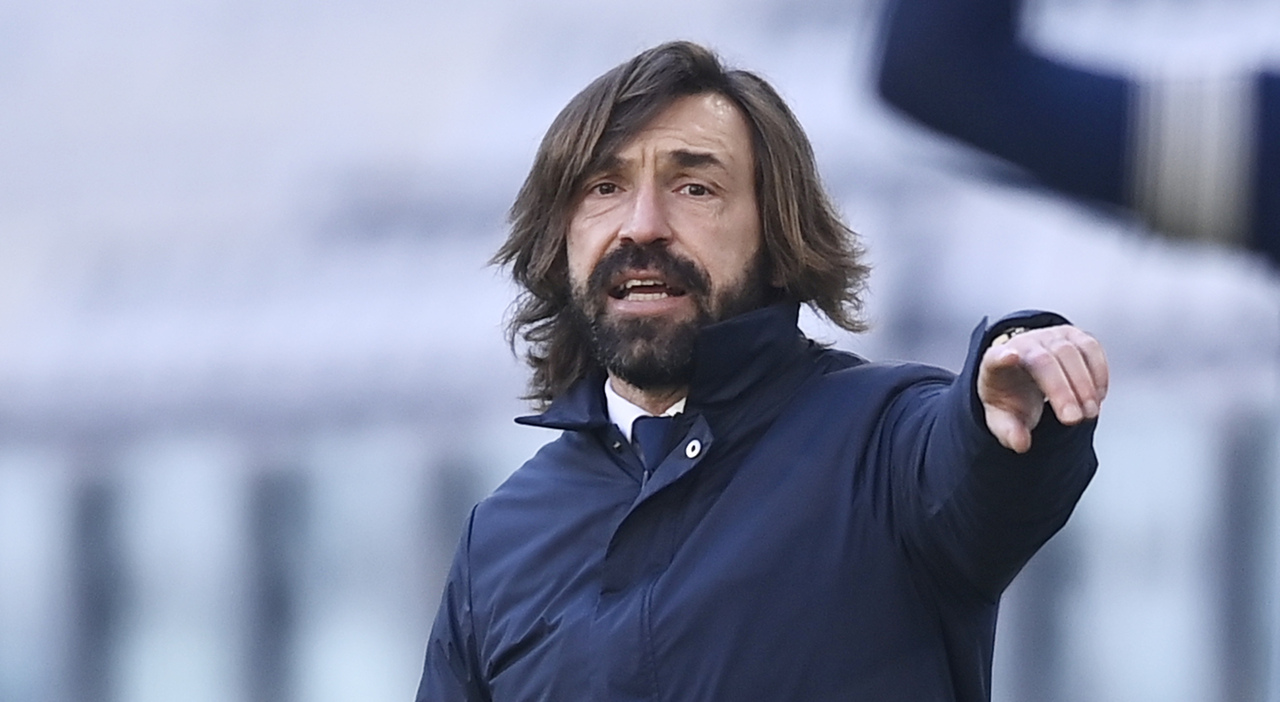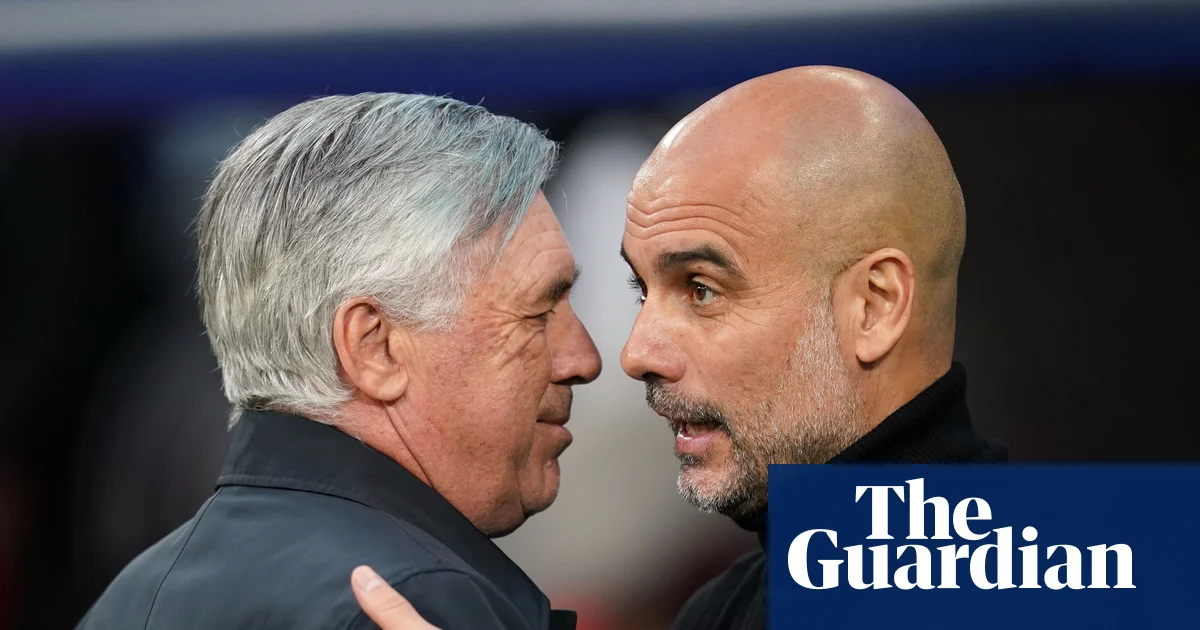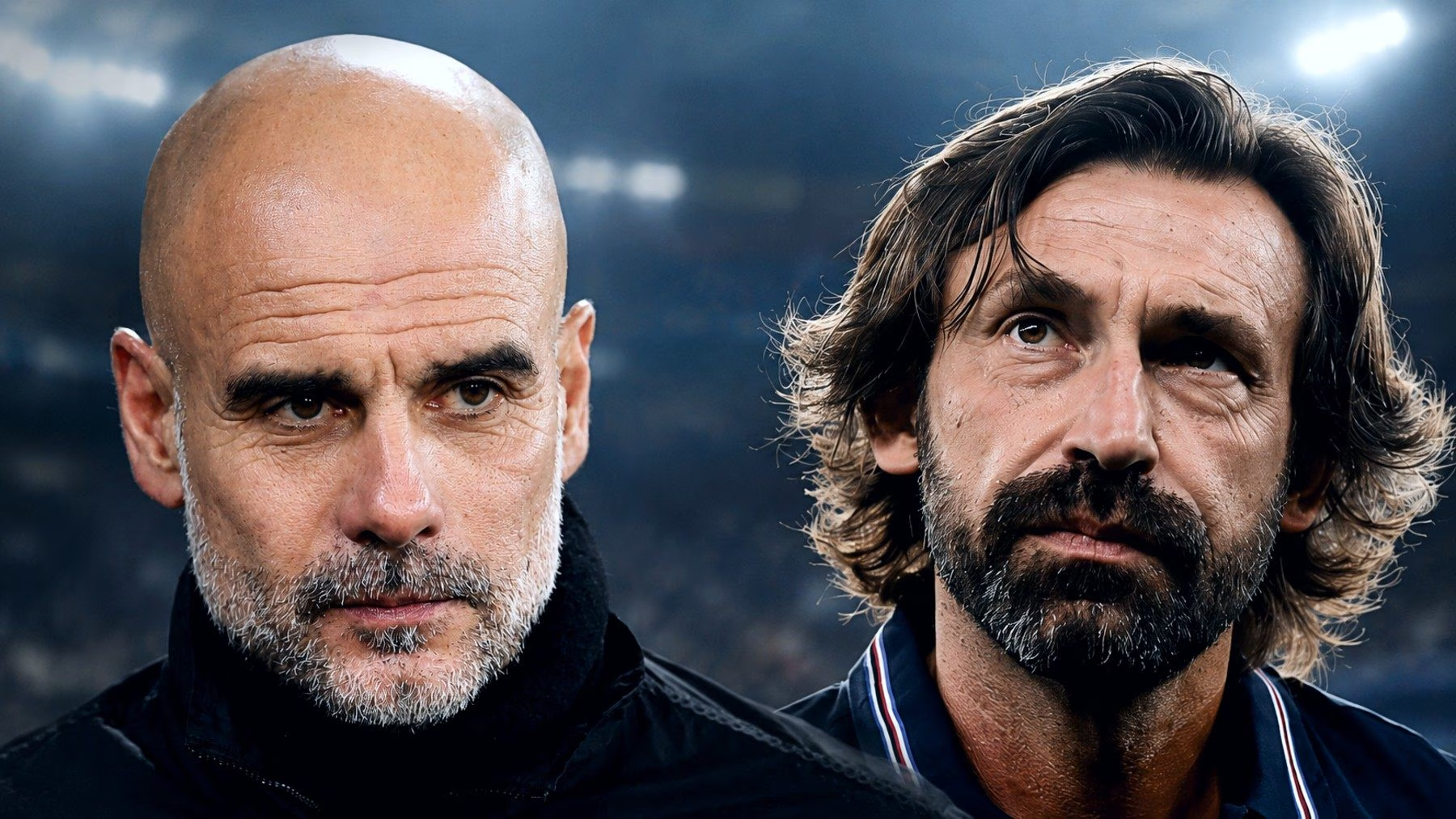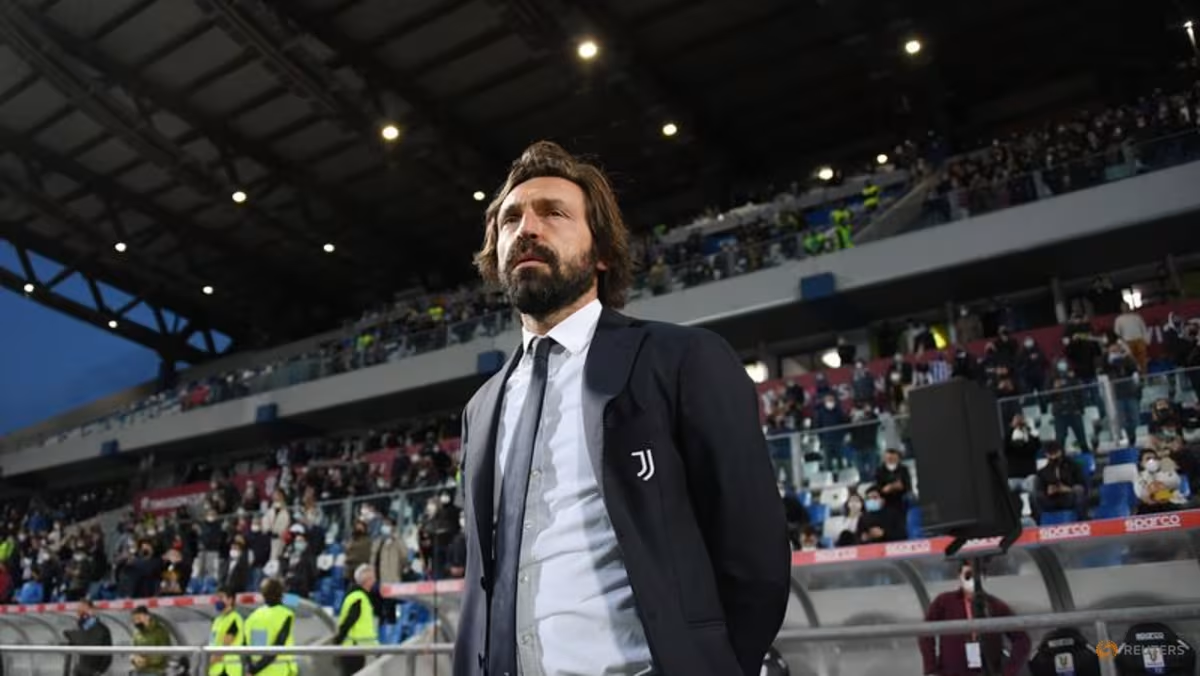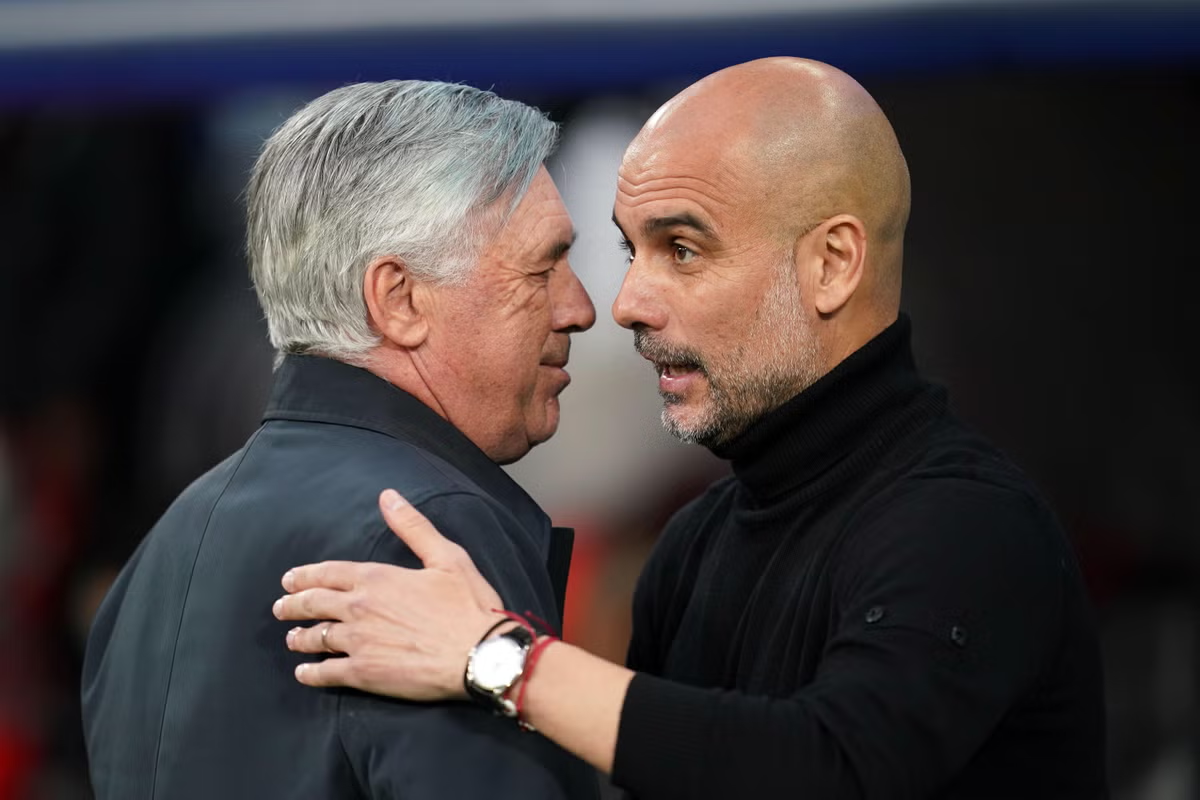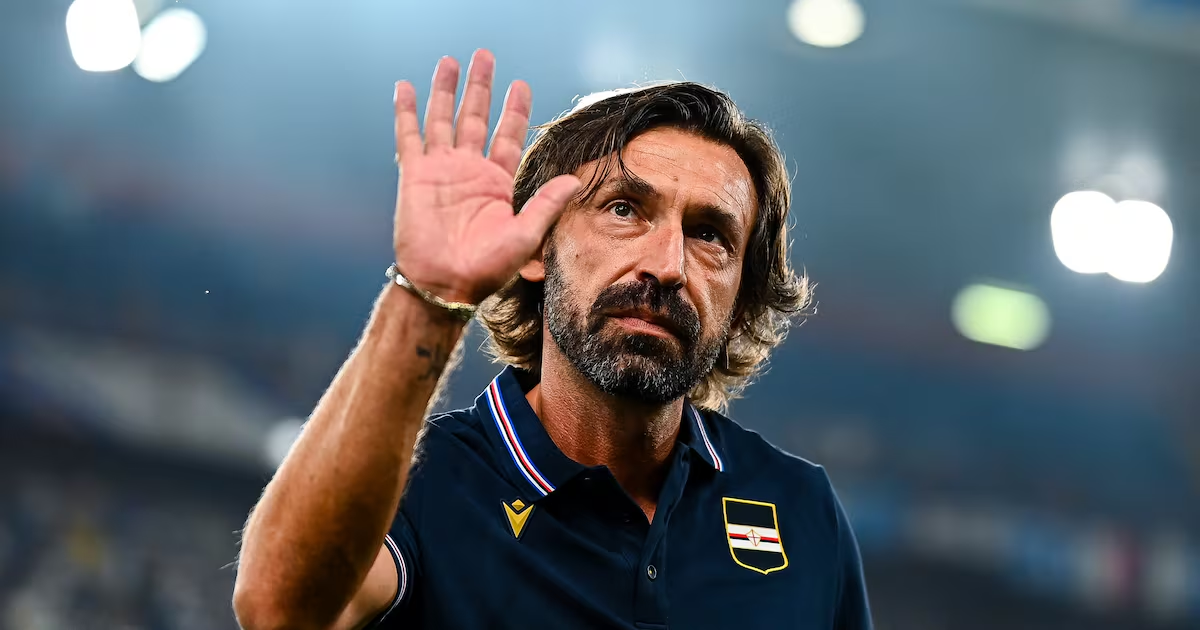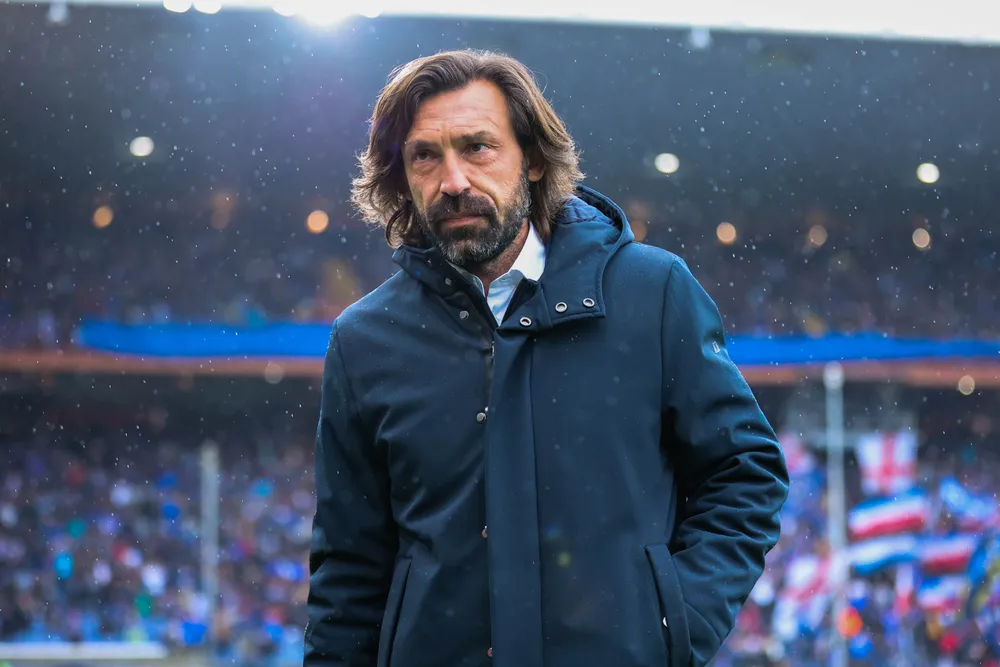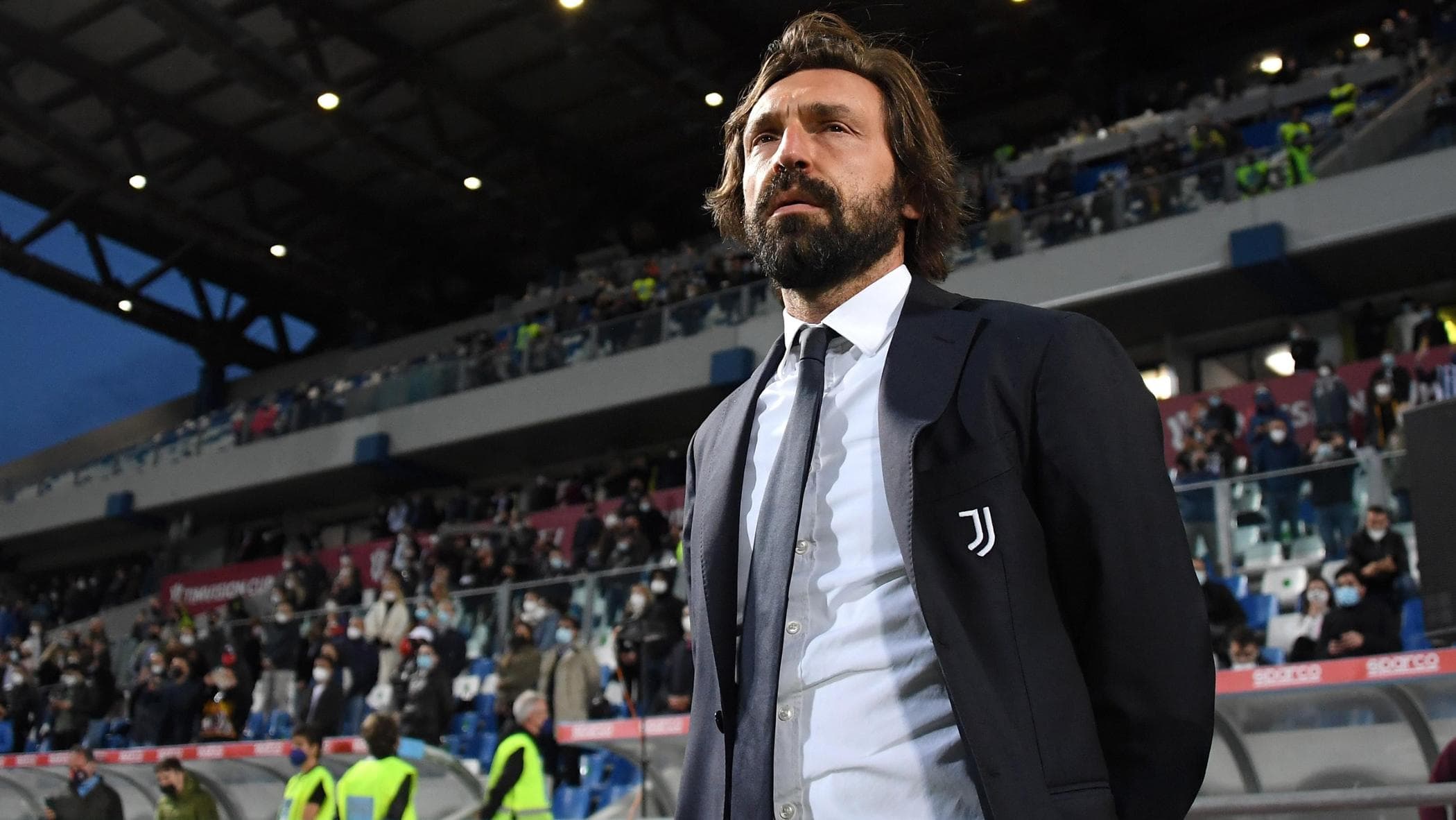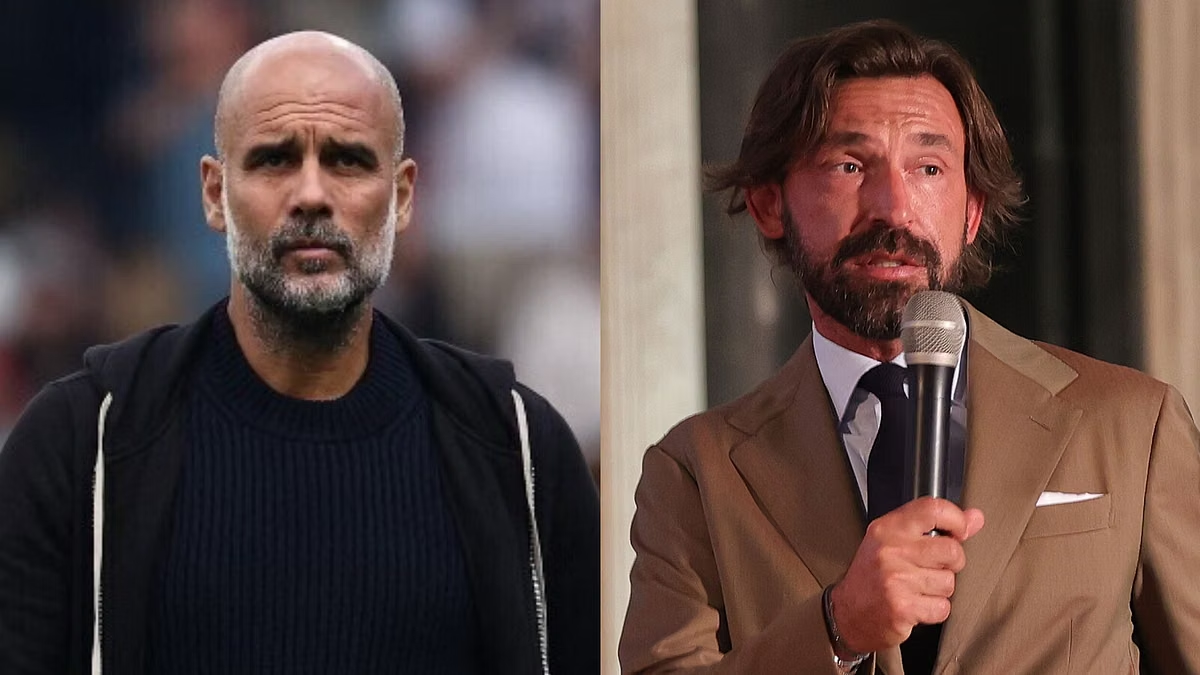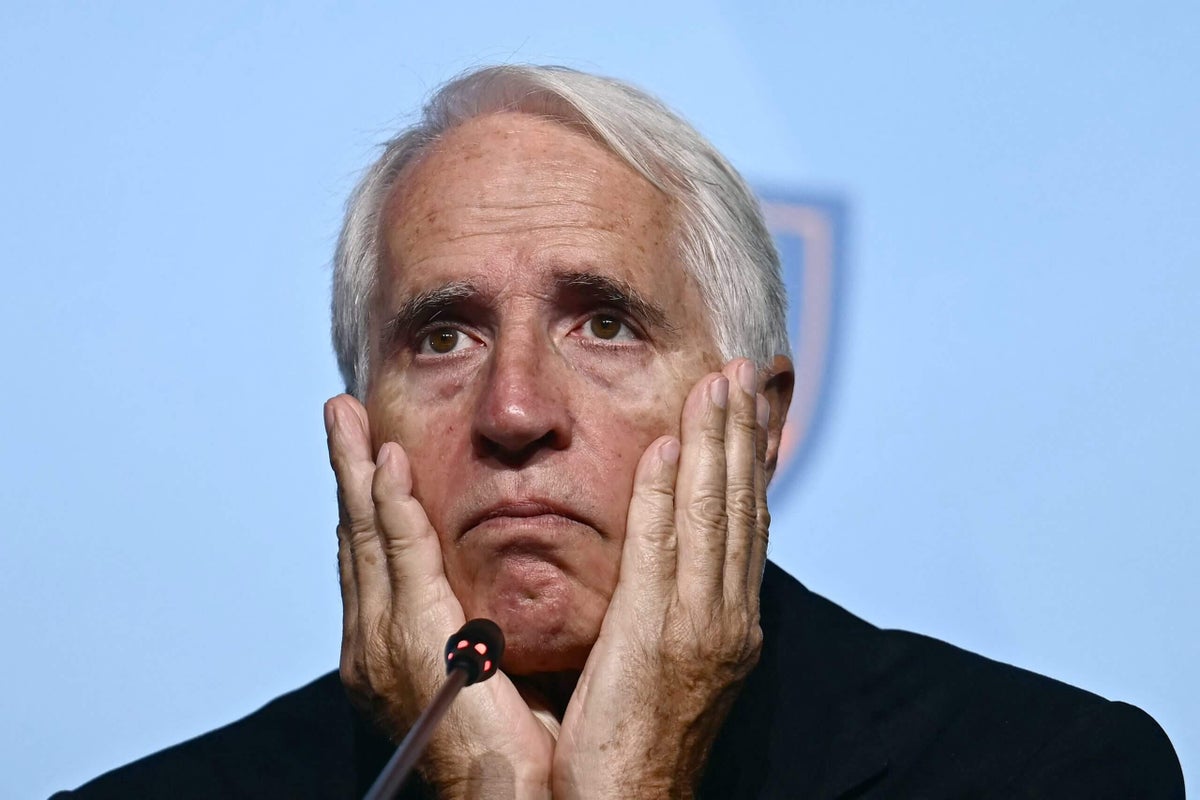
It was supposed to be the dream team. The politician who helped deliver the 2026 Winter Olympics in Milano-Cortina and the former player considered by many to be the face of Italian football.When, in early July, the new president of the Italian Football Federation (FIGC), Giovanni Malago, announced he had secured Paolo Maldini as his technical director, the duo were swiftly heralded as the best bet to restore the national team, if not to its world-beating competitiveness of old, then to at least a place of dignity and respect.Italy, four-time winners of the men’s World Cup, were not among the 48 sides competing in the United States, Canada and Mexico this summer after failing to qualify for a third consecutive edition of FIFA’s tournament.Defeat on penalties to Bosnia and Herzegovina in their play-off bracket’s final in March led to an inquisition. Furious demands for resignations were satisfied as Gabriele Gravina, Gianluigi Buffon and Gennaro Gattuso all fell on their swords. The FIGC was left needing a new president, executive team and coach.Once again, Italian football cleaned house in a dramatic attempt to rebuild.Malago, Maldini and Leonardo, the ex-Brazil international who was his former team-mate at Milan, were presented as the architects of change. “Maldini was always my objective,” Malago said.Paolo Maldini and Leonardo – architects of change for Italy’s national team (Marco Luzzani/Getty Images)Let’s just say it has been a chastening fortnight, one in which the Italian national team has suffered a series of defeats without even playing a game.Expectations were high. Ambitions great. “It’s a call to arms,” Maldini said. “When Italy calls, it’s hard to say, ‘No’.”Yet Pep Guardiola and Carlo Ancelotti did just that.“It seemed right to us to start with the best in the world,” Maldini explained of their search for a manager.Guardiola would have represented an Italy no longer in denial, an acknowledgement they needed to break with tradition. He would have been the first foreign coach to fill the role of Commissario Tecnico since Argentine Helenio Herrera’s job-share with Ferruccio Valcareggi 60 years ago, following Italy’s elimination by North Korea at the 1966 World Cup, a humiliation treated as a national disgrace.After that dispiriting loss in Bosnia, traditionalists opened up to the radical, counter-cultural Guardiola option. They dared to dream as his time at Manchester City finally, after a decade, came to an end.Guardiola loves Italy. He played there, for Roma and Brescia, near the end of his career after leaving Barcelona. He speaks Italian. He attended a Brescia game in February and often flies back for reunions with former team-mates including Roberto Baggio. When Jovanotti, the Italian pop star, performed in Barcelona earlier this summer, Guardiola was backstage in a Jovanotti T-shirt.Maldini, meanwhile, found himself damned if he tried to appoint Guardiola and damned if he didn’t. It was a national imperative to have a go, despite the belief Guardiola desired time away from coaching after stepping down in Manchester just a couple of months ago. The Catalan’s inclination was for a sabbatical, like the one he took between the Barcelona and Bayern Munich jobs in the early 2010s. He’d no doubt seen how refreshed his old foe Jurgen Klopp has looked lately after a couple of years out of the grind, too.Maldini and Leonardo couldn’t change his mind. It was Mission: Impossible. A mission they would have been criticised for not accepting, just as they would later be for failing to accomplish.Paolo Maldini and Giovanni Malago could not persuade Pep Guardiola (above) to take up the Italy reins (Maurizio Lagana/Getty Images)As for Ancelotti, his name was raised not by the media, but by Maldini.“We can’t comment further on (Guardiola),” he said in a media huddle after the FIGC’s new executive team presented its plans to the Serie A assembly. “You have identified one of the targets. But we have also spoken to Ancelotti.”This came out of nowhere and led to more questions. Why venture his name unsolicited except to affirm, once again, the FIGC’s unrealistic ambitions? Contrary to Maldini’s stated belief, when Italy called, it seemed easy for candidates to say: ‘No’.Ancelotti, after all, had extended his contract with Brazil before the World Cup and, when Norway brought an end to their campaign in the round of 16, he reiterated his intention to see that agreement out.So far, the process of sourcing a new Italy coach has been humbling. Maldini’s aura evidently hasn’t been enough on its own.The difficulty in luring a big name has not, for now, been a question of money either. “For Pep, the financial aspect is not relevant in any way,” Maldini said as he left Serie A’s headquarters.How could it be after working for City? “You cannot imagine how much I get paid,” Guardiola memorably said while City were slumping the season before last.Having worked under Ancelotti at Milan, attention then turned to one of Maldini’s former San Siro and Italy team-mates, Andrea Pirlo. It felt like quite the comedown. Groundhog Day rather than a Brave New World. A prospective repeat of the mistakes made under Gravina when Buffon recommended Gattuso for the job to replace Luciano Spalletti, even though his most recent gig had been with Hajduk Split in Croatia.
Pirlo, Pep and Paolo: How a summer of self-inflicted controversy left new Italy feeling like the old Italy
After courting Guardiola and Ancelotti, Andrea Pirlo is no longer under consideration as head coach, raising questions of Paolo Maldini...
2,470 words~11 min read