Academia
Climate change and disaster management can no longer be treated separately.
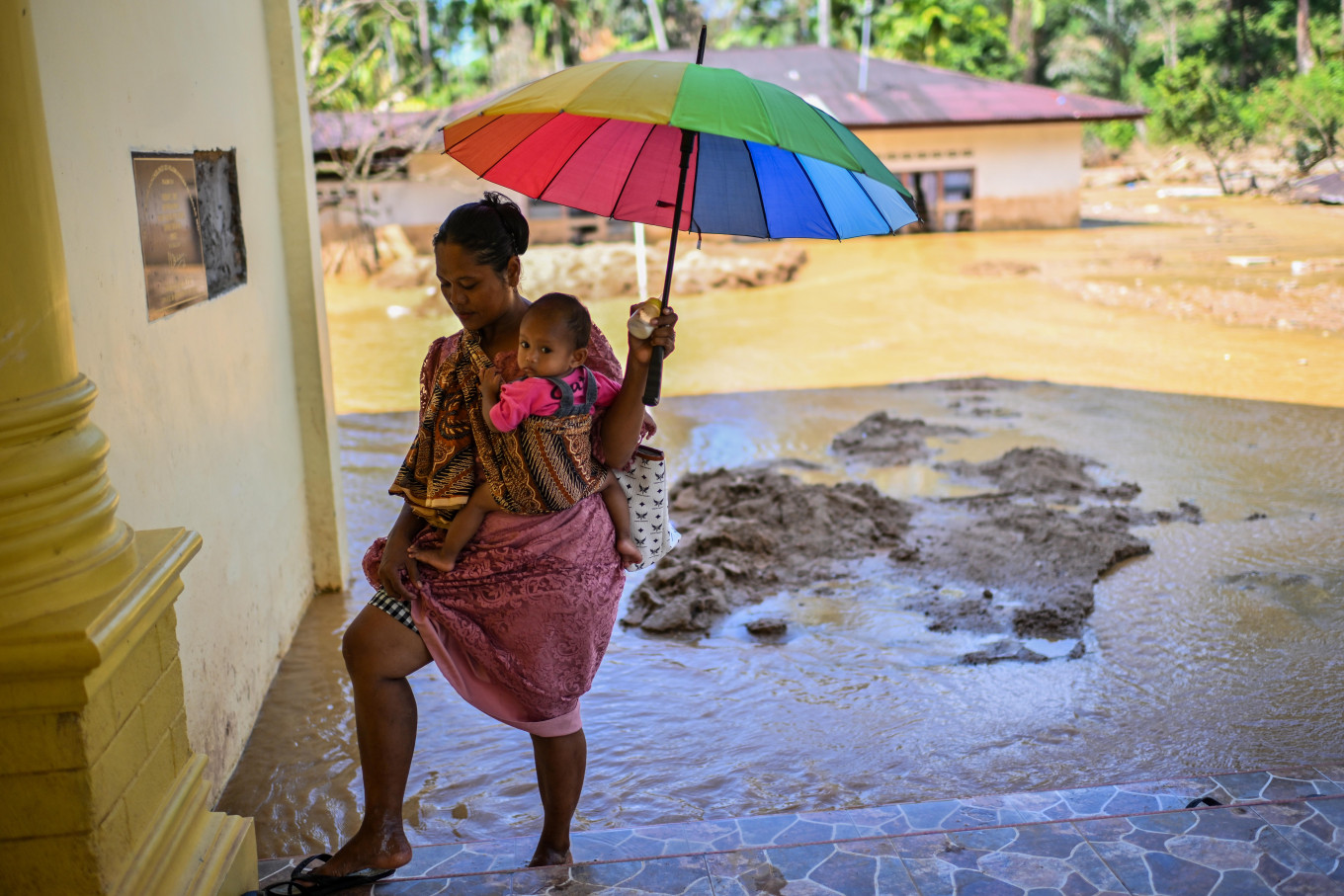
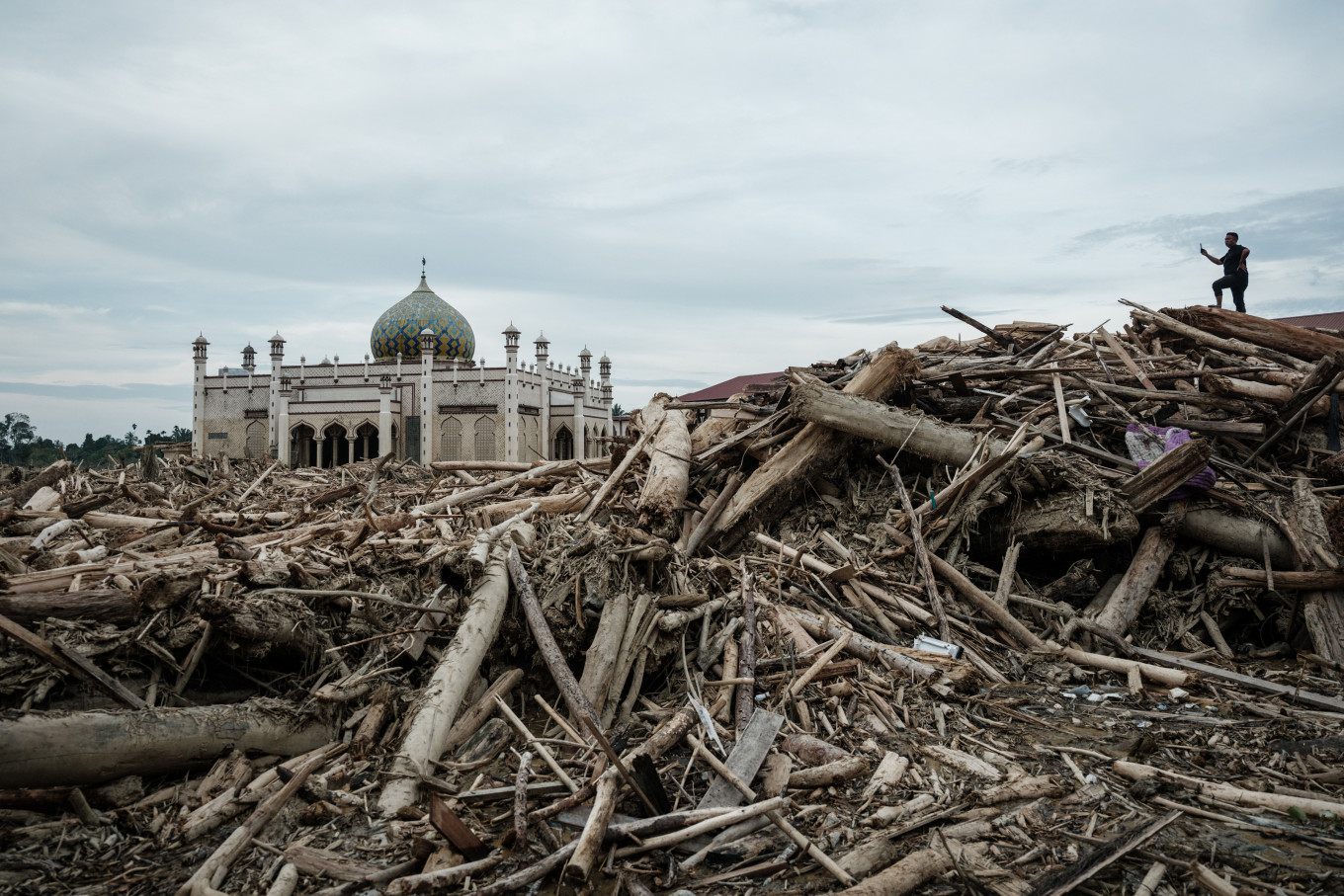
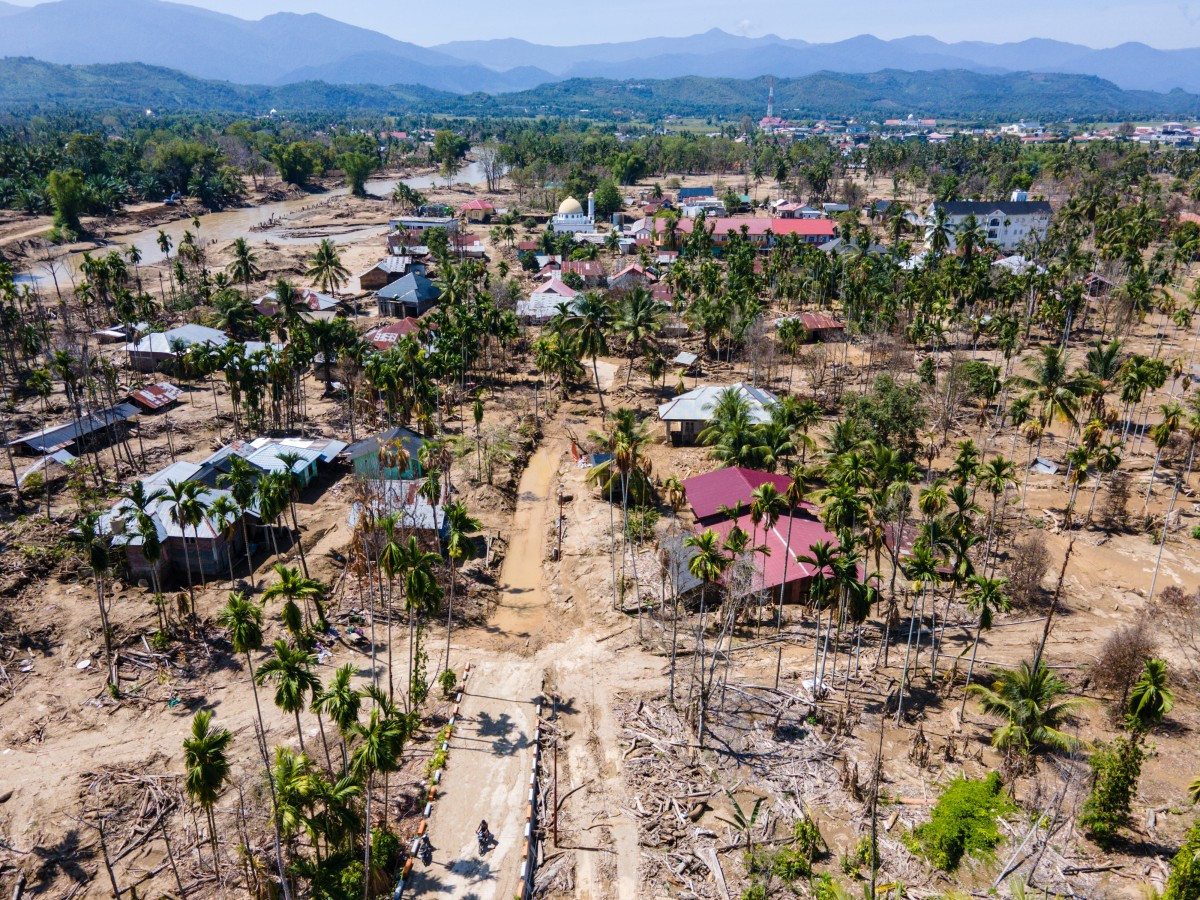
An aerial view shows flood damage to a residential area in Meurah Dua, Pidie Jaya regency, Aceh, on Feb. 22, 2026, after devastating cyclone-induced floods and landslides struck northern Sumatra in November 2025. (AFP/Chaideer Mahyuddin)
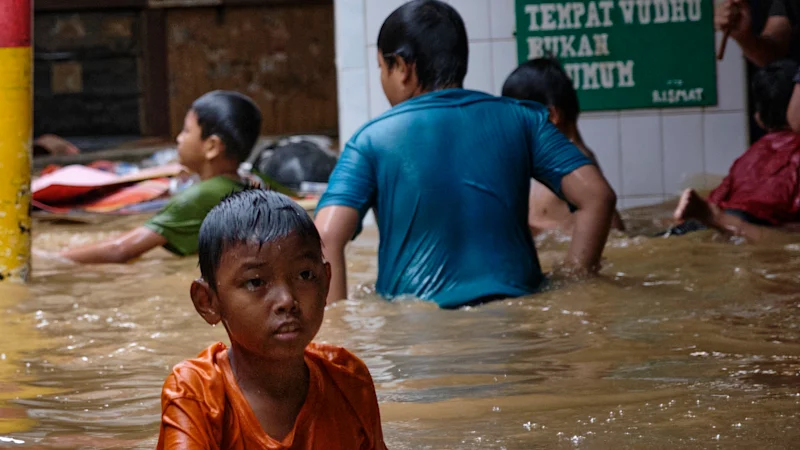
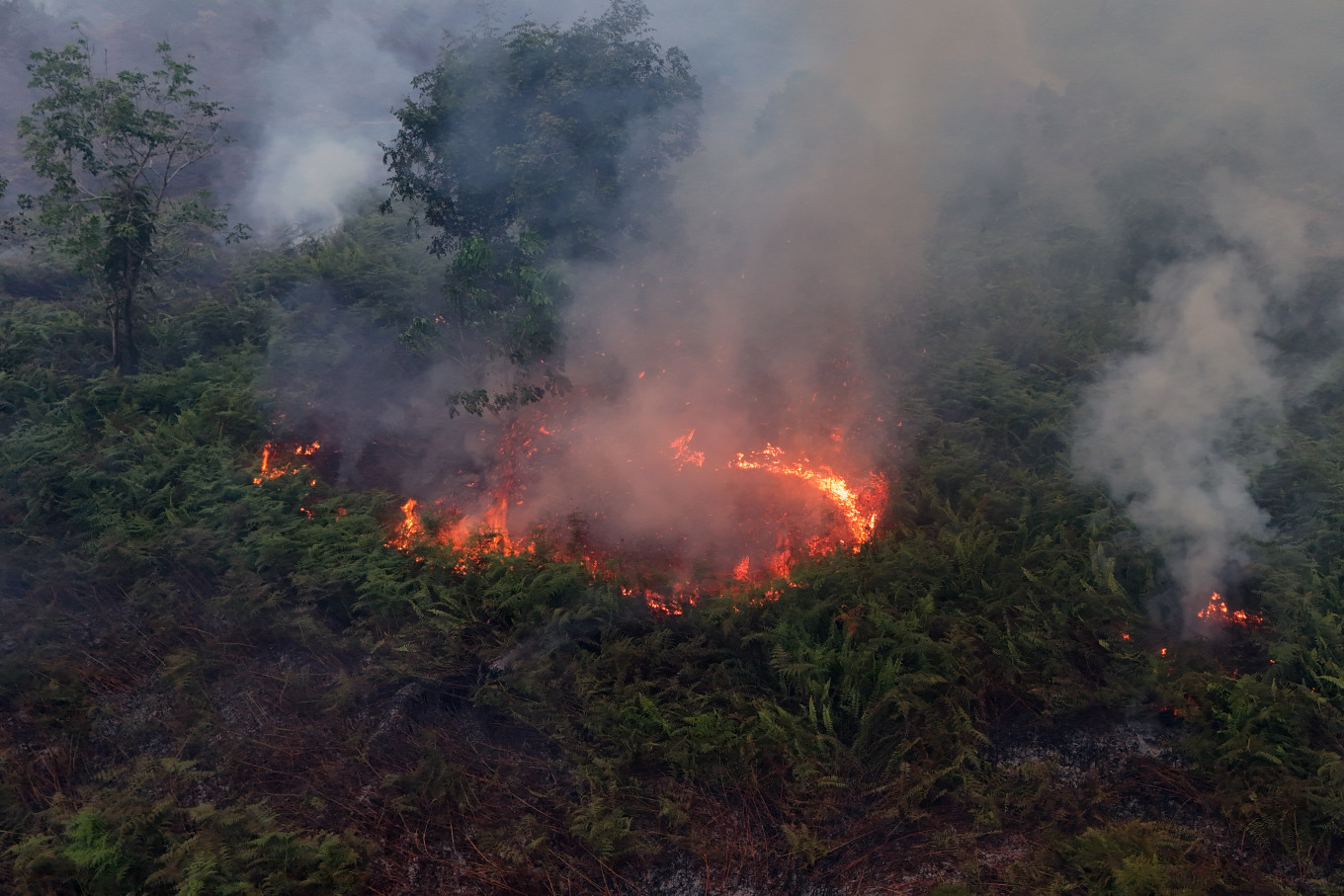
Indonesia has long understood that disasters are not only sudden events. They are shaped by where people live, how cities grow, how ecosystems are managed and how prepared institutions and communities are before hazards strike. But climate change is altering the scale and complexity of those risks.The scale is already visible. In 2025, the National Disaster Mitigation Agency (BNPB) recorded 4,727 disaster events, with more than 12.1 million people affected and displaced, alongside 1,666 deaths and 214 people missing. Reducing these risks is therefore not only essential to protecting communities, but also to strengthening Indonesia’s long-term development, resilience and disaster management agenda. This aligns with Asta Cita, the National Long Term Development Plan (RPJPN) 2025–2045 vision for social, cultural and ecological resilience and the Sustainable Development Goals (SDGs) on resilient communities and climate action.