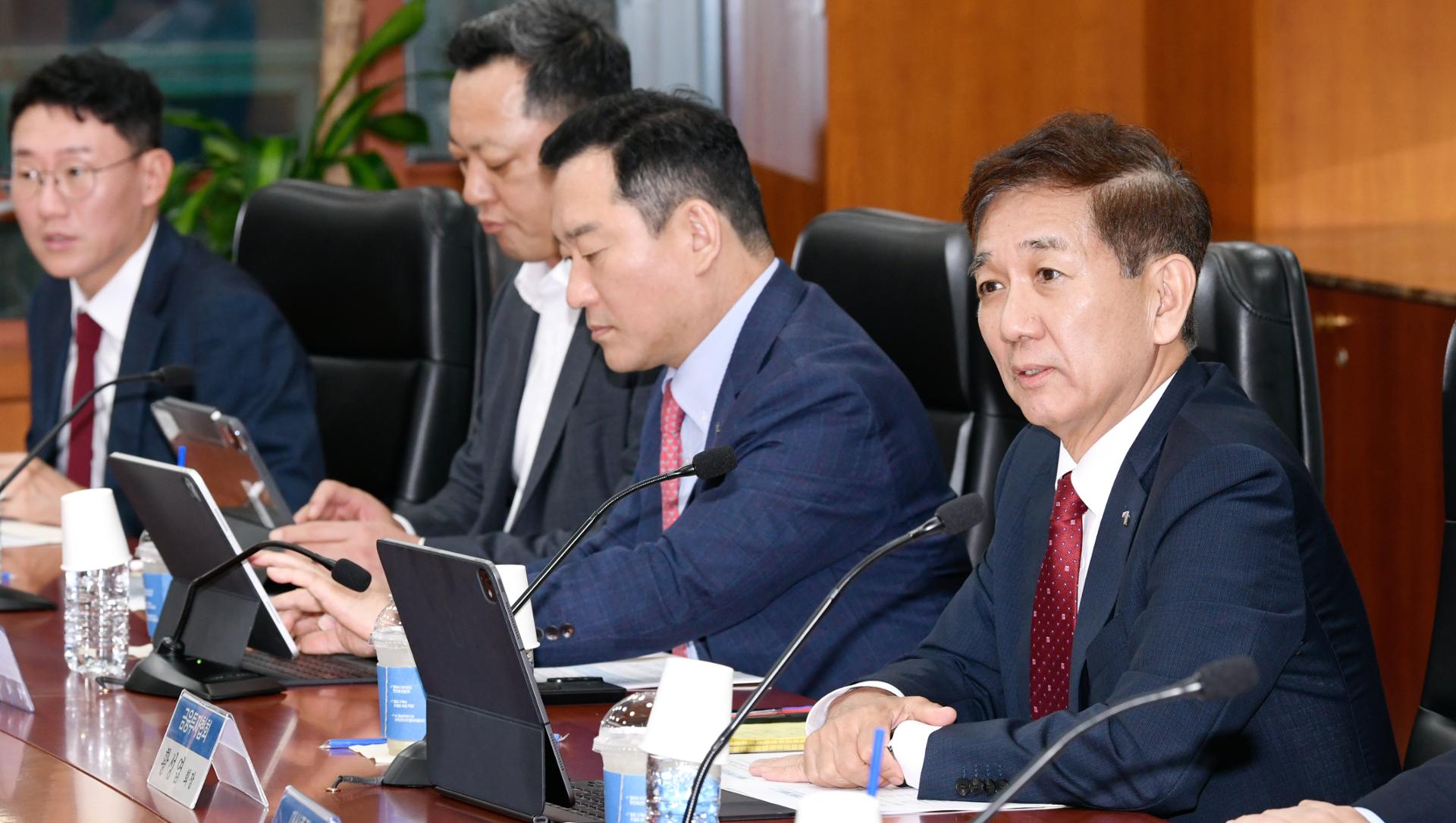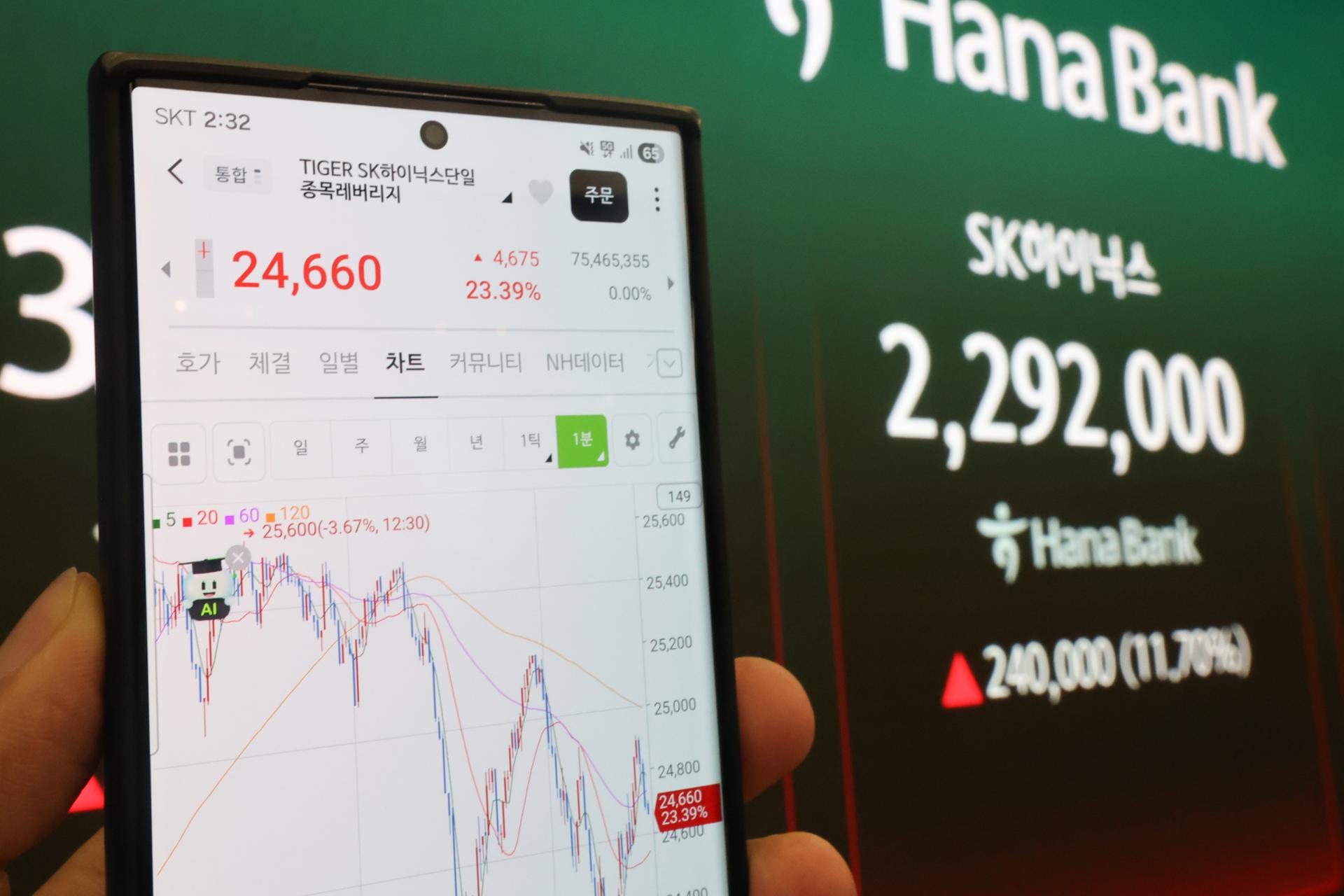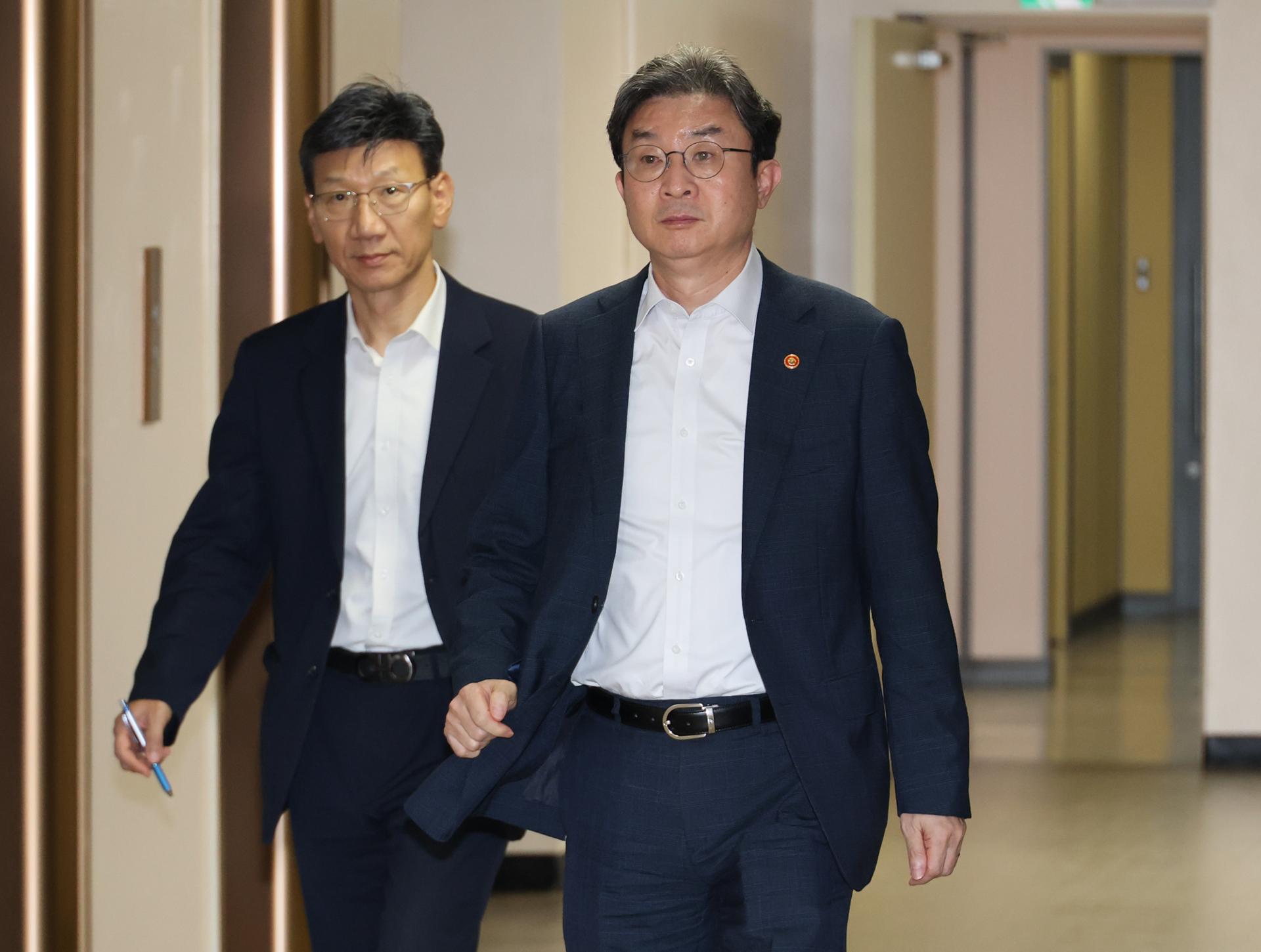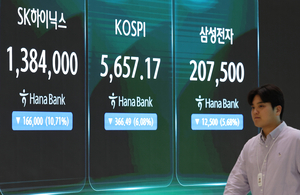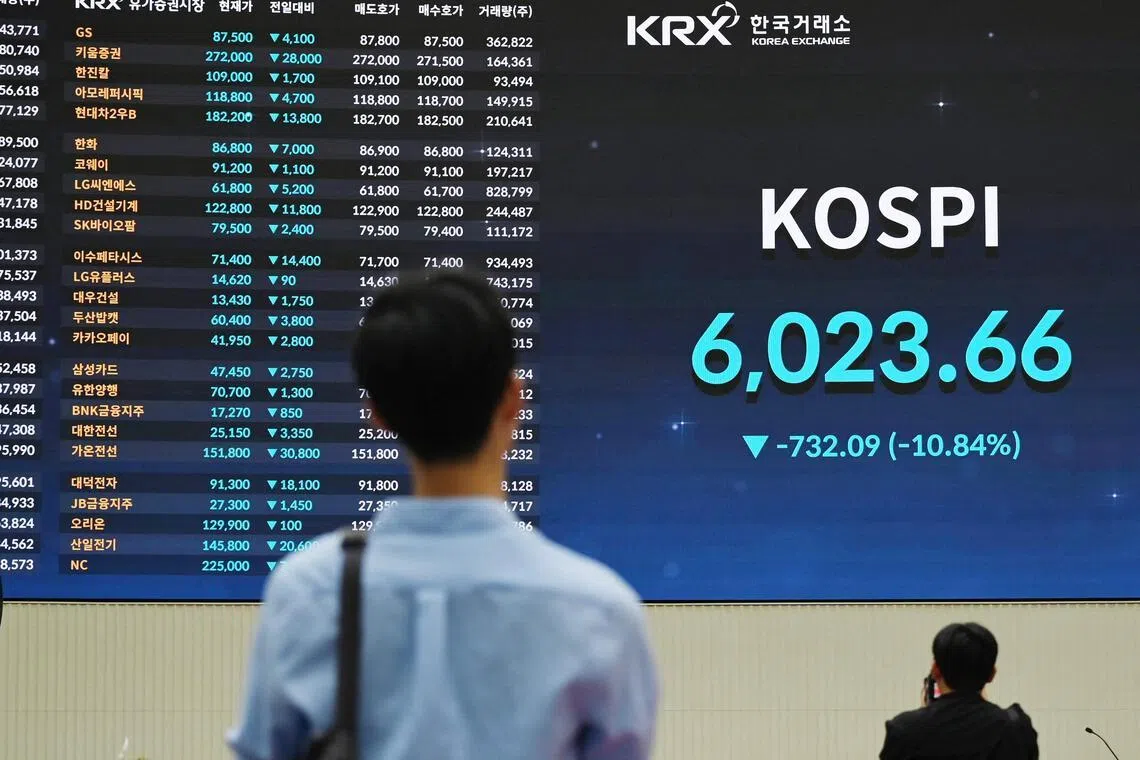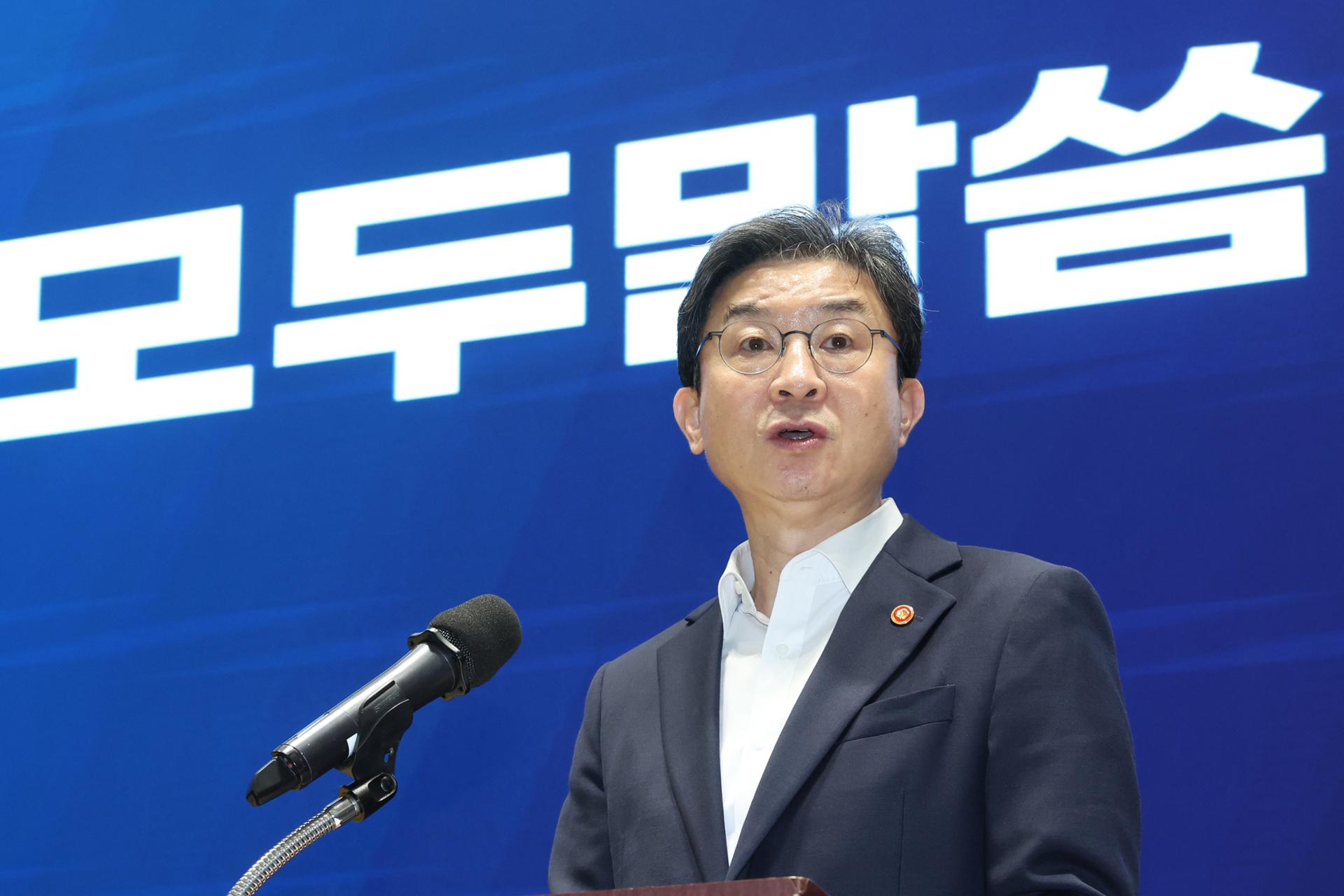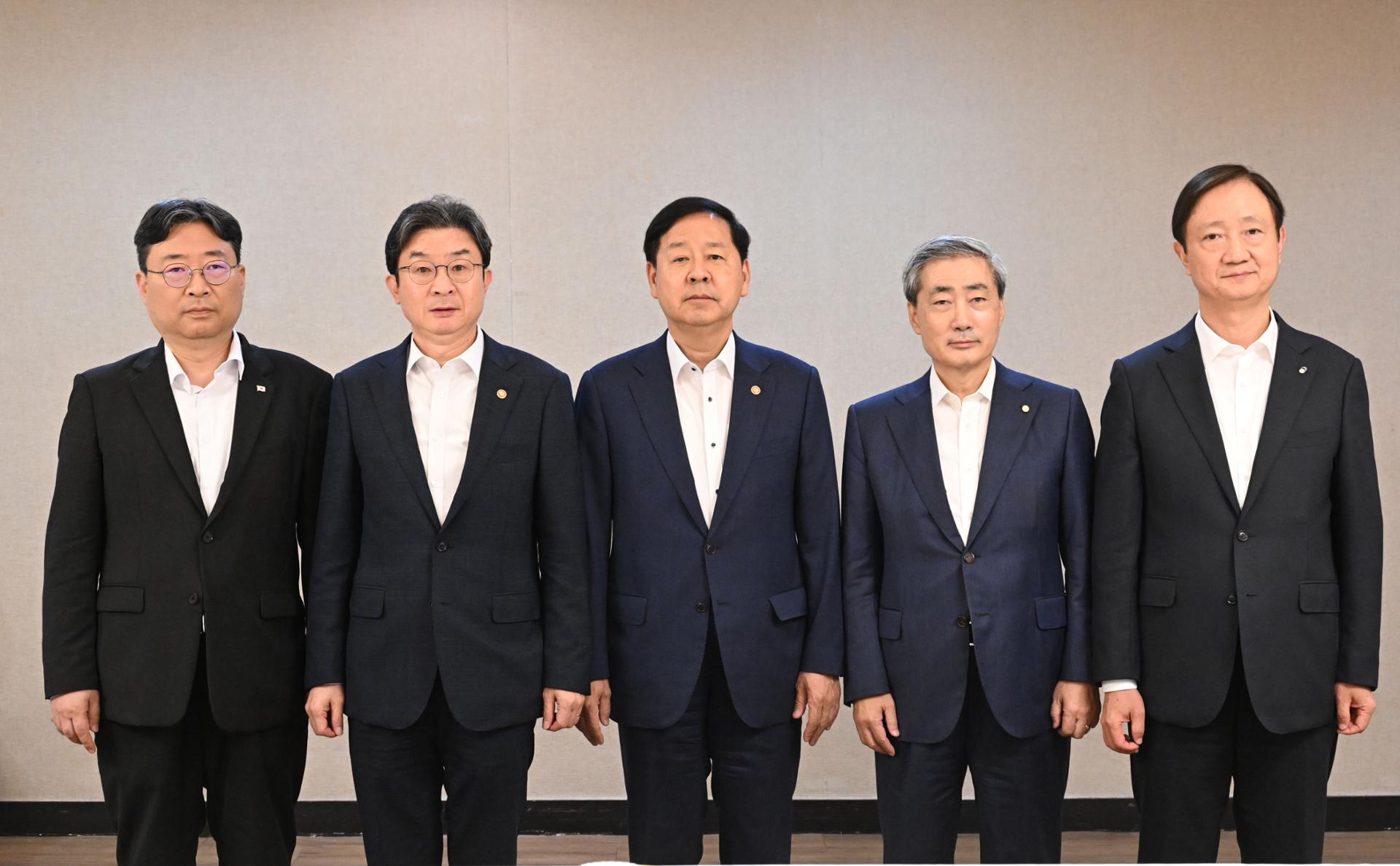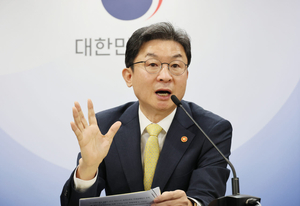
Financial Services Commission Chairman Lee Eog-weon (Yonhap) Financial Services Commission Chairman Lee Eog-weon on Tuesday urged asset managers to distribute single-stock leveraged ETF rebalancing throughout the trading day, seeking to curb sharp price swings caused by heavy orders near the close.“More active efforts are needed to stabilize the market,” Lee said at a meeting with investment industry officials in Seoul.Fund managers currently conduct much of their rebalancing between 3:20 p.m. and 3:30 p.m. to deliver twice the daily return of underlying shares such as Samsung Electronics and SK hynix.When a stock rises, the funds must buy more; when it falls, they must sell. Concentrating those trades near the close can accelerate rallies and deepen declines.“There is concern that rebalancing concentrated immediately before the close amplifies market volatility,” Lee said. “The timing needs to be dispersed.”Moving trades earlier could increase tracking errors by creating a wider gap between the ETF’s return and that of its underlying stock. Lee argued, however, that reducing closing-price swings and anticipated trading by other investors could improve fund stability and lower operational risks.He also pointed to excessive turnover caused by the involvement of more than 20 liquidity providers in some products, increased trading among them and expanded arbitrage activity.The request comes ahead of tighter investment rules taking effect Friday. The minimum deposit for trading single-stock leveraged products will rise from 10 million won ($6,800) in cash and substitute securities to 30 million won in cash.Stricter requirements for asset managers to control gaps between ETF prices and underlying asset values will take effect Aug. 19.Lee said regulators would assess the measures before deciding whether to tighten the rules further. Possible steps include raising investment requirements again or imposing individual limits.One option would cap single-stock leveraged products at 20 percent of an investor’s total financial investments.Authorities could also require simulated trading, periodic education or prior investment experience, as they already do for futures, derivatives and short selling.
Korea pushes leveraged ETF trades away from market close
Financial Services Commission Chairman Lee Eog-weon on Tuesday urged asset managers to distribute single-stock leveraged ETF rebalancing throughout the trading
320 words~1 min read