Academia
While physical hardware once built successful economic zones, the future of global trade belongs to regions that power their growth with invisible financial infrastructure.
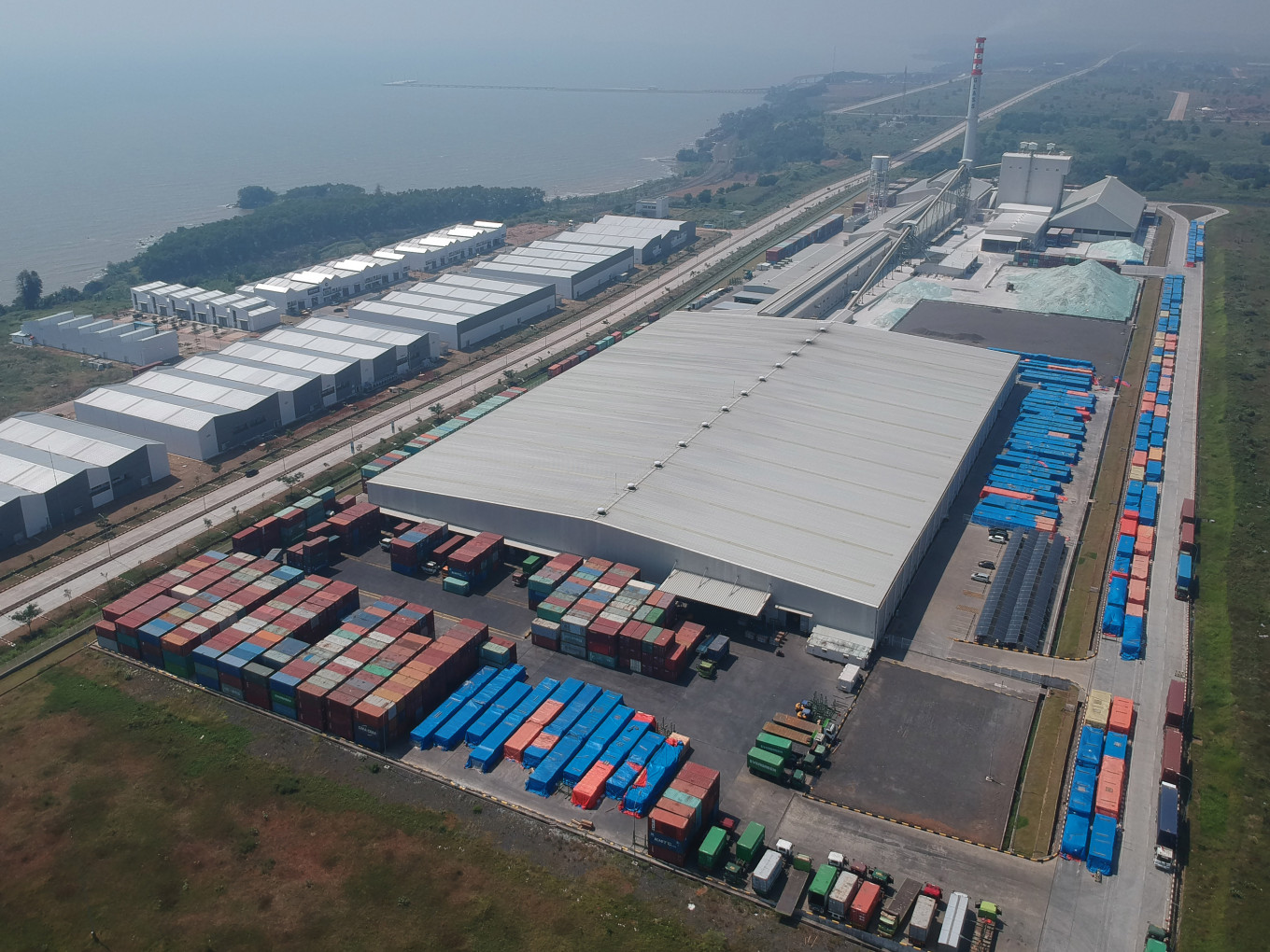
Containers are stacked on July 24, 2025, at a warehouse in the Batang Industropolis Special Economic Zone (KEK) in Batang regency, Central Java. (Antara Foto/Harviyan Perdana Putra)
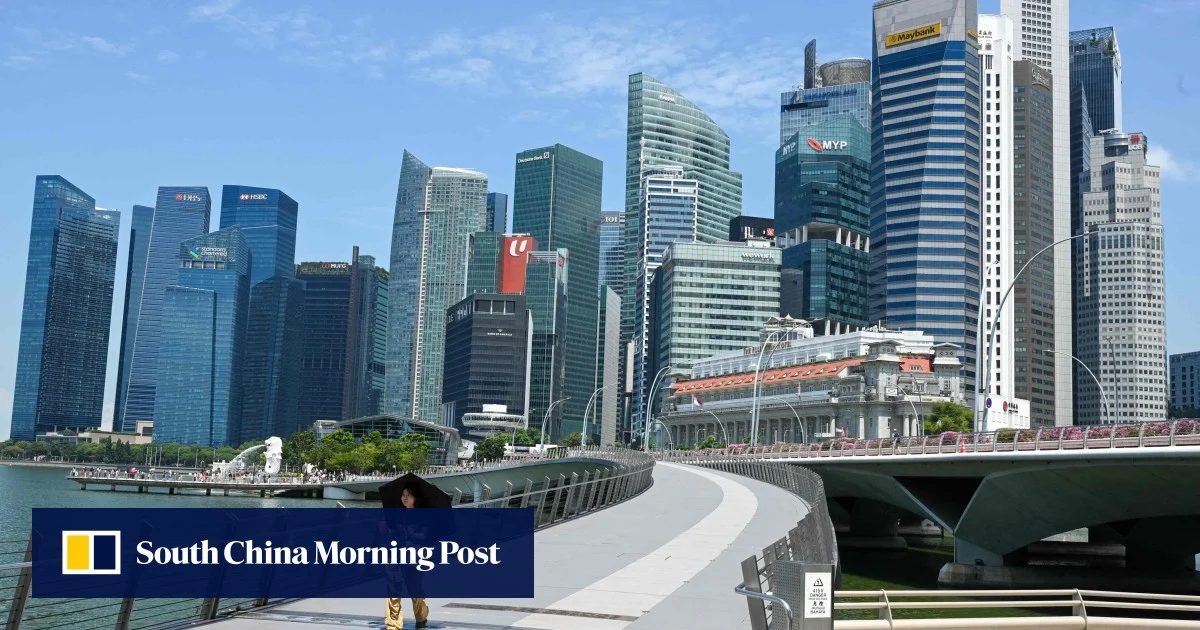
For decades, the success of special economic zones (SEZs) has been measured by a familiar formula: aggressive tax incentives, state-of-the-art industrial estates, proximity to deepwater ports and the sheer volume of foreign direct investment (FDI) attracted. This model succeeded in propelling the rise of cities like Shenzhen in China and Jurong in Singapore as well as export-oriented hubs across Asia.However, the global economy has undergone a fundamental shift. Today, nations no longer compete on manufacturing costs alone; they compete on resilience, trust, digital connectivity and ecosystem integration.
As supply chains are redesigned and geopolitical realignments reshape global trade, investors are evaluating locations not merely by their physical hardware but by the sophistication of their institutional and financial software.