In March 2026, India made its most revealing China policy adjustment since the 2020 Galwan Valley clash by partially easing the Press Note 3 regime that had required government approval for investments from land-bordering countries. Notified as Press Note 2 (2026 series) and operational since 1 May 2026, the change is not a complete reversal of India’s post-2020 blanket restrictions but marks a shift towards calibrated risk management.
The change allows investors with up to 10 per cent Chinese ownership to invest through the ‘automatic route’ within applicable sectoral caps. Proposals in capital goods, electronic components, polysilicon and ingot-wafer manufacturing are to be decided within 60 days, provided majority ownership and control stays with Indian residents.
This investment easing is one example of India’s China doctrine of asymmetric derisking. New Delhi accepts that economic ties with China cannot be severed under conditions of complex interdependence but is now deciding which forms of dependence can be tolerated, which must be reduced and which require continued scrutiny.
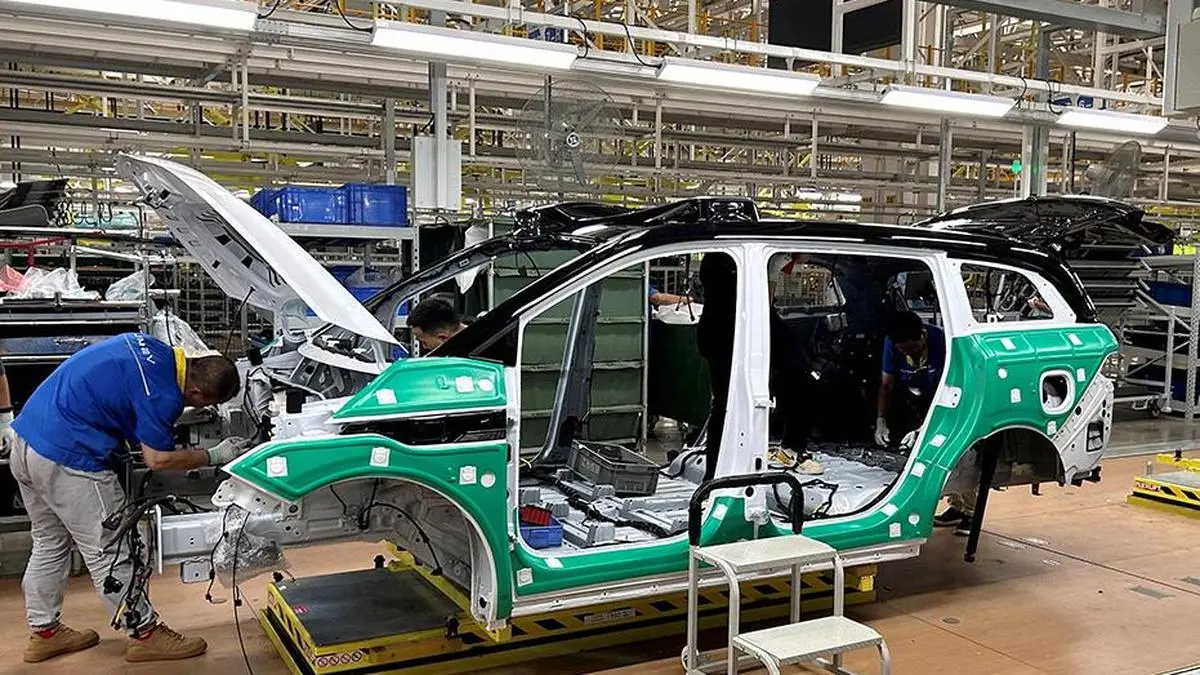
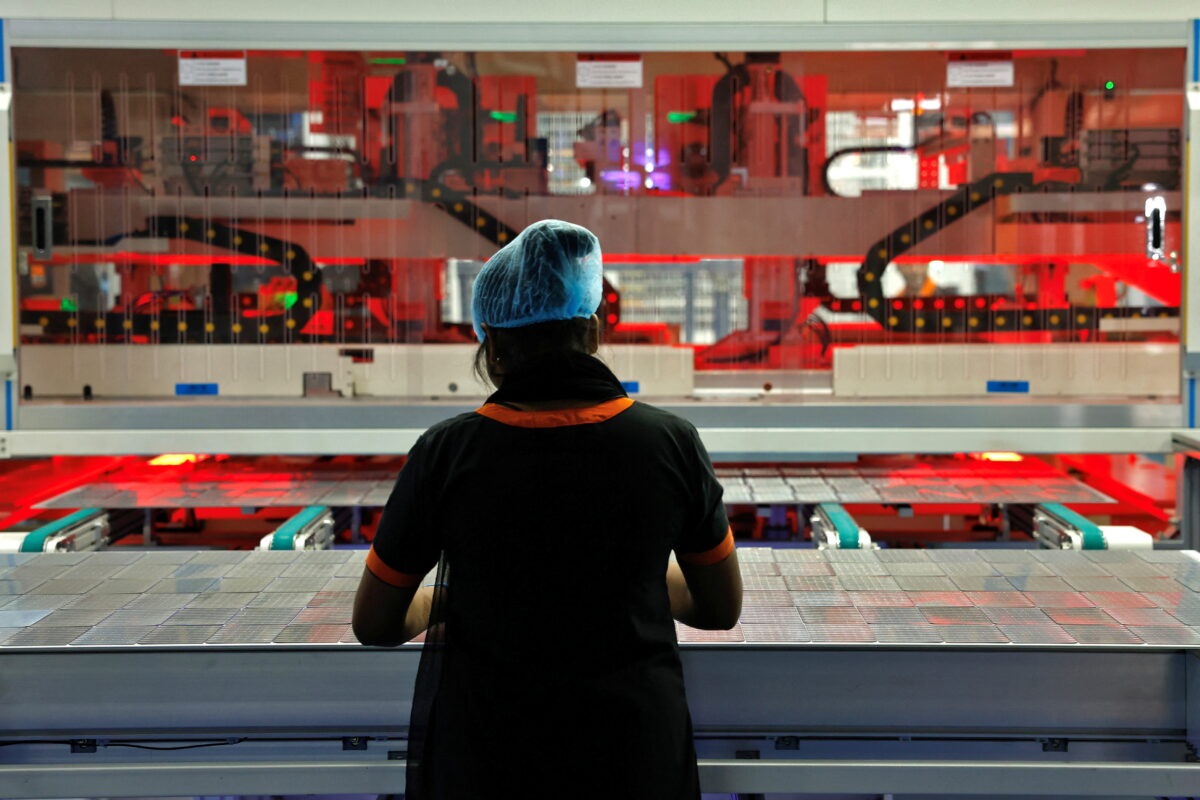
India’s trade deficit with China reached a record US$112.2 billion in the 2025–26 financial year, with imports of US$131.6 billion and exports of just US$19.5 billion. China is now India’s largest trading partner. The imbalance is concentrated in upstream inputs such as electronic components, electric batteries, solar cells, machinery, pharmaceutical intermediates and speciality chemicals, which feed into India’s manufacturing and export sectors.