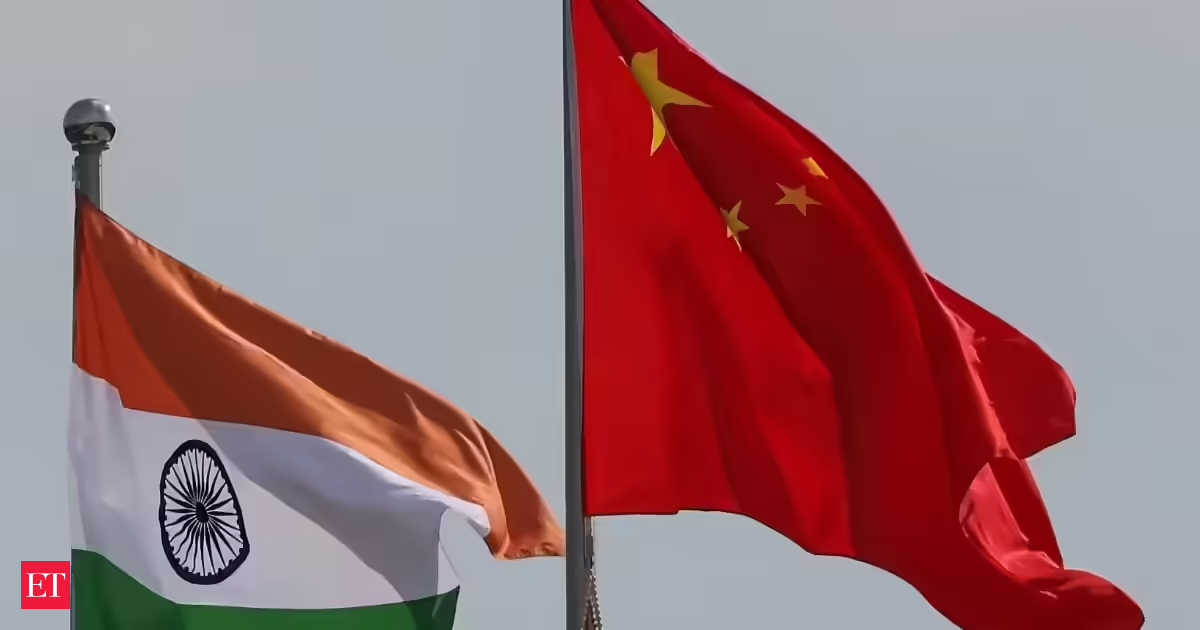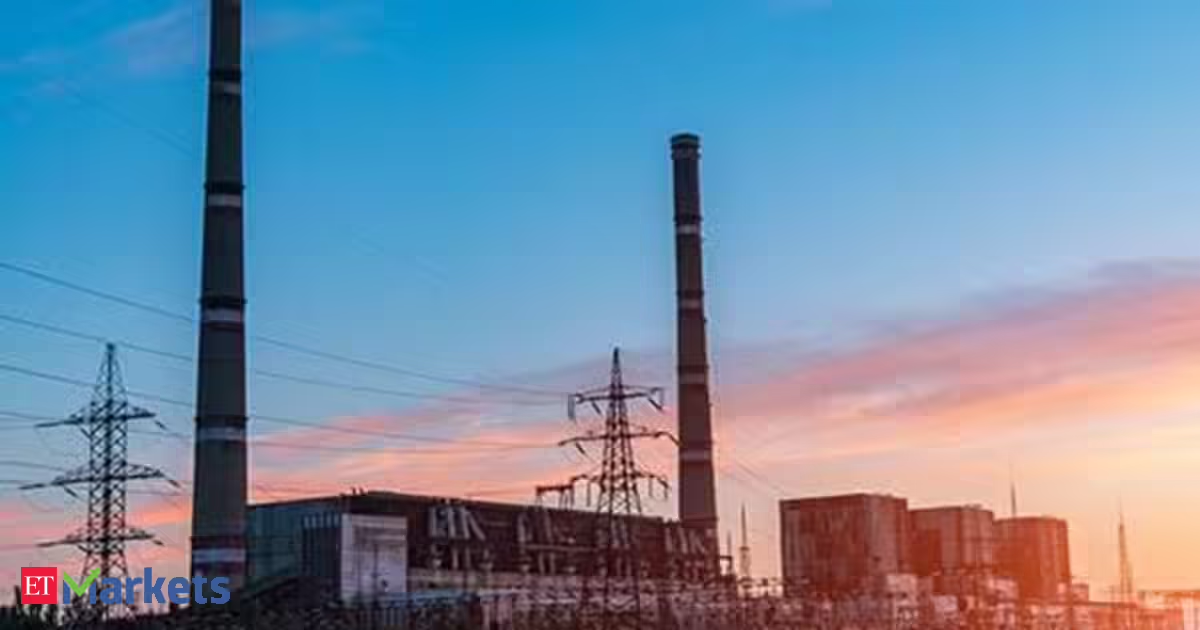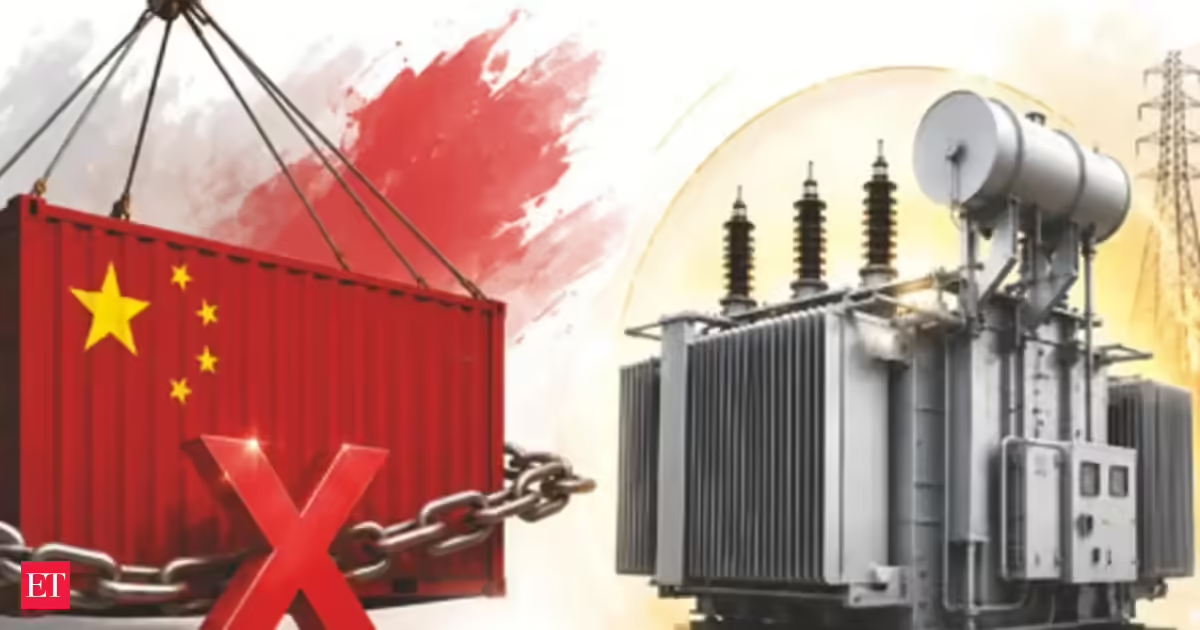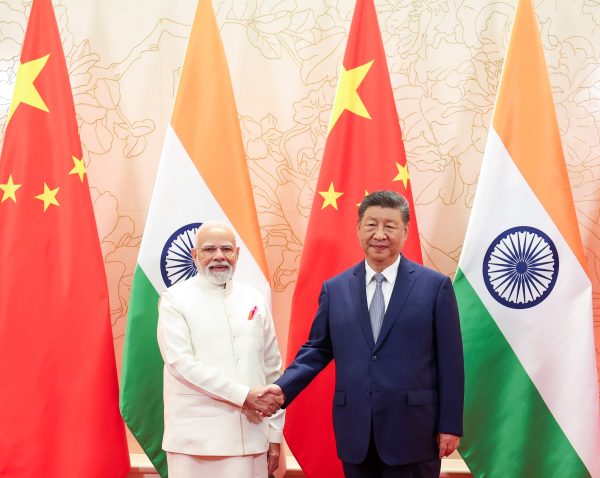
India’s decision to grant a two-year exemption to four China-linked power equipment manufacturers, allowing them to bid for critical government projects, has once again exposed an uncomfortable reality. Despite years of political tensions, calls for self-reliance, and campaigns to boycott Chinese goods, the Indian economy remains deeply dependent on China.
The move is significant because it comes after New Delhi tightened scrutiny of Chinese investments and suppliers following the Galwan clashes in 2020. Yet, when it comes to sectors crucial for India’s economic growth and energy transition, the government has been compelled to acknowledge a simple fact: there are areas where India still does not have adequate domestic alternatives.
The irony could not be starker. India and China remain strategic rivals; their border dispute remains unresolved, and bilateral relations continue to be marked by suspicion. Yet, one of the world’s fastest-growing economies depends heavily on Chinese products and components to keep its industries functioning.
Journalist Shekhar Gupta once described this situation in provocative terms, asking whether India was becoming a “Chinese colony.” The phrase was not intended literally. It was a metaphor for an economic relationship in which one country becomes so dependent on another for critical supplies that its strategic choices become constrained.