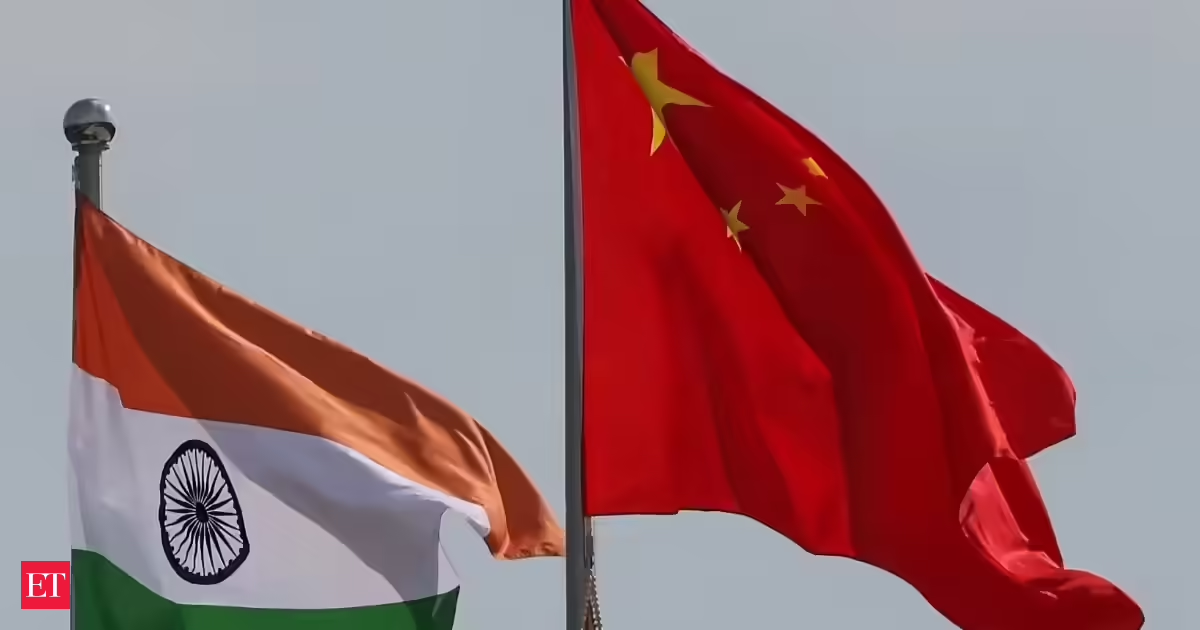
New Delhi: Leading manufacturers of air-cooled condenser (ACC) systems in India have approached the Prime Minister's Office (PMO) and key ministries, seeking a review and withdrawal of an exemption that allows companies from countries sharing a land border with India, including China, to bid for government thermal power plant contracts, people aware of the matter said.ACC systems are used in dry-cooling systems at thermal power plants and are typically sub-contracted as part of larger engineering, procurement and construction contracts.In letters to the PMO, the power ministry and the Department for Promotion of Industry and Internal Trade (DPIIT), Paharpur Cooling Towers, Enexio Power Cooling and Holtec Asia sought the PMO's intervention to review the exemption and consider a locally-made procurement framework for ACC systems.The companies argued that procurement decisions should factor in foreign exchange outgo, execution certainty and lifecycle costs, rather than focusing only on upfront bid prices. Such prices can be a distorted benchmark making India-made ACCs appear expensive, one of the persons said, adding that Indian manufacturers have also been supplying ACC to global customers.The representation follows the government's decision in March to exempt ACC systems from registration under Rule 144(xi) of the General Financial Rules, 2017, for the sourcing of 21 critical inputs by Bharat Heavy Electricals Ltd (BHEL).Rule 144(xi), framed by the Department of Expenditure, restricts participation in government procurement by companies from countries sharing a land border with India on defence and national security grounds. The ACC manufacturers said the exemption comes at a time when India's planned addition of 80 GW of thermal power capacity is expected to require nearly 100 ACC units over the coming years. Competition from Chinese suppliers, they argued, could discourage further investment and jeopardise the substantial investments already made in domestic manufacturing, one of the persons said.In a separate representation to DPIIT, the companies sought intervention under Clause 10(d) of the Public Procurement (Preference to Make in India) Order to safeguard India's strategic manufacturing capability in the ACC sector. They argued that Indian manufacturers should not be disadvantaged by procurement access being extended to suppliers from China, where Indian companies do not receive fair and reciprocal access to public procurement.Clause 10(d) allows the government to take reciprocal measures against countries that do not provide Indian companies fair and equitable access to public procurement opportunities.
Air-cooled condenser makers urge review of Chinese firms' entry into thermal power contracts
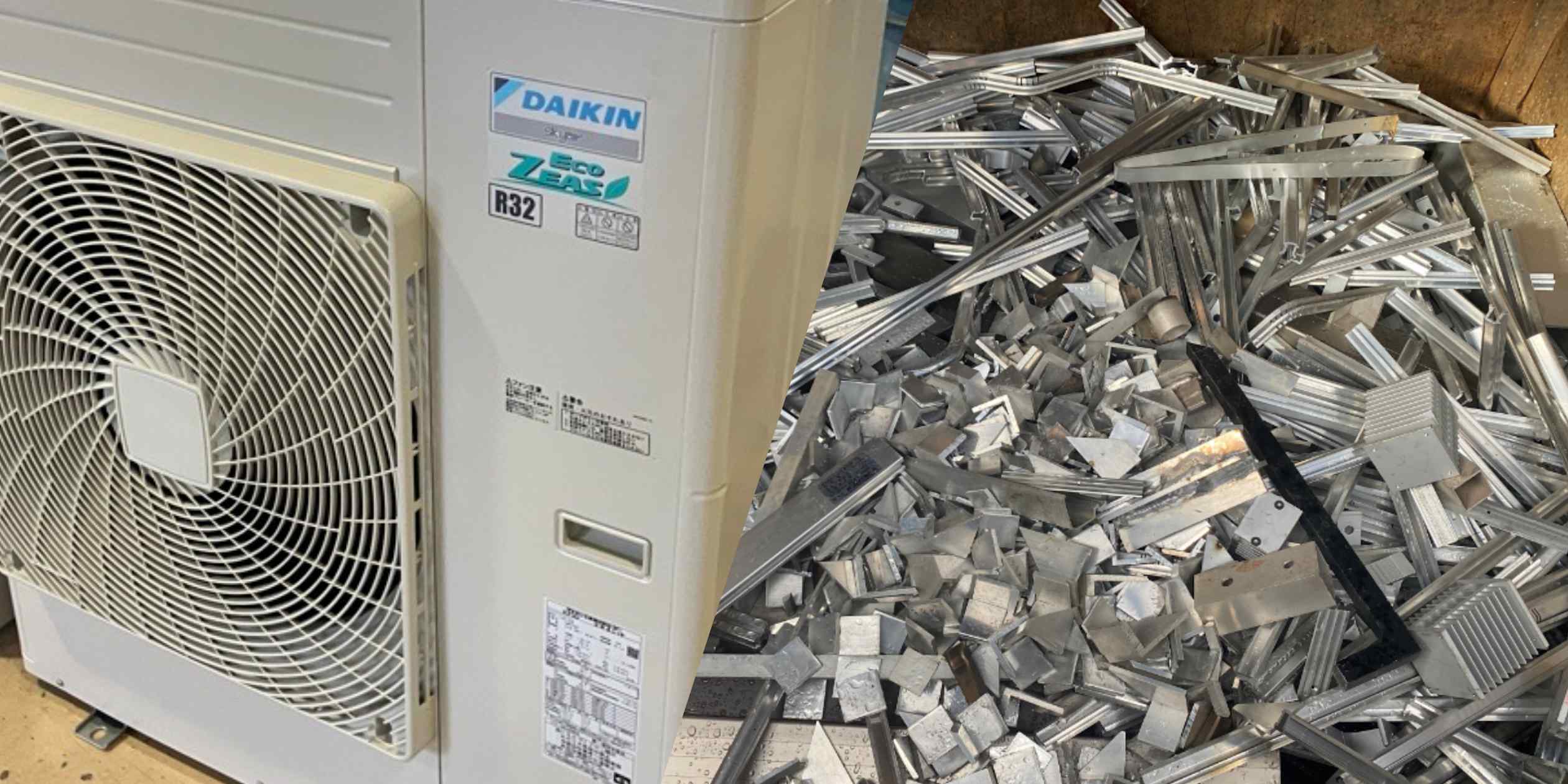
ACC systems are used in dry-cooling systems at thermal power plants and are typically sub-contracted as part of larger engineering, procurement and construction contracts.
384 words~2 min read