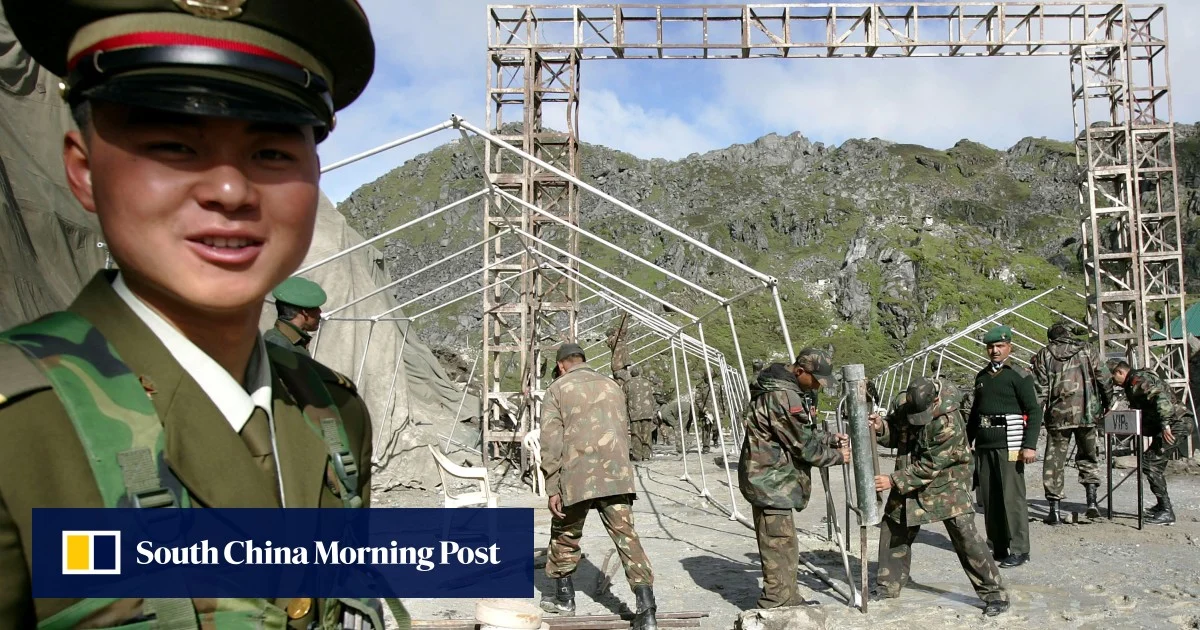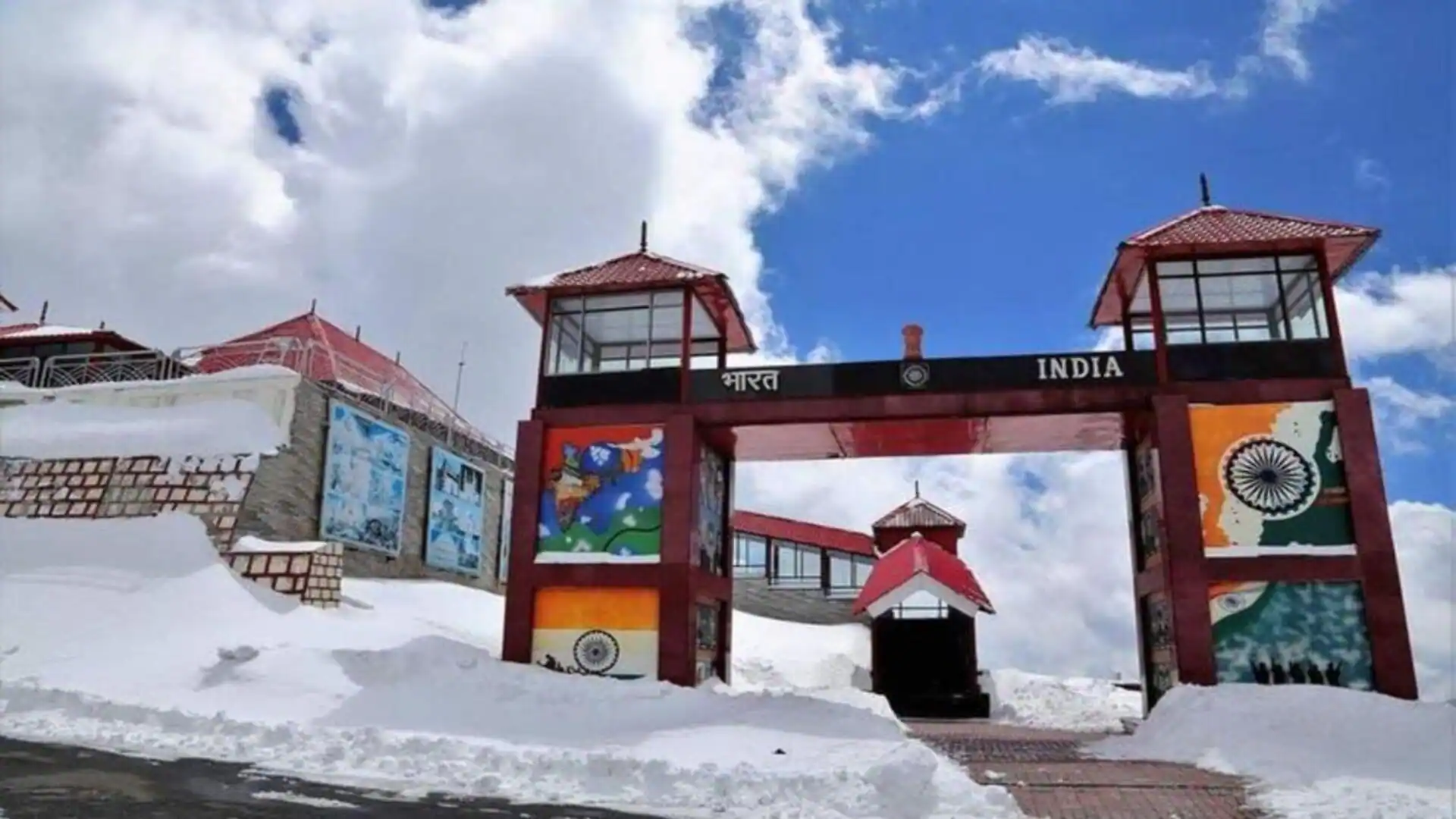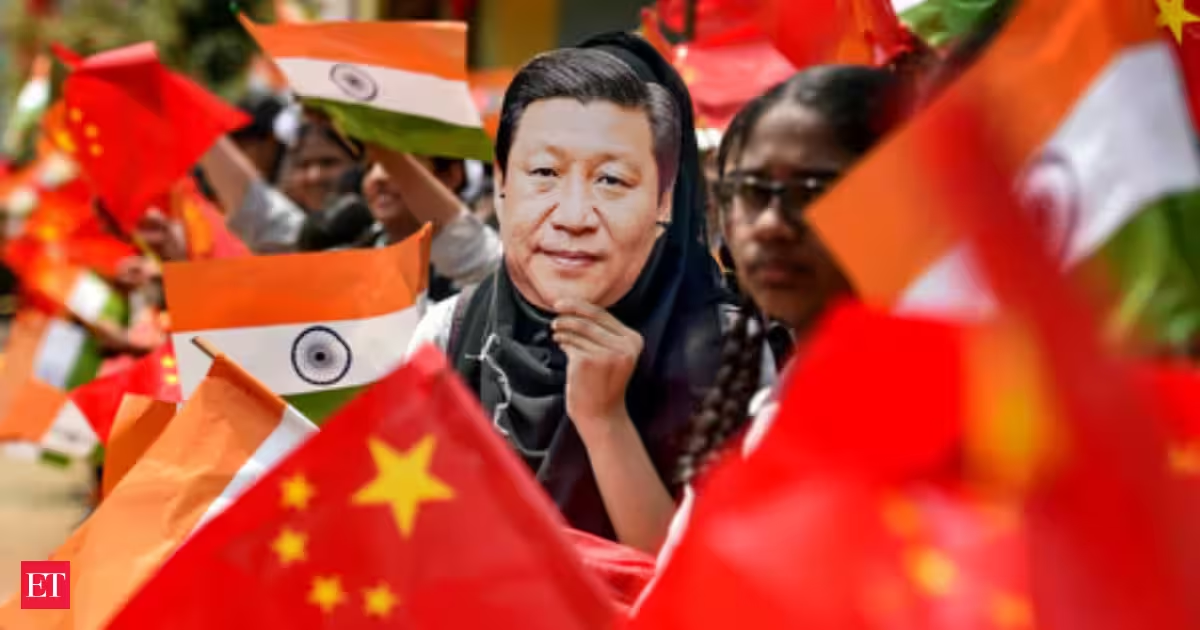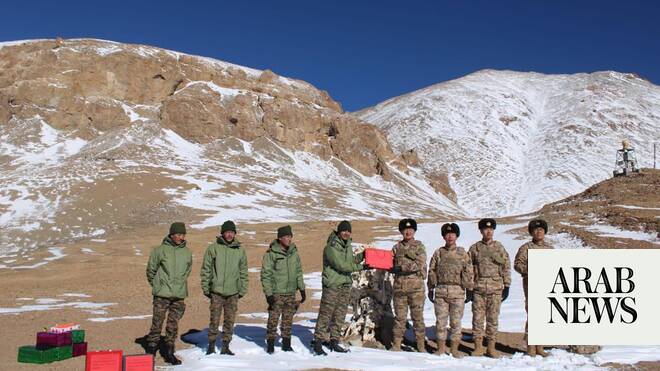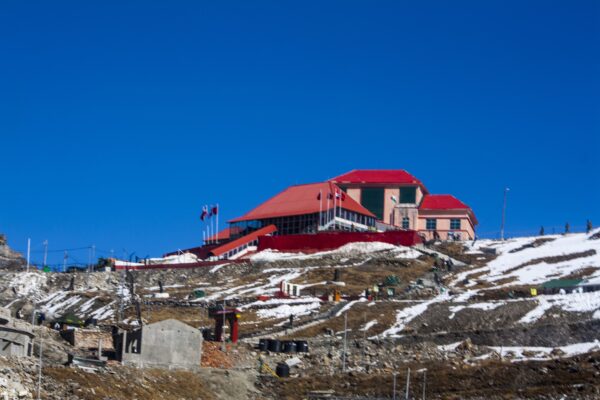
The last six years have been a testing time for China-India relations. The boundary crisis in Eastern Ladakh in 2020, along with the loss of lives in the Galwan Valley in June 2020, brought the bilateral relationship to its lowest levels in decades. Trade through Nathu La, a mountain pass through the Himalayas linking India’s Sikkim state with Tibet, also stopped in 2020.
The meeting between Indian External Affairs Minister S. Jaishankar with China’s Foreign Minister Wang Yi in Manila on July 22 focused on peace on the border and practical trade cooperation. A few days later, it was announced that the Nathu La pass would be reopened from August 1. This sequence of events is part of the cautious diplomacy that is now taking shape where serious differences will remain but some practical cooperation is slowly being restored.
For centuries, the route through the Chumbi Valley carried Indian textiles up into Tibet and Tibetan wool down into India via the Nathu La pass. Merchants and pilgrims walked in both directions, connecting the Bengal plains with Lhasa. The 1962 Sino-Indian war shut down that passage, and it remained closed for more than four decades. When it was reopened in 2006, it was the result of patient diplomacy rather than overwhelming commercial demand. Trade continued on a modest, seasonal basis until it was suspended in 2020, when bilateral relations were entering their most difficult phase in years.