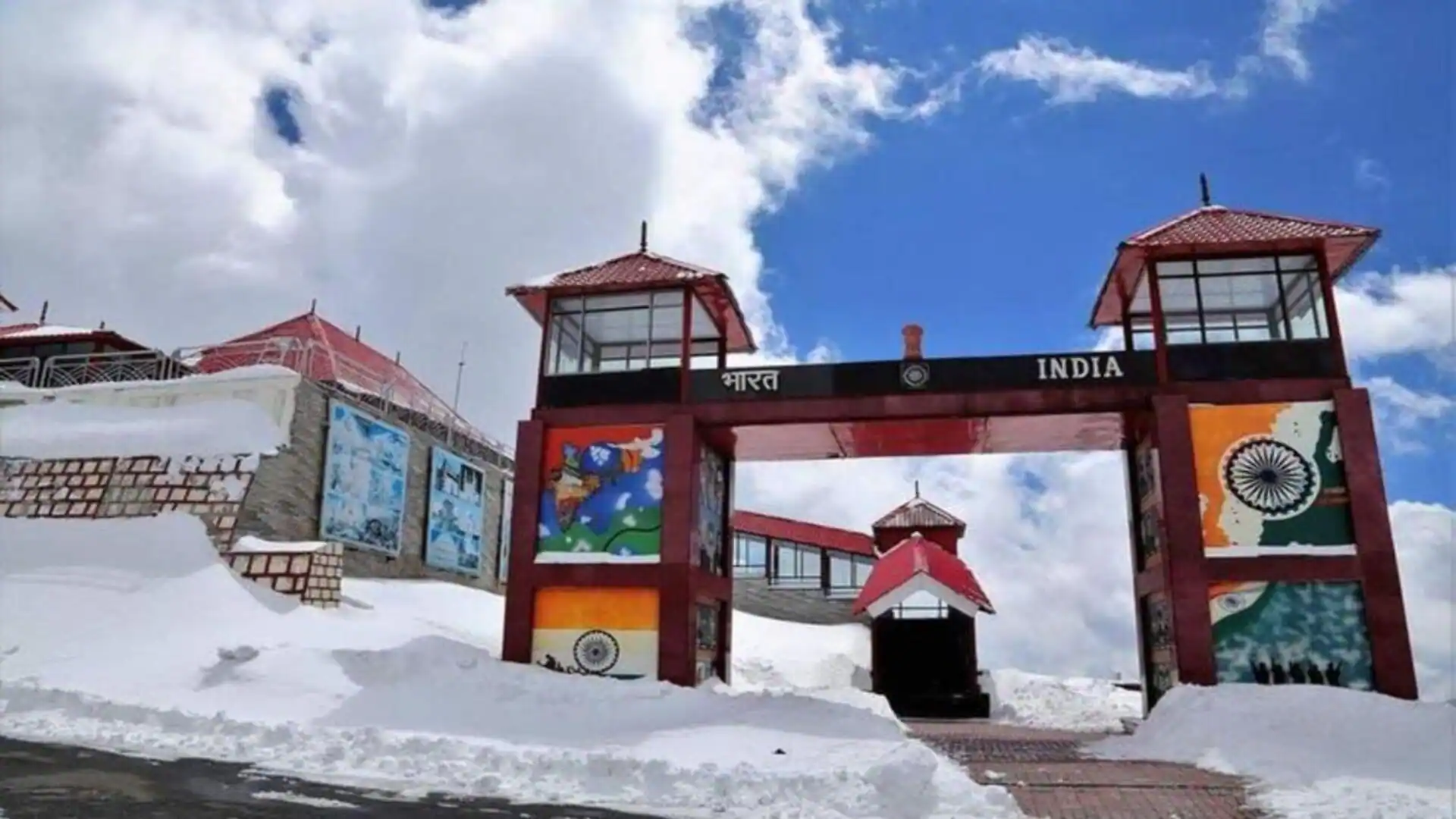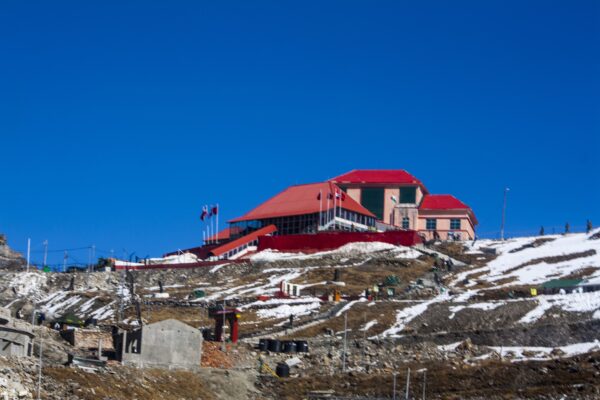
High in the eastern Himalayas, where yak caravans once carried silk and salt between empires, a border crossing closed by suspicion six years ago is stirring back to life.The Nathu La Pass, a remote border trading post connecting India’s Sikkim state with China’s Tibet region at 4,310 metres (14,140 feet) above sea level, reopened to commerce on Saturday for the first time since 2020.For the roughly 600 registered traders in Sikkim who used to depend on this ancient route, the reopening means a livelihood restored. For diplomats and analysts, it reflects a broader recalibration of ties between the two nuclear-armed neighbours.Before its closure following the onset of the pandemic and deadly Galwan Valley clashes of 2020, Nathu La Pass was a conduit for the export of rice, flour, tea, tobacco and copper products from India, with yak tails, wool, raw silk, horses, salt and butter among the goods heading in the other direction.Trade in those items was the result of an agreement signed in 2006 that reopened Nathu La for the first time since the 1962 India-China war.A trader from China greets soldiers and media after crossing over to the Indian side of Nathu La Pass, in the northeastern Indian state of Sikkim, in July 2006. Photo: APBut a field study last year by Himalayan researcher Sangay Lachenpa of Shiv Nadar University’s Centre of Excellence for Himalayan Studies found that many of the items listed in that agreement were no longer traded in any real quantities.
India and China revive Himalayan trade at high-altitude pass
Six years after Nathu La’s closure and the deadly Galwan border clashes, its reopening throws local traders a lifeline.
246 words~1 min read