MDASH stuffed with MAI-Cyber-1-Flash and a side of GPT-5.4
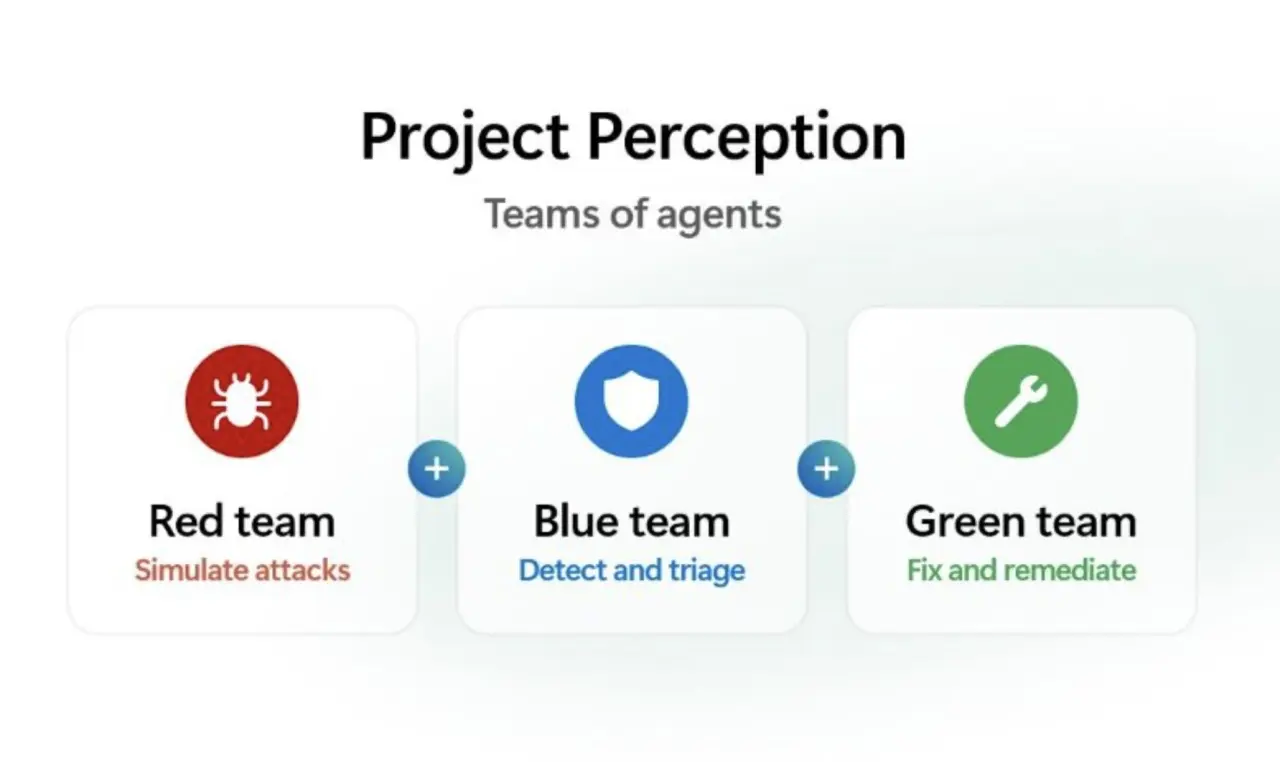
AI agents can break through security, but they are also the solution to defending against an increasingly dangerous ecosystem of threats. On Monday, Microsoft announced a new security model that it says helped outperform several rival AI systems on a vulnerability benchmark while cutting costs by about half. Unsurprisingly, at Redmond’s security event on Monday, execs touted the tech giant’s AI security prowess and introduced a new agentic security system called Project Perception, and also unveiled its first security-specialized model, MAI-Cyber-1-Flash, designed for software vulnerability analysis.Microsoft packed MAI-Cyber-1-Flash, based on Microsoft AI (MAI)’s internally developed MAI-Thinking-1 reasoning model, inside its MDASH bug-hunting harness. Its execs claim the duo - with a GPT-5.4 boost - outperforms Anthropic’s bug-hunting machine Mythos and OpenAI’s powerful standalone models, and costs about half the price of other leading commercial models.
CyberGym’s benchmarking found that MAI-Cyber-1-Flash, combined with GPT-5.4, both stuffed inside the MDASH harness, achieved a 95.95 percent success rate. For comparison, OpenAI’s GPT-5.5 Cyber scored 85.6 percent and its GPT-5.6 Sol scored 83.6 percent, while Anthropic’s Mythos 5 successfully handled real-world vulnerabilities 83.8 percent of the time. Google’s Gemini 3.5 Flash Cyber in CodeMender achieved an 83.2 percent success rate.