It feels as if the world is accelerating. Remarkable artificial-intelligence models are released by the month. Medicine offers tantalising breakthroughs in everything from cancer to the common cold. And Britain, where self-driving taxis now prowl the streets in one of the first trials in Europe, is poised to reap the fruits of this revolution, so long as it remains open to the world and is quick to embrace change.
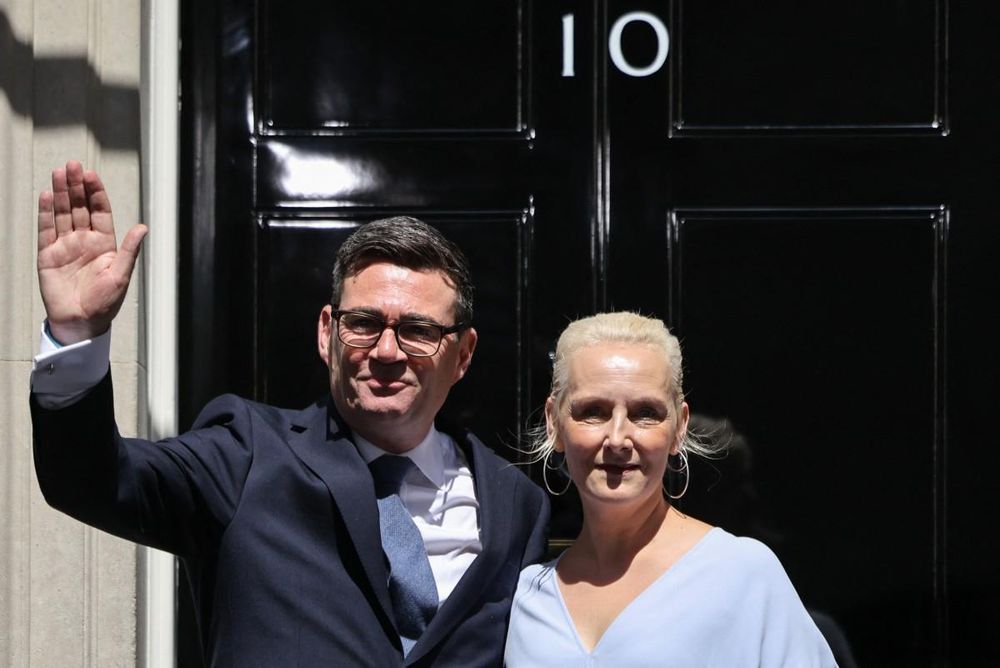
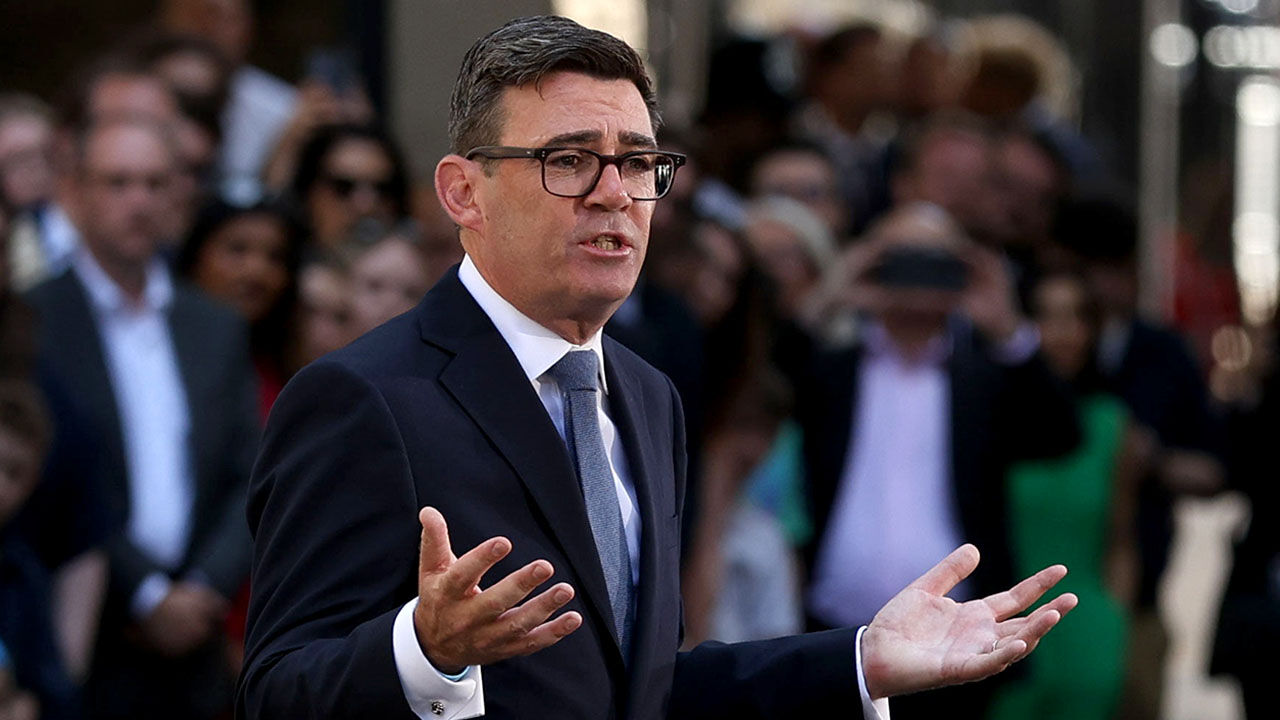
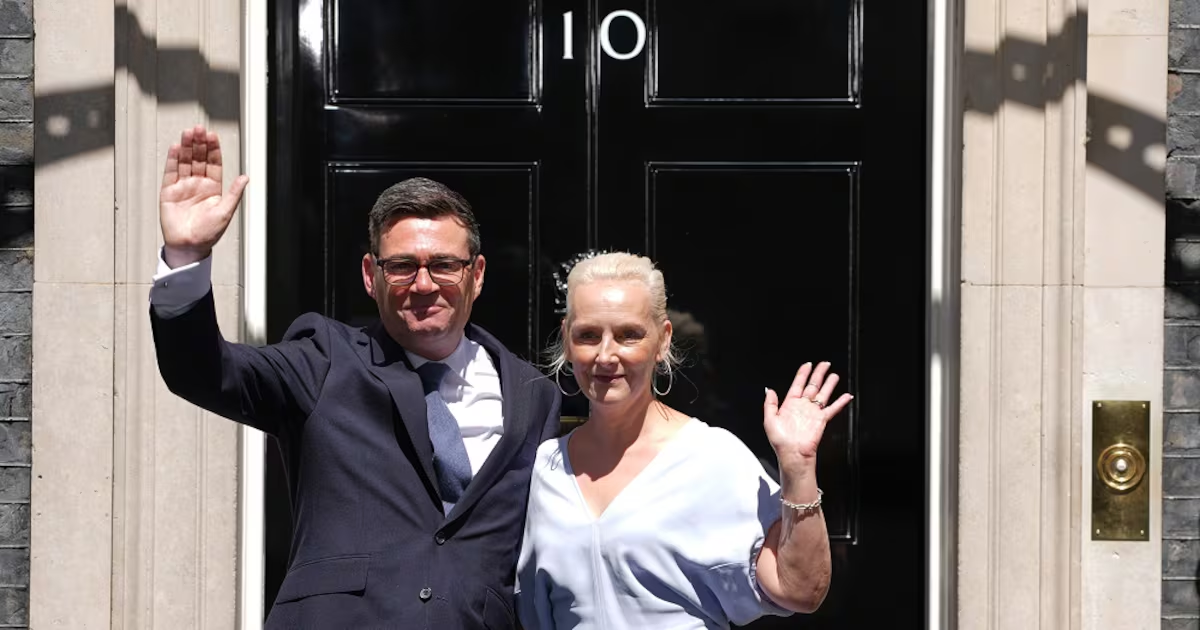
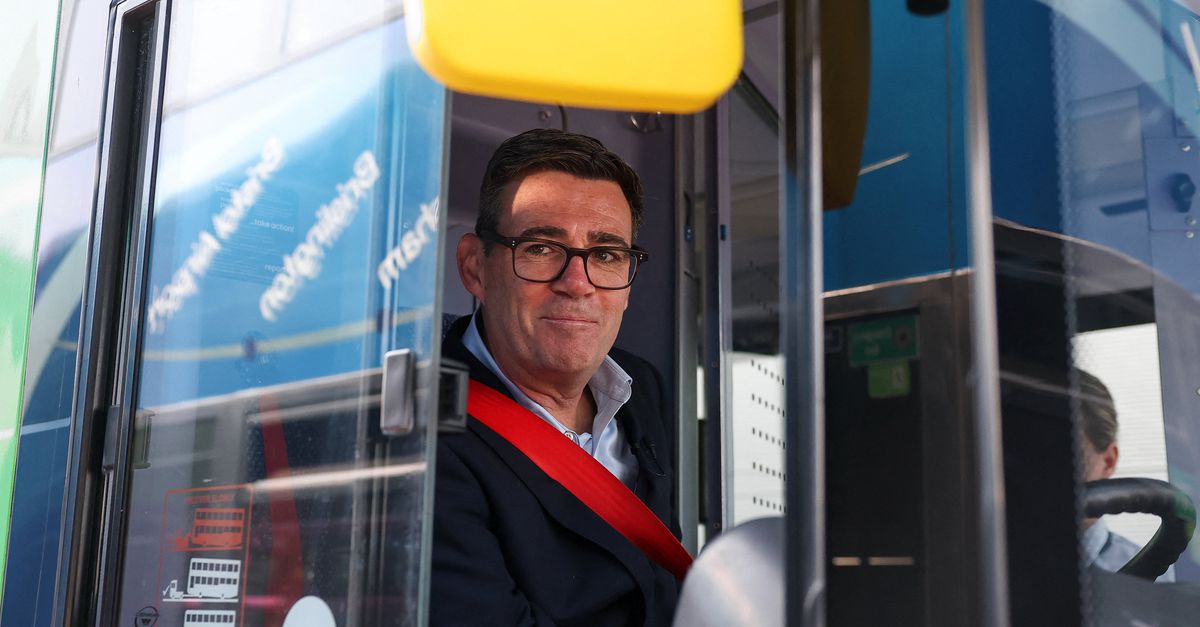
Yet Britain’s new leader wants to wind back the clock. Andy Burnham became prime minister on July 20th after winning the endorsement of 94% of Labour mps. As he spoke from Downing Street, it was clear why they are now optimistic after Sir Keir Starmer’s inert era. The new man was folksy, and brimmed with the belief that he can get stuff done. But a prime minister’s first address is the moment to tell voters the truth about the hard choices that a sunnier future demands. Mr Burnham used his to hawk a soothing mix of nostalgia and giveaways.
De redactie van NRC selecteert de beste artikelen uit The Economist voor een breder perspectief op internationale politiek en economie.
In Mr Burnham’s telling, everything went wrong with Margaret Thatcher and „four decades of neoliberalism”. He bemoans privatisation and laments the disappearance of steelworks and textile mills. He promises to „reindustrialise” the heartlands by gearing state procurement to British firms.