Splitting up responsibility for digital transformation and procurement while AI gets a seat at Cabinet risks incoherency
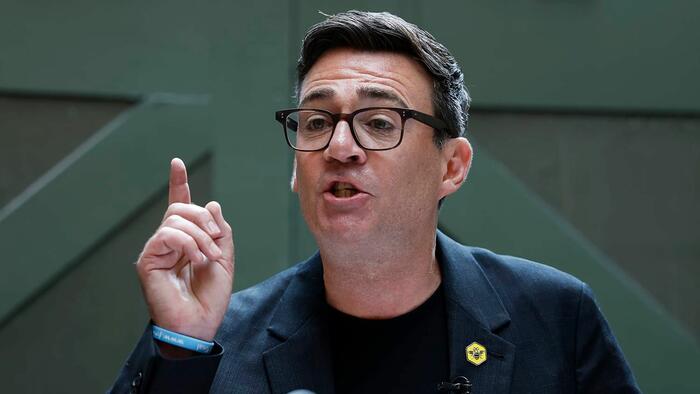
OPINION A week after becoming the UK's seventh Prime Minister in ten years, Andy Burnham has made some good headlines, but, among the promises to cap bus fares and end rough sleeping, something was missing. The post of a dedicated technology minister is gone. The last serving secretary of state, Liz Kendall, was sacked when Burnham decided the Department for Science, Innovation and Technology (DSIT) should be broken up and its responsibilities divided among the Cabinet Office, the Department for Business, Innovation, Science and Trade (BIST), and the Department for Digital, Culture, Media and Sport (DCMS).A new AI minister role was created and filled by Kanishka Narayan to work jointly with the Cabinet Office and BIST. He will attend Cabinet.
It is just the latest merry-go-round for the people charged with using technology to improve the way government works and helping to modernize the public sector's ailing legacy systems.
The Government Digital Service was created by David Cameron's Conservative government in 2011 and sat in the Cabinet Office until 2024, when Labour Prime Minister Sir Keir Starmer moved it to DSIT. Now it has its third home in little more than two years with the move to DCMS. With it will travel the Digital Commercial Centre of Excellence, which the Starmer government designed to help public sector organizations stand up to global tech giants such as Microsoft, Amazon, Oracle, and the big four consultancies. As well as saving money, it is also supposed to open opportunities for smaller UK startups in public sector contracts in a bid to boost economic growth. Taking soundings last week, Burnham's decision to tinker with the machinery of government – as Whitehall mandarins like to call it – risks creating an incoherent approach to tech management, procurement, and policy. Ian Murray is the only "digital" minister in DCMS, and he does not have a Cabinet position. Government tech is squeezed into his brief between societal problems such as digital inclusion and online harms. That isn't to argue such things are trivial – they're not – but they are very different to making government tech work. And they are likely to be far more emotive and noisier in terms of media attention. Any changes Murray tries to drive through will have to contend with Dame Antonia Romeo, who was appointed as Cabinet Secretary and Head of the Civil Service on February 19. Some people with a close knowledge of Whitehall are not rating his chances. Does it matter?We can only judge by what the government sets out to do. It was only in January that Murray promised Parliament he would "strengthen and extend our digital and data public infrastructure." He said the government would get a view of its digital estate and remove legacy technology, providing common platforms and shared direction. Easier said than done. At the same time, the Roadmap for Modern Digital Government said it would transform how "the whole of the public sector" uses technology to help citizens. In that plan, it also said there would be a role for UK tech companies through a Digital Commercial Centre of Excellence that would "get the best from our suppliers and create opportunities for the UK tech sector."