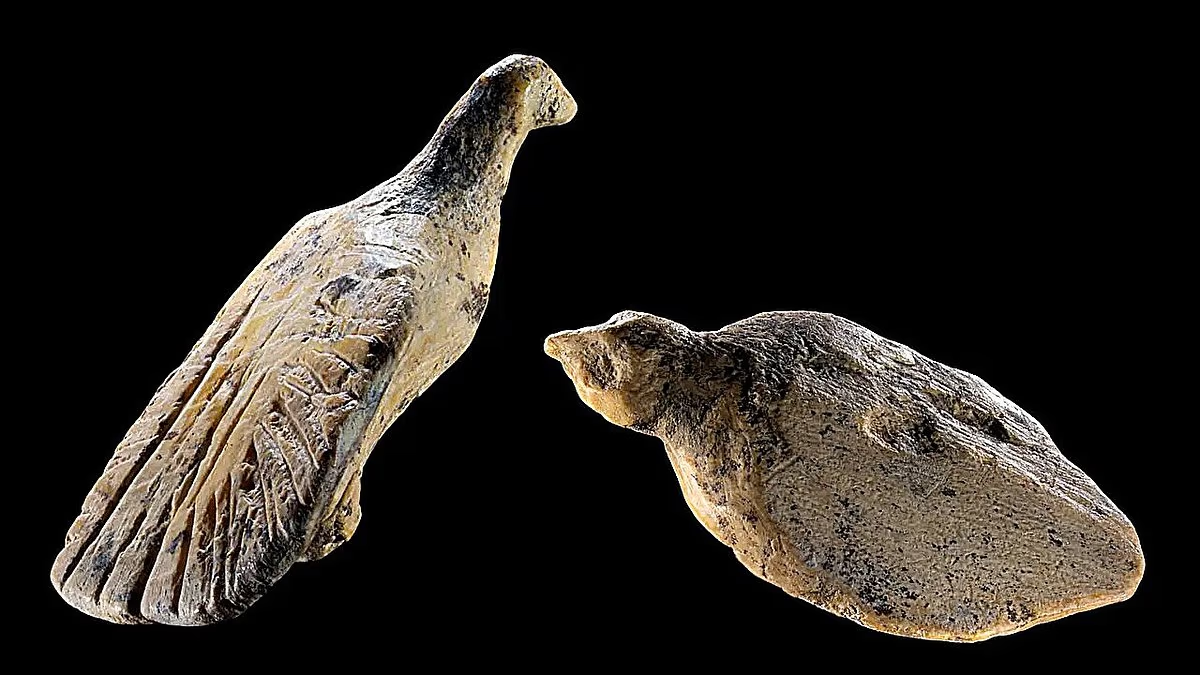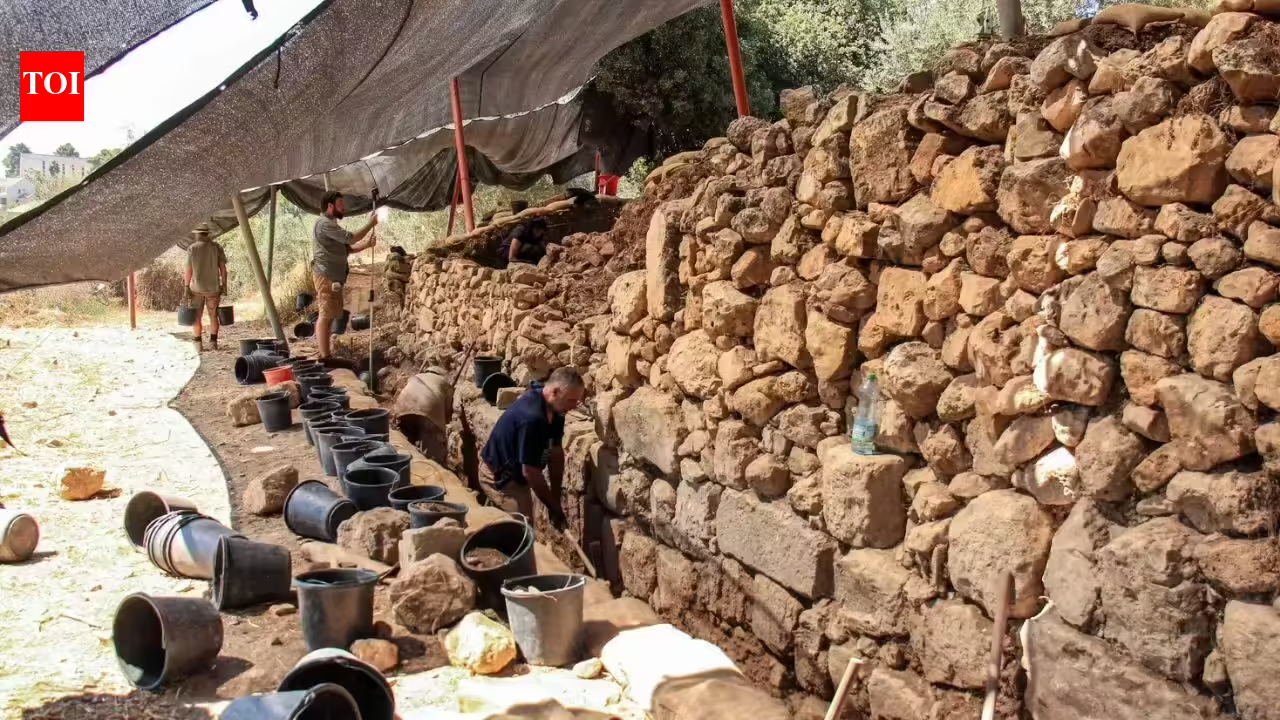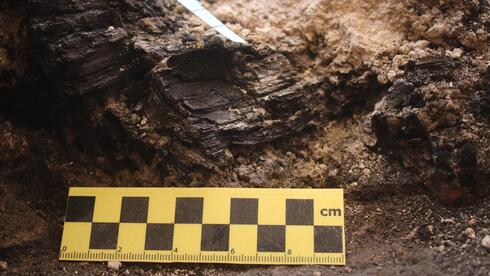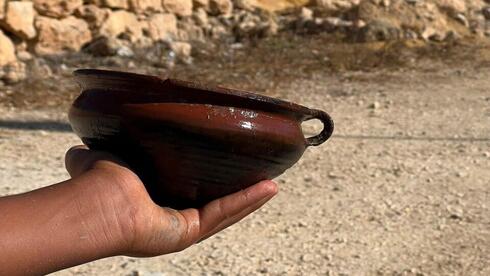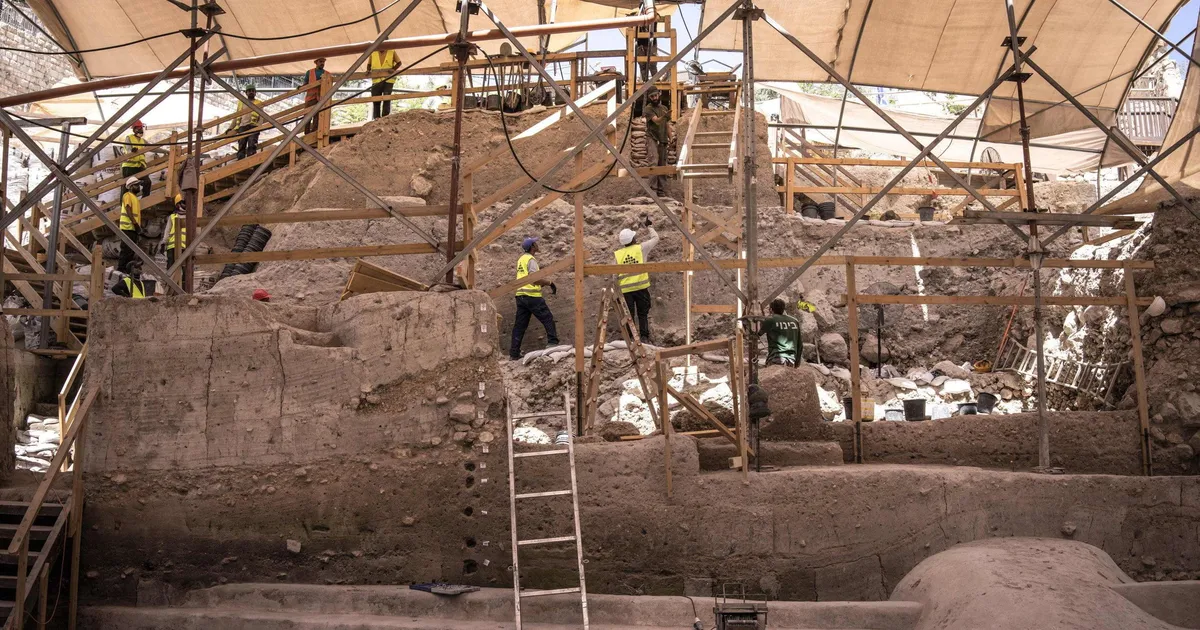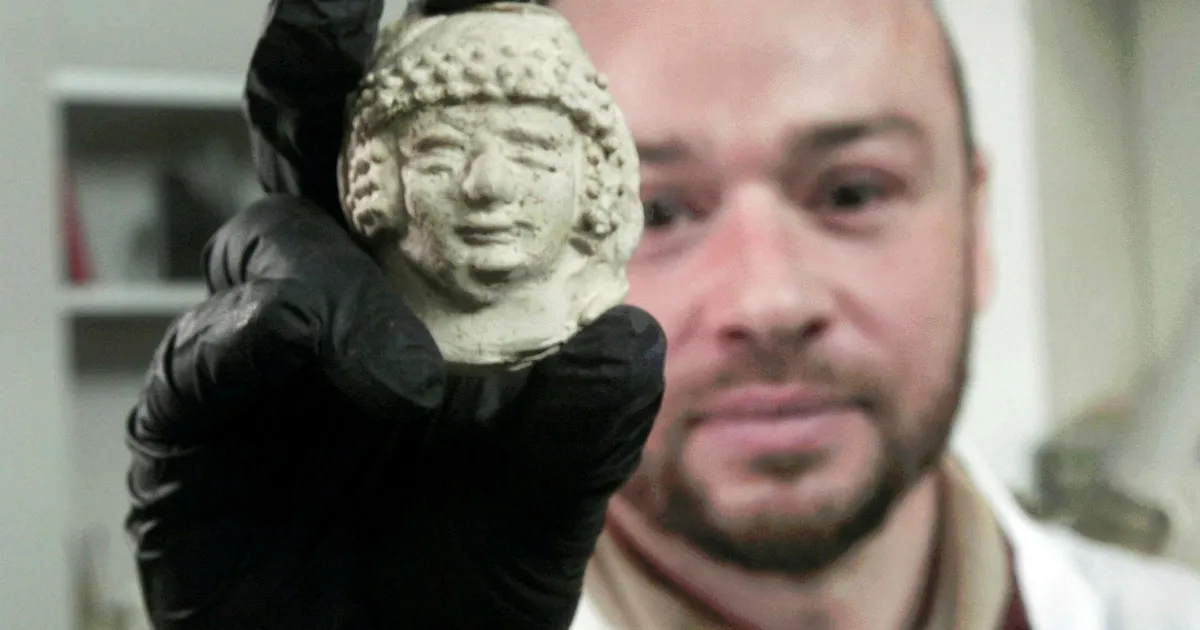
Figurines have been uncovered in almost every big dig in Jerusalem. Now a mold made of fired clay for creating a face was discovered for the first timeWhen major archaeological digs began in Jerusalem in the 1960s, researchers discovered small statues of gods that contradicted biblical perceptions of life in the city during the First Temple period over 2,500 years ago. Figurines have been found in almost every excavation in the capital, and they were probably used for worship at home, researchers say. This is an interesting find considering Judaism's warnings against idol worship.The most common figurine is of an animal, usually a horse. The second most common is of a woman, 10 to 20 centimeters (4 to 8 inches) tall, crafted out of clay. The mold for creating the face, right, and the reconstruction produced from it. Credit: Emil Aladjem/Israel Antiquities Authority The mold for creating the face, right, and the reconstruction produced from it. Credit: Emil Aladjem/Israel Antiquities Authority Figurines discovered in Jerusalem. Credit: Emil Aladjem/Israel Antiquities Authority Figurines discovered in Jerusalem. Credit: Emil Aladjem/Israel Antiquities Authority While this material was wet, a mold was pressed onto it, imprinting the woman's face. This effort often wound up breaking the figurine's neck, so the body and head are usually found separately in excavations. About 1,000 figurines with the woman's face have been uncovered in Jerusalem. In a recent dig by the Israel Antiquities Authority, such a mold made of fired clay was discovered for the first time. It's 7.5 centimeters tall and 6 centimeters wide. Researchers Tamar Gonen and Slava Klindukhov cleaned the mold and poured a plaster-like material into it. A woman's face with curly hair and a prominent nose emerged. Curator Debbie Ben-Ami identified the face in a few figurines previously found in Jerusalem. "It fits, but I need to go through the entire collection," she says. The mold was discovered in the Kishle excavations – the Ottoman prison complex at the Tower of David Jerusalem Museum. It's dated to the eighth to sixth centuries B.C.E. After casting the faces, the figurines were usually painted red, yellow and blue. In most cases, the colors haven't survived. Archaeologist Amit Re'em at the excavation site at Jerusalem's Kishle prison complex. Credit: Dor Pazuelo/Tower of David Jerusalem MuseumArchaeologist Amit Re'em at the excavation site at Jerusalem's Kishle prison complex. Credit: Dor Pazuelo/Tower of David Jerusalem MuseumArchaeologist Slava Klindukhov and the reconstruction produced from the mold. Credit: Emil Aladjem/Israel Antiquities Authority Archaeologist Slava Klindukhov and the reconstruction produced from the mold. Credit: Emil Aladjem/Israel Antiquities Authority "Clay figurines from the First Temple period are known from almost every archaeological site excavated in Jerusalem and [wider] Judea," says Amit Re'em, who ran the excavation with Ayala Zilberstein. "The fact that no molds that were used to produce these figurines had been discovered in Jerusalem until now raised the question of whether they were produced in the city or imported. "So the discovery of the production mold in Kishle is the first of its kind in Jerusalem, providing direct evidence that at least some of the figurines were produced in the city." Cleaning the mold at the labs of the Israel Antiquities Authority. Credit: Emil Aladjem/Israel Antiquities Authority Cleaning the mold at the labs of the Israel Antiquities Authority. Credit: Emil Aladjem/Israel Antiquities Authority The figurines are usually between 10 and 20 centimeters tall. Credit: Emil Aladjem/Israel Antiquities Authority The figurines are usually between 10 and 20 centimeters tall. Credit: Emil Aladjem/Israel Antiquities Authority The use of figurines during the First Temple period is still unclear. Their presence seems to contradict the biblical prohibition."Thou shalt not make unto thee a graven image, nor any manner of likeness," Ben-Ami says, quoting the Book of Exodus 20:3. "We don't know exactly what the biblical prohibition refers to, but the archaeological reality is that figurines are found in every home. "We have no texts indicating exactly what was done with these figurines, but we know they were in homes, on the streets and in tombs. "In the past, attempts were made to name the figurines, like Asherah" – a major goddess in Canaanite mythology. "Some thought they were fertility figurines or children's toys. Personally, I see them as a mediating figure."When you ask the upper realms for blessings and abundance, you're seeking an intermediary. Maybe it's a minor goddess. We don't know what rituals were performed with these figurines. Many more questions than answers surround this issue."
First-ever find: Mold of a First Temple figurine is discovered in Jerusalem
Figurines have been uncovered in almost every big dig in Jerusalem. Now a mold made of fired clay for creating a face was discovered for the first time
741 words~3 min read