Story audio is generated using AI
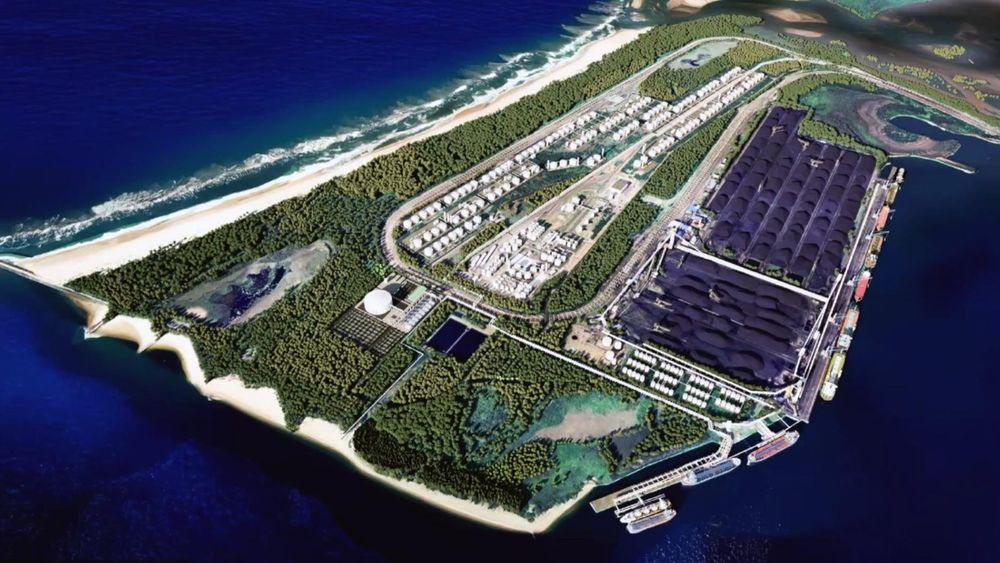
The government’s selection of preferred bidders under the gas-to-power procurement programme will determine whether South Africa’s planned liquified natural gas (LNG) import market moves into its next commercial phase, according to Standard Bank gas sector lead Paul Eardley-Taylor.Eardley-Taylor described the decision as the sector’s “tipping point”.His comments follow the signing of an agreement between the Zululand Energy Terminal (ZET), Eskom and ExxonMobil in June, which he described as an important commercial milestone and the first step in a process towards binding terminal usage agreements.South Africa has pursued plans to establish an LNG import market for several years as existing gas supplies become increasingly constrained. Production from Mozambique’s Pande and Temane fields, which have supplied much of the country’s natural gas requirements through the Rompco pipeline for decades, is expected to be depleted, while Sasol is expected to cease third-party gas sales by June 2030. The government’s Integrated Resource Plan envisages new gas-fired electricity generation to replace ageing coal-fired power stations and support a growing share of renewable energy on the grid.The Gas Independent Power Producer Procurement Programme (GIPPPP) is the government’s first bid window to procure 2,000MW of new gas-fired electricity generation from independent power producers (IPPs). The request for proposals was issued in December 2023, but the bid submission deadline was extended to May 29 2026 after the electricity & energy department amended aspects of the procurement process following requests for clarification from prospective bidders. The programme forms part of the government’s broader plans to diversify South Africa’s electricity mix and create the demand needed to establish a domestic LNG market.Eardley-Taylor said the programme has attracted four bids, representing about 2.800MW of proposed gas-fired generation capacity, exceeding the government’s target of procuring 2,000MW. He said South African banks have already supported the bids, demonstrating financing appetite for the sector if the procurement process progresses.Standard Bank gas sector lead Paul Eardley-Taylor (Suppl) He said the Gas-to-Power programme will provide the anchor demand needed to make LNG import infrastructure commercially viable, with gas-fired power generation creating the scale required to support import terminals.“The preferred bidder for the gas-to-power request for proposals (RFPs) is really going to be the tipping point,” Eardley-Taylor said. “If the IPP Office doesn’t pick preferred bidders … the whole thing falls over,” Eardley-Taylor said, referring to the commercial progress made in 2026. It has brought together many of the pieces needed to advance South Africa’s planned LNG import market. He said appointing preferred bidders is the next critical milestone before projects can move to their next commercial phase.Assuming preferred bidders are appointed, financing for LNG terminals, associated pipeline infrastructure and related projects could begin progressing during 2027 as developers work towards final investment decisions, he said.Eardley-Taylor estimates the initial wave of gas-to-power projects, LNG import terminals and associated infrastructure could require investment of about $7.5bn, with Eskom’s proposed gas-fired generation at Richards Bay potentially increasing the overall investment over time.The ZET project, a joint venture between Vopak, Reatile Group and Transnet Pipelines, will develop and operate an LNG import facility at the Port of Richards Bay. The facility will import LNG, convert it back into natural gas and supply power stations and industrial customers.While financing and commercial interest are building, Eardley-Taylor said execution remains the biggest challenge.“South Africa is bad at first-of-a-kind projects,” he said, contrasting the country’s pace of project development with jurisdictions that have accelerated LNG infrastructure through dedicated legislation and streamlined approvals such as in Germany.Beyond project execution, Eardley-Taylor also addressed concerns about the cost of imported LNG, saying South Africa’s planned import projects will rely on long-term supply contracts rather than purchases on the spot market, where prices tend to be more volatile.“The real question is affordable compared to what?” he said. “Imported LNG should be assessed against alternative fuels such as diesel and heavy fuel oil, particularly for power generation, transport and industrial users, rather than against historically cheaper pipeline gas supplied from Mozambique.”Eardley-Taylor expects South Africa’s gas market to broaden over the next five years as LNG imports supply fuel for gas-fired power generation, industrial users, transport and other applications.He said the market’s longer-term development will increasingly depend on the success of domestic gas exploration, particularly in the Orange Basin and other prospective offshore and onshore areas.“South Africa is just simply catching up with the rest of the world,” Eardley-Taylor said.Business Day