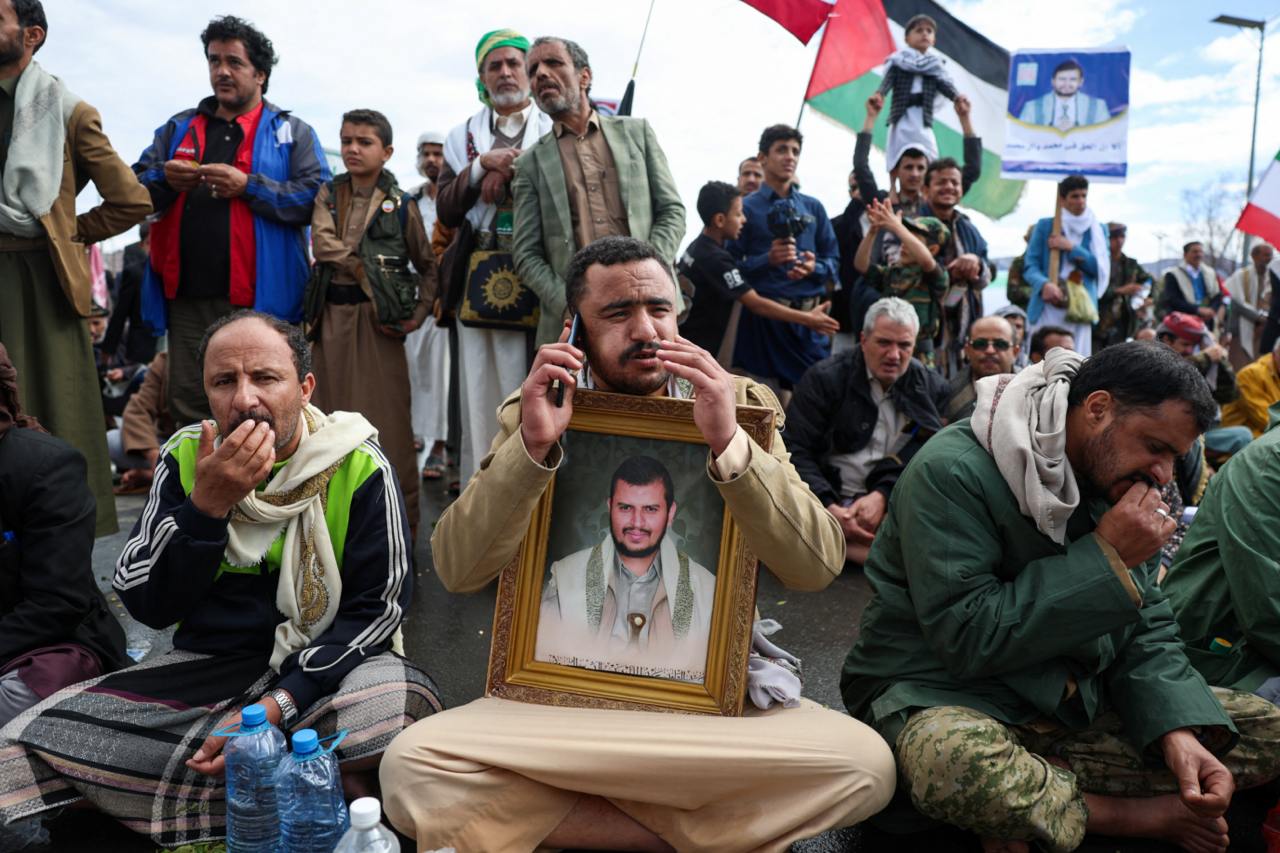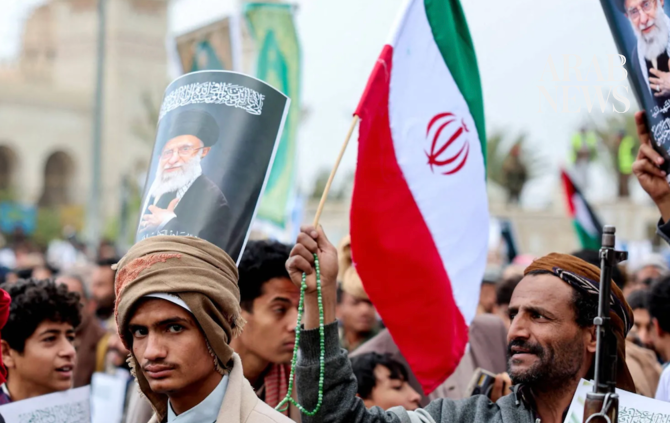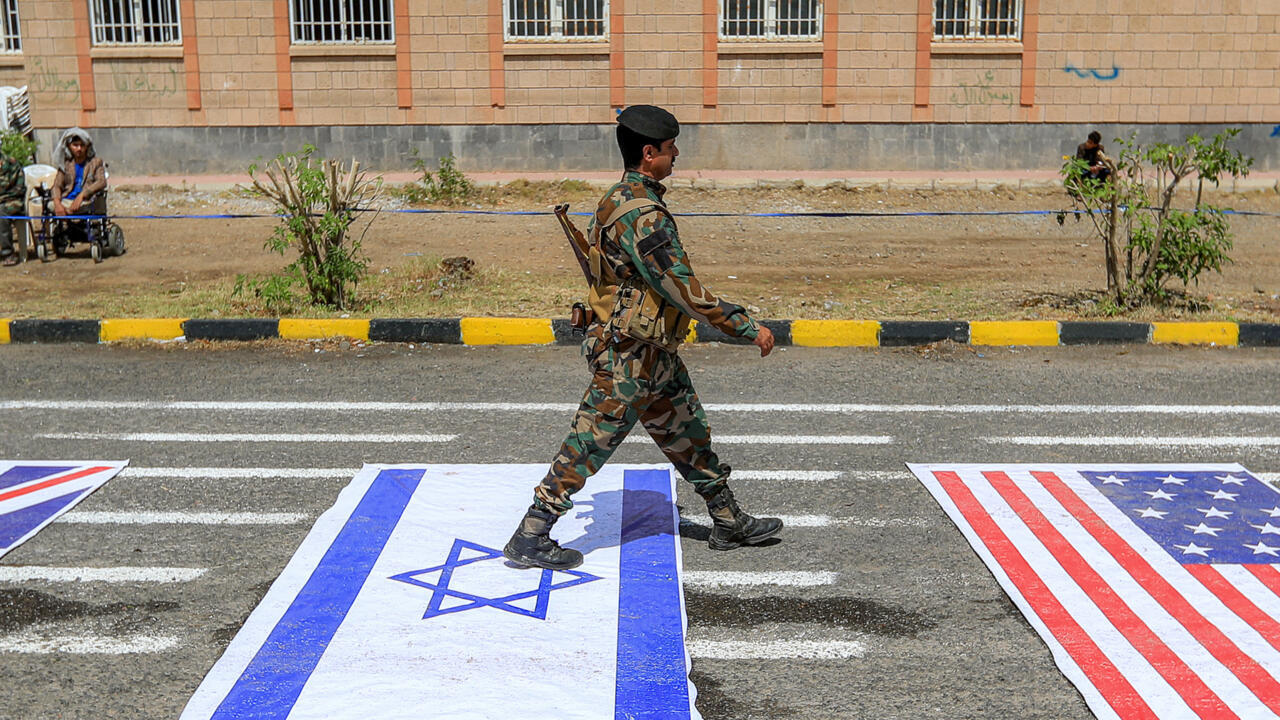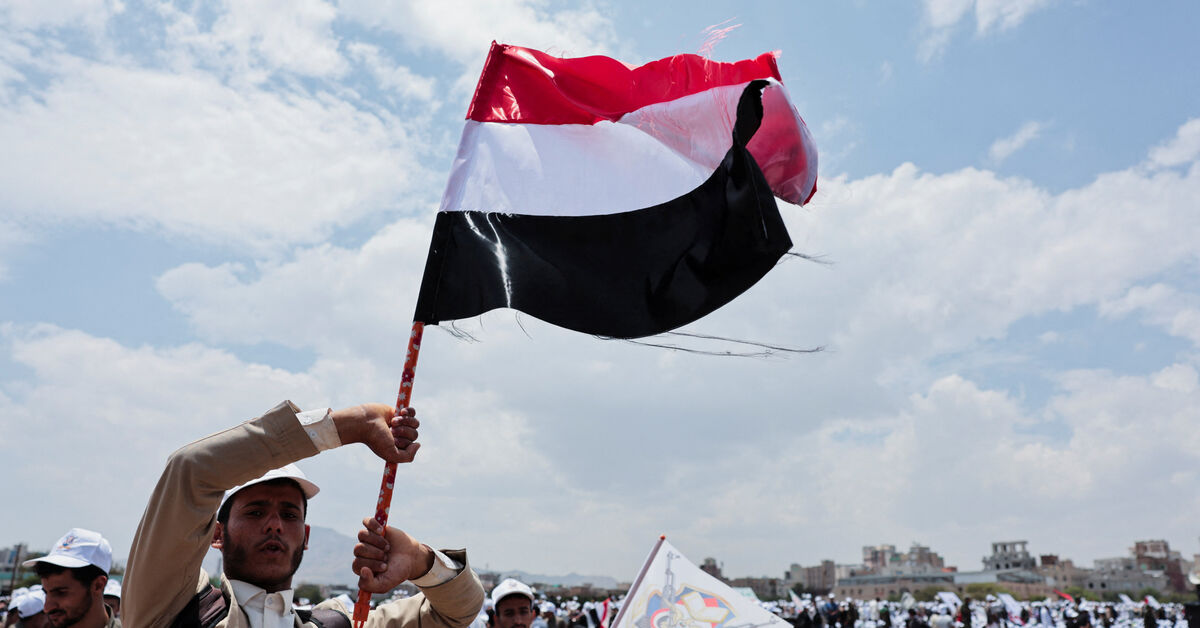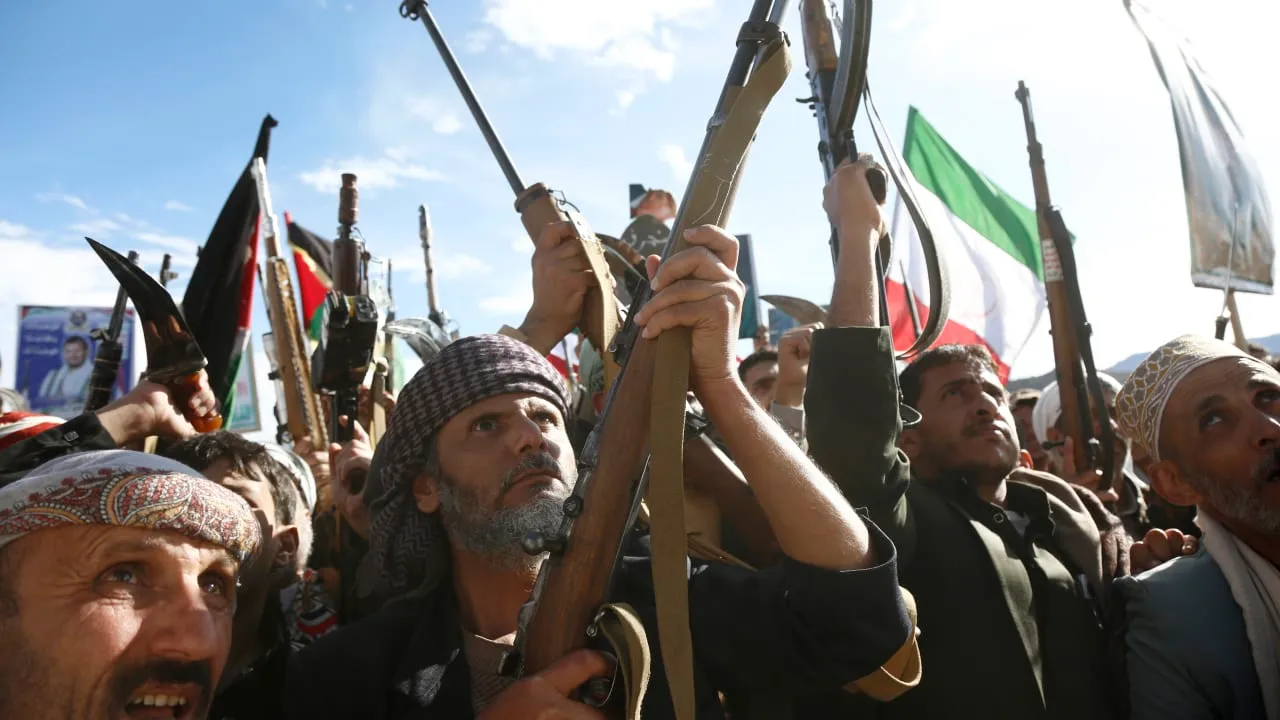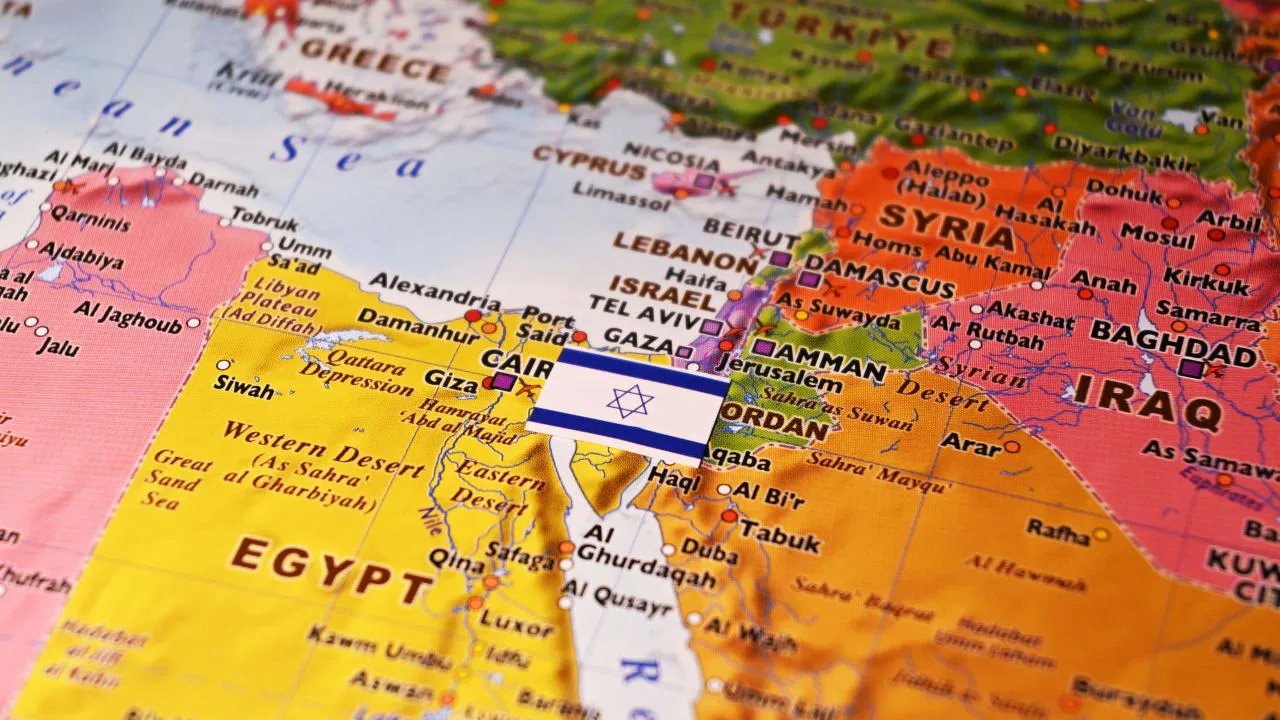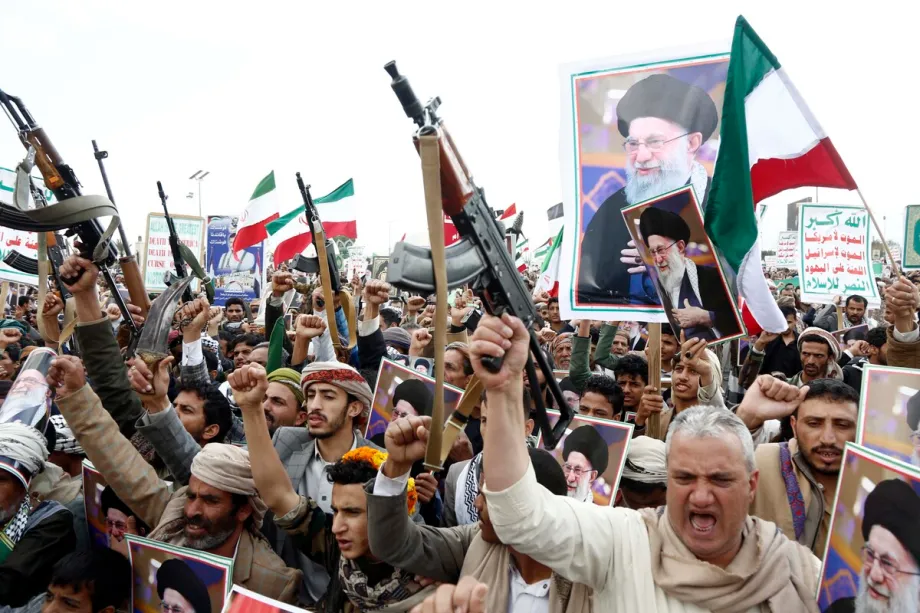
The decision by the Yemeni Houthis to re-enter the war currently under way in the Middle East is testimony to the survival and continued vigour of the Iran-led regional alliance. The self-defined ‘resistance axis’ has suffered severe blows in the course of the last three years, and many of its inherent limitations have been laid bare. The Houthis’ declaration of a targeted maritime blockade against Saudi Arabia at the strategically crucial Bab al Mandeb (‘Gate of Tears’) Strait shows, however, that the axis is far from defunct.
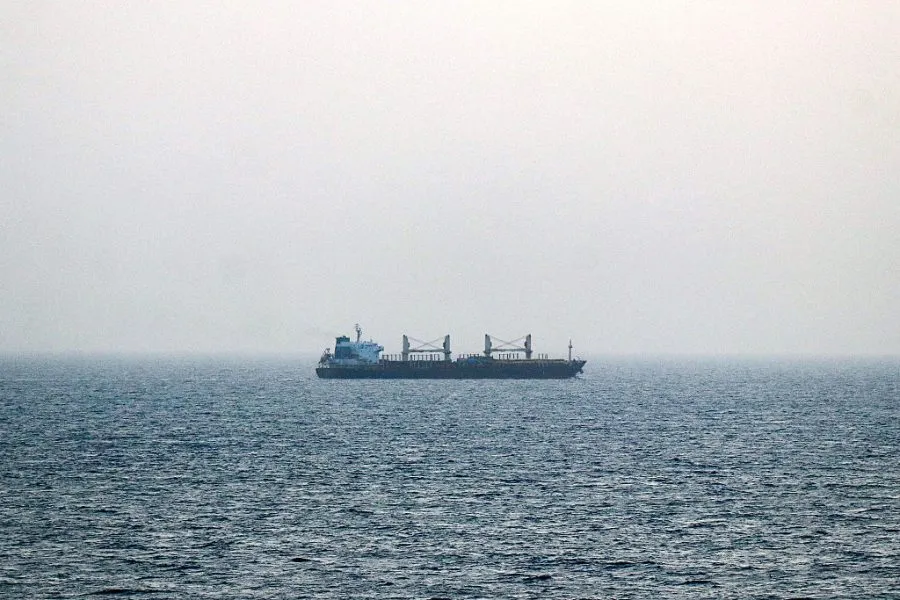
Indeed, Iran’s ability to command or at least align with proxy and client forces across the Middle East and beyond remains its most significant tool of power projection. The strikes on two Saudi-flagged oil tankers, the Encelia and the Leila, last week further indicate that Iran’s axis will not hesitate to expand the parameters of the war to its advantage. This is despite the heavy blows it is currently taking from US air power. The subsequent attacks on the Aramco facility at the southern Saudi port of Jizan over the weekend raise the stakes still further.
The last three years have demonstrated the hollowness of Iran’s axis propaganda
Prior to the outbreak of war in the Middle East three years ago, the ‘resistance axis’ was the most practically significant but perhaps least understood element of Iran’s bid for hegemony in the region. Tehran’s nuclear ambitions were the focus of western concerns about Iran, given the apocalyptic potential of weapons of this magnitude finding their way into the hands of the Islamic regime. Iran’s ballistic missile project was also an item of regional concern, with its relevance to the nuclear programme and Tehran’s ability to intimidate its poorly defended and fragile Gulf neighbours.