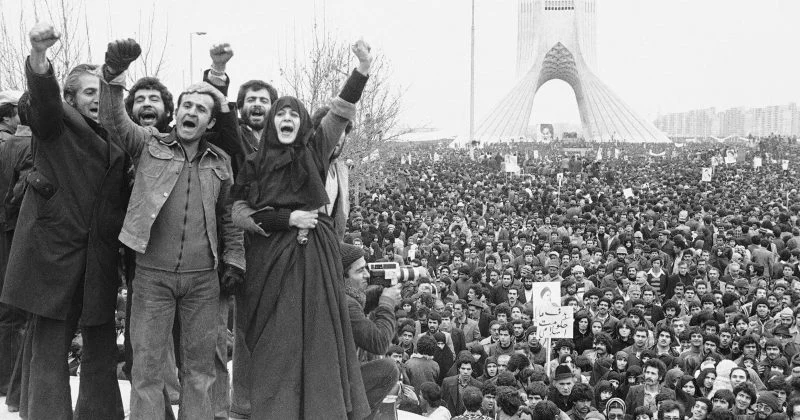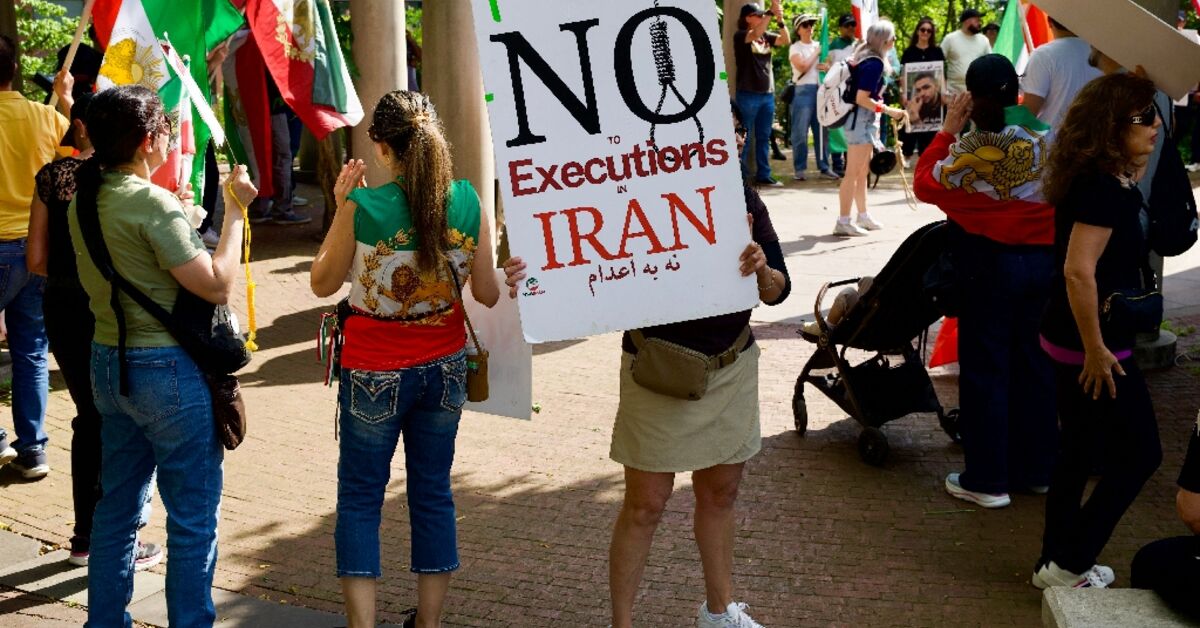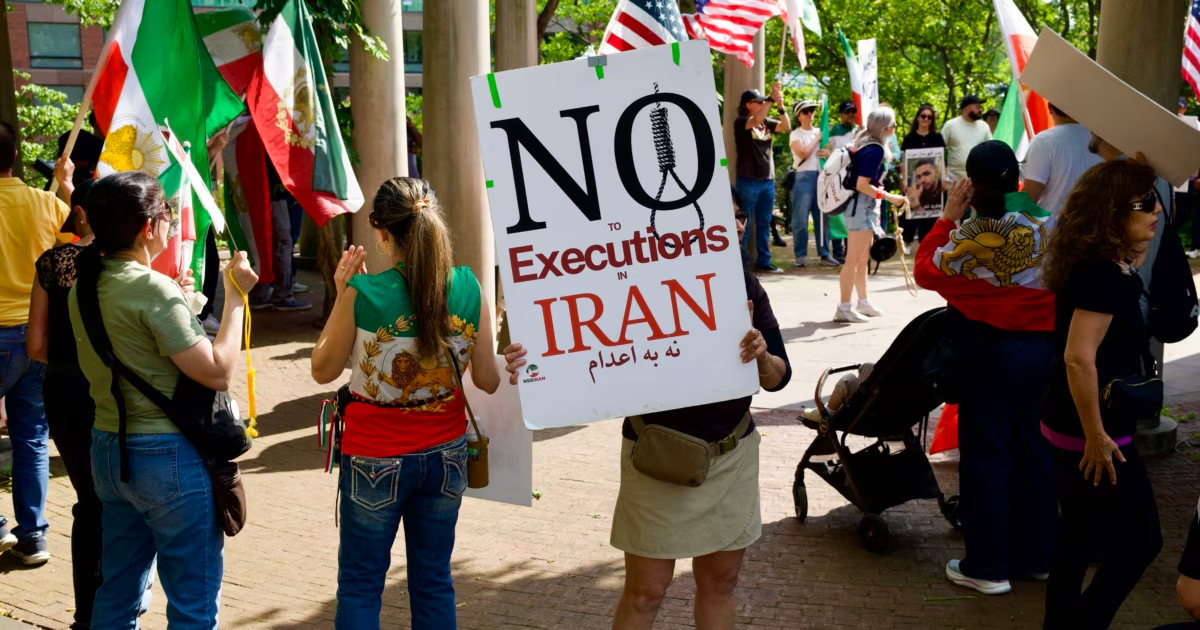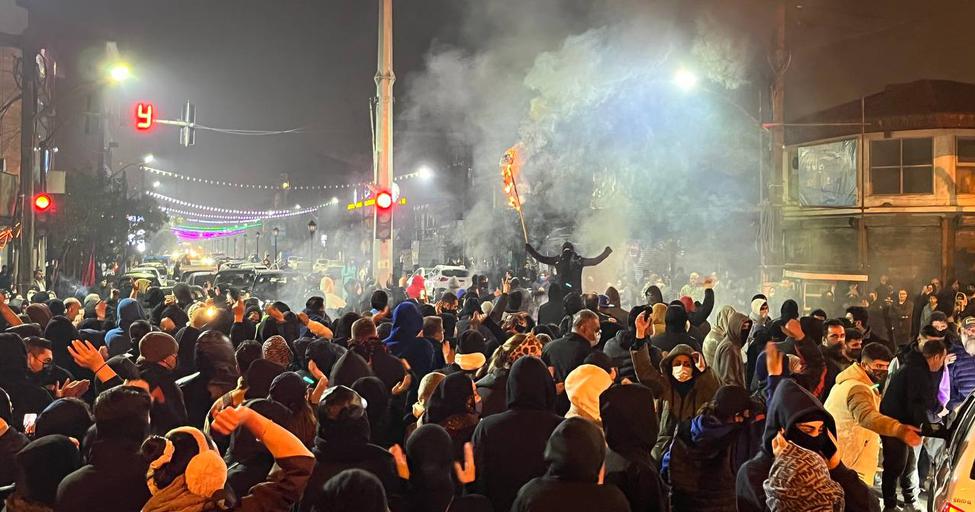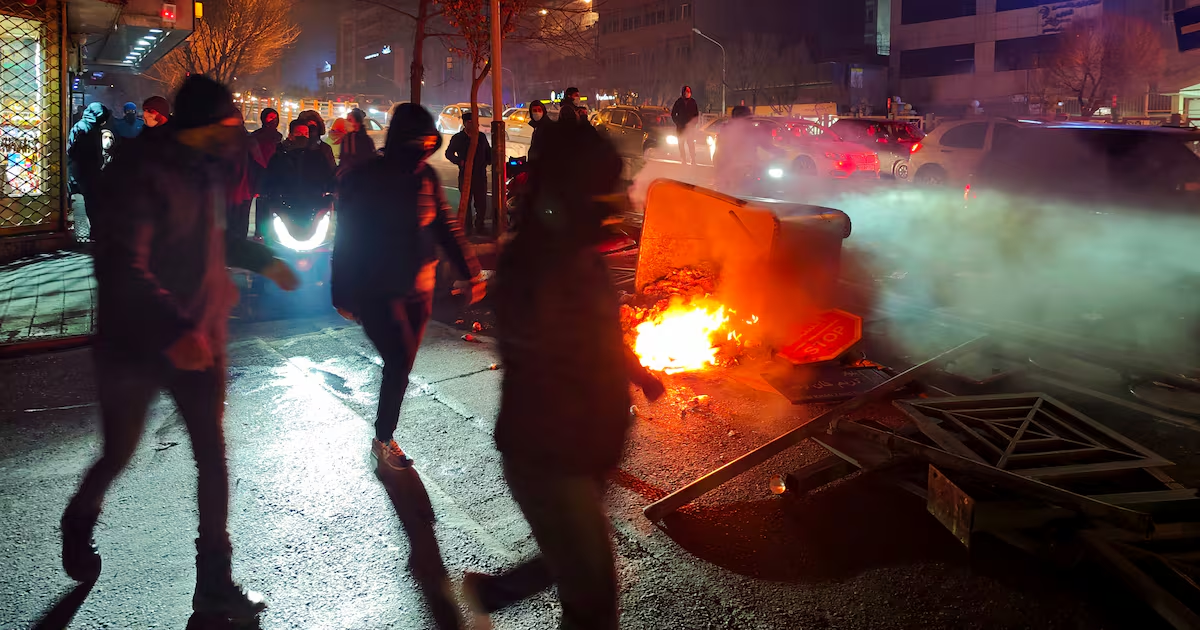
On the night of January 8, a colonel in Iran’s Islamic Revolutionary Guards Corps (IRGC) was killed in the central city of Isfahan as mass anti-government protests raged across the country.Months later, 16 people have been charged with moharebeh, or “enmity against God,” and could be hanged over the death of Colonel Abbas Kamrani and the violent demonstrations that night in Isfahan.The case comes as Iran has witnessed a surge in executions of what human rights groups consider political prisoners -- from demonstrators to alleged members of banned groups and those convicted of spying -- since the start of the war with the United States and Israel on February 28.Activists say the rise in executions is an attempt by the authorities to create fear among Iranians and prevent a repeat of the nationwide demonstrations that rattled the country’s clerical rulers earlier this year.Rights organizations have condemned the trials of those executed, saying many of them were marked by torture, forced confessions, and the absence of due process.The January protests posed the most serious threat to the authorities since the Islamic Revolution in 1979. Thousands of people were killed in an unprecedented state crackdown. Dozens have been executed for their alleged involvement in the demonstrations, and scores more are awaiting execution, according to rights groups.
An Iranian Colonel Was Killed In January Protests. Now 16 People Face The Death Penalty.
Sixteen people are facing charges connected to protests in the Iranian city of Isfahan in January, during which a colonel in Iran's Revolutionary Guard was killed. Sources in Iran told RFE/RL's Radio Farda that authorities used torture to extract confessions from the defendants.
745 words~3 min read