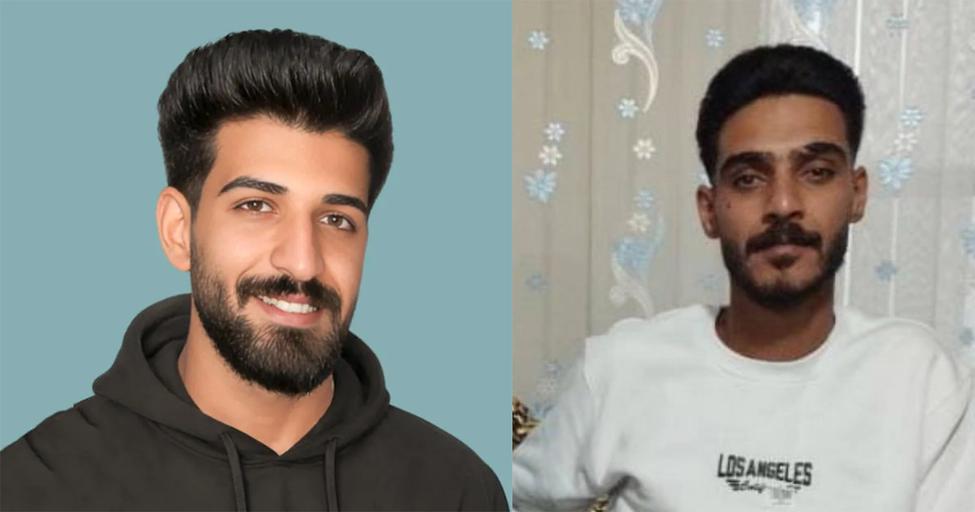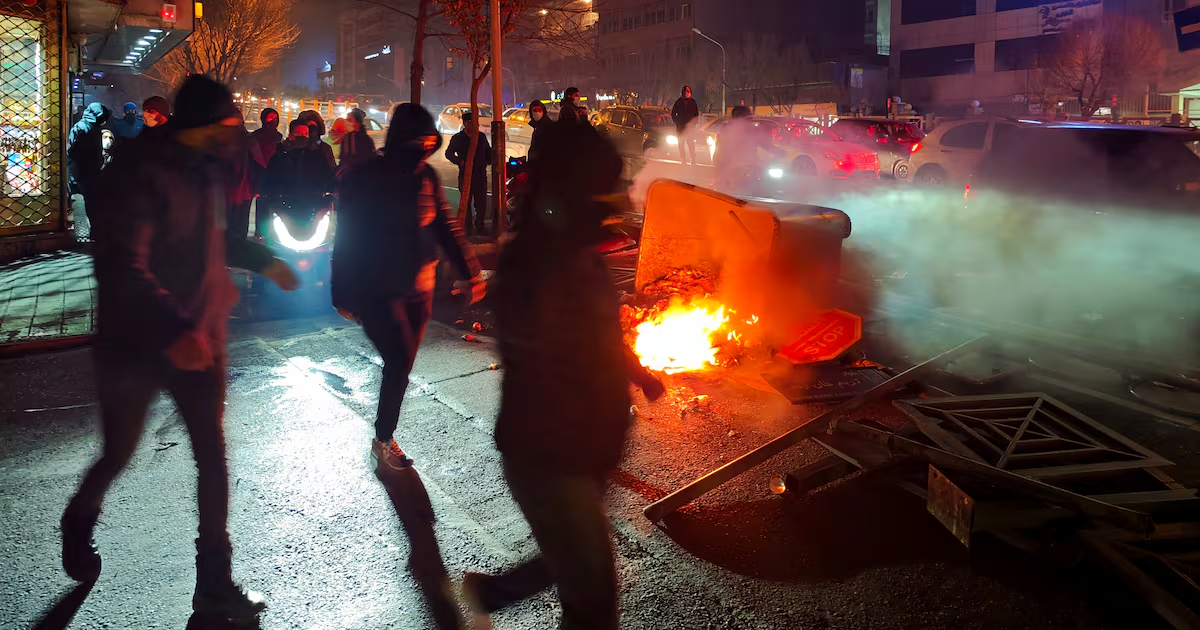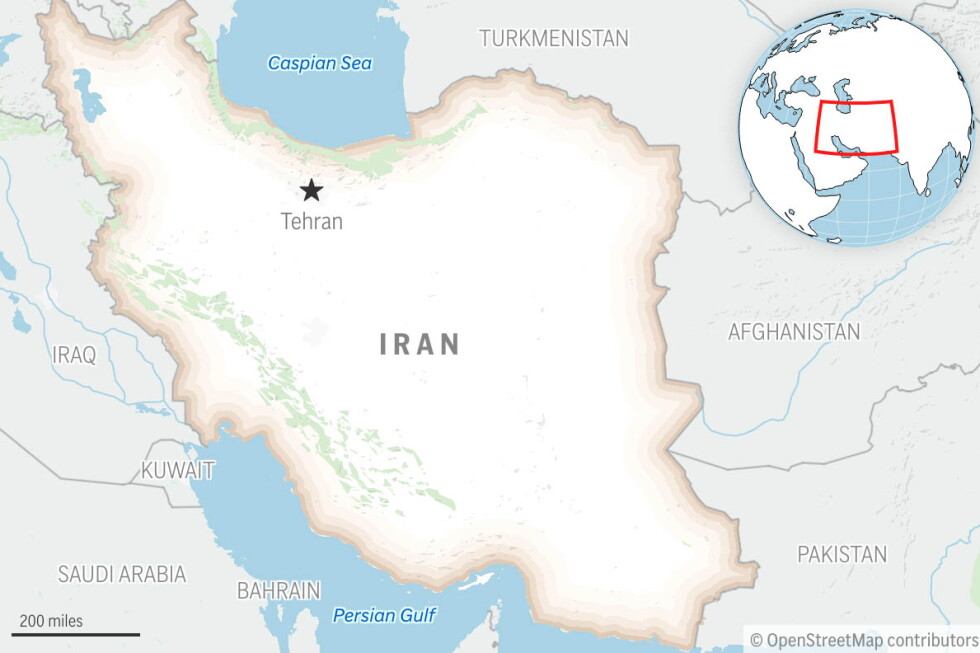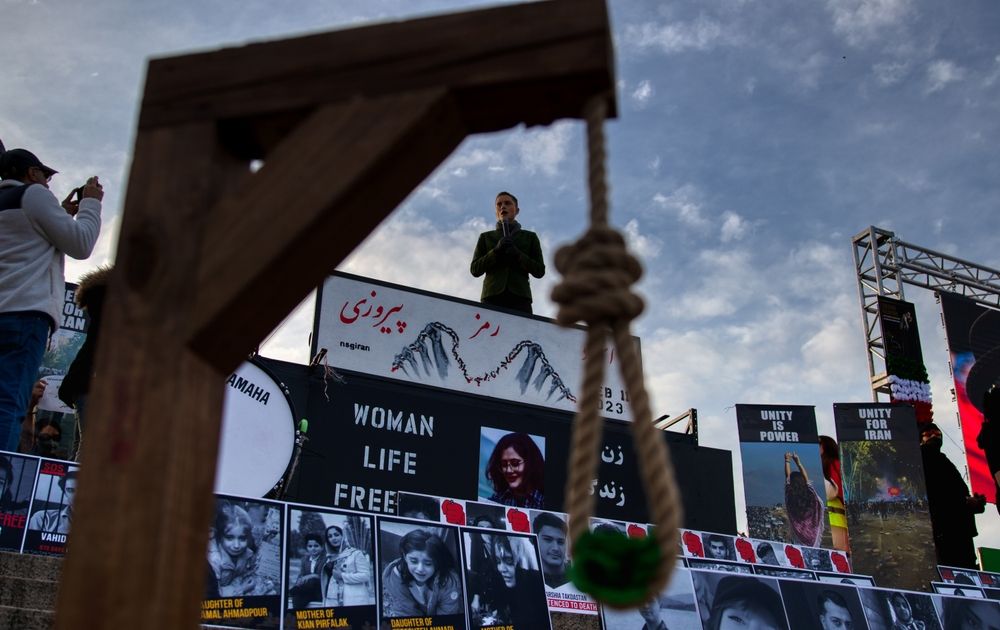
Iran has executed two men for their involvement in nationwide protests in January, state media reported on Tuesday, as human rights groups warn of a surge in death sentences since the onset of the conflict with the United States.Abolfazl Sepahi-Badjani and Amirhossein Safari-Hosseinabadi were accused of participating in the killing of four security force members in Isfahan's Alikhani Square on 8 January, according to Mizan, the judiciary's news outlet.The January anti-government demonstrations were met with the most severe crackdown in the Islamic Republic's history, during which thousands of protesters were reportedly killed by security forces. This period has seen increased pressure on Iran over five months of war, which authorities in Tehran view as existential.A panel of United Nations experts stated on Monday, prior to these latest executions, that at least 24 individuals had been put to death for offences linked to the January protests. Rights organisations, including Amnesty International and Norway-based Iran Human Rights, reported that Sepahi-Badjani and Safari-Hosseinadabi were executed publicly. Protests spread across the globe earlier this year (AFP/Getty)While Mizan did not specify the location, Iran's semi-official Mehr news agency confirmed they were carried out in Alikhani Square "in the presence of a group of people".The UN experts also highlighted that at least 12 people convicted in connection with the Alikhani Square incident have received death sentences, with two, Erfan Esfandiari and Gol Mohammad Mohammadi, executed on 19 July. They noted that these 12 individuals were sentenced in a single, closed hearing, lacking clarity on each defendant's individual responsibility – a process deemed to violate fair trial standards.Human Rights Watch this week reported that at least 50 people have been executed on what it described as vague national security charges over the past four months.Iran's permanent mission in Geneva did not immediately respond to a Reuters request for comment. Tehran has previously refuted accusations of prisoner abuses.Iranian authorities have consistently warned against any resurgence of anti-government unrest throughout the conflict, while simultaneously asserting national unity behind the Islamic Republic.Threats from the United States to attack Iran began on 2 January when President Donald Trump warned authorities against firing on demonstrators, stating the US was "locked and loaded and ready to go". The US and Israeli military campaign commenced on 28 February, with strikes that killed the country's supreme leader, Ayatollah Ali Khamenei, initiating months of warfare. Major fighting ceased with a truce agreement in June, but resumed this month with a two-week air campaign that President Trump has now suspended. He cautioned on Saturday that US attacks would recommence if negotiations fail to yield an agreement.
Iran executes two more men six months on from anti-government protests
It has been reported that two men were executed on Tuesday
429 words~2 min read