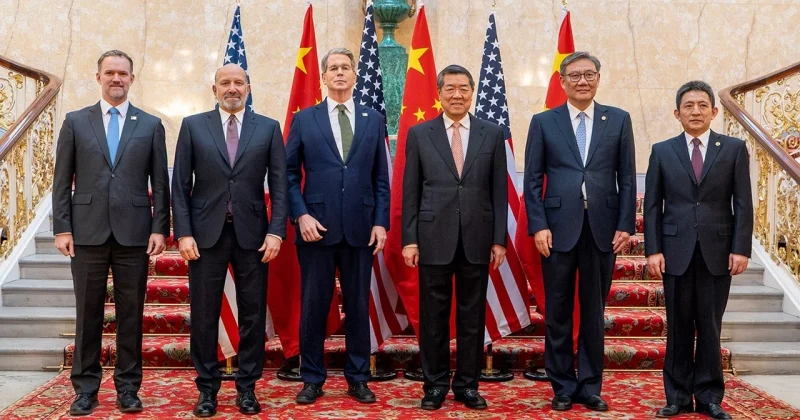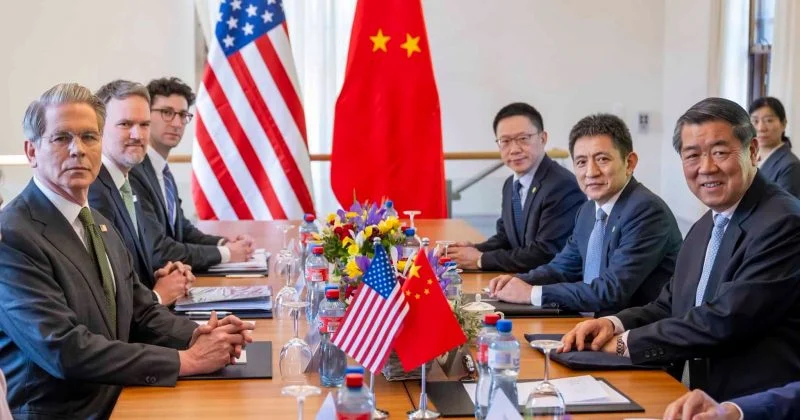
China’s Commerce Ministry dropped a notable piece of news on July 27: the United States has agreed to cap replacement tariffs on Chinese goods at 20%. That’s the first time either side has publicly confirmed a specific ceiling from their ongoing bilateral trade talks, and it represents a meaningful increase from the current 12.5% rate.
What actually happened
China publicly disclosed that the US committed to keeping replacement tariffs at no more than 20% on Chinese goods. The 20% cap is a step up from the 12.5% rate currently in effect. It’s also a product of months of back-and-forth negotiations that have included a November 2025 trade arrangement, which reduced some duties to 10% and extended suspensions until November 2026, and a May 2026 summit that established a joint trade council along with mechanisms for $30B in tariff rollbacks.
Adding another layer of complexity: the US Supreme Court ruled in February 2026 that certain tariffs imposed under the International Emergency Economic Powers Act (IEEPA) were invalid. That decision effectively forced both sides back to the negotiating table, since the legal basis for some existing trade barriers had been yanked out from under them.
The crypto connection