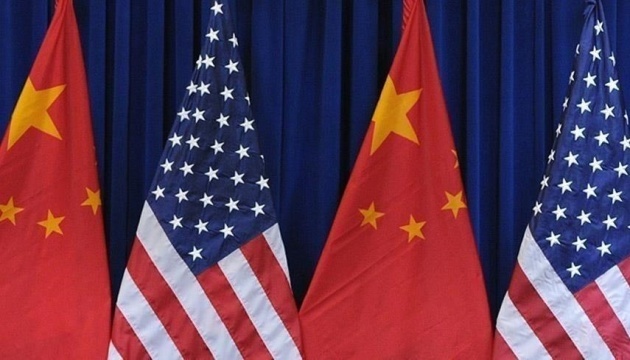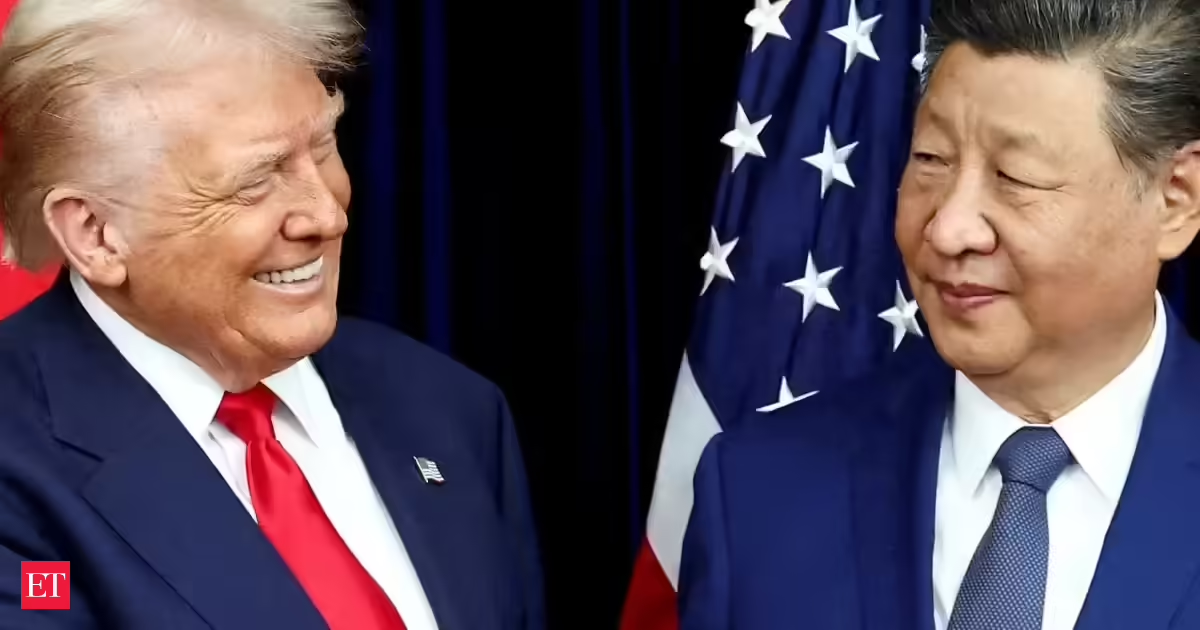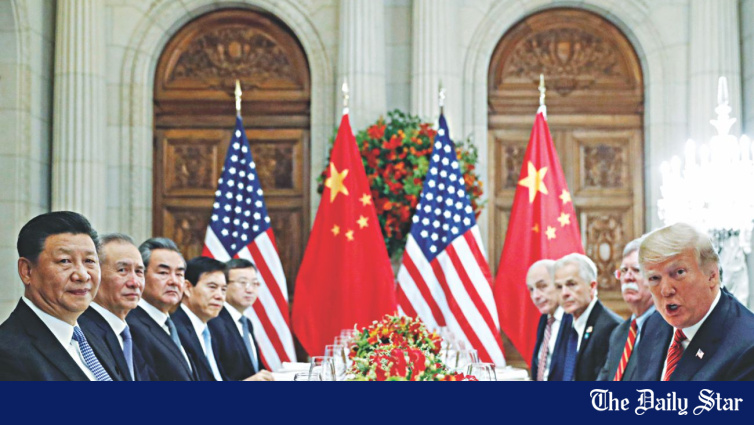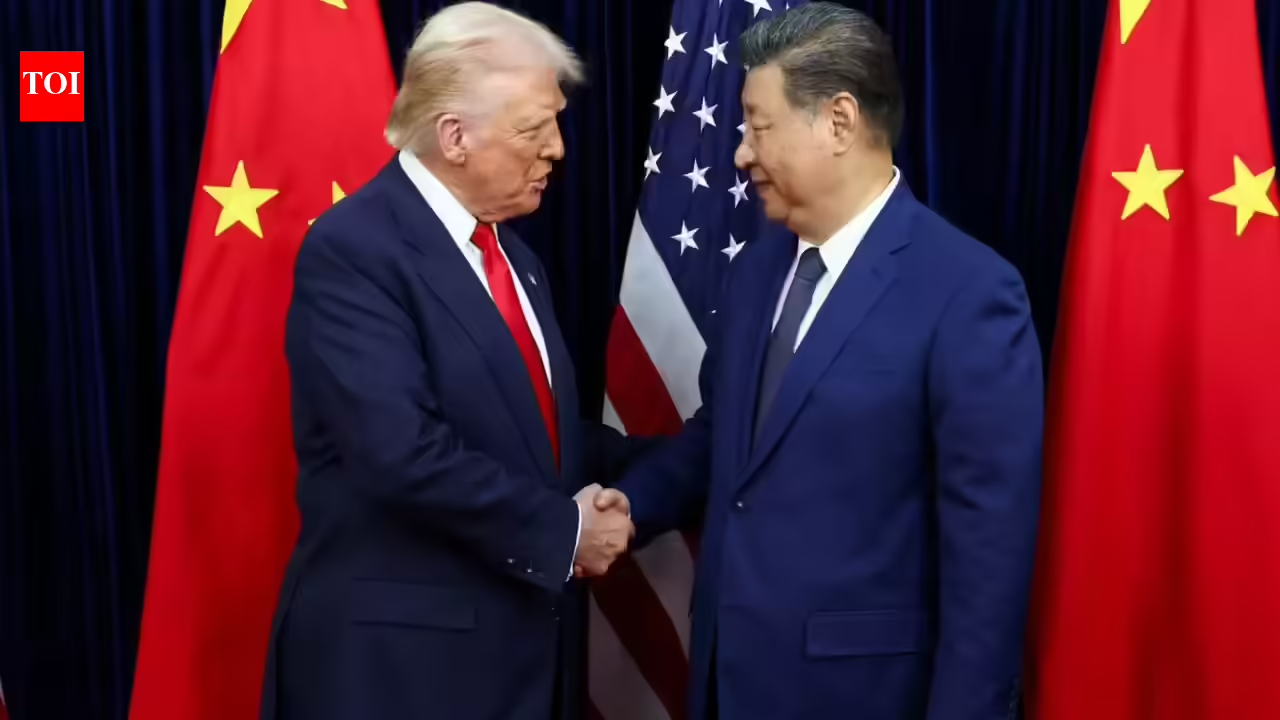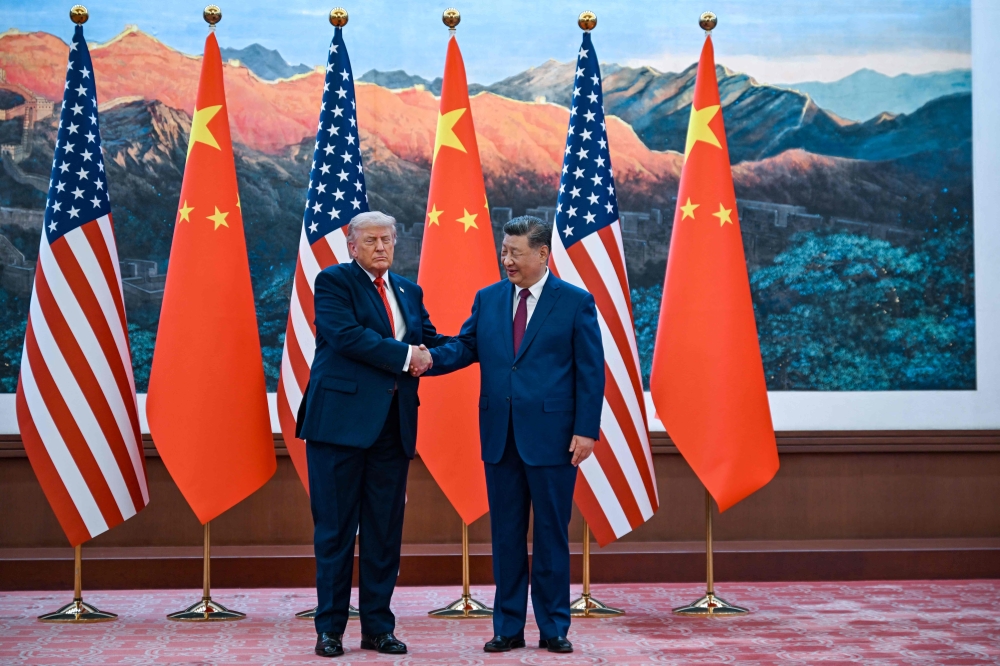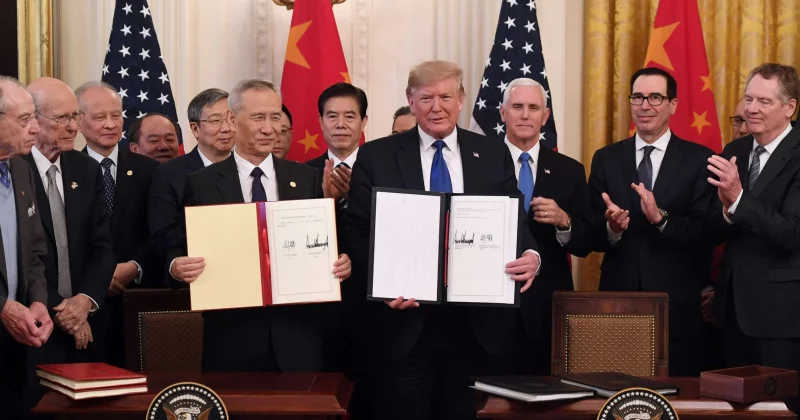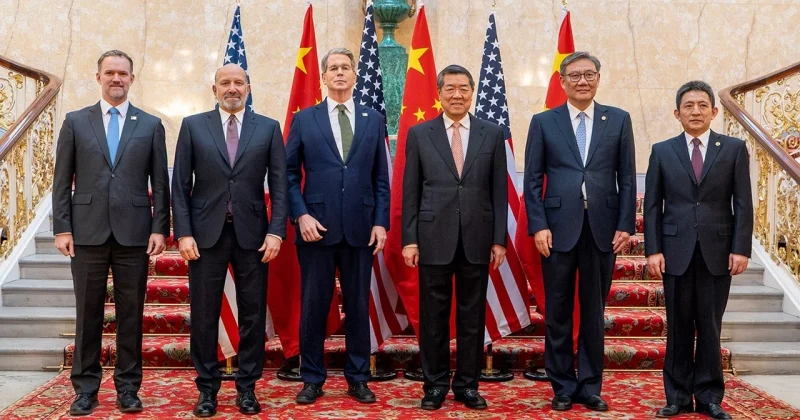
The world’s two largest economies just agreed to stop punching each other in the wallet. China announced it has reached a tentative agreement with the United States on tariff reductions and trade cooperation, a development that could reshape global risk sentiment and, by extension, the appetite for digital assets.
The arrangement, formalized as the “Kuala Lumpur Joint Arrangement,” includes reciprocal tariff reductions, suspended retaliatory measures, and a commitment from Beijing to lift export controls on critical minerals. For crypto investors, the signal isn’t subtle: when the US and China de-escalate, money tends to flow toward riskier assets. Bitcoin and Ethereum have historically benefited from exactly this kind of macro thaw.
What’s actually in the deal
The agreement covers several fronts, but the headline number is a 10 percentage point reduction in US tariffs on Chinese imports. That cut is specifically targeted at goods linked to fentanyl flows, tying trade policy to the ongoing opioid crisis in a way that gives both sides political cover.
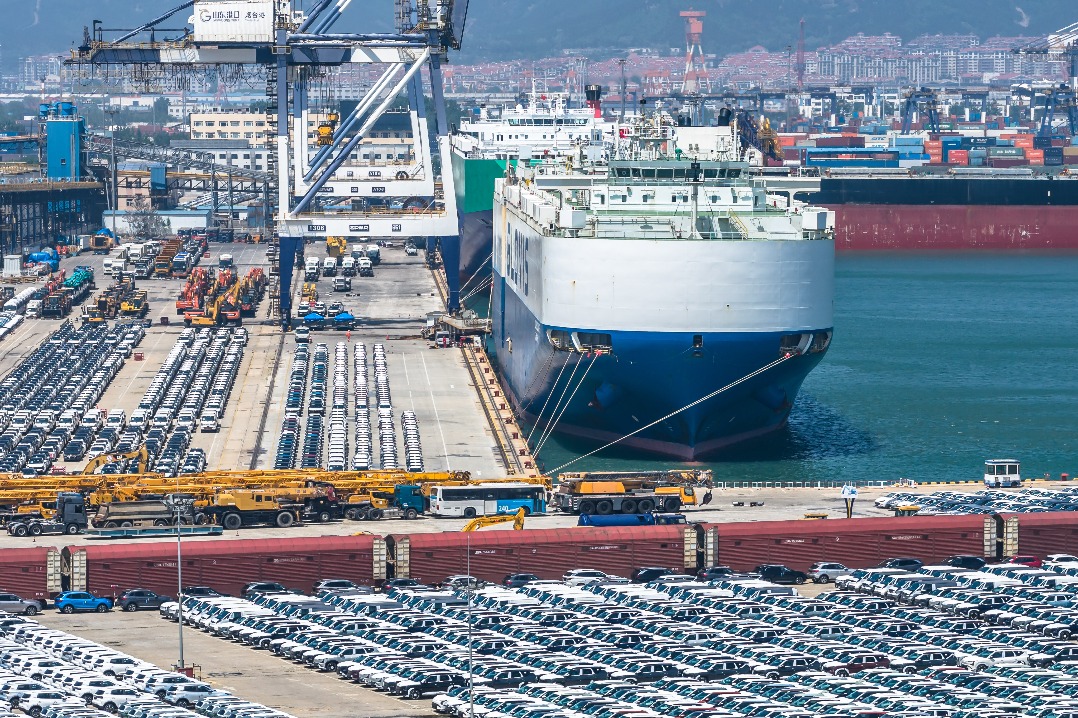
On China’s side, Beijing has agreed to suspend retaliatory tariffs and non-tariff measures against US goods that date back to March 2025. The result adjusts China’s tariff rate on US exports to approximately 21.9%, a meaningful step down from the escalatory levels that had been rattling supply chains for months.