Story audio is generated using AI
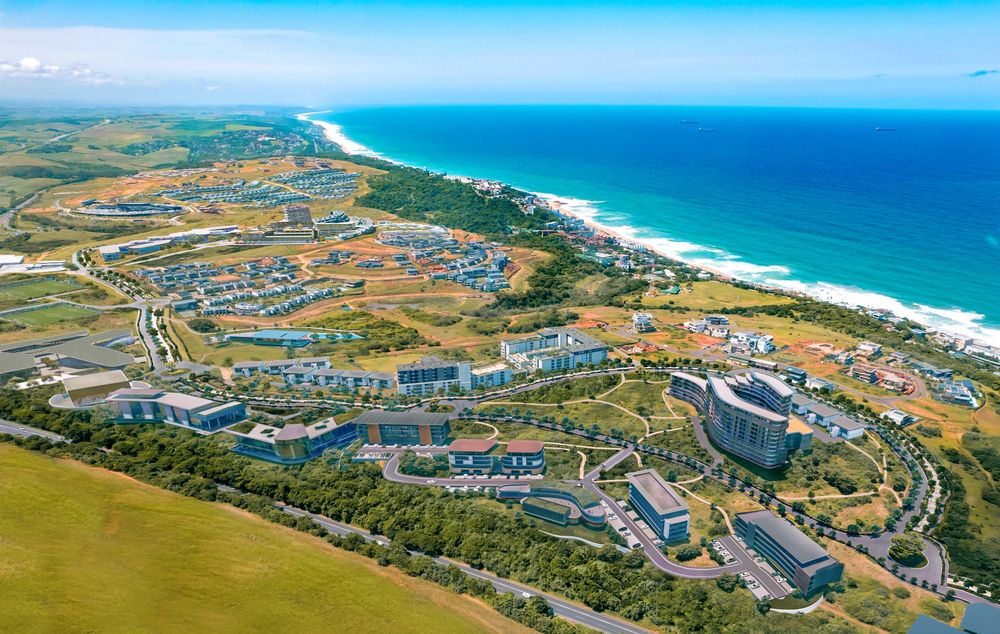
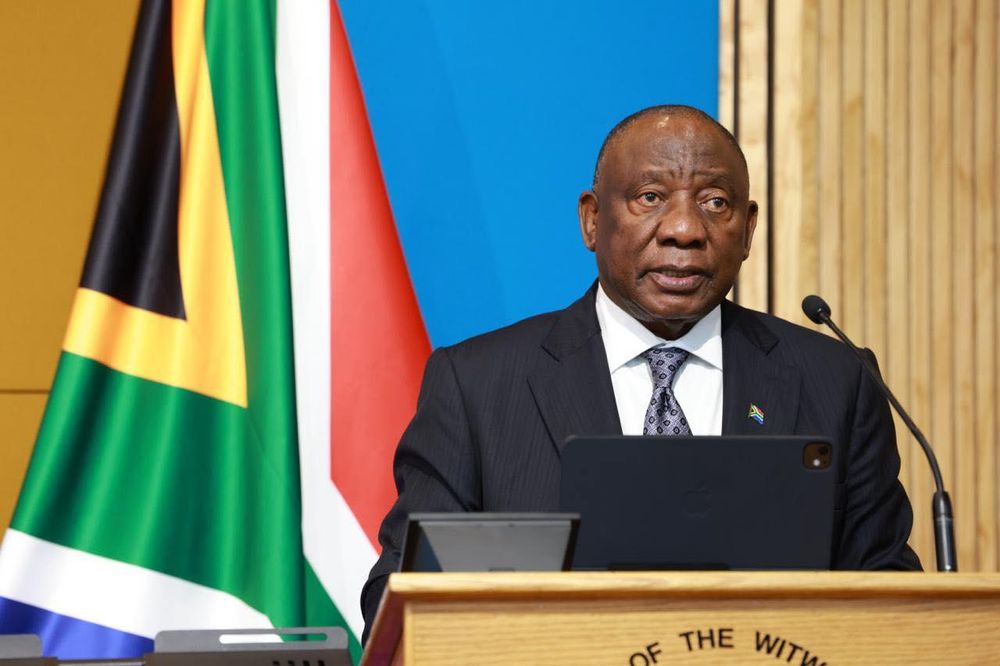
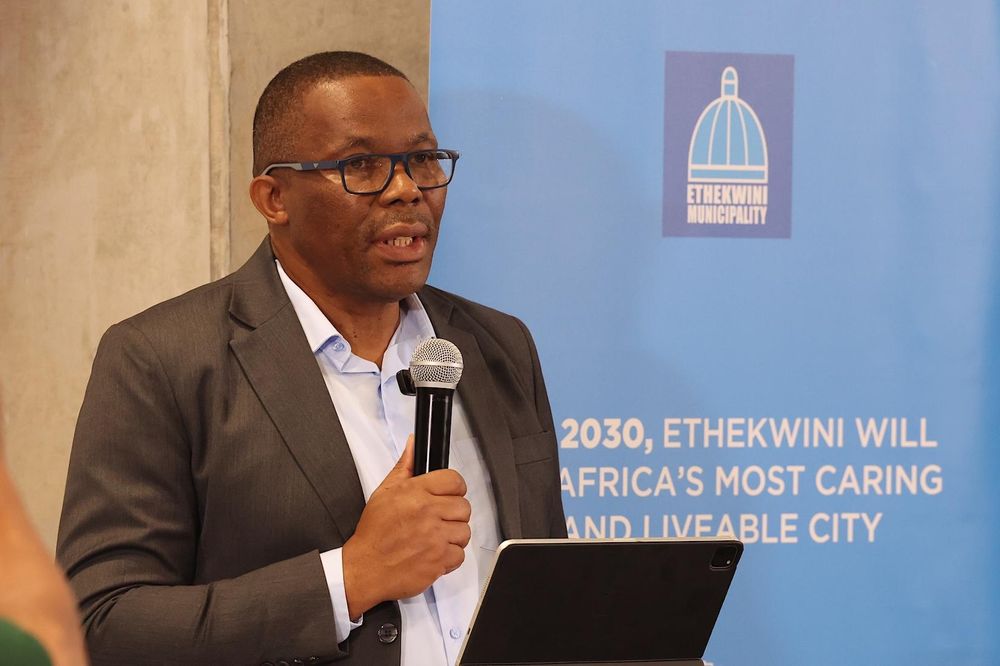
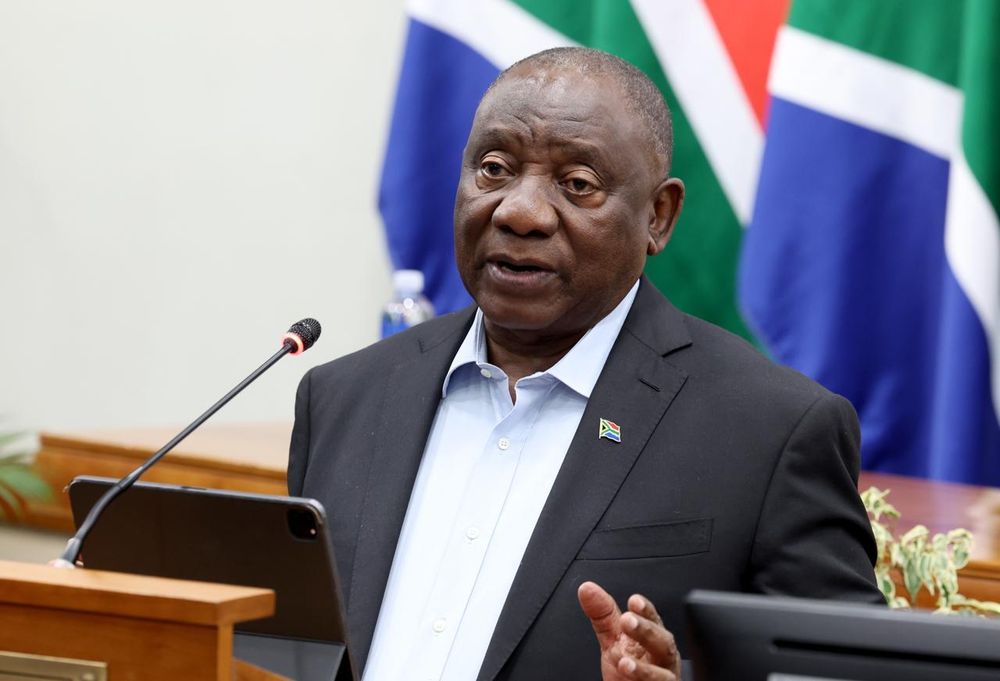
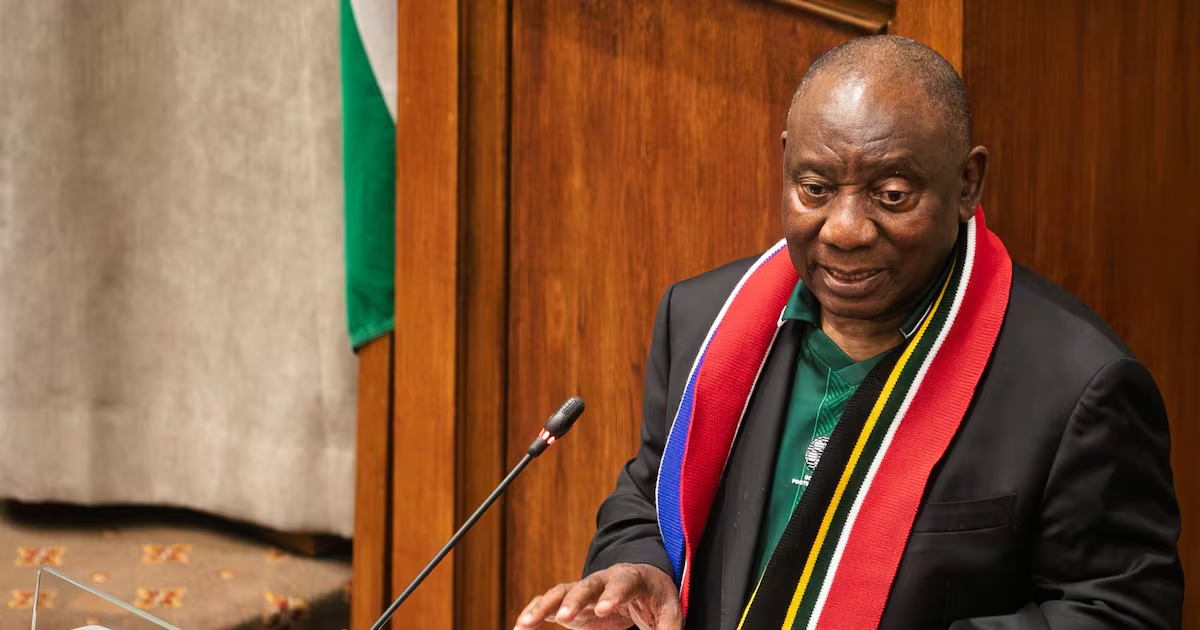
President Cyril Ramaphosa says presidential working groups established to reverse the decline of eThekwini and Johannesburg are beginning to deliver measurable results, with higher business confidence, record tourism spending and stronger municipal finances.This suggests that a collaborative intervention between government and business is starting to stabilise South Africa’s two largest metropolitan economies.The president was responding to a written parliamentary question from Rise Mzansi MP Makashule Gana, who asked what the presidential working groups had achieved since their establishment. Gana also wanted to know what obstacles had been encountered and whether similar interventions would be rolled out to other municipalities.The presidency established the Presidential eThekwini Working Group in 2024 after mounting concern over the city’s deteriorating infrastructure, repeated water outages, declining tourism, poor governance, rising crime and the lingering effects of the devastating 2022 KwaZulu-Natal floods, which caused billions of rand in damage and severely disrupted roads, water infrastructure and the Port of Durban. The intervention followed sustained calls from organised business and civil society for the national government to help co-ordinate a recovery rather than place the municipality under administration. The working group brings together national, provincial and local government, business, organised labour and state-owned entities to accelerate service delivery and restore investor confidence. Durban’s recovery has been viewed as strategically important because the city hosts Africa’s busiest container port and remains one of South Africa’s largest tourism destinations. Persistent failures in municipal infrastructure and logistics have weighed heavily on economic growth, prompting the government to prioritise the metro as part of broader efforts to improve the country’s investment climate. According to Ramaphosa, business confidence in eThekwini has risen to 63.38 index points, the highest level since the Durban business confidence index was established. Tourism spending reached a record R9.72bn in 2025, representing growth of 18% from 2024 and 58% from 2023.He said the improvement reflects growing stability in the metro, supported by progress on major infrastructure projects including the uMkhomazi Water Project and the R1.2bn Southern Aqueduct Project, both aimed at strengthening long-term water security.The government has also expanded policing through Operation Shanela, increased CCTV coverage and introduced a public-private partnerships framework intended to fast-track infrastructure investment and reduce bureaucratic delays.Ramaphosa has repeatedly argued that the intervention has helped arrest the city’s decline, saying there are visible improvements in infrastructure delivery, tourism, investor confidence and co-ordination between government and business. However, he has cautioned that significant problems remain, particularly regarding water losses, ageing infrastructure, environmental management and municipal capacity. In his parliamentary reply, the president acknowledged that eThekwini still faces big structural challenges. He said unfunded and underfunded mandates cost the municipality about R1.6bn annually while nonrevenue water remains above 50%, highlighting extensive losses in the water network. He added that construction and extortion mafias continue to discourage investment despite targeted police operations.Ramaphosa said the second phase of the Presidential eThekwini Working Group, launched earlier this year, will shift its focus from stabilising municipal operations to driving economic growth, investment and job creation through faster planning approvals, infrastructure partnerships and reforms designed to make Durban more competitive.Johannesburg’s working group was launched in 2025 after years of political instability, deteriorating roads, electricity and water interruptions, financial mismanagement and the decline of the inner city. The intervention forms part of the government’s broader effort to restore South Africa’s economic hub, improve service delivery and prepare the city for its role in South Africa’s G20 programme. Ramaphosa said the Johannesburg working group has produced some early gains, including the successful hosting of the G20 Leaders’ Summit, progress on the rehabilitation of Lilian Ngoyi Street, stronger partnerships with City Improvement Districts and property owners, and reforms aimed at improving the financial sustainability of municipal entities.He said the city’s revenue collection rate improved to 90% in April, while a public recruitment process for municipal entity boards has been completed to strengthen governance. The National Treasury is also providing technical assistance to improve revenue management and expenditure controls.Asked whether similar working groups will be established elsewhere, Ramaphosa said discussions with premiers and metropolitan mayors will determine whether the model should be expanded.The president said the working groups operate as voluntary mechanisms under the district development model and are intended to demonstrate how the three spheres of government can work alongside business and civil society to address municipal dysfunction and improve service delivery.Business Day