Story audio is generated using AI
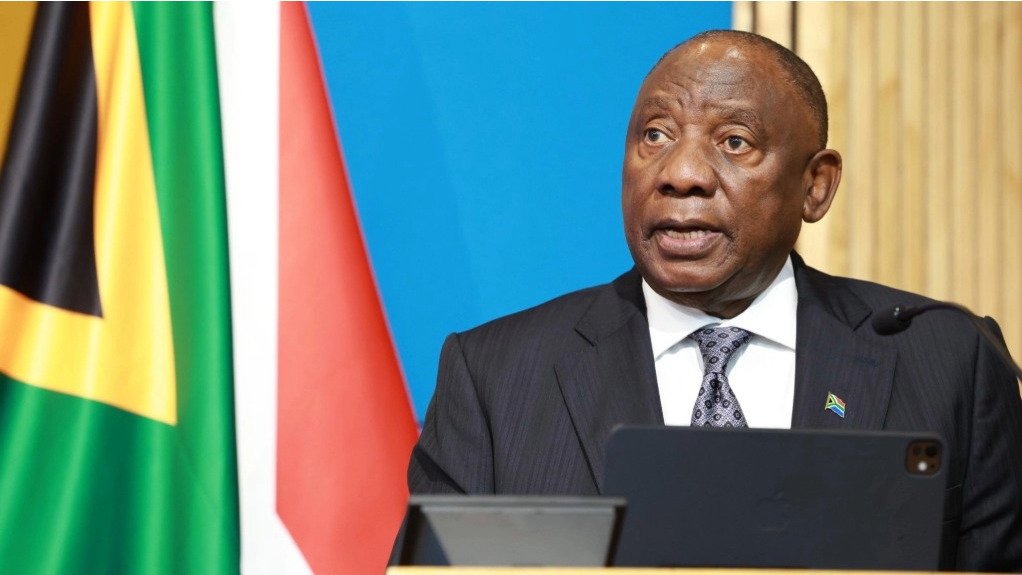
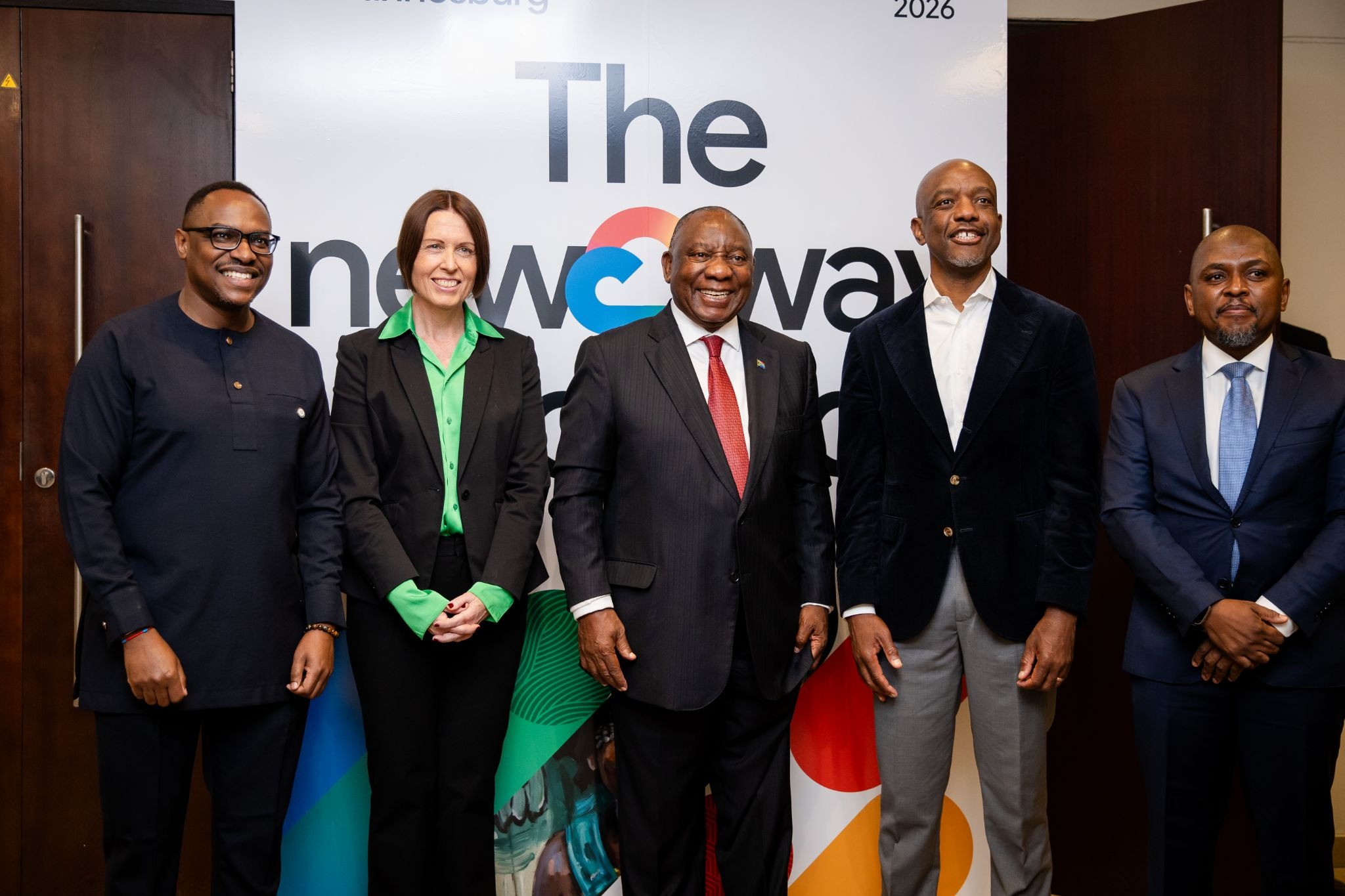
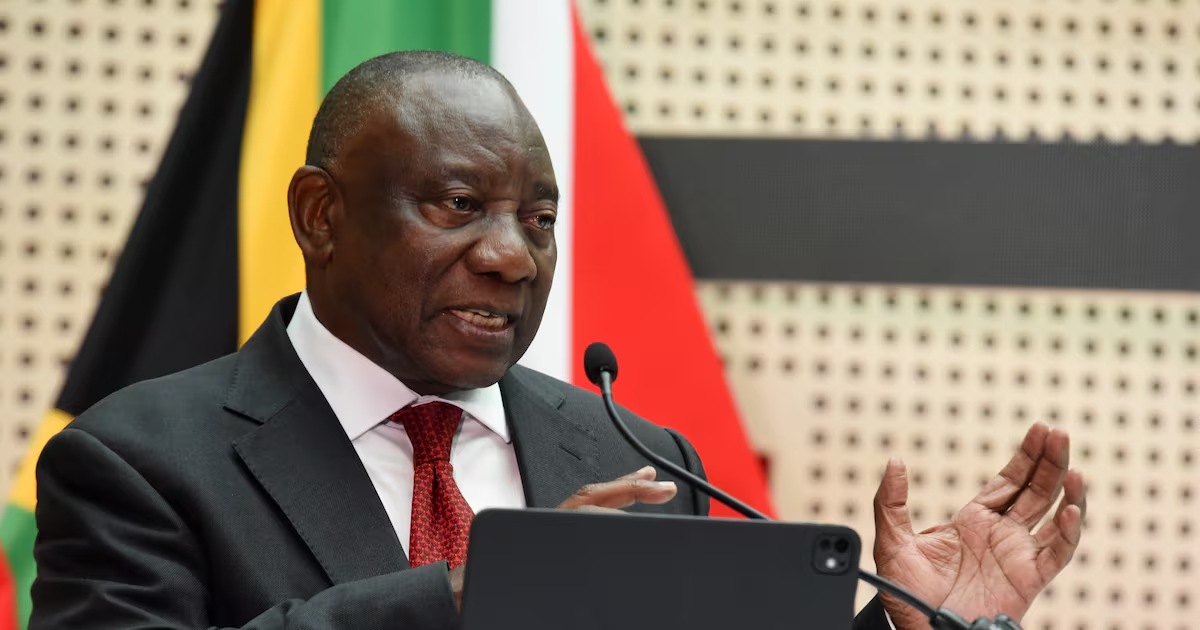
President Cyril Ramaphosa believes the country’s ambition to be a leading digital investment destination is gaining traction, having been recognised by some of the world’s leading technology companies.This sentiment follows last week’s inaugural Google Cloud Summit in Johannesburg.Picking the country’s economic hub as its destination of choice is a step in the right direction and a positive indicator, according to the president.“That the company chose South Africa to host one of its most important technology and enterprise events affirms Africa’s position as a core growth region for the global cloud ecosystem,” he said.The country reportedly stands to benefit R1.7-trillion in additional gross economic output by 2030 and approximately 315,000 jobs through Google’s cloud region in Johannesburg.In its weekly newsletter, the Presidency reported that at the summit, Google announced a range of investments that will form part of their “building for Africa” initiative. This move is designed to support the greater adoption of cloud technologies and to equip local ecosystems for AI-driven innovation.Across the world, the digital economy is a catalyst for economic growth and job creation. To build the economies and workplaces of the future, countries need to build digital infrastructure, including cloud computing and AI— President Cyril RamaphosaAmong the projects in the pipeline will be a new “digital exchange port” which is expected to be built in the Eastern Cape and will form part of four connectivity hubs on the continent that will ensure reliable cloud services.Ramaphosa welcomed Google’s commitment to skilling the local workforce, announcing a R3m digital innovation scheduled to be built at the South West Gauteng TVET college in Soweto.“Later this month, applications will open for the 2026 South African cohort of the Google for Startups Accelerator, through which 15 local start-ups will be selected to receive AI training, mentorship and funding,” he said.According to the president, these developments point to the fact that investor confidence in the country’s digital economy trajectory is growing.The Presidency cited additional investment on the digital front, referring to Amazon Web Services’ plans to invest R30.4bn in its infrastructure in the country, as well as Microsoft’s pledge to invest R5.4bn to develop local hyperscale cloud and AI infrastructure.“Across the world, the digital economy is a catalyst for economic growth and job creation. To build the economies and workplaces of the future, countries need to build digital infrastructure, including cloud computing and AI,” said Ramaphosa.The president maintained that digital technologies are increasingly being adopted to overcome developmental challenges in education, health care, service delivery and climate change.“South Africa currently houses a significant proportion of Africa’s large data centre capacity and is the continent’s largest cloud market. An increasing number of South African businesses are moving to cloud infrastructure and adopting machine learning and AI in their businesses.”Small, medium and micro enterprises stand to benefit from these investments as well, said Ramaphosa.“One study estimates that SMME adoption of cloud computing could potentially unlock more than R185bn for the country’s economy by 2030. Cloud enables small businesses to spend less on IT costs, improve their productivity and become more competitive. It can help them to expand market access and make use of e-commerce.”As we strive to position ourselves as a continental cloud and AI gateway, there is a need for ‘guardrails’ to prevent abuse and other risks— RamaphosaThe growth of these businesses will translate to the creation of more employment and the stimulation of local economies, he said.“As these businesses grow, they create more employment and stimulate local economies. Through the likes of the SA SME Fund, the Black Business Supplier Development Programme and digital transformation partnerships with the private sector, we are working to make cloud and other technologies more affordable for small businesses.”Government efficiency and service delivery also stands to improve from cloud infrastructure roll-out, said Ramaphosa, referring to cloud-based platforms in education having the ability to improve the availability of digital textbooks and other learning materials.“As we strive to position ourselves as a continental cloud and AI gateway, there is a need for ‘guardrails’ to prevent abuse and other risks. The digital economy must safeguard the rights and privacy of citizens, support environmental sustainability and uphold our country’s sovereignty.”However, the country’s regulatory and policy environment ought to match innovation with safety, he added.“We must learn from other countries where vast amounts of sensitive public and private data have been held by private firms and outside national jurisdictions.“In the digital age, sovereignty is measured not only by territorial borders. It is increasingly measured by a nation’s ability to secure its data, develop its own digital capabilities and exercise meaningful control over the technologies on which its economy depends.”TimesLIVE