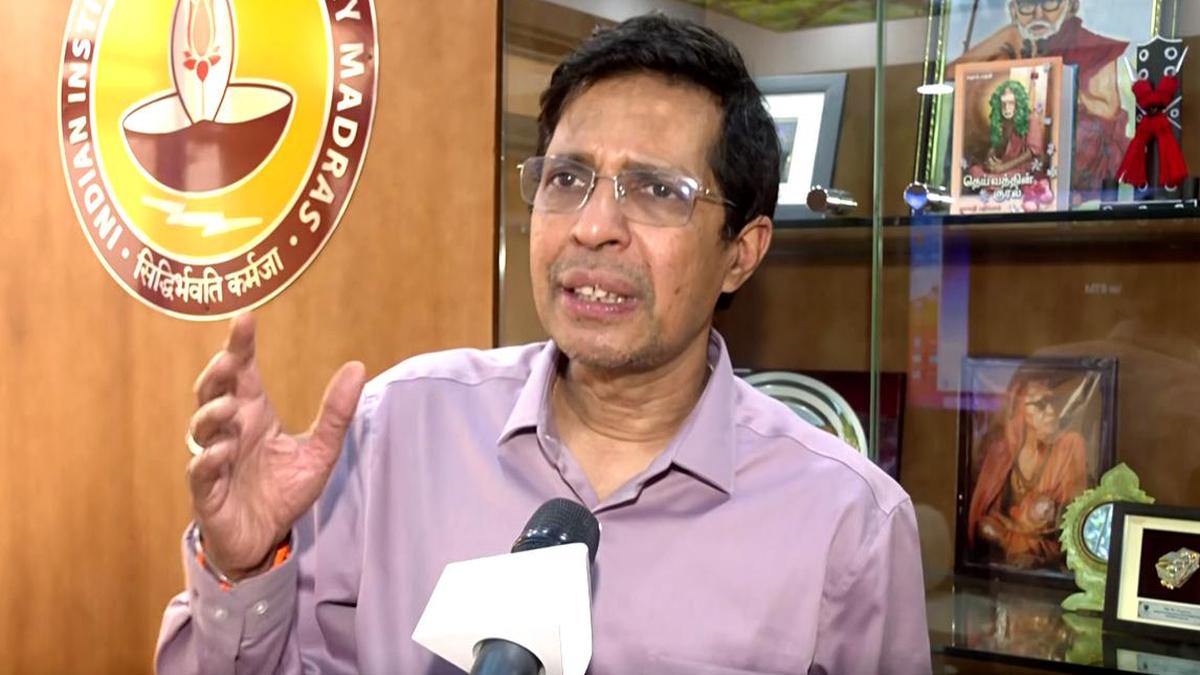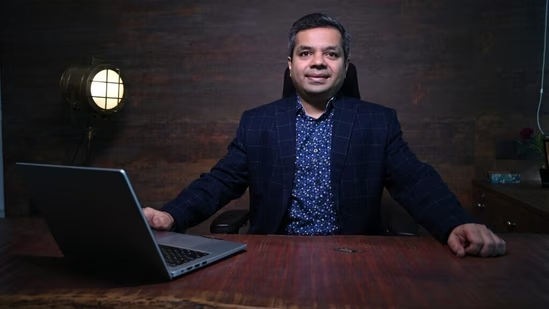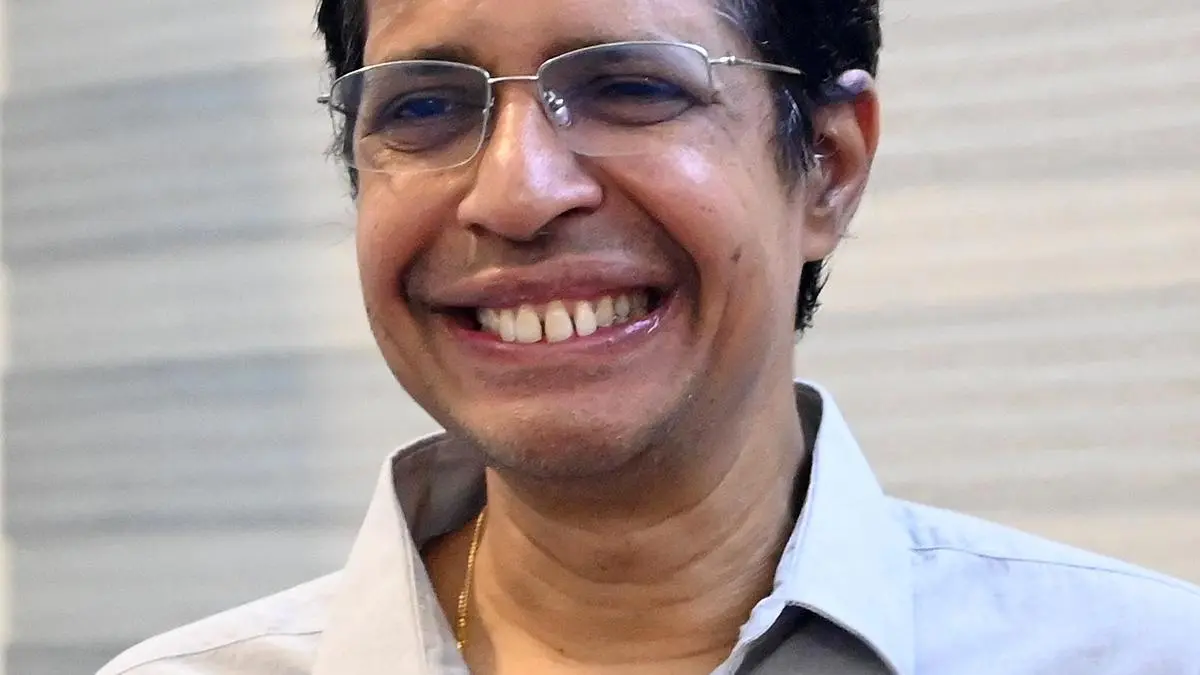
V. Kamakoti, Director, IIT Madras
| Photo Credit:
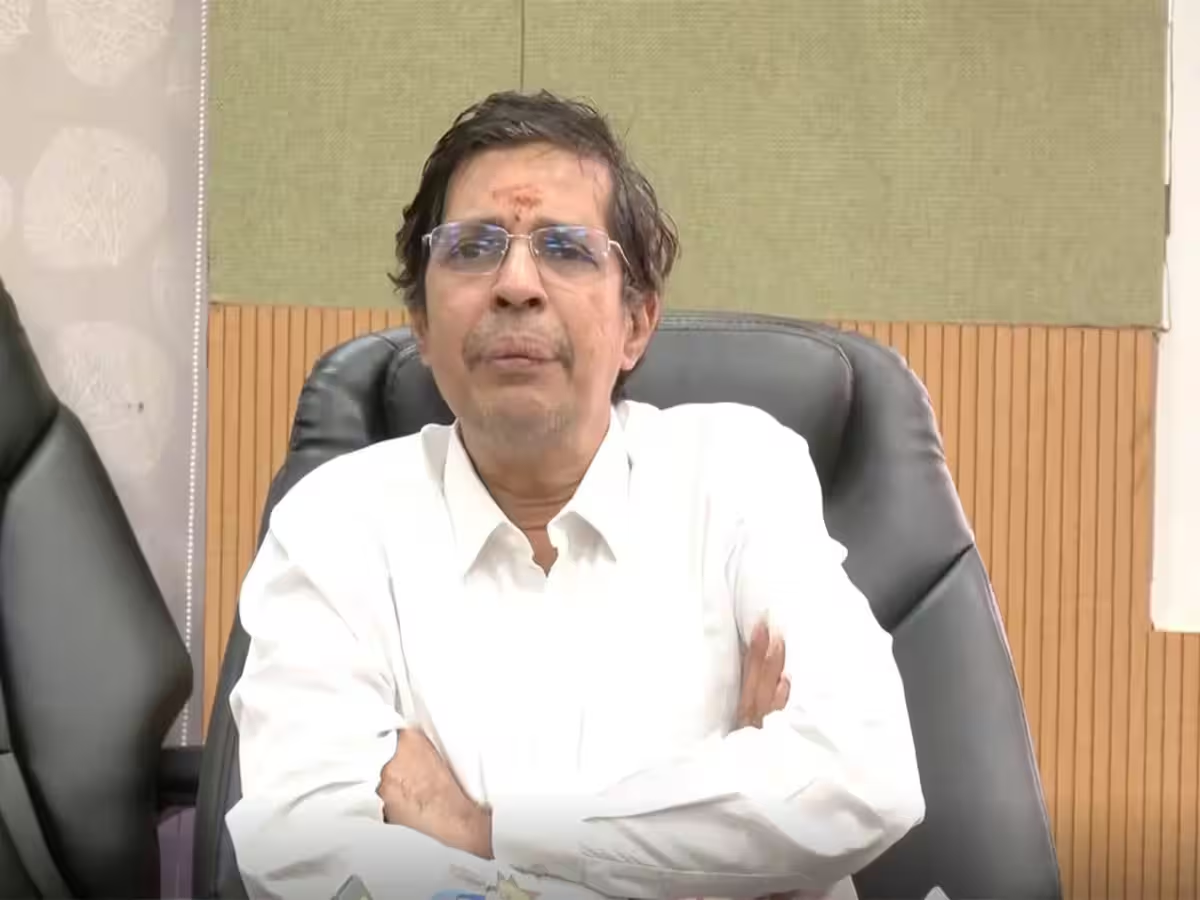
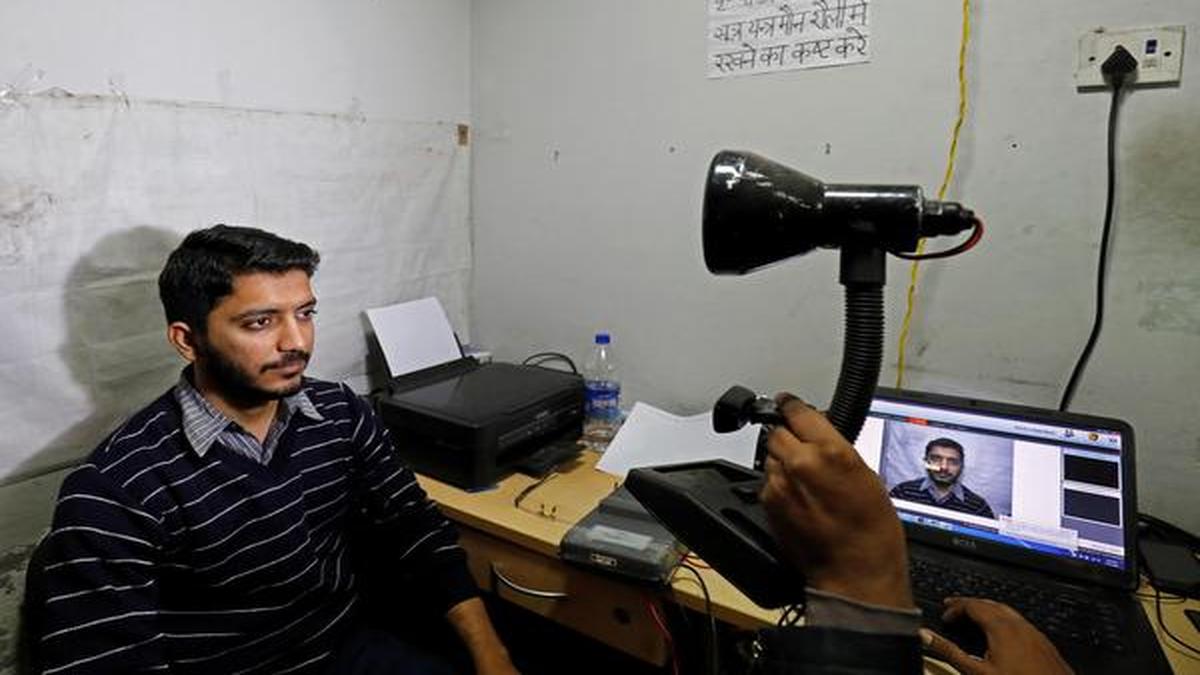
The examination processes in our country should be more technology-savvy and we will look to apply learnings on technology use from large multi-session exams like JEE to other examinations, V Kamakoti, Director, IIT-Madras, said on Monday. The use of digital identity verification methods can also help eliminate issues such as impersonation during examinations, he added. Kamakoti, who has been nominated as a member of the Prime Minister’s newly constituted High Power Task Force on National Testing Agency (NTA) reforms, was speaking to businessline, on his role in the panel. “NEET could not be made computerized because there was a need for it to be on single session and on a single common platform where all the students are evaluated. But if like JEE, if you’re going for multi-session, then it can become computer-based and hence could solve some of the problems,” he said, in a chat with businessline. He explained that in the JEE Mains, there are about 10 sessions of exams that are conducted with about four different papers and a good way has been devised to normalize the evaluation across this. Ensuring IntegrityKamakoti also stressed that in the recent instance of the NEET paper leaks, the lapse was not during the physical transition/distribution phase between centers, but it was an issue of compromised “roots of trust” in paper-setting structures. We will also explore the use of technology to ensure that the integrity of the question paper setting is maintained, he said. Interestingly, he also bats for digital identity verification systems to ensure there is no impersonation issues among students appearing for examinations. “We have already been trying this out in JEE Advanced on a preliminary basis,” he added. While the high profile task force has not had its first meeting yet, Kamakoti expects that they will work on a short-term, medium-term priorities basis and recommend reforms and work with the government to see that there are certain structures and regulations in place to drive them. Evaluation ProcessMeasures already taken like fast-track courts and monitoring vulnerabilities on platforms like Telegram are crucial to addressing fake/real leaks, he said. Speaking of the need for transparency in the evaluation process, he said that true transparency involves providing students with clear insight into how their marks were evaluated either in the form of copies of OMR sheets, response sheets, and by ensuring robust re-evaluation processes. “AI may assist in spotting anomalies or evaluation of errors, but human-in-the-loop is essential,” he added. Published on July 27, 2026