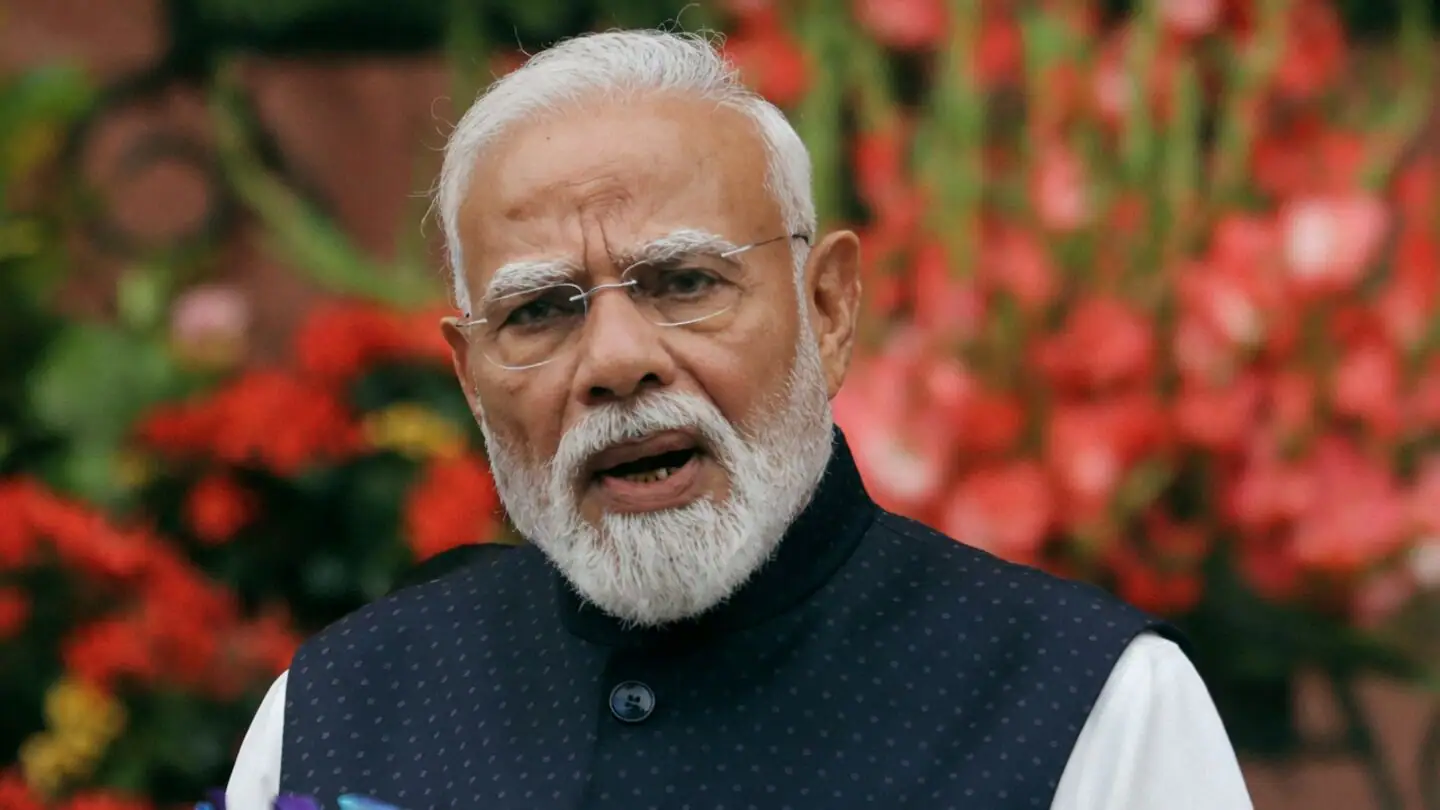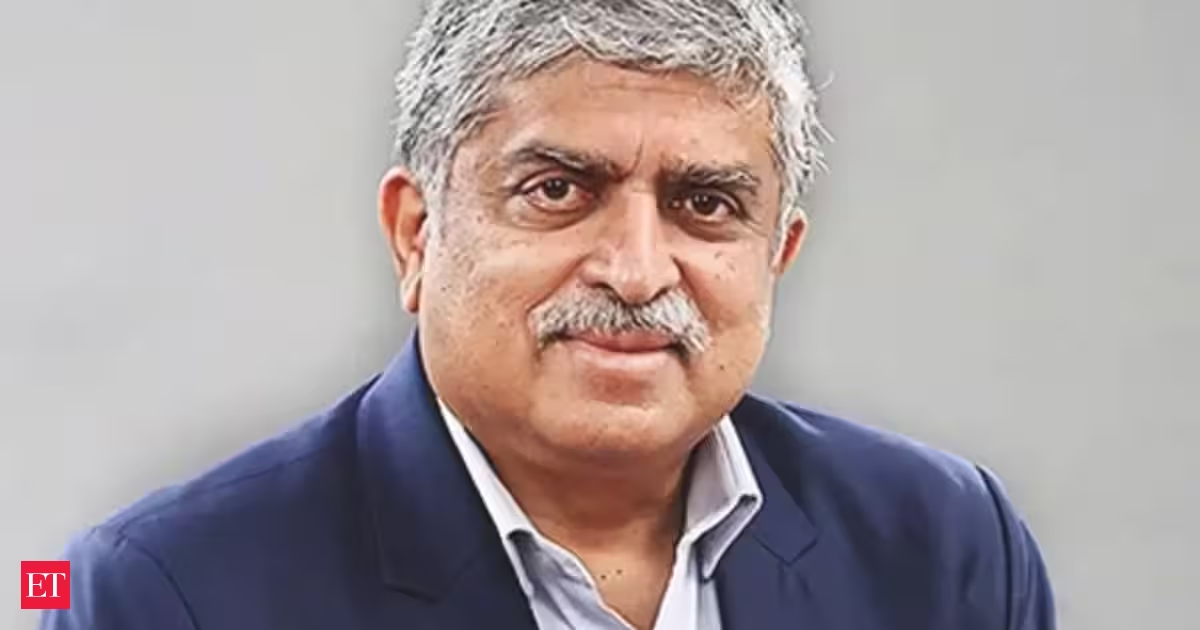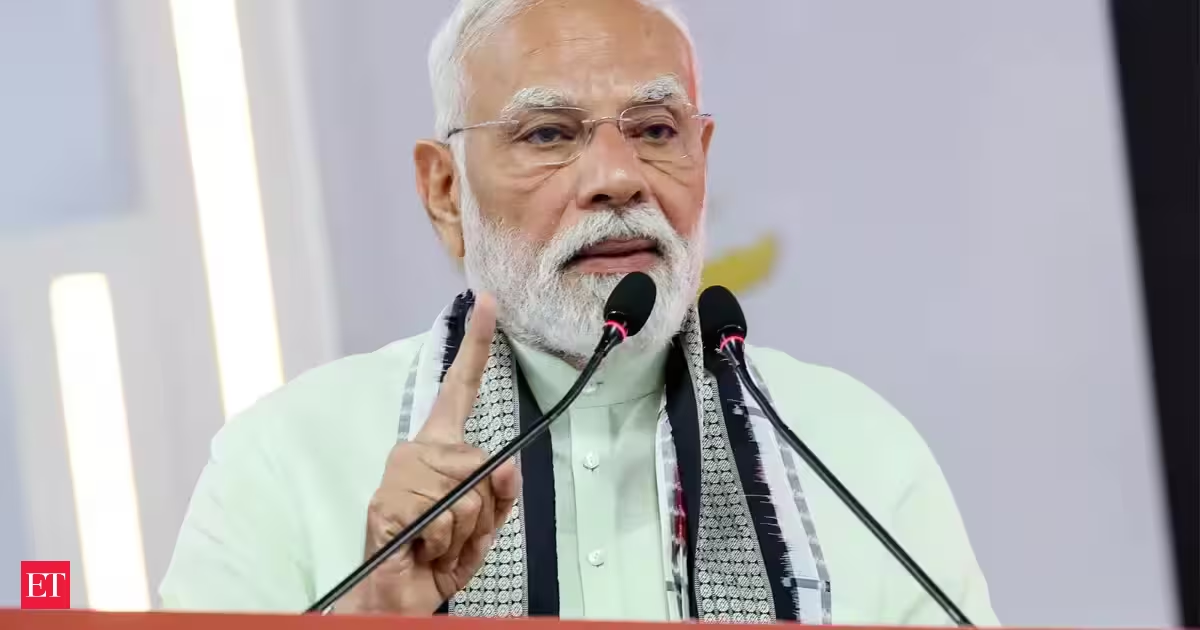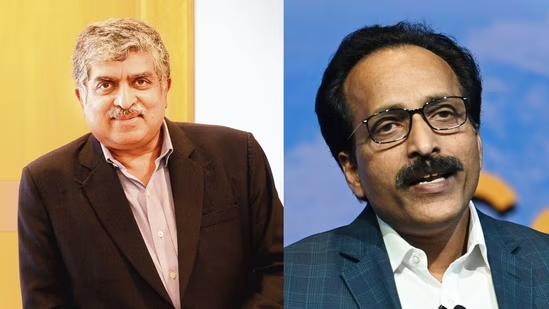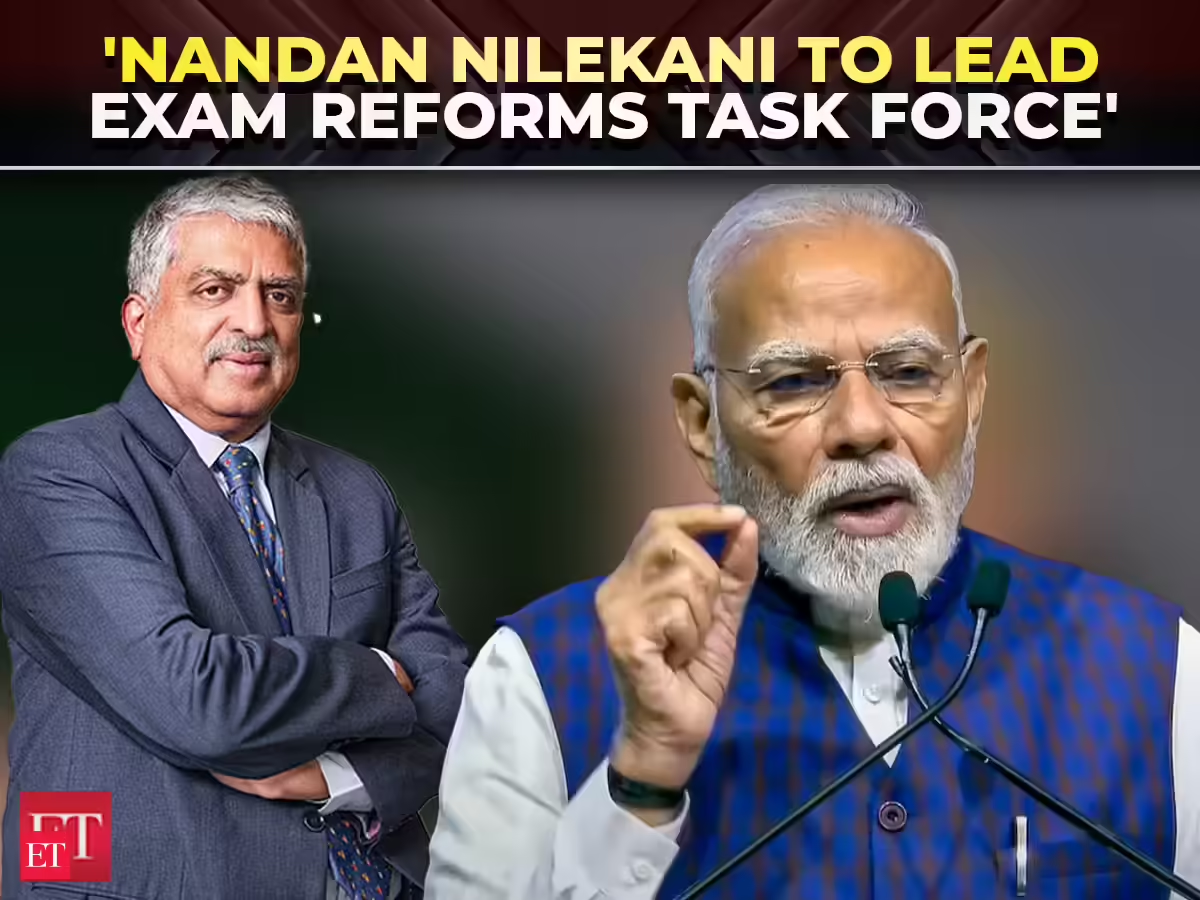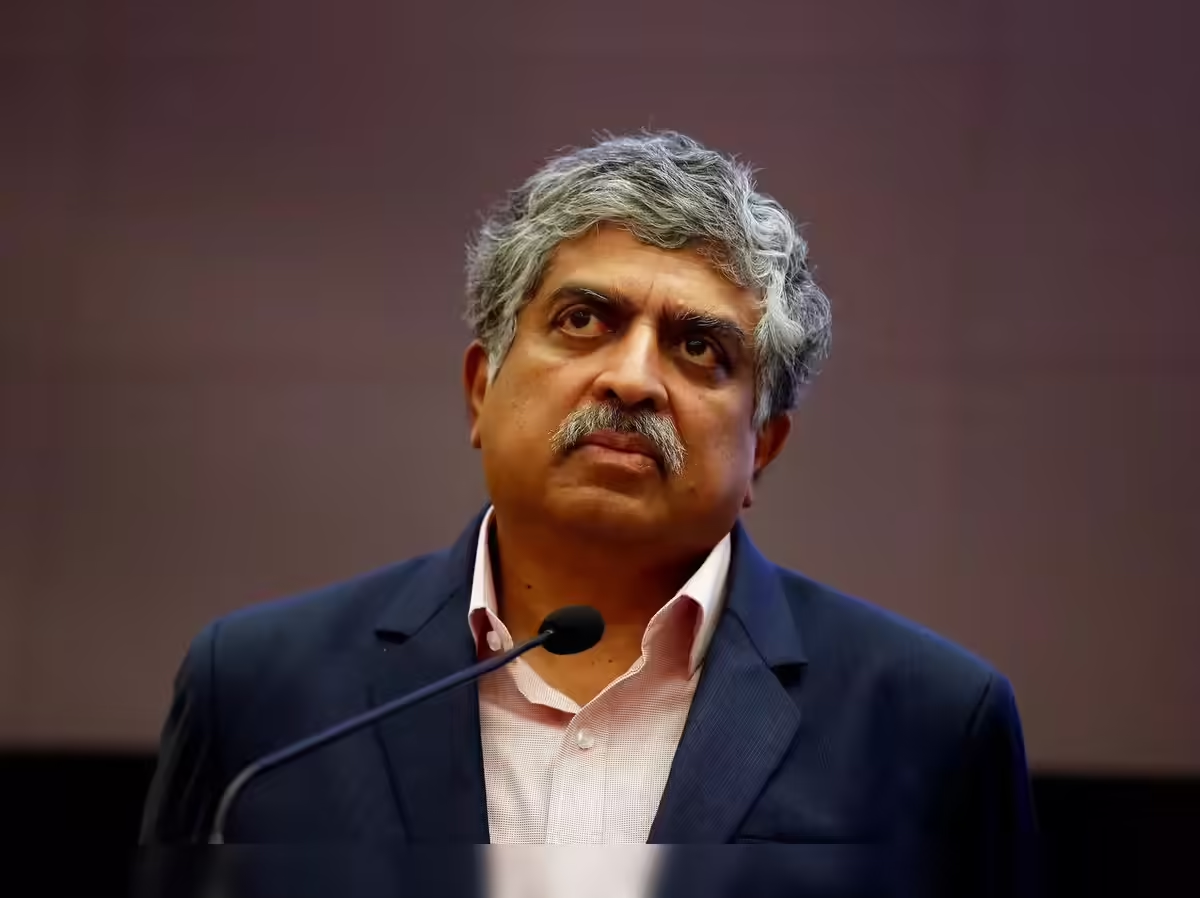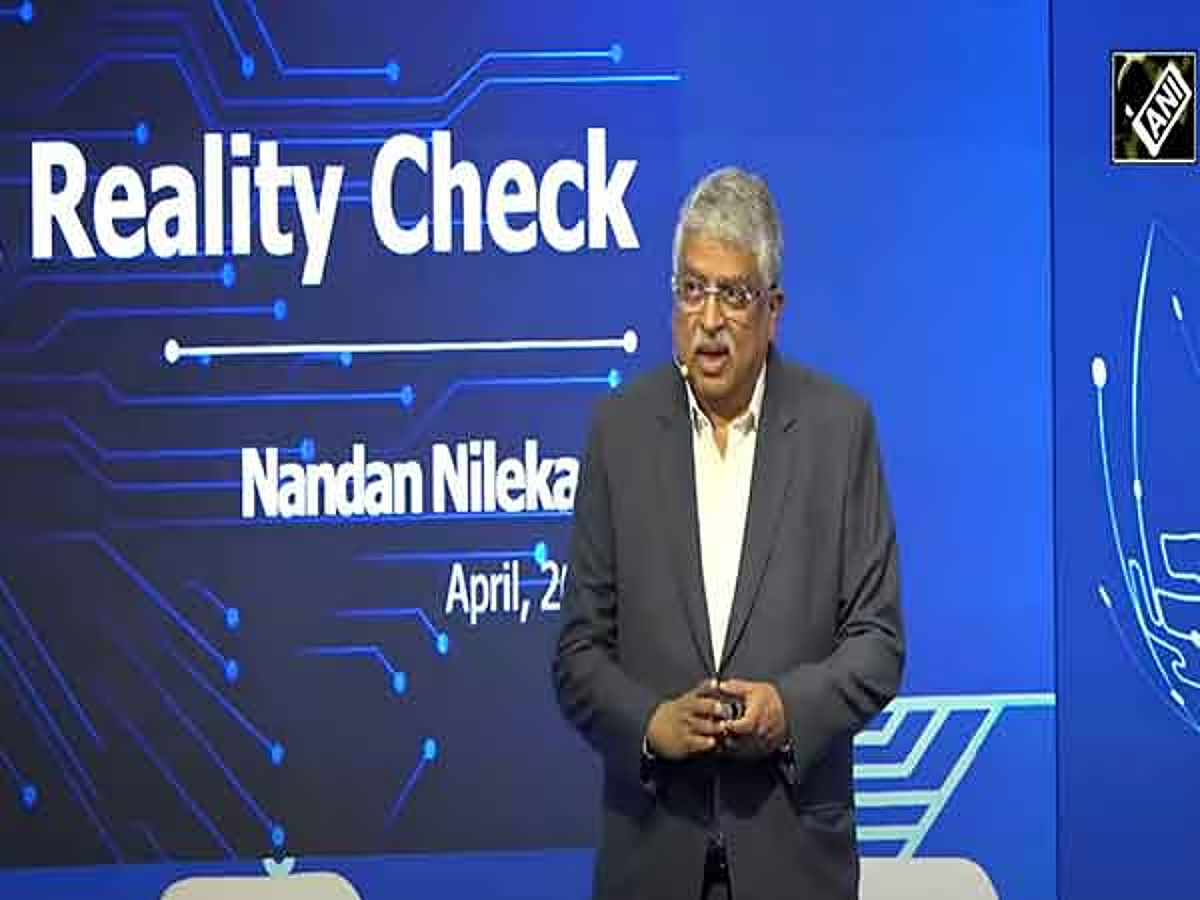
The Indian government has constituted a six-member high-powered task force, chaired by Infosys co-founder and Aadhaar architect Nandan Nilekani, to recommend reforms aimed at making India's entrance examinations more secure, transparent and leak-proof.In a video message shared on X, Modi said those who had "played with the future of students" were now in jail and assured that the government would act swiftly on the task force's recommendations.The multidisciplinary panel has been asked to submit its report at the earliest. It will recommend structural and technology-driven reforms to strengthen the National Testing Agency (NTA), which conducts several major entrance examinations, including the NEET and JEE exams.Why was the panel formed?The task force has been set up to restore public confidence in India's examination system following the alleged NEET-UG 2026 paper leak controversy and weeks of nationwide student protests demanding stronger safeguards against examination malpractice.The controversy raised concerns over question paper security, candidate verification, examination centre management and the overall credibility of high-stakes entrance tests.The Centre said the panel's recommendations will guide future reforms aimed at making national examinations more transparent, secure and reliable.What changes are expected?The government has tasked the committee with recommending reforms to:Prevent question paper leaksStrengthen candidate verificationEnhance cyber securityModernise examination logisticsImprove transparency and credibilityRecommend structural reforms for the NTAThe panel will examine ways to use technology across the entire examination process — from question paper preparation and transportation to candidate authentication, examination delivery and result processing.The reforms are expected to focus on stronger digital safeguards, improved monitoring systems and greater accountability at every stage of conducting examinations.Who is on the task force?The six-member panel brings together experts from technology, space, intelligence, academia and public administration.Nandan Nilekani (Chairperson)Infosys co-founder and Aadhaar architectNandan Nilekani co-founded Infosys in 1981 and later served as the founding chairman of the Unique Identification Authority of India (UIDAI), which introduced Aadhaar. An IIT Bombay graduate, he has played a key role in building India's digital public infrastructure.What he will contribute: Nilekani is expected to lead technology-driven reforms, focusing on digital security, AI-powered identity verification and secure end-to-end examination systems.S SomanathFormer ISRO chairman and space scientistS Somanath served as Chairman of the Indian Space Research Organisation (ISRO) from 2022 to 2025 after a career spanning nearly four decades in India's space programme. He has contributed to launch vehicle development and mission-critical space systems.What he will contribute: Somanath is expected to bring expertise in high-reliability systems, quality control and multi-layer verification processes to reduce technical failures and human errors in examinations.Tapan DekaFormer Intelligence Bureau directorA 1988-batch IPS officer, Tapan Deka served as Director of the Intelligence Bureau from 2022 to 2026. He has extensive experience in national security, intelligence operations and counter-terrorism.What he will contribute:Deka is expected to advise on intelligence-based security measures, cyber monitoring and strategies to detect and prevent organised paper leaks and examination fraud.V KamakotiDirector, IIT Madras and computer scientistProfessor V Kamakoti is a computer scientist specialising in computer architecture, cyber security and VLSI design. He currently heads IIT Madras, one of India's leading technology institutions.What he will contribute: Kamakoti is expected to strengthen computer-based examination systems, improve software security and protect digital platforms from cyber threats.Anita KarwalFormer Education Secretary and ex-CBSE chairpersonA 1988-batch IAS officer, Anita Karwal has held key education administration roles, including Chairperson of the Central Board of Secondary Education (CBSE) and Secretary, Department of School Education and Literacy. She was involved in implementing the National Education Policy (NEP) 2020.What she will contribute: Karwal is expected to recommend reforms in examination governance, evaluation systems, grievance redressal and operational procedures for examination centres.Amrit Lal MeenaSenior IAS officer and logistics expertA 1989-batch IAS officer, Amrit Lal Meena has served as Bihar Chief Secretary and Secretary in the Ministry of Coal, with extensive experience in public administration and large-scale operations.What he will contribute: Meena is expected to focus on secure examination logistics, including question paper printing, storage, transportation and leak prevention measures.NTA and examination reformsThe National Testing Agency was established in 2017 as an autonomous organisation to conduct entrance examinations for higher educational institutions.Over the years, the agency has conducted several major national-level tests, including NEET-UG, JEE Main, CUET and other competitive examinations.However, concerns over alleged paper leaks, technical glitches and examination management failures have led to demands for stronger security measures and greater transparency.India to introduce tougher anti-cheating lawAlongside the task force, the government is set to introduce the Public Examinations (Prevention of Unfair Means) Amendment Bill, 2026 in Parliament.The proposed amendments seek to strengthen the existing law by:Introducing tougher penalties for organised examination fraudEnsuring time-bound investigations and trialsCreating fast-track courts for examination-related offencesImproving accountability in public examinationsThe announcement came a day after former Union Education Minister Dharmendra Pradhan resigned following weeks of nationwide protests over paper leaks and demands for sweeping reforms to India's examination system.Next stepsThe task force will prepare its recommendations and submit a report to the government. The Centre is expected to use the panel's findings to shape future reforms for the NTA and India's wider examination system.With inputs from ANI, IANS
Aadhaar architect, ex-ISRO chairman: Who are the 6 experts making India's exams leak-proof?
India forms a high-powered task force led by Nandan Nilekani to make NEET, JEE and other entrance exams leak-proof, secure and transparent after paper leak row.
833 words~4 min read