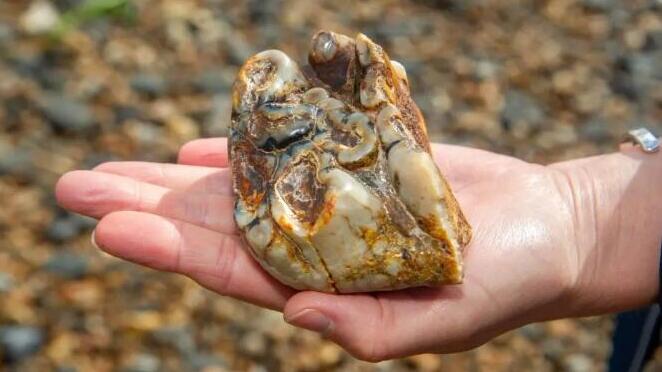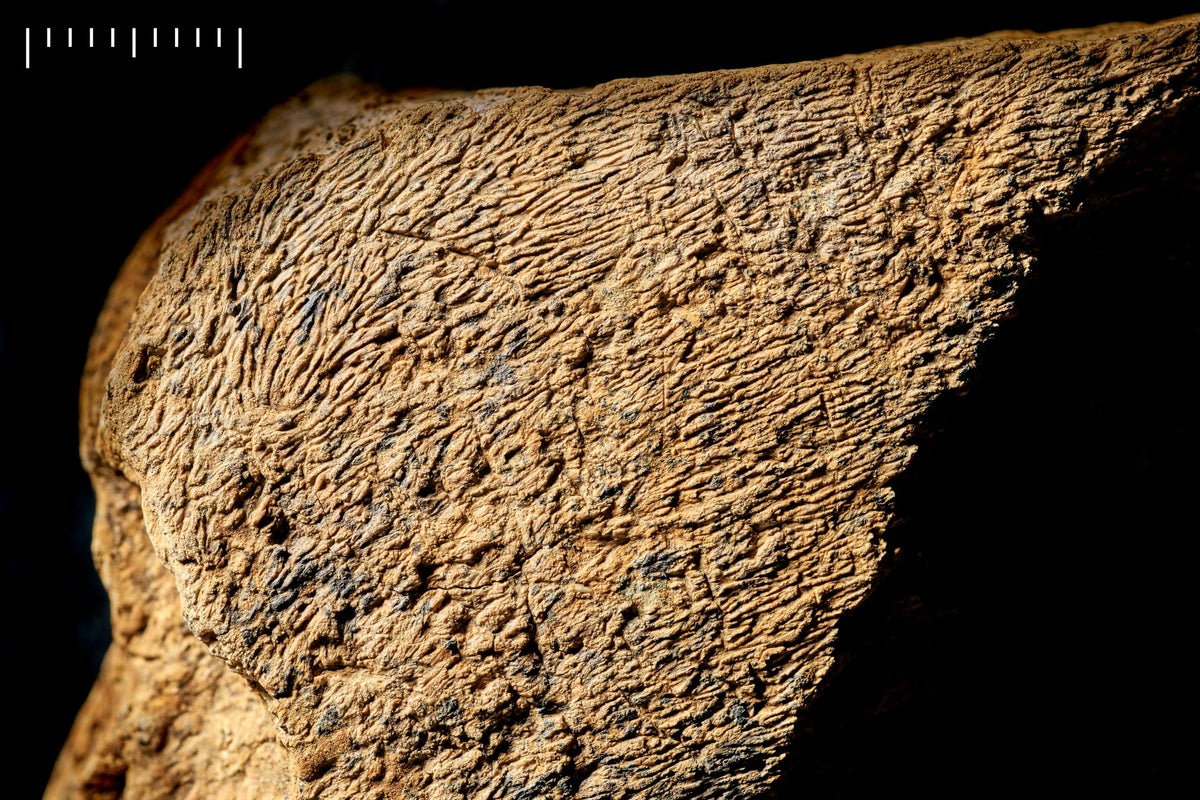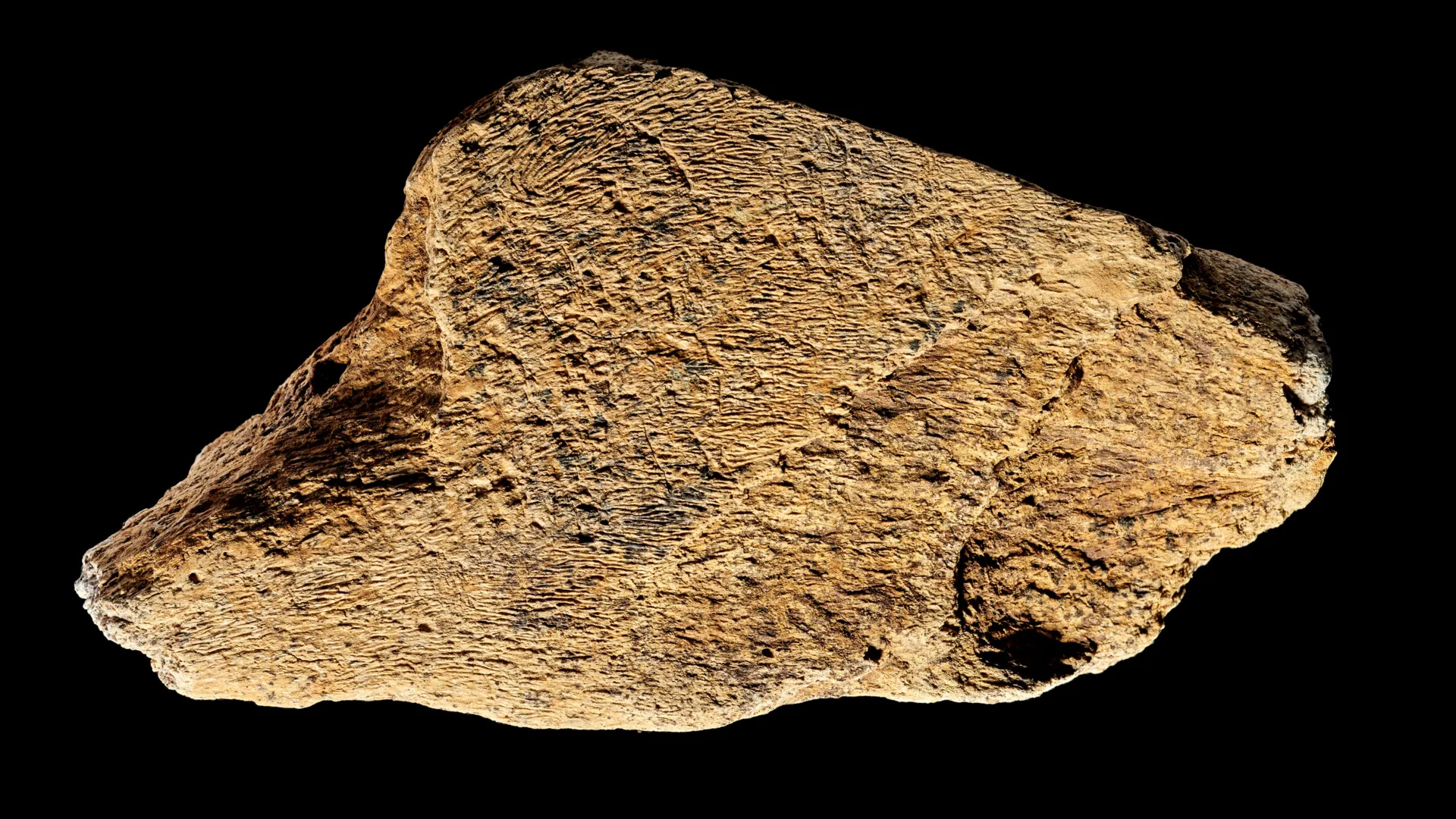
Archaeologists have identified a prehistoric hammer made from elephant bone that dates back almost 500,000 years. Found in southern England, the object is the oldest known elephant bone tool ever discovered in Europe.
Researchers from UCL and the Natural History Museum, London analyzed the rare artifact, which offers a striking look at the intelligence and technical abilities of early human ancestors. Their findings were published in Science Advances.
The tool was probably created by early neanderthals or Homo heidelbergensis. Rather than serving as a heavy hammer, it functioned as a softer striking tool used to repair and sharpen stone handaxes and other cutting implements after their edges became worn.
Lead author Simon Parfitt (UCL Institute of Archaeology and Scientific Associate at the Natural History Museum) said: "This remarkable discovery showcases the ingenuity and resourcefulness of our ancient ancestors. They possessed, not only a deep knowledge of the local materials around them, but also a sophisticated understanding of how to craft highly refined stone tools. Elephant bone would have been a rare but highly useful resource, and it's likely this was a tool of considerable value."