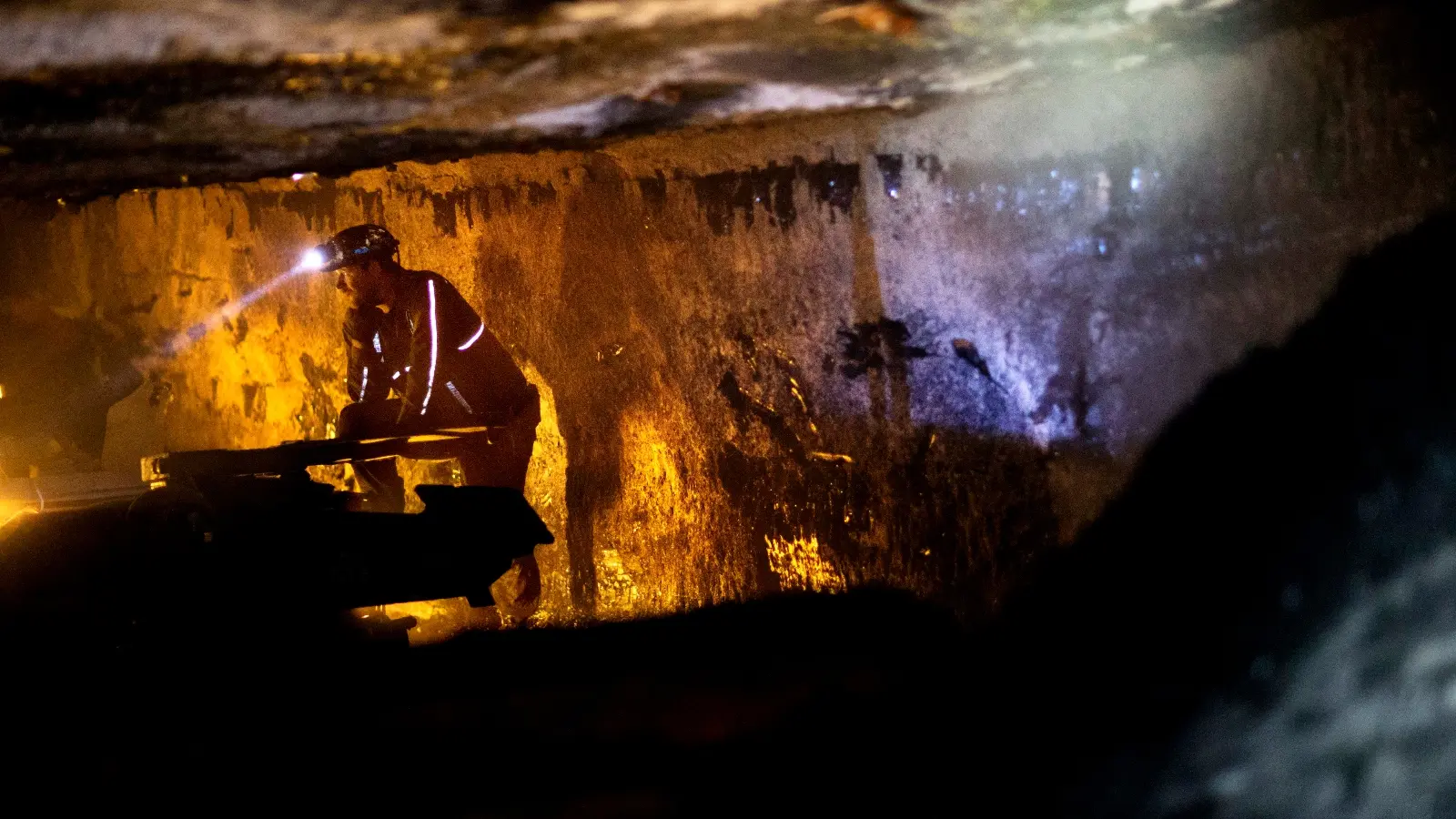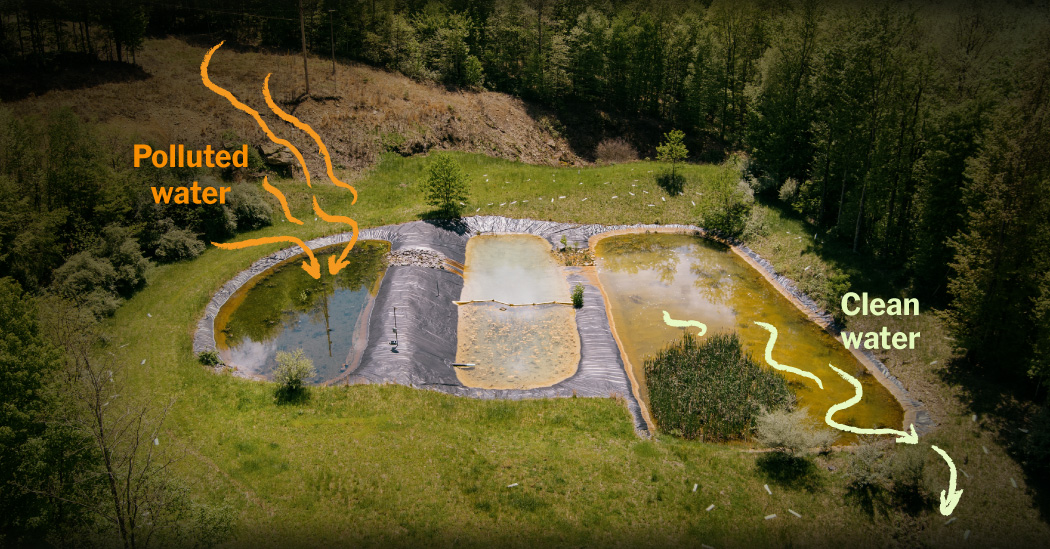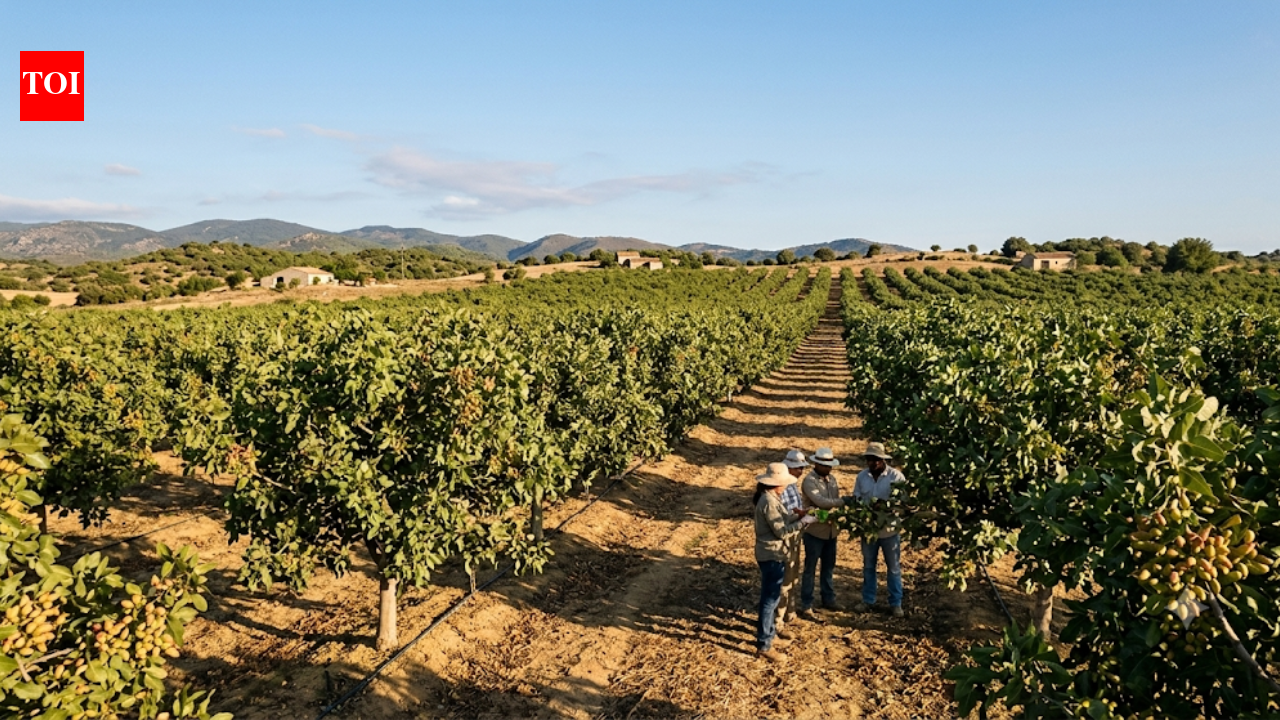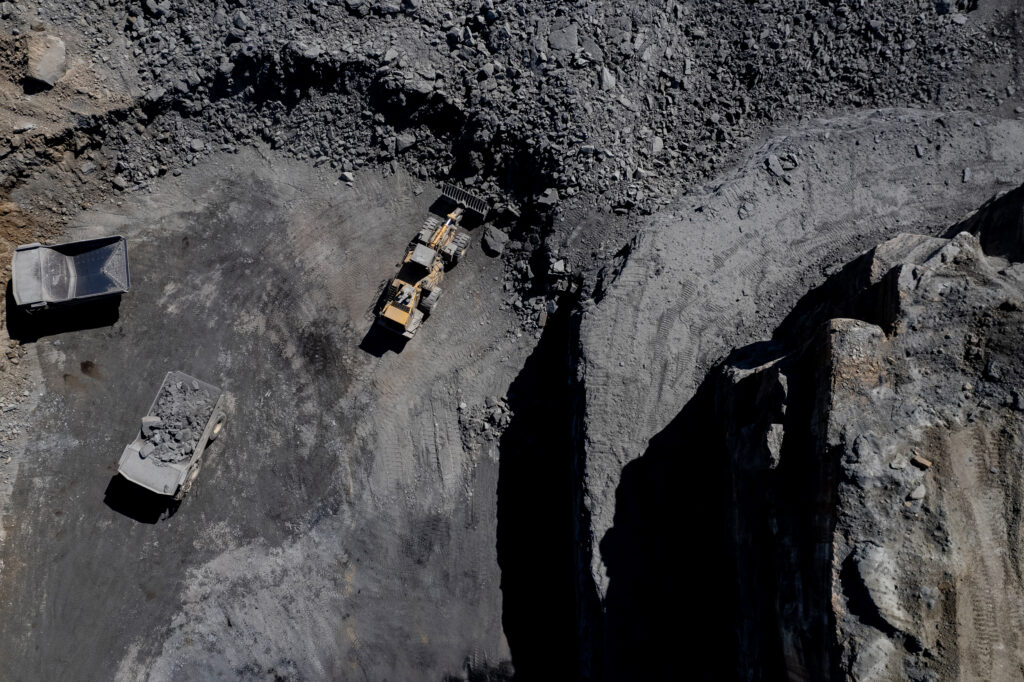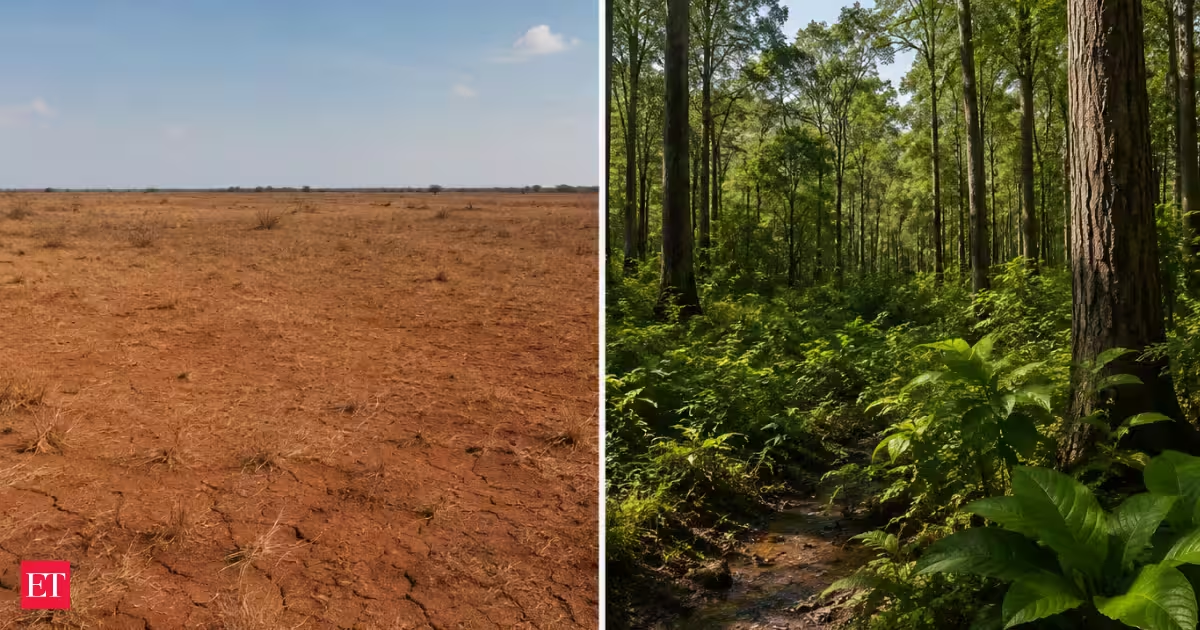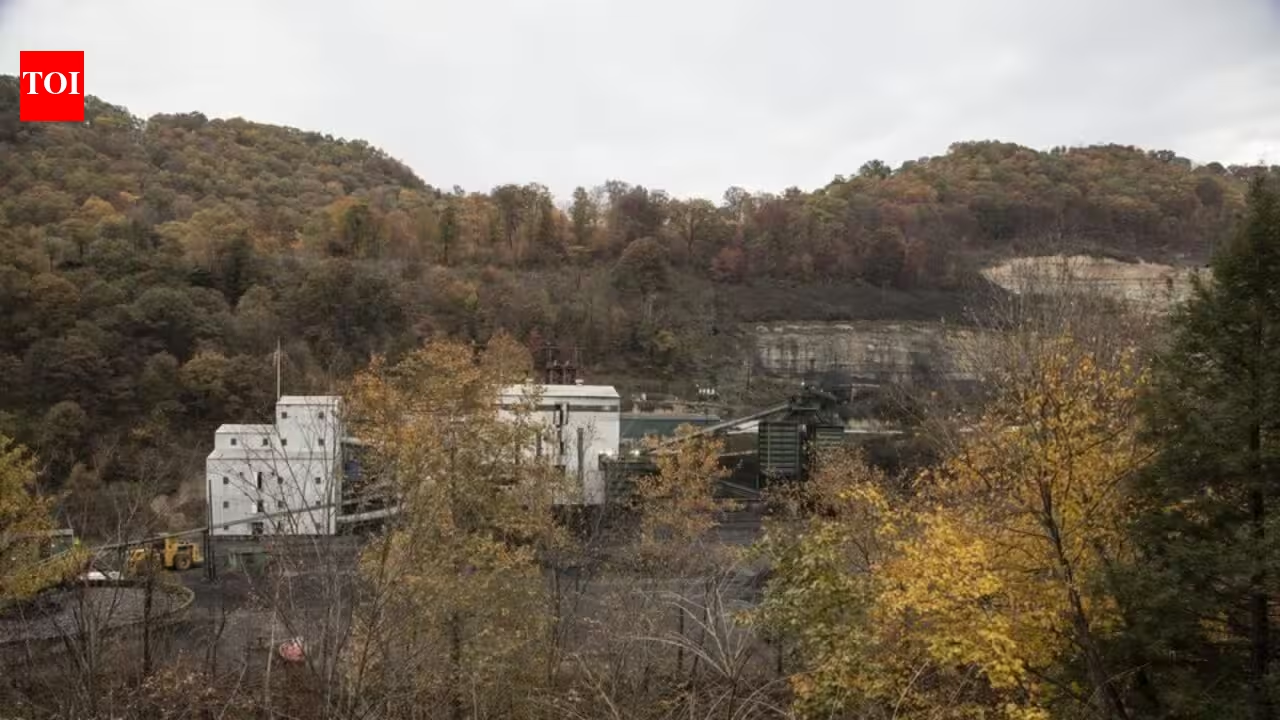
A project is restoring Appalachian coal mining lands into young forests. Image Credit: Wikimedia CommonsFor many years, coal mining shaped much of Appalachia in the eastern US. Mining has caused deforestation and widespread land disturbance. But now, a project is working to turn former coal mining land back into young forests by planting trees.As reported by the World Economic Forum, Green Forests Work, a non-profit organisation based in Lexington, Kentucky, has been involved in restoring forests on former surface-mined lands in Appalachia. It aims to restore forests by repairing damaged soil, removing invasive vegetation, and reforesting the area with native trees. Green Forests Works says millions of native trees planted through its restoration efforts now grow on thousands of acres of former mine lands in Appalachia and beyond.Why former coal mining sites are hard to reforestReforesting abandoned mine lands is much more complicated than just planting seedlings. In many cases, surface mining removes the soil layers forests need to grow. After mining ends, the area may be left with compacted soil, poor drainage and conditions that are unfavourable for native tree survival.Research has shown that trees planted on reclaimed mine lands often struggle because of compacted soils and poor soil conditions. A review published in the Soil Science Society of America Journal noted that rebuilding suitable mine soils is essential for restoring native forests on Appalachian mined lands, as soil properties strongly influence tree establishment and growth.The paper argues that successful reforestation on mined land depends on rebuilding forest-like soil, not just spreading a thin layer of topsoil. It reviews Appalachian studies showing that mining methods, weathering and spoil selection can leave soils too compacted, acidic or drought-prone for native trees. The study also emphasises that mine-soil design should be matched to the target forest community.In an attempt to solve this problem, Green Forests Works relies on the Forestry Reclamation Approach (FRA) in its restoration process. This strategy involves loosening compacted soils, creating conditions that support tree roots and planting a mix of native tree species instead of grass. The US Office of Surface Mining Reclamation and Enforcement (OSMRE) has advocated the Forestry Reclamation Approach.From mine land to native forestThe Appalachian region is home to some of the most diverse temperate forest ecosystems in the world. However, years of mining activity have affected large parts of the region. According to the US Office of Surface Mining Reclamation and Enforcement (OSMRE), millions of acres of abandoned mine lands affected by coal mining have required reclamation efforts across the country.The 1977 Surface Mining Control and Reclamation Act (SMCRA) provided a framework for reclaiming such mine lands, but restoration has been shaped by factors such as the desired post-mining land use and the method of restoration.Green Forests Works aims to restore forests by replanting native trees such as oaks, maples and walnuts, which provide habitat for animals. According to Green Forests Works, restored mine lands can support bird, mammal and insect species that depend on native forests.Green Forests Work plants millions of native trees on thousands of acres. This effort repairs damaged soil and removes invasive vegetation. Image Credit: Green Forests WorkForest restoration with benefits to former mining townsIt’s not just about planting trees in the forest restoration project. The effort also aims to restore damaged land while creating jobs for local communities. Green Forests Works collaborates with regional tree nurseries, contractors and machinery operators, some of whom may previously have worked in coal-related businesses. The group says this creates economic opportunity while restoring damaged land.Why forest restoration matters for climate changeForests play a major role in absorbing carbon dioxide and protecting soils and biodiversity. Restoring degraded land is widely seen as an important climate strategy. However, restoring forests involves more than simply planting trees. Scientists say the right tree species need to be planted in the right place.An article that was published in Science in 2019 indicated the potential role of forest restoration in mitigating climate change, yet only with the help of ecological planning and not tree planting. Land once stripped by mining can eventually become a forest of native trees and wildlife.
Since 2004, Green Forests Work has helped plant millions of native trees on former Appalachian coal mines, restoring compacted industrial land toward forest
For many years, coal mining shaped much of Appalachia in the eastern US. Mining has caused deforestation and widespread land disturbance.
682 words~3 min read