By linking infrastructure delivery with political inclusion and economic empowerment, the administration is redrawing the South-East political map from one defined only by election-day figures, to one defined by roads constructed, factories powered, and people included in governance… The South-East deserves to be at the centre of Nigeria’s growth story. Under President Tinubu, I dare say that repositioning has begun.
When the 2023 presidential election results were announced, many analysts and commentators gave a largely unanimous verdict regarding the voting pattern in the South-East. The region had voted almost entirely along the ethnic line. The figures told part of the story: Mr Peter Obi of the Labour Party swept the zone with over 1.8 million votes. In comparison, Asiwaju Bola Tinubu of the All Progressives Congress recorded just about 127,000 votes across the five South-East states.
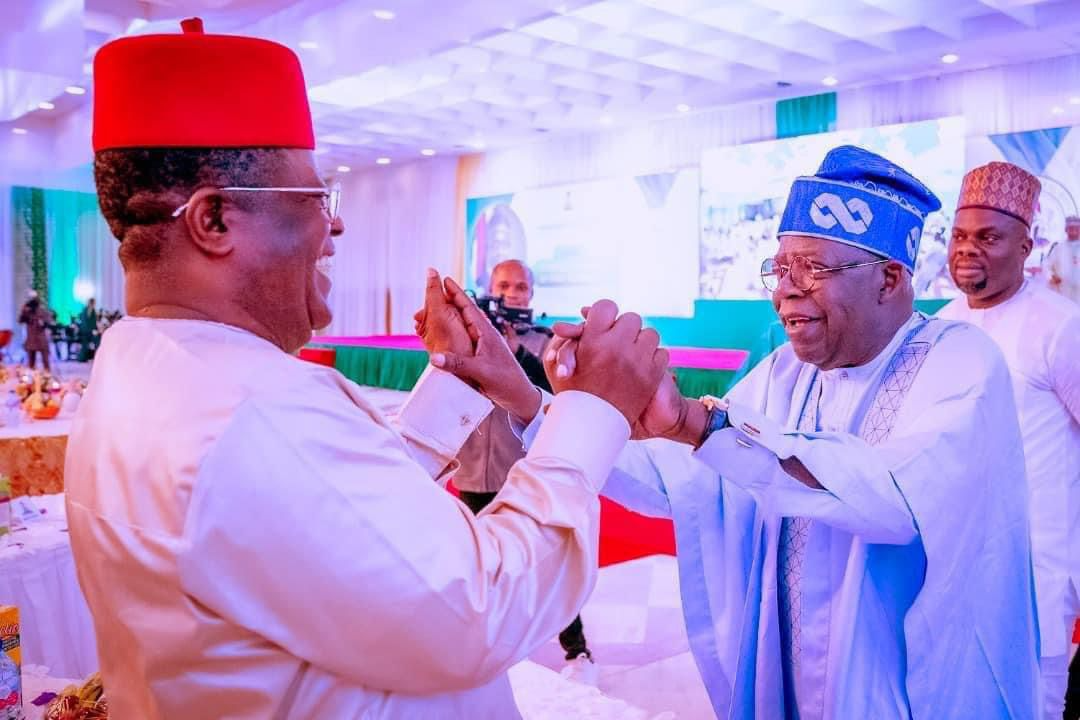
Three years into the Tinubu administration, that electoral map is already being redrawn – not by rhetoric, but by landmark projects, appointments in strategic positions and deliberate political engagement. The South-East has historically complained of neglect, specifically in relation to federal presence. President Tinubu has moved to close that gap with visible infrastructure projects.