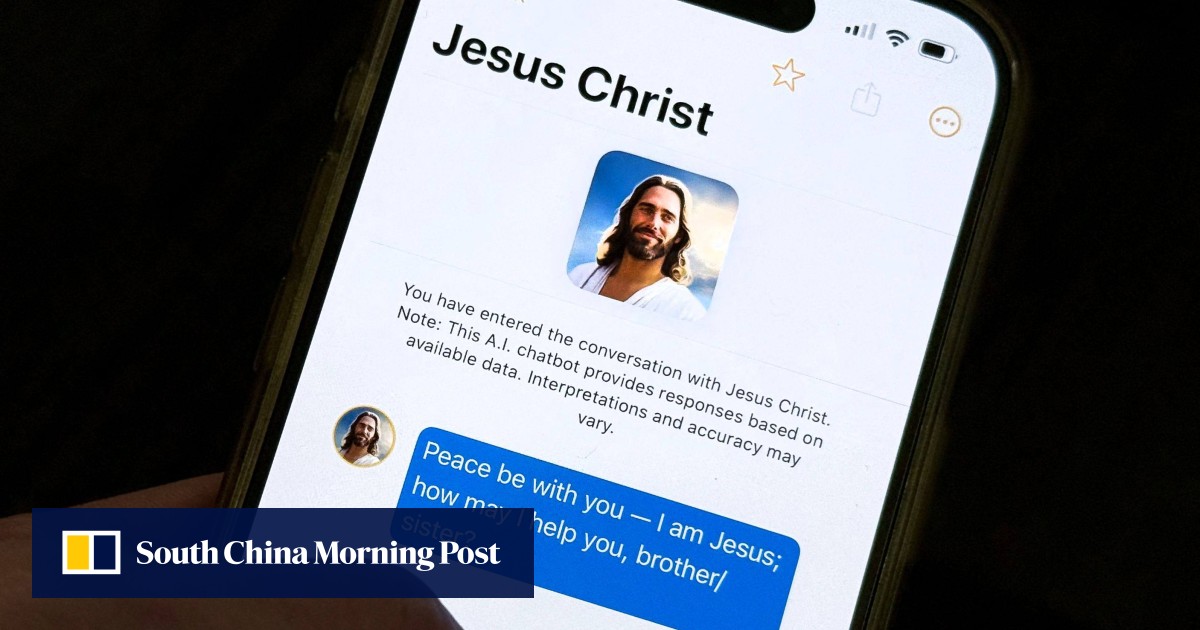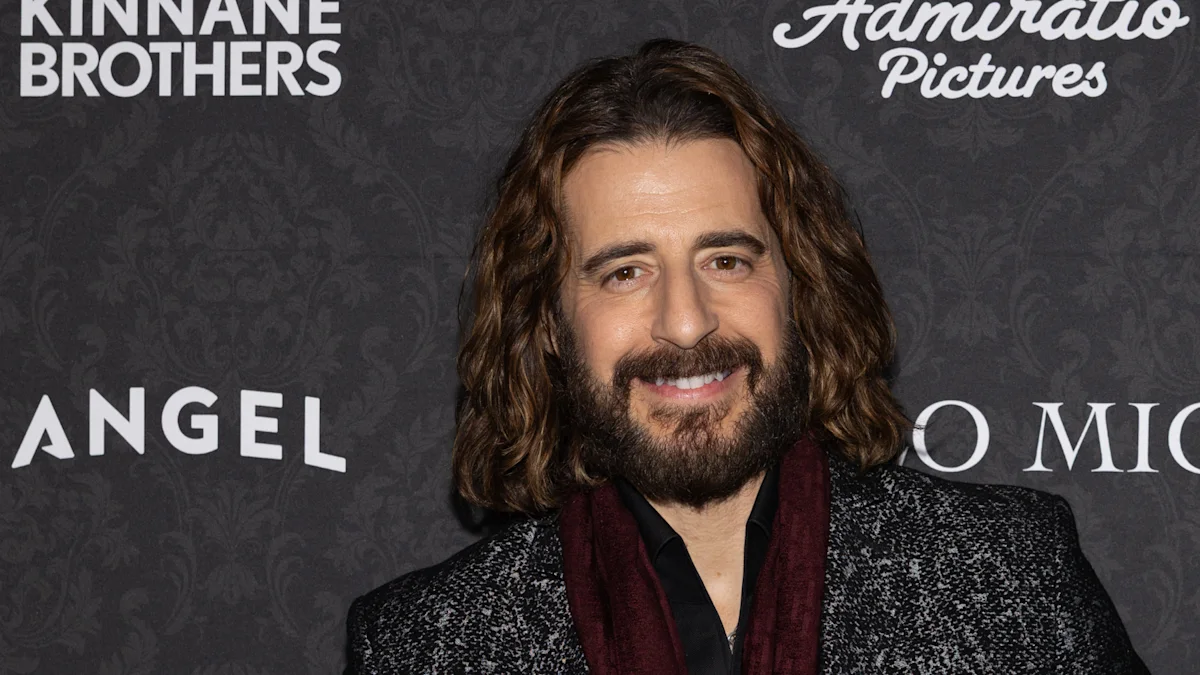
The app that sells $1.99-a-minute video calls with Jesus is not a parody. It is a product. Just Like Me, the Los Angeles startup run by chief executive Chris Breed, offers users an AI-generated avatar of Christ with shoulder-length hair, a small warm smile, and golden lighting of the sort church lighting never quite manages, trained on the King James Bible and a catalogue of sermons by preachers the company has not disclosed. A package deal gets you forty-five minutes a month for $49.99. The visual reference, according to the Associated Press, is Jonathan Roumie, the actor who plays Jesus in the streaming series “The Chosen”. Users, Breed told reporters this April, “do feel a little accountable to the AI. They're your friend.”
It is the kind of sentence you read twice.
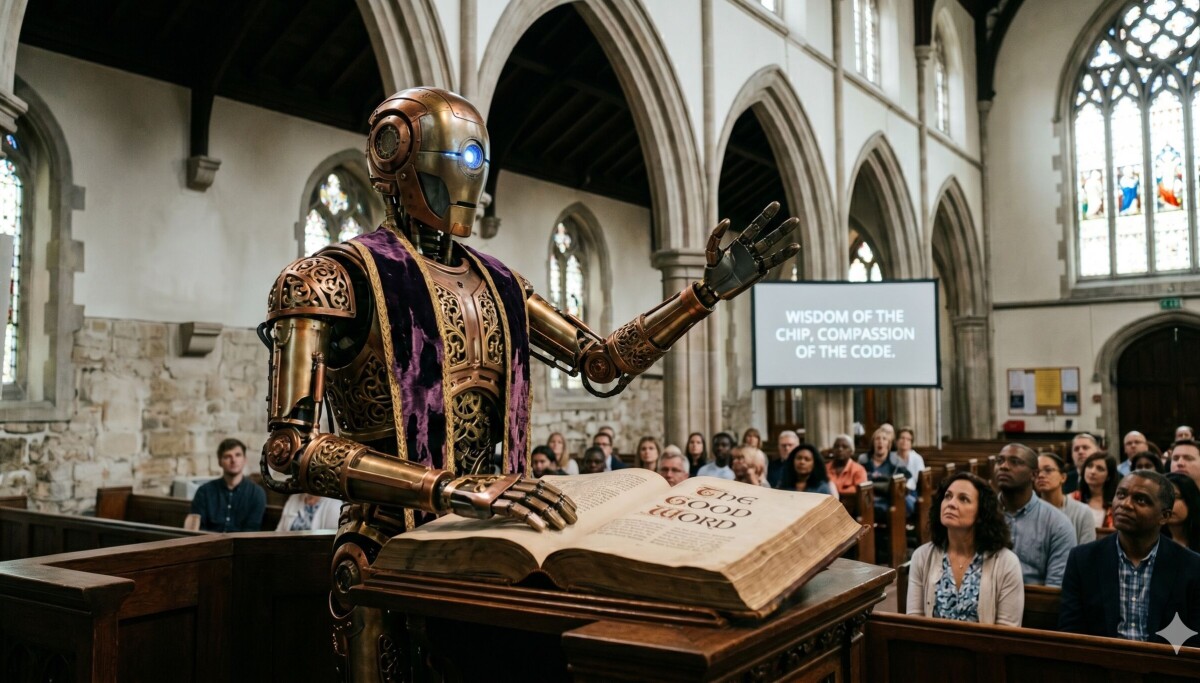
It is also, increasingly, how tens of millions of Americans think about spiritual counsel. The finding that should have landed harder arrived on 19 February 2026, when the research firm Barna Group, in partnership with the faith-technology platform Gloo, released a study that most of the American press promptly misread as a novelty item. Nearly one in three US adults, the headline ran, now believes spiritual advice from artificial intelligence is as trustworthy as advice from a pastor, priest, or religious leader. Among Gen Z and millennials, it was two in five. Among practising Christians, it was 34 per cent. Roughly four in ten Christians said AI had already helped them with prayer, Bible study, or spiritual growth. And 41 per cent of Protestant pastors, the same people the other 59 per cent were reportedly trusting less than a chatbot, were themselves using AI tools to prepare sermons. Only 12 per cent of pastors felt comfortable teaching their congregations anything about AI at all.