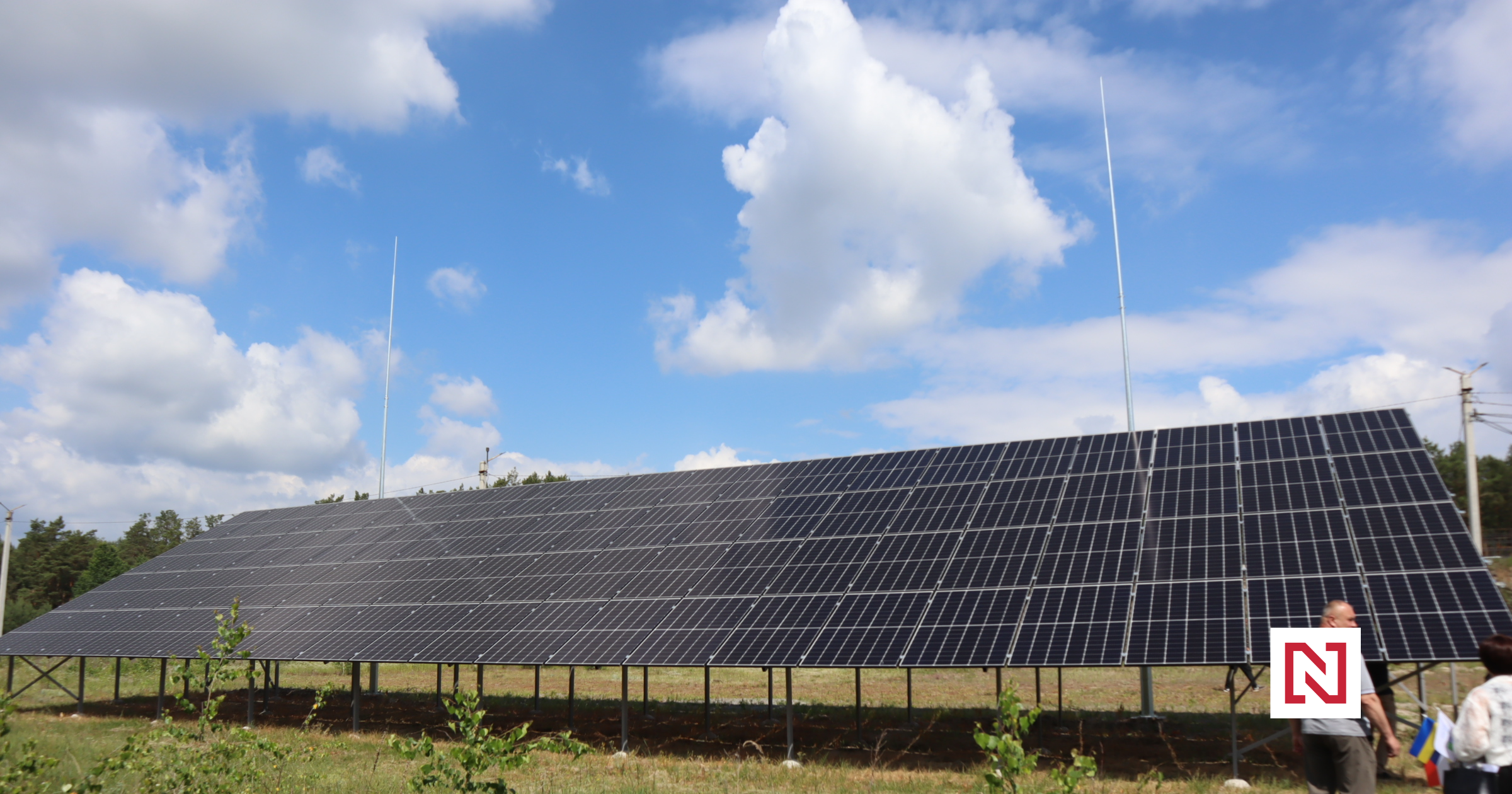
While the Solar for Ukraine campaign, an initiative from Greenpeace and the Biohaus Foundation, has been around for a while now, the calls for donations to support it continue.
By the end of this year, the Solar for Ukraine campaign aims to help at least a dozen hospitals in Ukraine obtain photovoltaic systems capable of providing emergency power. “If donations allow, even more,” says the Biohaus Foundation, which has been organizing the campaign together with Greenpeace Germany and Greenpeace Ukraine since mid-2024.
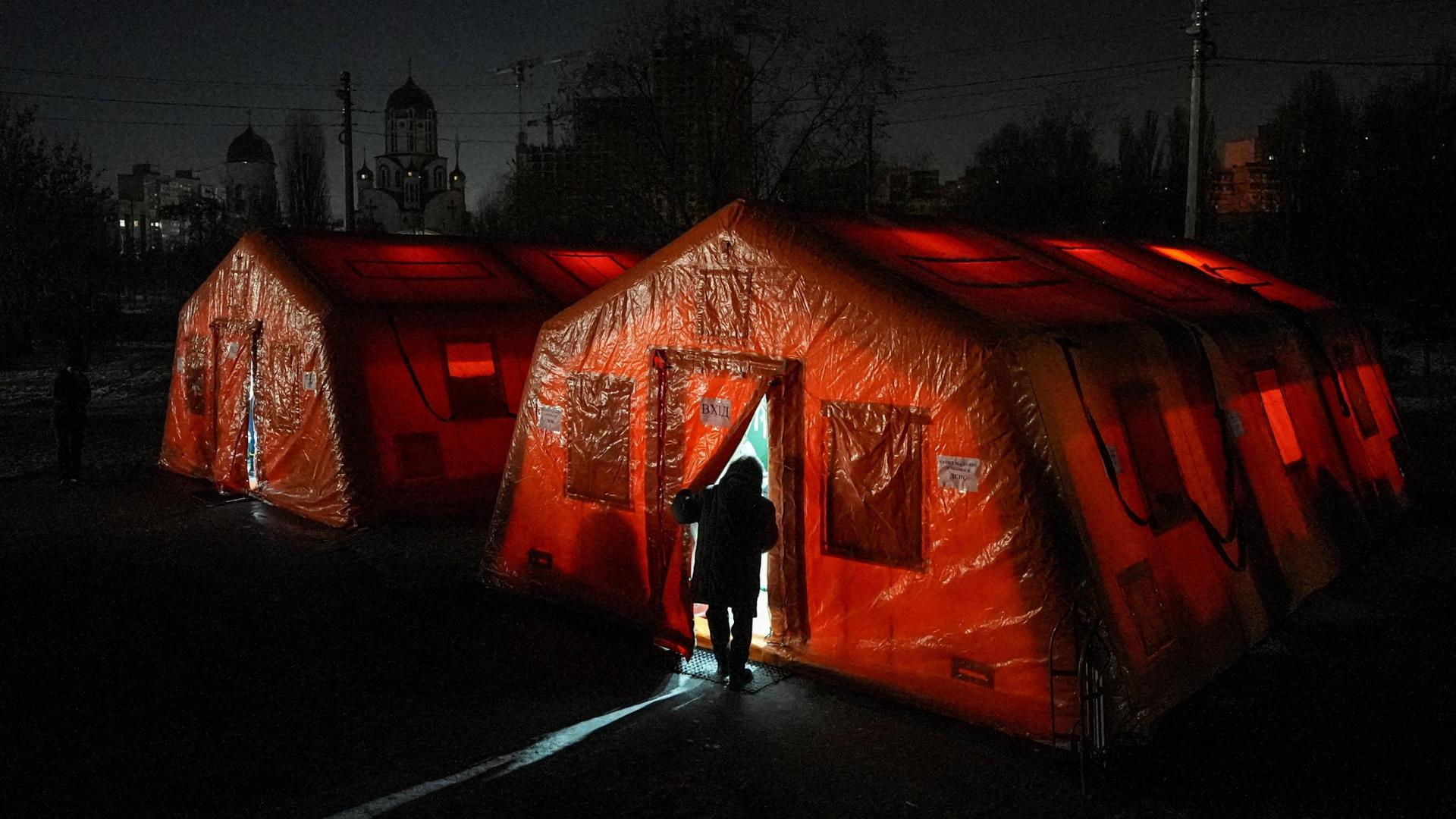
It doesn’t take much imagination to grasp what’s at stake: power outages in a hospital that last hours rather than minutes, and strike almost daily rather than once every few years. Where emergency generators are overwhelmed or unavailable due to lack of fuel, it’s no exaggeration to say that a photovoltaic system on a hospital can save lives.
Yet despite, or perhaps because of, those high stakes, the campaign takes a surprisingly pragmatic approach, one shaped by the need to use available funds as effectively as possible.
“We no longer want to send used modules to Ukraine” is one statement that might seem puzzling at first. However, Willi Ernst, who co-founded the Biohaus Foundation with Dagmar Schmidt-Gold in 2009 and was previously among Germany’s solar pioneers with his company Biohaus PV, which he sold in 2006, can explain the logic behind it.