When Russia’s full-scale invasion of Ukraine began, solar and storage stopped being simply “green technologies.” They became tools for survival. That reality shaped the creation of the Energy Act for Ukraine Foundation back in April 2022
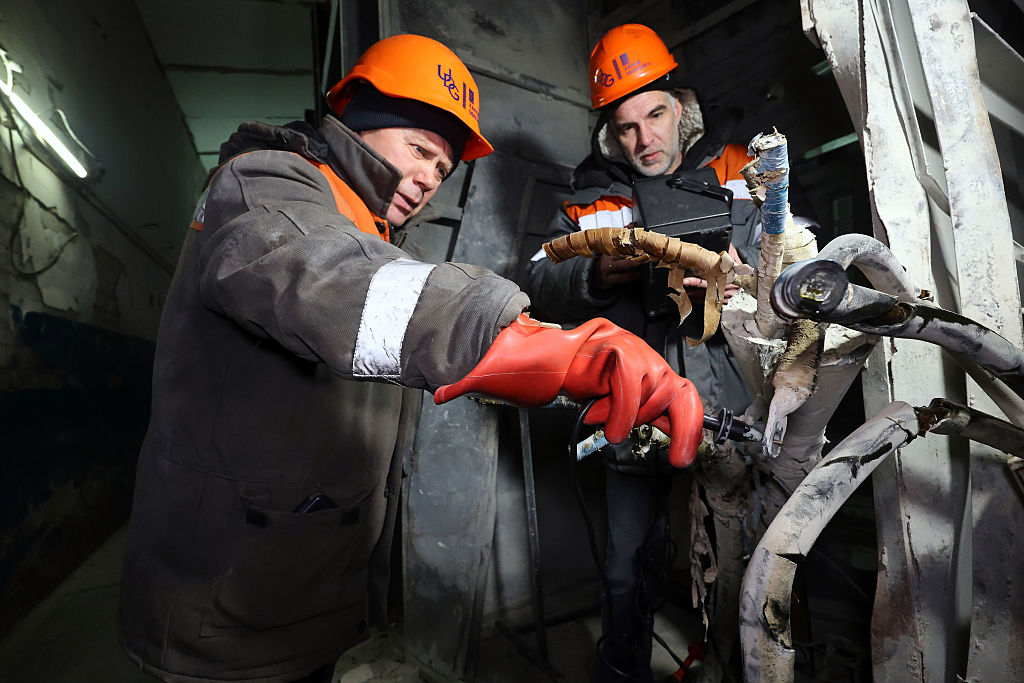
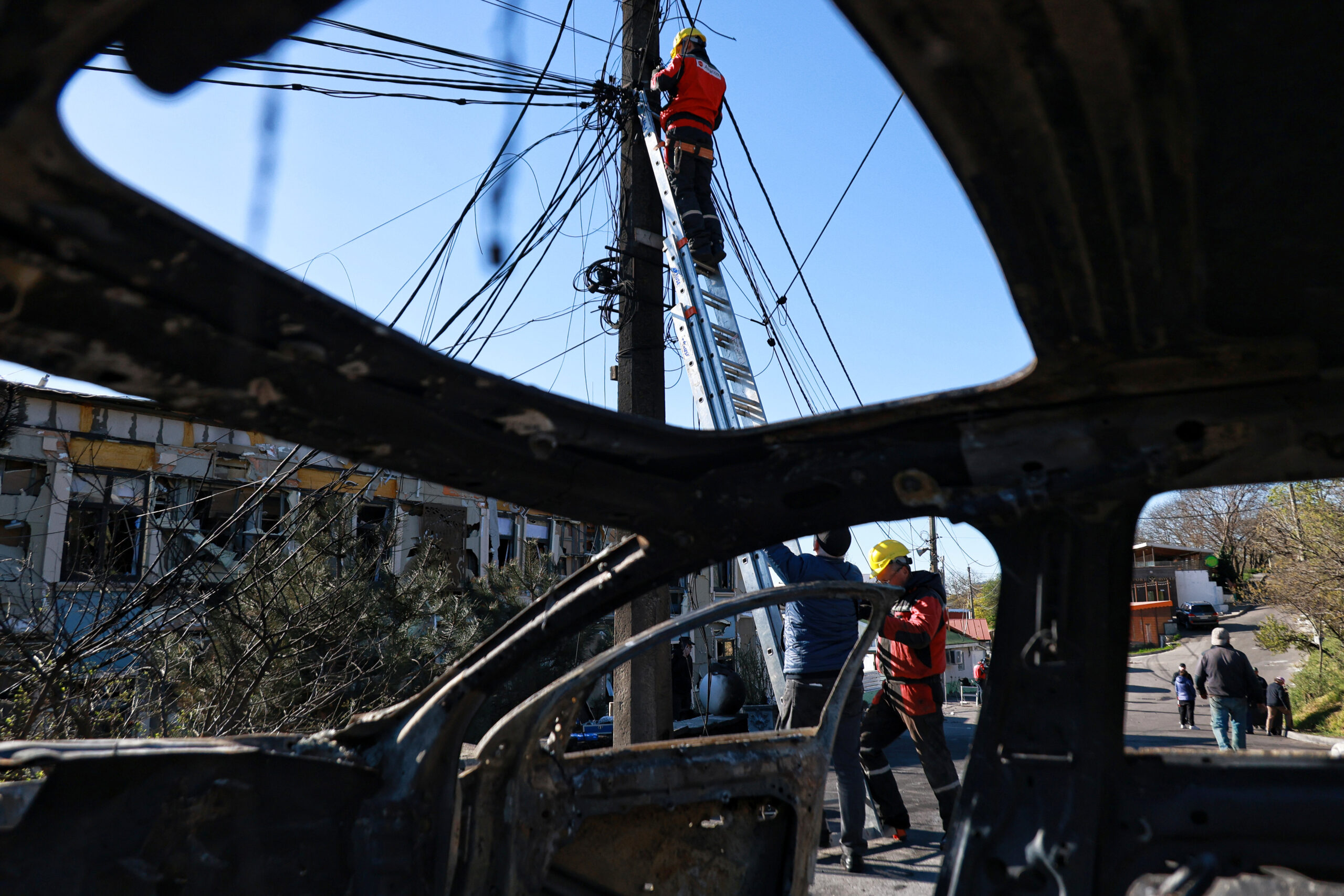
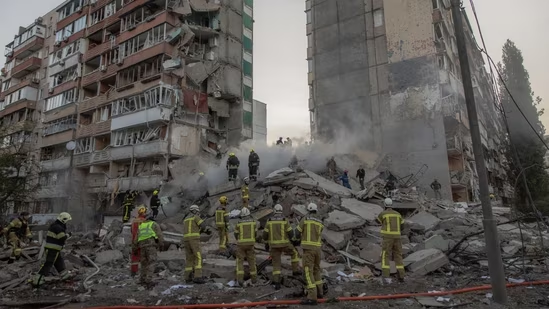
In Ukraine today, energy is no longer only about decarbonisation or market transformation. It is about whether a hospital can continue operating during missile attacks, whether children can continue learning during blackouts, and whether communities can maintain access to heating, communication, and basic human dignity when the grid collapses.
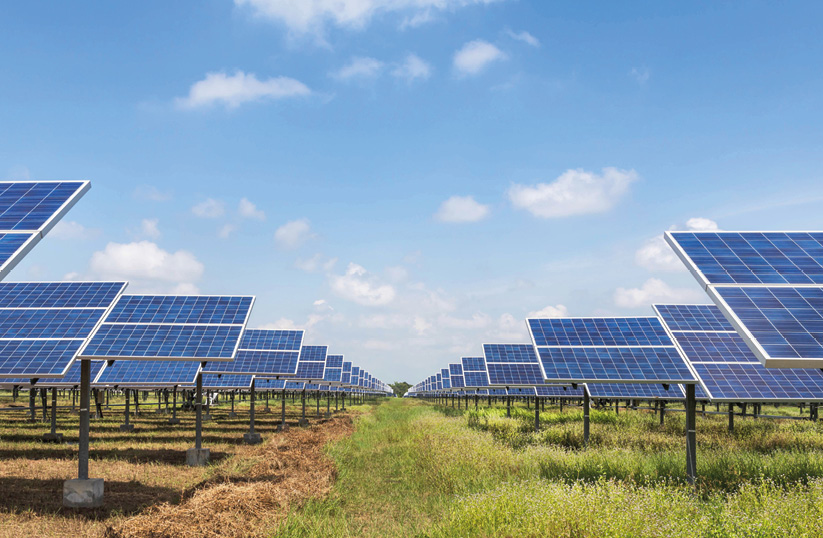
I have seen firsthand how decentralized energy systems can become the difference between complete shutdown and some sense of continuity. During some of the attacks last winter, blackouts lasted anywhere from three to five consecutive days. In those moments, solar and storage systems allowed hospitals to keep operating, schools to stay open, and communities to maintain at least some stable access to electricity and heating. In many places across Ukraine, decentralized energy became the difference between fear and resilience.
The creation of the NGO Energy Act for Ukraine Foundation was driven solely by the purpose of being there for people who stayed in Ukraine when the war started, and doing what I knew how to do best, building solar power plants for people, especially for public buildings.