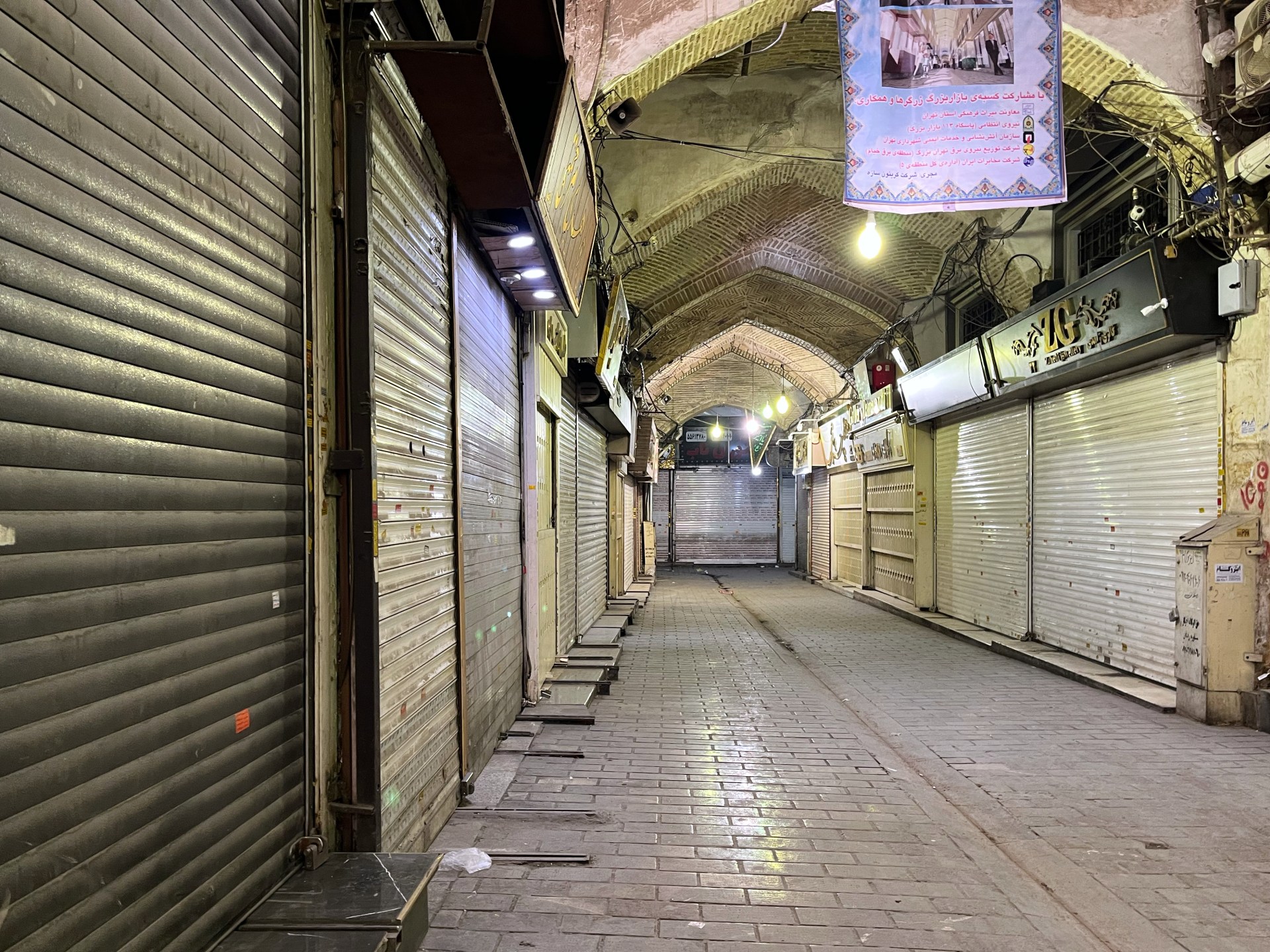
Walking along Moallem (Teacher) Boulevard in Yaftabad, in south-western Tehran, I wander through the spacious wholesale shops selling upholstery fabrics, furniture fabrics and curtain materials. The sluggishness of business immediately catches my attention.
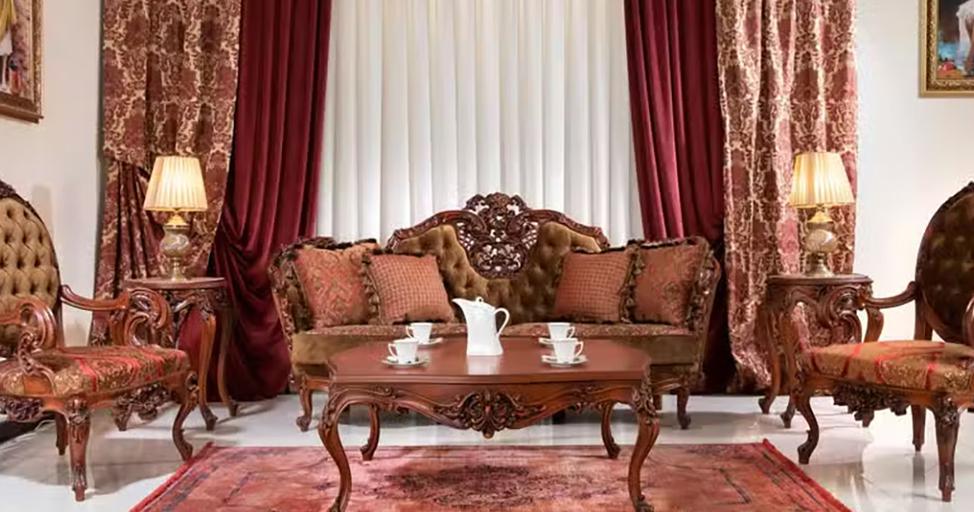
Iran’s furniture industry has long been recognised as an important sector in both the domestic market and the markets of neighbouring and regional countries. Numerous companies design and manufacture furniture, producing a wide range of high-quality products for both local consumers and export markets. Today, Iranian furniture is exported to several countries, including Iraq, Armenia, Georgia, Kazakhstan, the United Arab Emirates and Azerbaijan.
According to the industry’s union, 614 industrial enterprises and more than 7,000 manufacturing and production units are still active in Iran’s furniture industry. During the Iranian year 1402 (March 2023–March 2024), furniture exports generated $145 million in revenue, representing a 40 per cent increase compared with the previous year. However, since 2004, the steady decline in the purchasing power of Iran’s middle class has severely weakened the domestic market. Furniture exports to neighbouring countries are also no longer what they once were. A good example is the near disappearance of exports to the UAE and Kuwait because of the current war in the Persian Gulf.