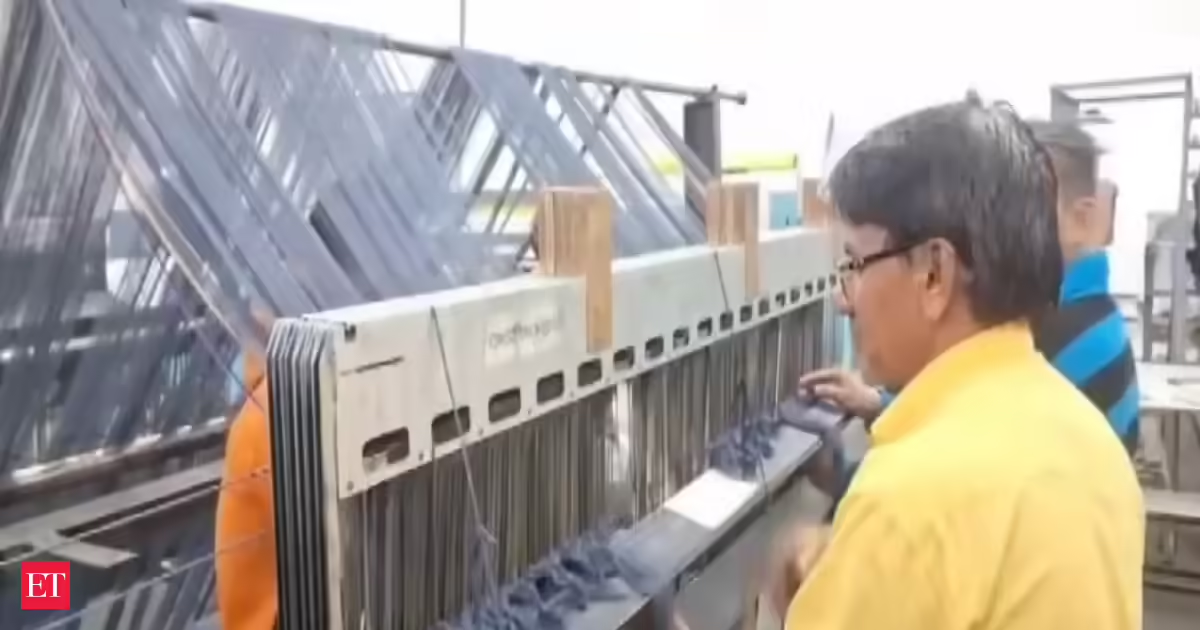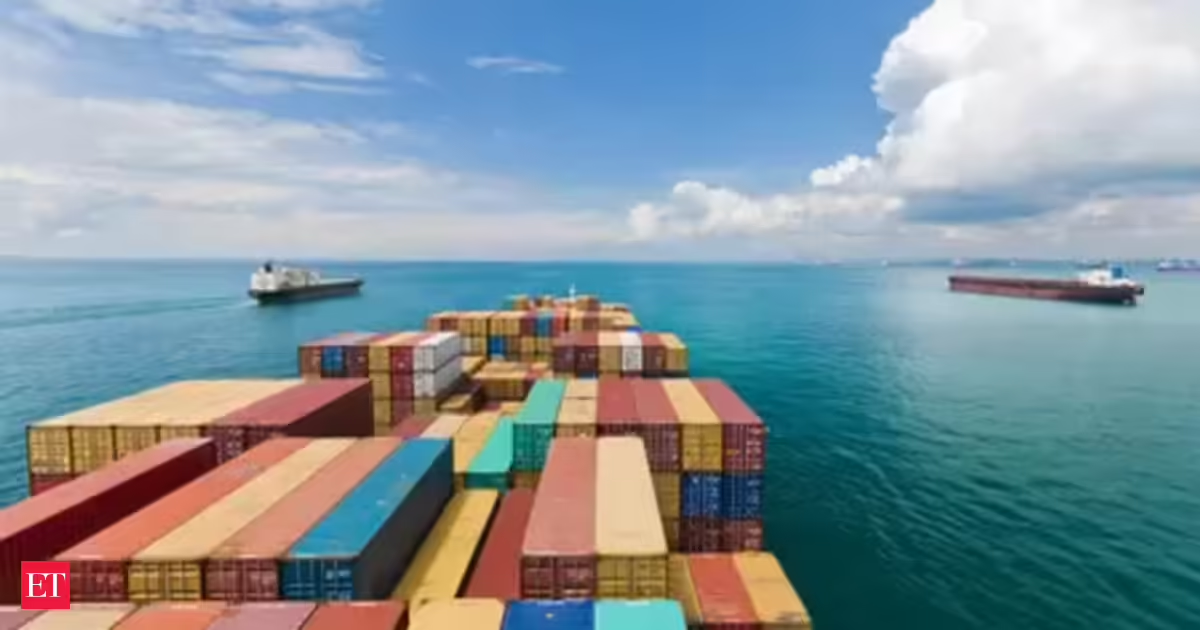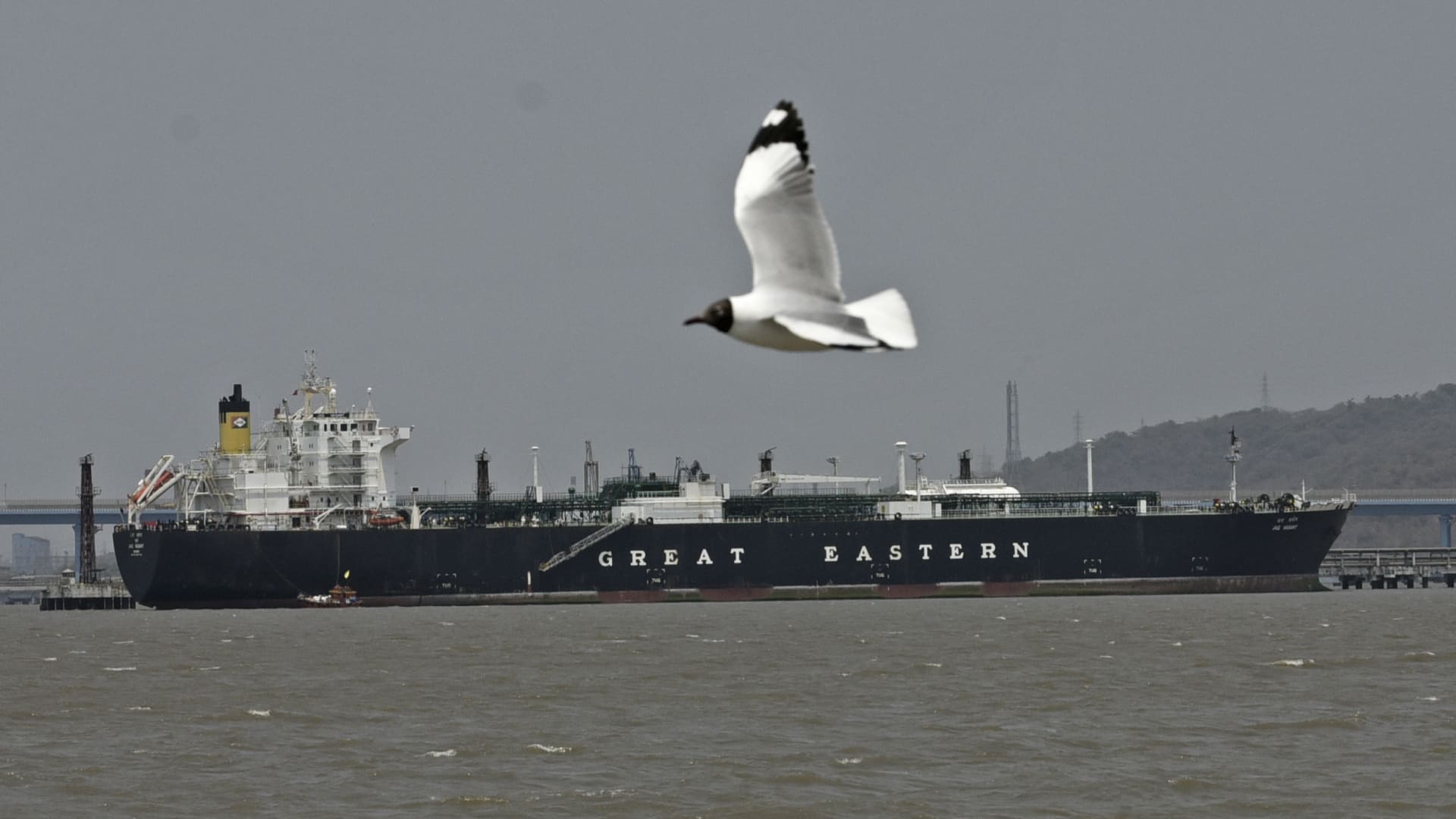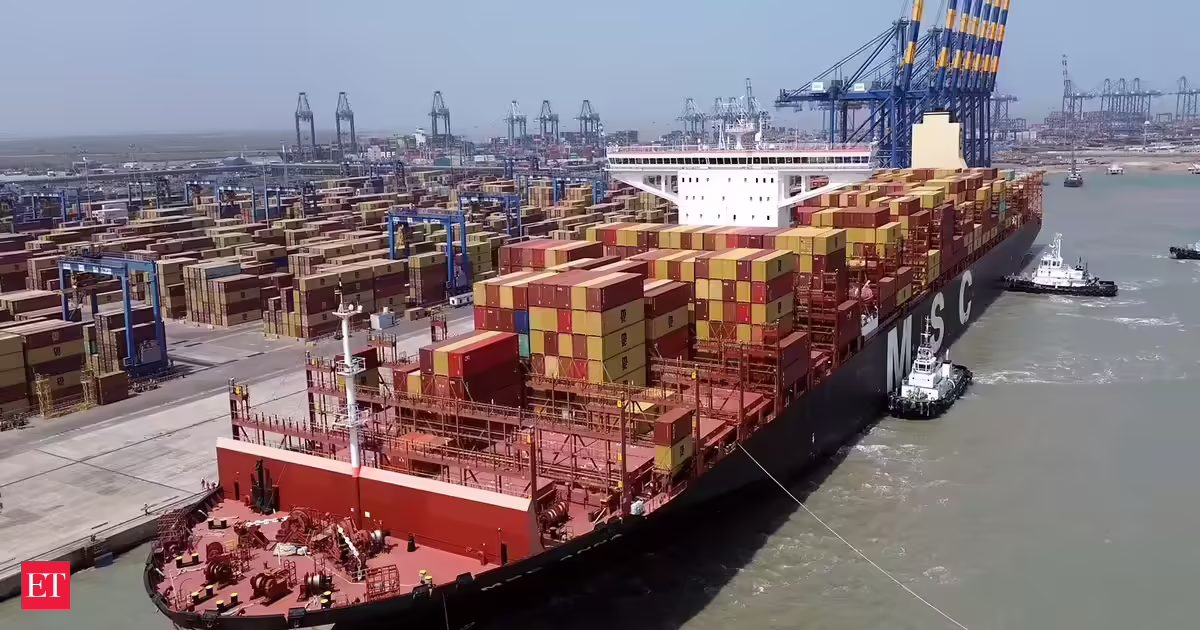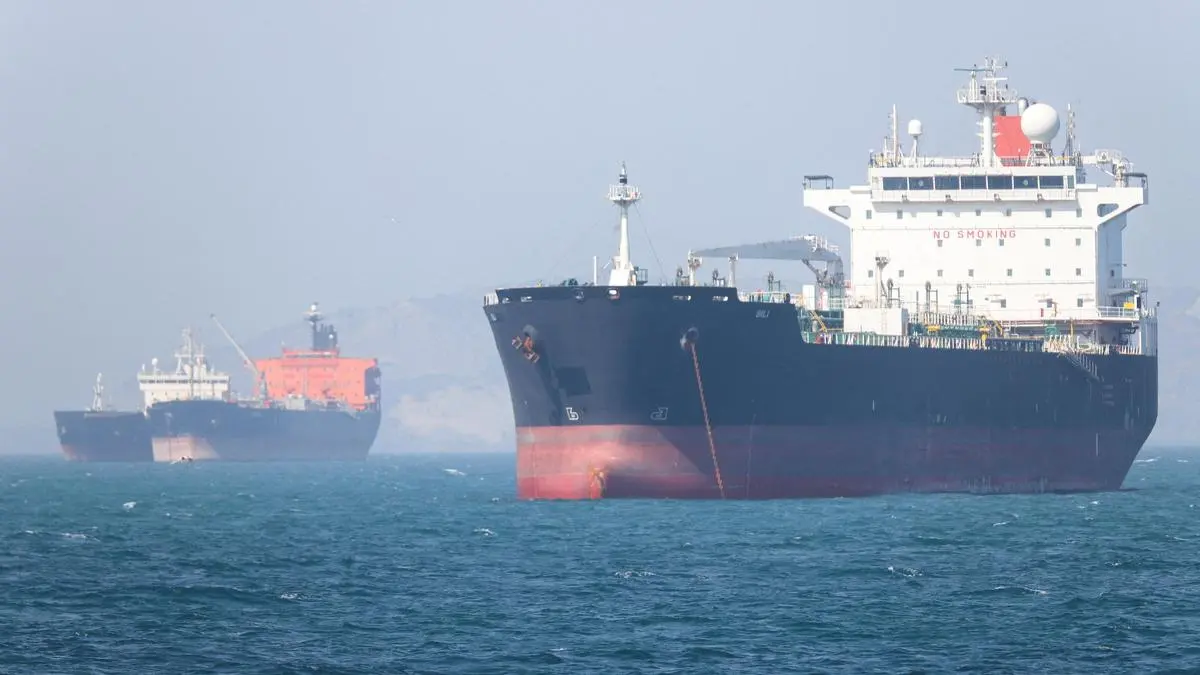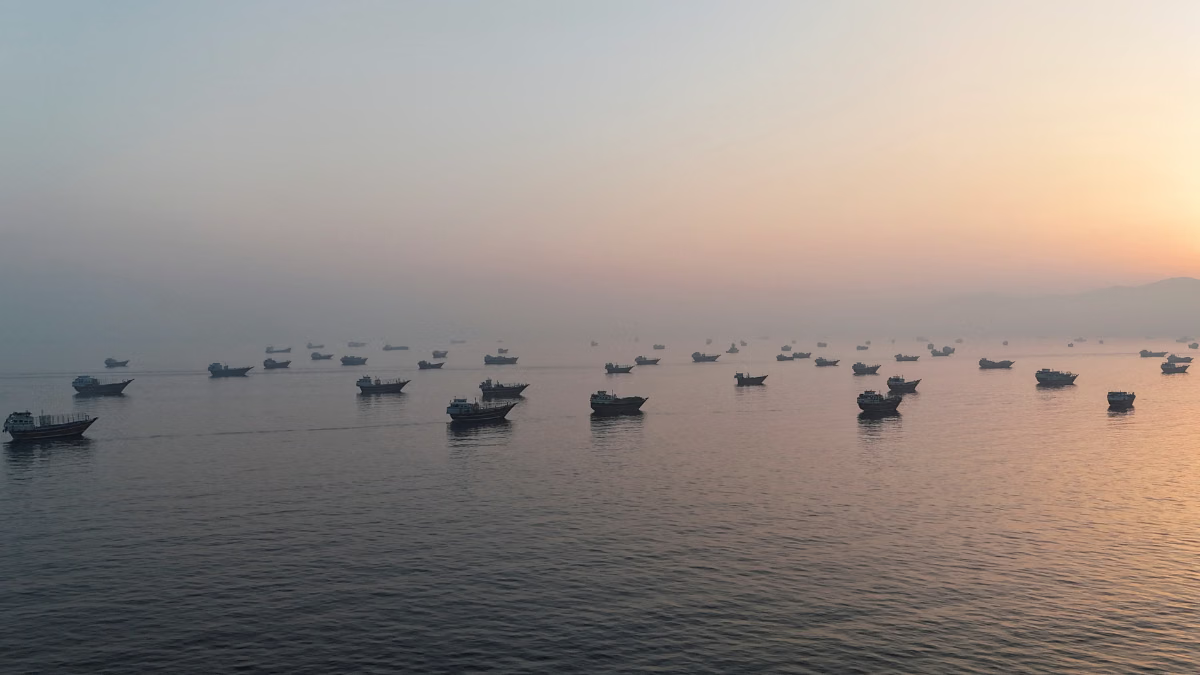
Pune: An end to the Iran war is expected to boost India's textile exports, especially to Europe and West Asia, and help reduce costs and improve profit margins for manufacturers.Industry stakeholders anticipate easing of raw material costs-particularly for polyester and cotton, the price of which is closely tied to synthetic fibre markets.Also Read: Worst is behind, demand recovery underway for Indian textile sector as tariff woes ease: ReportClosure of the Strait of Hormuz following the war had hurt shipments of finished products, as well as supplies of raw materials for the textile industry."The turbulence in West Asia had affected raw material supplies, supply chains, and industrial energy, exerting huge pressure on the entire MSME-dominated textile and apparel industry that traditionally operates on narrow margins and where most entities lack the muscle to withstand prolonged financial shocks," said Ashwin Chandran, chairman of the Confederation of Indian Textile Industries."Return to normalcy in West Asia will lend momentum to India's efforts to diversify textile and apparel exports beyond traditional markets," he said. "A disruption-free Strait of Hormuz will allow us to more effectively leverage the benefits of our active free trade agreements."India has an operational trade agreement with the European Free Trade Association states and has signed deals with the European Union and the UK that are yet to become operational. In West Asia, India has Comprehensive Economic Partnership Agreements with the UAE and Oman.Also Read: Targeting to increase India's textile market size to Rs 33 lakh crore by FY2031: Giriraj SinghTextile and clothing exports have gone down since the start of the war in late February, declining 14% in March from the month before and 3.5% in April from March. Year-on-year, shipments fell 11.66% in April. Meanwhile, polyester prices have increased by 25% since the war, which also led to a rise in cotton prices. India's total textile and apparel exports were ₹3.16 lakh crore in 2025-26.
Iran truce may revive India's textile exports, industry says
India's textile exports are set for a significant boost following the end of the Iran war. Manufacturers anticipate lower raw material costs for polyester and cotton. This development will help revive shipments to Europe and West Asia. The easing of tensions will also allow India to better utilize its trade agreements.
TL;DRAI
Iran war's end reopens Strait of Hormuz, reviving Indian textile exports; polyester costs (up 25% mid-conflict) expected to normalize. Supply-chain stability unlocks EU/EFTA/UAE FTA leverage for India's textile sector, reshaping sourcing strategies.
315 words~1 min read