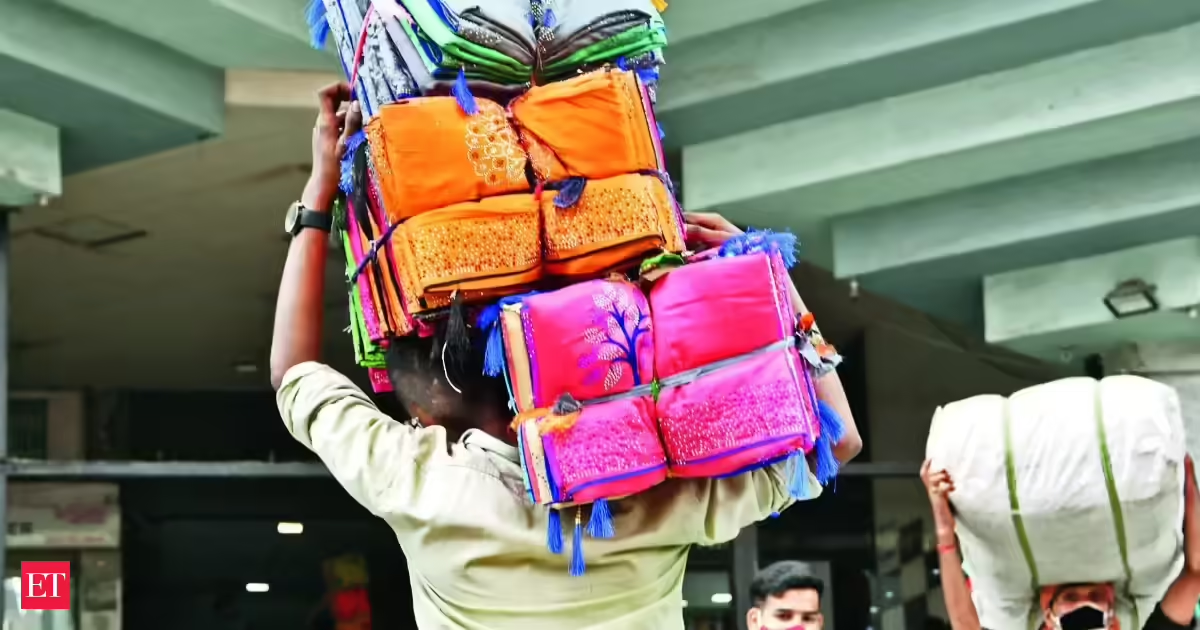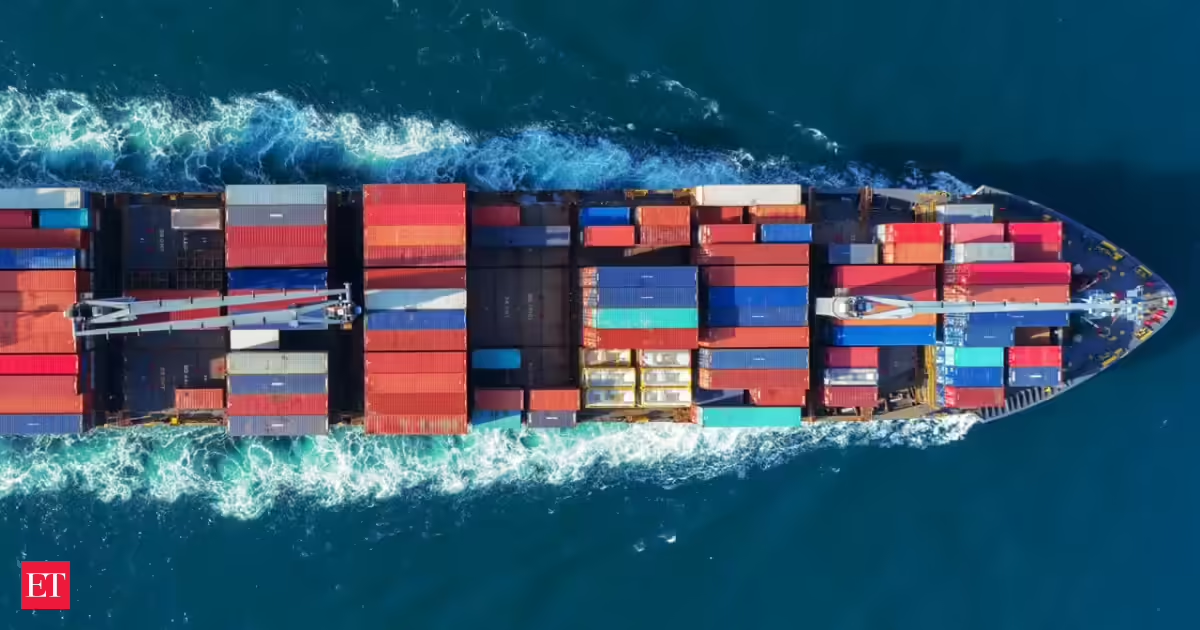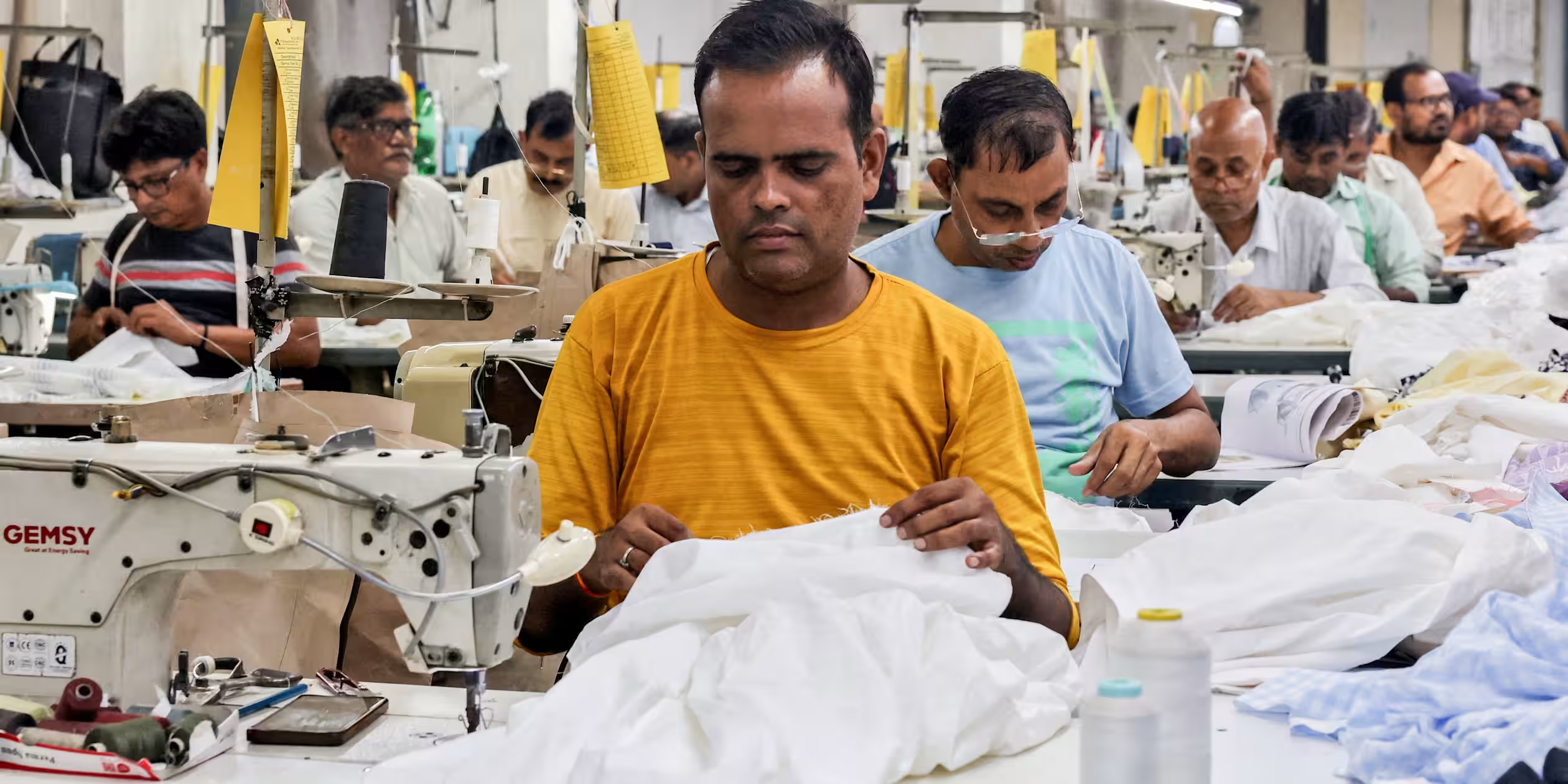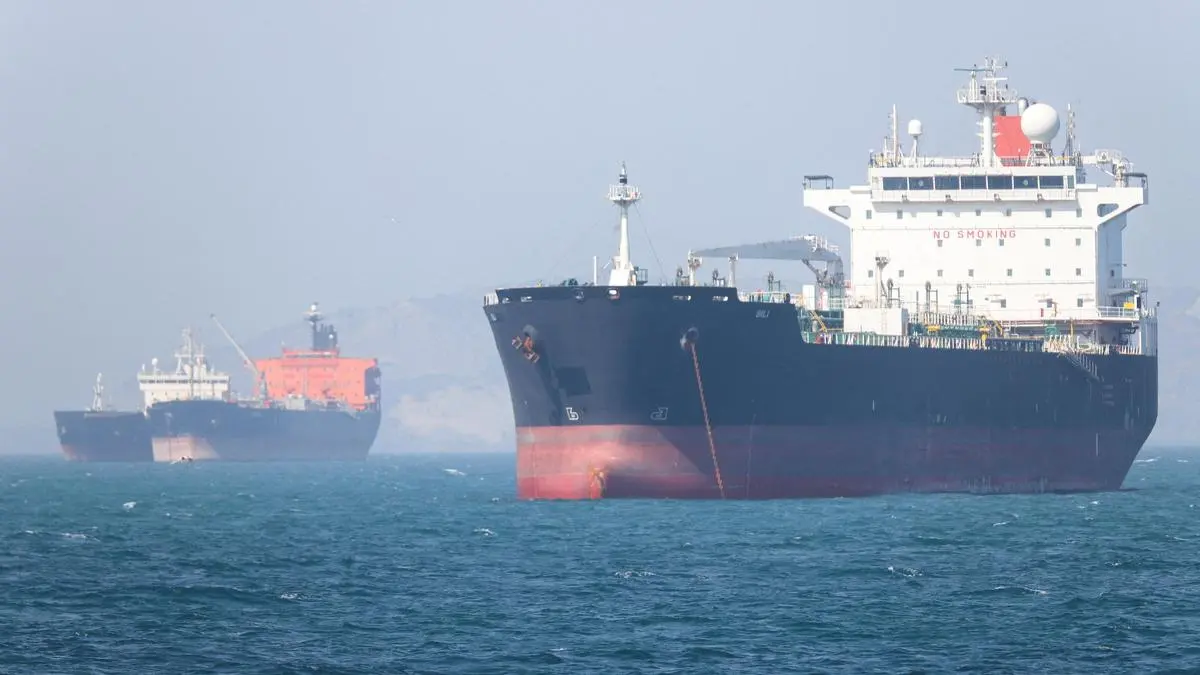
SynopsisIndia's textile exports are set for a boost following the end of the West Asia conflict. European orders are expected to rise, improving profit margins for Indian exporters. This development will help diversify export markets and leverage Free Trade Agreements more effectively. Reduced logistics and production costs are anticipated, enhancing global competitiveness.ANIIndia's textile exports are set for a boost following the end of the West Asia conflictPune: The conclusion of the West Asia conflict is expected to boost India’s textile exports, driven by a projected rise in European orders and improved profit margins. Industry stakeholders anticipate an easing of raw material costs—particularly for polyester and cotton, the price of which is closely tied to synthetic fiber markets."The return to normalcy in West Asia will lend momentum to India’s efforts to diversify textile and apparel exports beyond traditional markets," said Ashwin Chandran, Chairman of the Confederation of Indian Textile Industries (CITI). "Furthermore, a disruption-free Strait of Hormuz will allow us to more effectively leverage the benefits of our active Free Trade Agreements (FTAs).Also Read: Textiles minister Giriraj Singh targets ₹33 lakh crore textile market by FY31“For India’s textile and apparel sector, this development comes as a shot in the arm. The turbulence in West Asia had affected raw material supplies, supply chains, and industrial energy, exerting huge pressure on the entire MSME-dominated textile and apparel industry that traditionally operates on narrow margins and where most entities lack the muscle to withstand prolonged financial shocks,” said Chandran.West Asia, especially the UAE, is a major market for India’s textile and apparel exports. Chandran said the return to normalcy in West Asia will lend momentum to efforts to diversify India’s textile and apparel exports beyond select geographies. “The disruption-free opening of the Strait of Hormuz will allow us to more effectively leverage the benefits from the Free Trade Agreements (FTAs),” he pointed out.Textile and clothing exports have been continuously going down since the West Asia conflict, declining by 14% in March 2026 month-on-month and by 3.5% in April 2026 month-on-month. There was a sharp year-on-year degrowth of -11.66% in apparel growth in April. Polyester prices have increased by 25% since the war, which led to an increase in cotton prices, followed by India lifting import duties on the natural fibre till October 2026. India’s total textile and apparel exports were Rs 3.16 lakh crore in 2025-26.Also Read: Worst is behind, demand recovery underway for Indian textile sector as tariff woes ease: ReportVijay Agarwal, chairman, Textile Export Promotion Council (Texprocil) expects an increase in India’s global competitiveness as the Peace Agreement will help to lower logistics and production costs for the exporters."While the global buyers faced greater uncertainty due to increase in war risk insurance premiums, higher costs of synthetic fibres, the freight costs etc, the Indian exporters faced cash flow disruptions, delayed receivables, and discount pressures on off-season garments," said Agarwal.The exporters from Tiruppur, which accounts for 90% of the country’s total cotton knitwear exports, also look forward to a better order book. “Not only the export orders had declined due to increased uncertainties for the buyers, we were also facing delays in shipments due to the Hormuz closure,” said KM Subramanian, president, Tiruppur Exporters Association (TEA).Read More News on...moreless
West Asia peace deal seen boosting India's textile exports
India's textile exports are set for a boost following the end of the West Asia conflict. European orders are expected to rise, improving profit margins for Indian exporters. This development will help diversify export markets and leverage Free Trade Agreements more effectively. Reduced logistics and production costs are anticipated, enhancing global competitiveness.
536 words~2 min read