For years, the aviation industry has been developing solutions to reduce or even eliminate CO₂ emissions from flights. While fully electric options currently seem feasible only for small air taxis, larger aircraft and longer routes are likely to depend on hybrid powertrains for the foreseeable future.
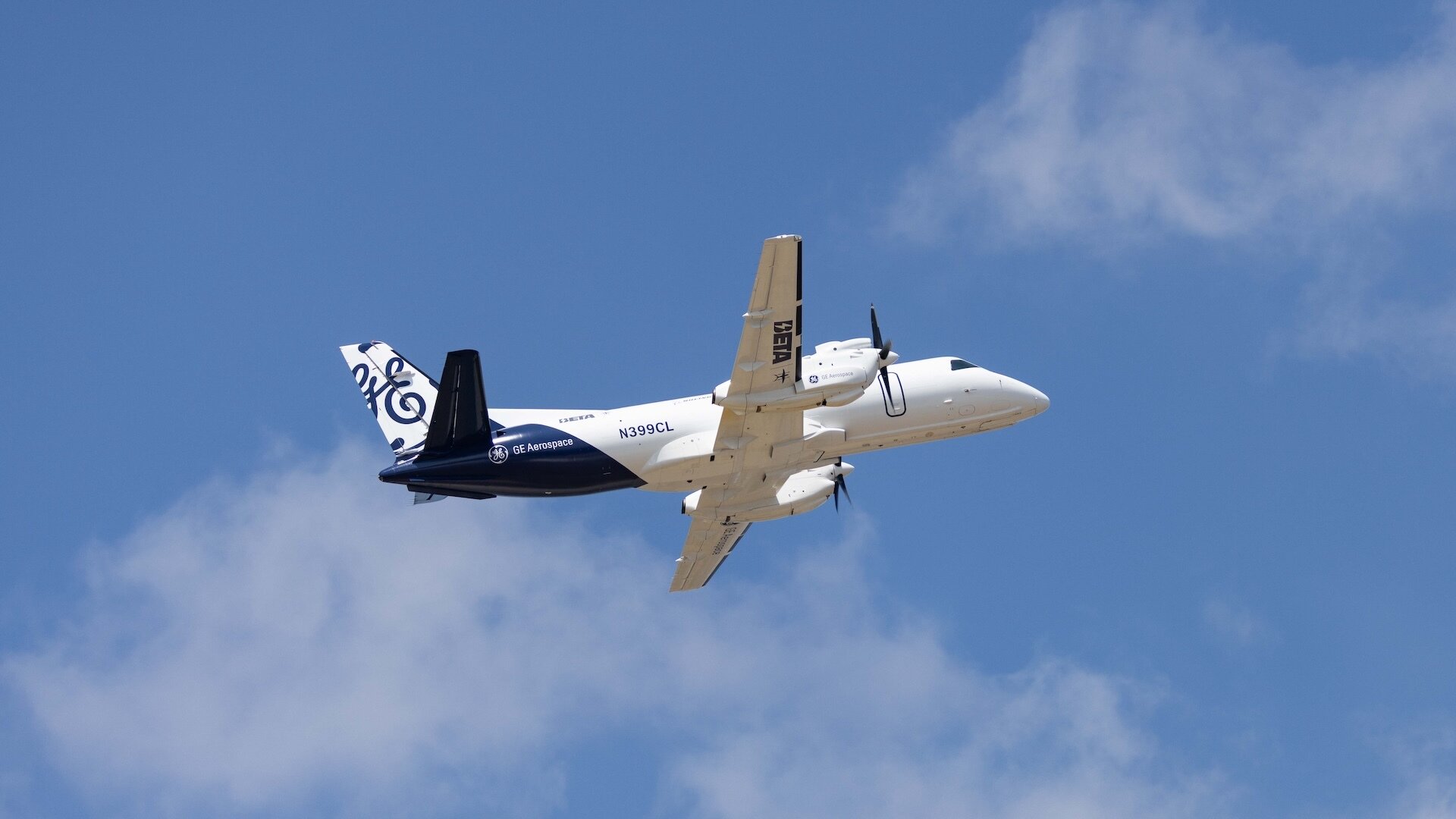
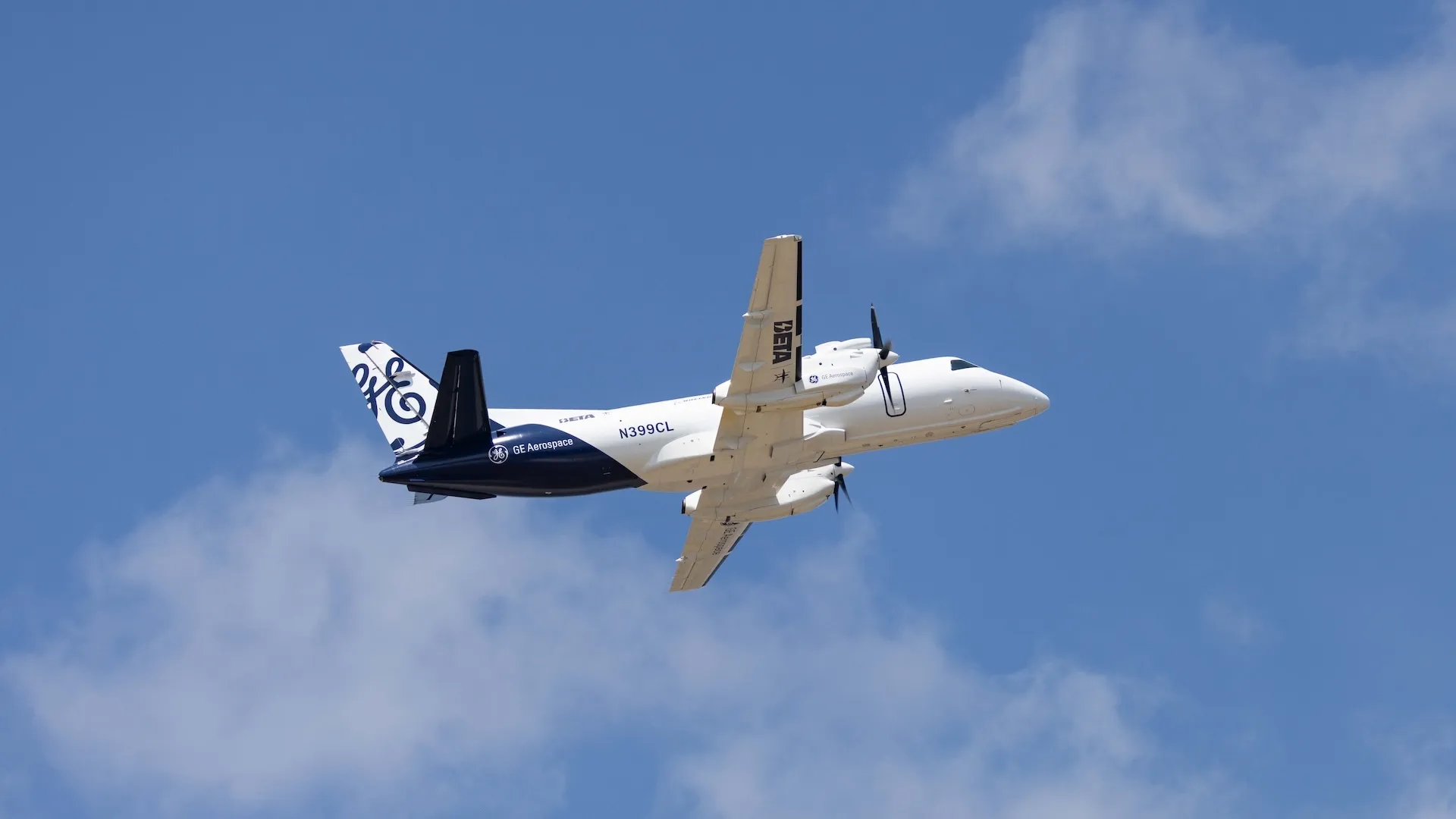
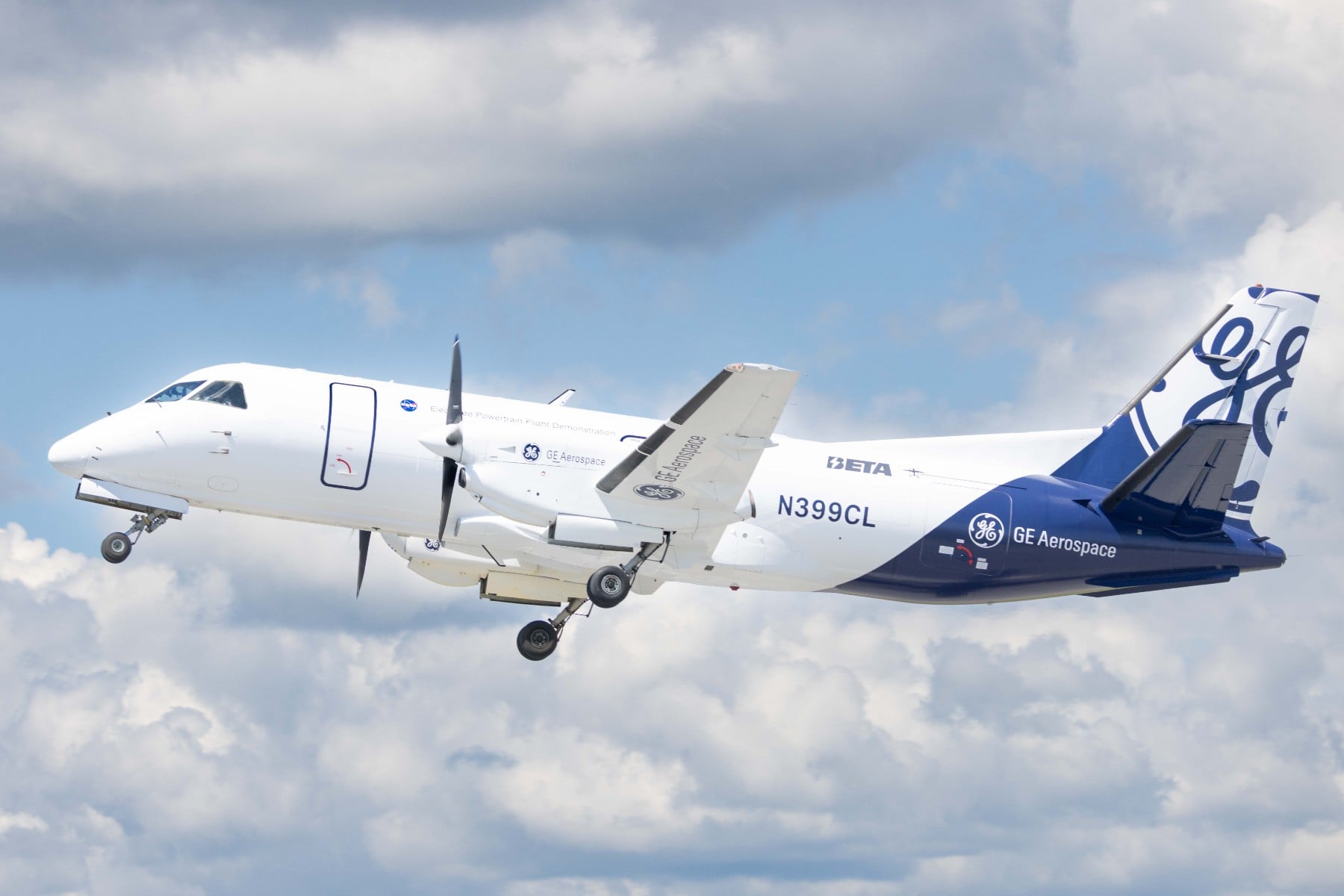
A project led by NASA, e-aircraft developer Beta Technologies, aircraft manufacturer Boeing, and propulsion specialist GE Aerospace has now demonstrated that such systems could be viable for daily operations. The partners conducted a hybrid-electric flight at a typical cruising altitude of 30,000 feet (approximately 9,144 metres) – a milestone previously unachieved by any hybrid aircraft.
H. Lawrence Culp Jr., CEO of GE Aerospace, stated: “The aviation industry’s first high-altitude hybrid electric flight is one for the history books. GE Aerospace is grateful to NASA, BETA Technologies and Boeing for their collaborative partnership to accelerate hybrid electric technology to meet customer needs for greater efficiency, durability and range.”
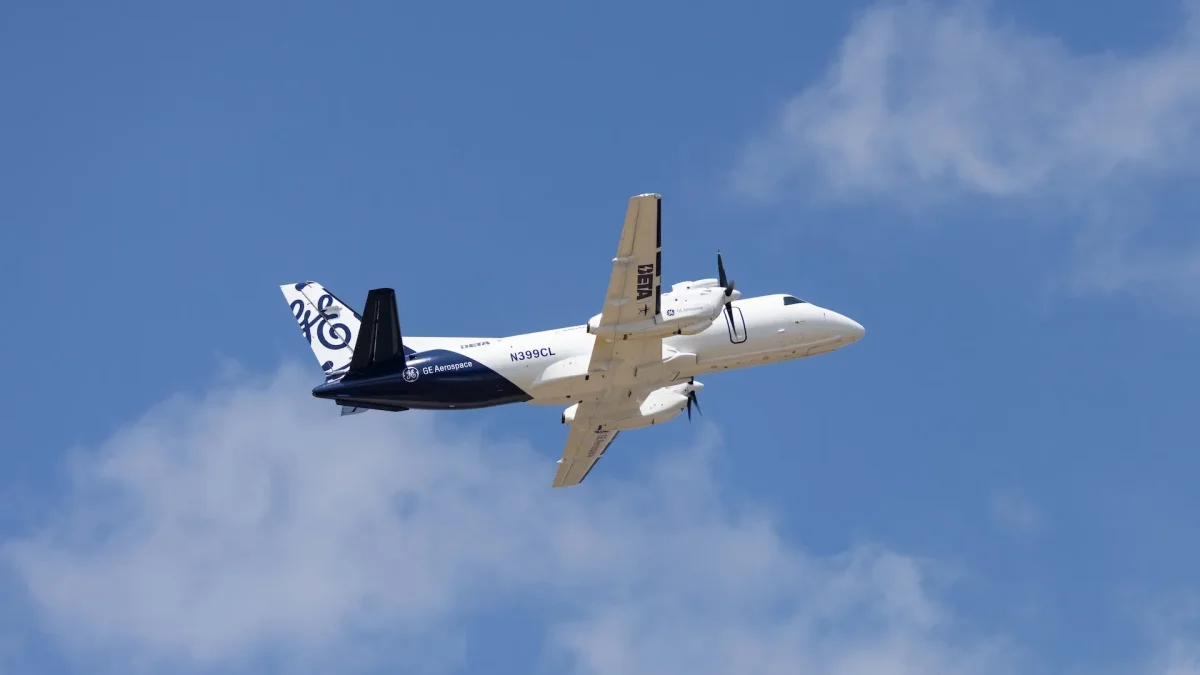
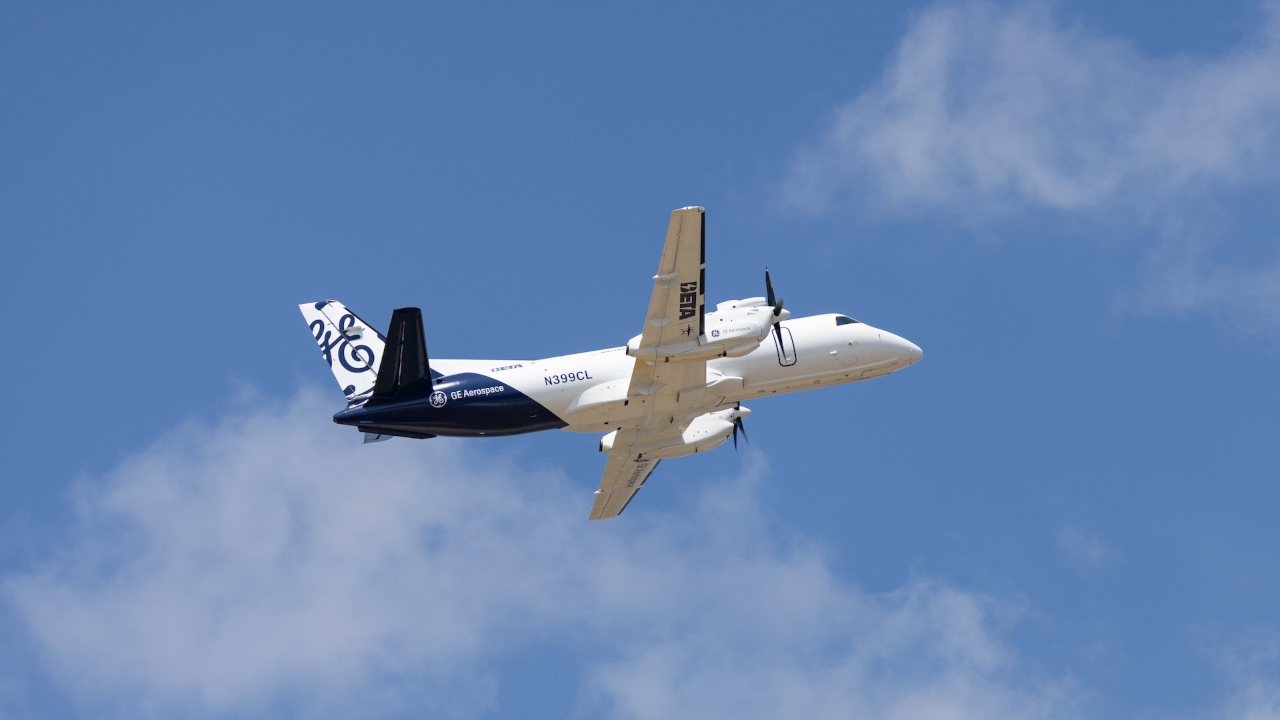
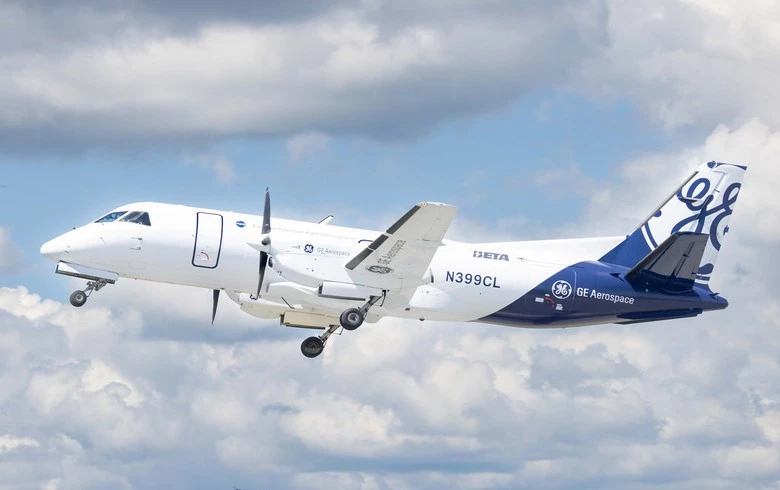
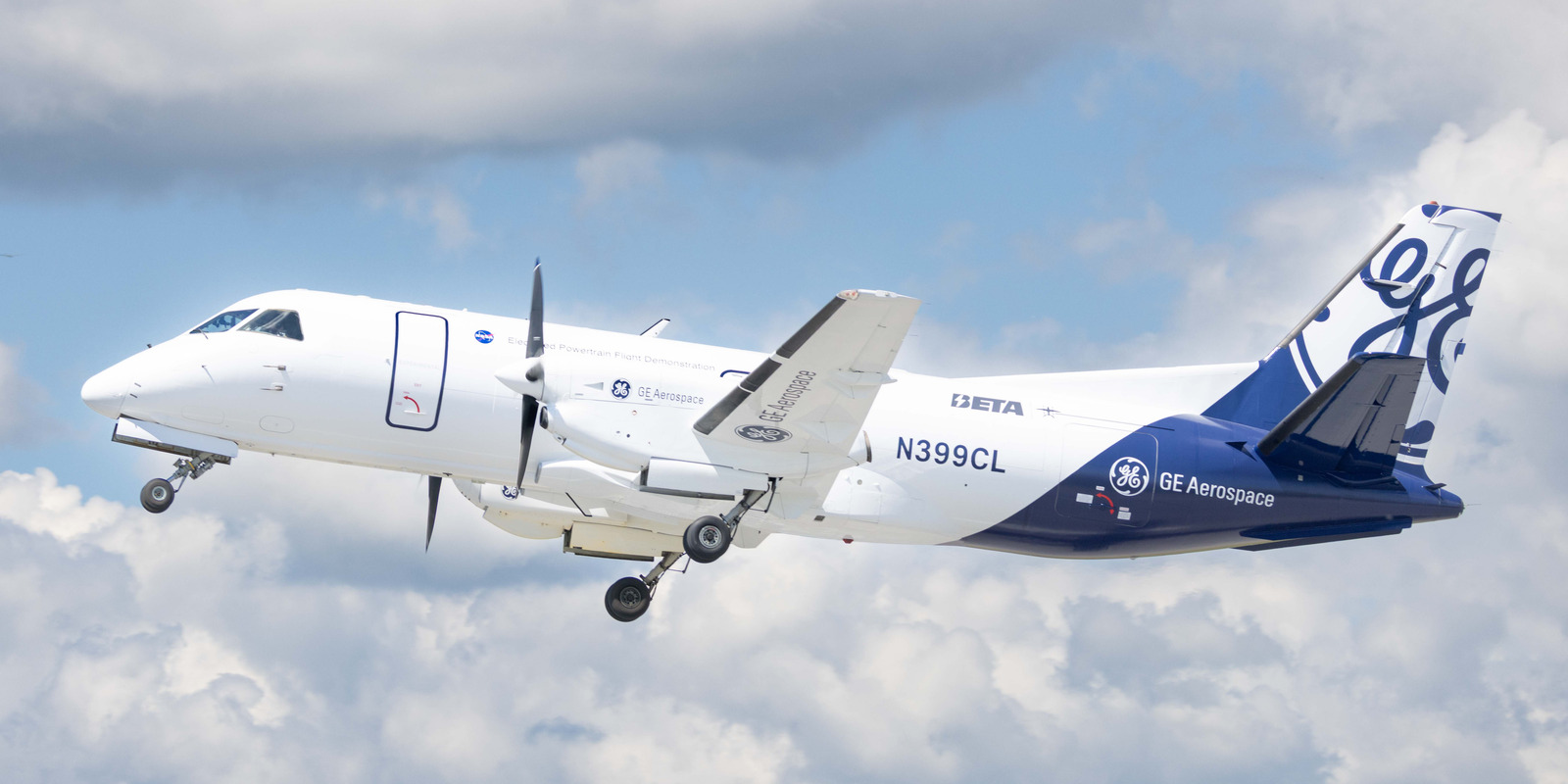
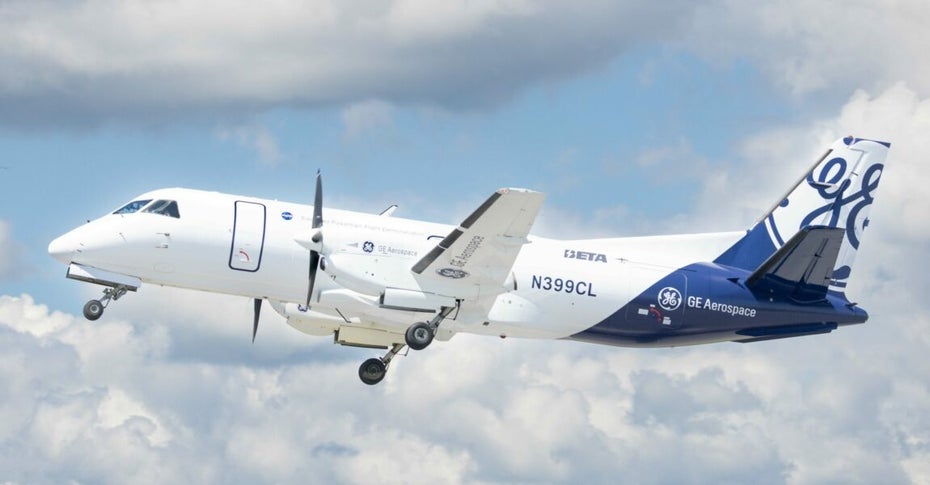
The project utilised a modified Saab 340B regional aircraft, which typically seats up to 39 passengers. The right side of the aircraft was equipped for flight tests with a hybrid-electric system housed in an inverted engine nacelle, which also provided additional ventilation. The system includes motor-generators, power converters, and inverters developed by GE Aerospace, control units, gearboxes from Avio Aero, propellers from Dowty, and a CT7 engine. BAE Systems supplied the batteries, while Boeing’s subsidiary, Aurora Flight Sciences, provided the complete engine nacelle.