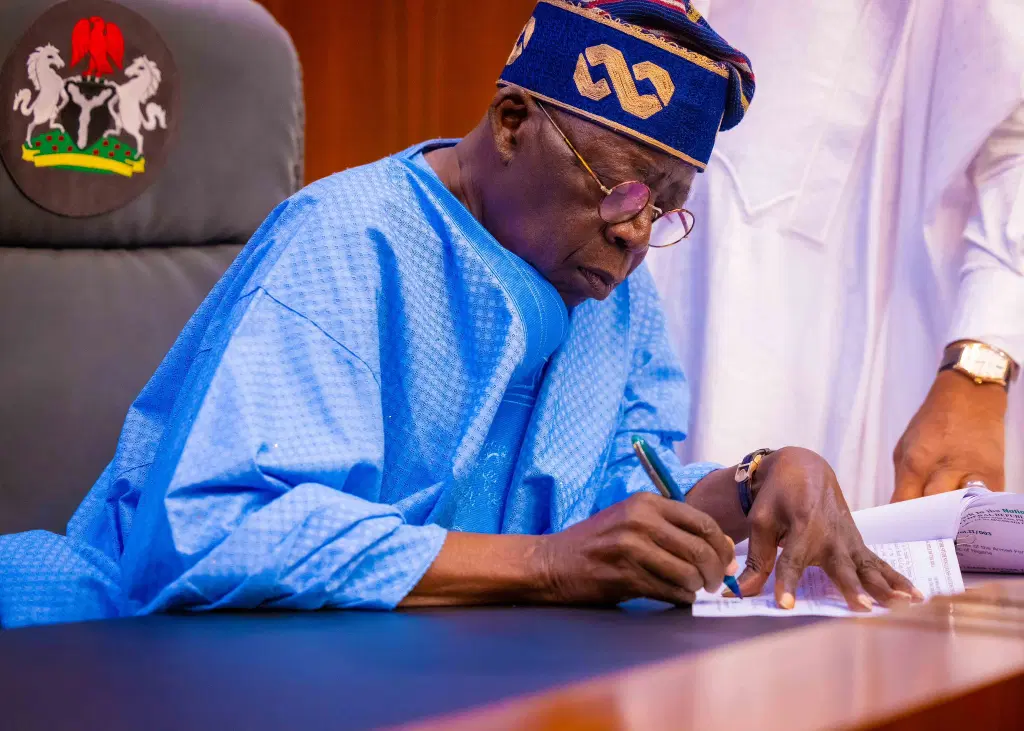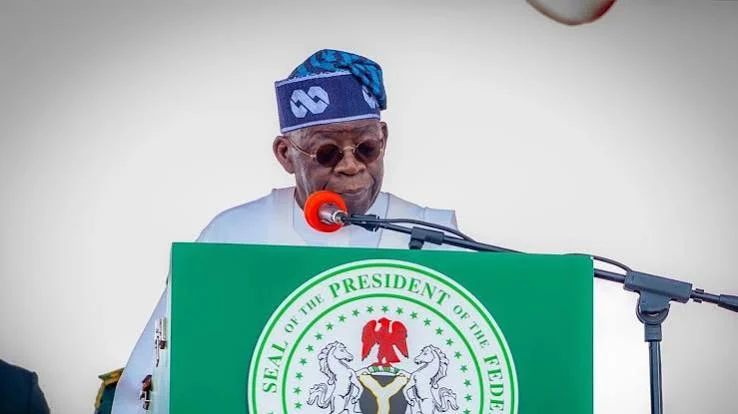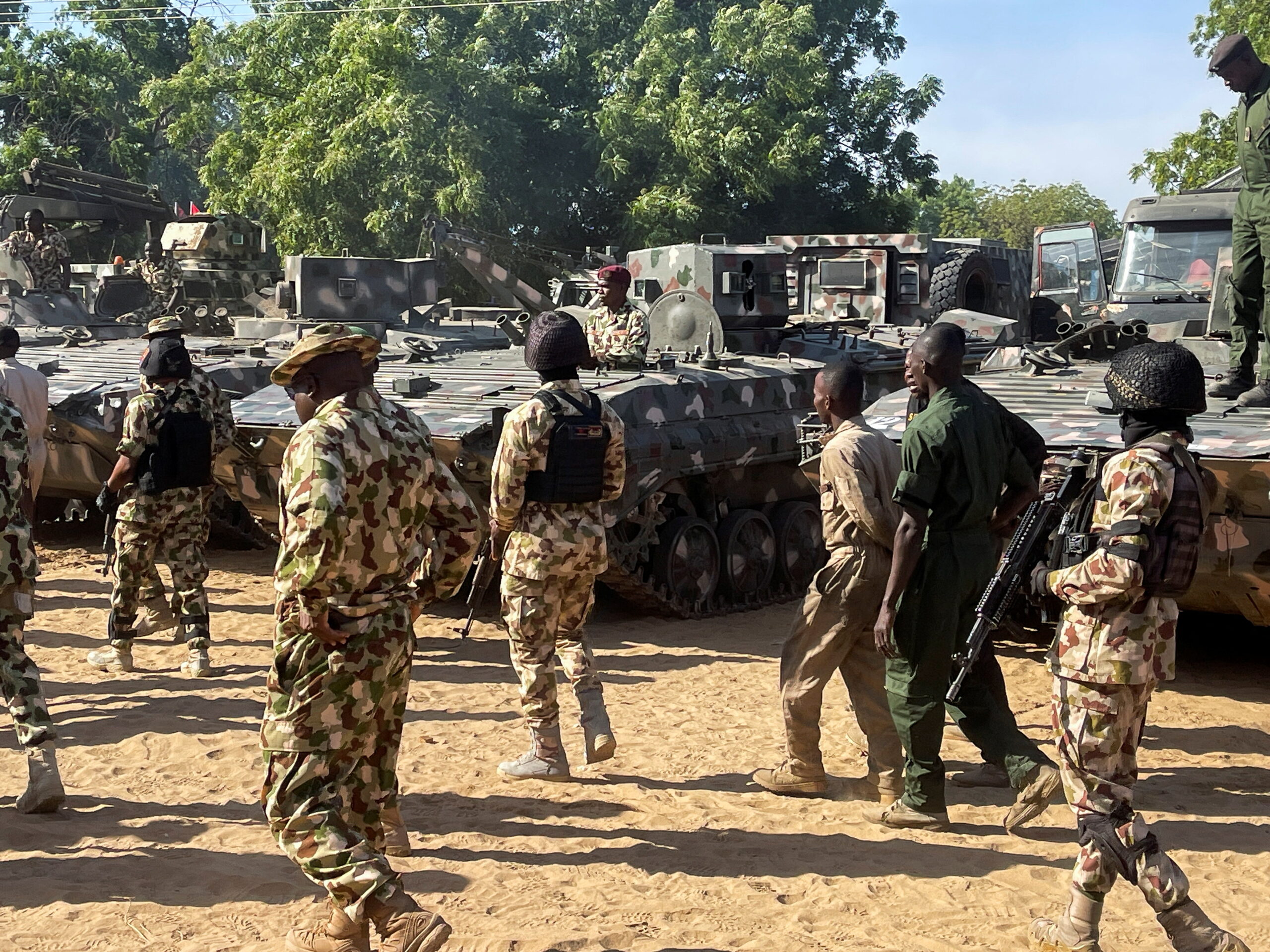
Nigeria’s decision to undertake its biggest military expansion in decades signals a strategic shift aimed at strengthening national security, enhancing operational readiness and positioning the Army to confront an increasingly complex and evolving threat landscape, writes Linus Aleke.
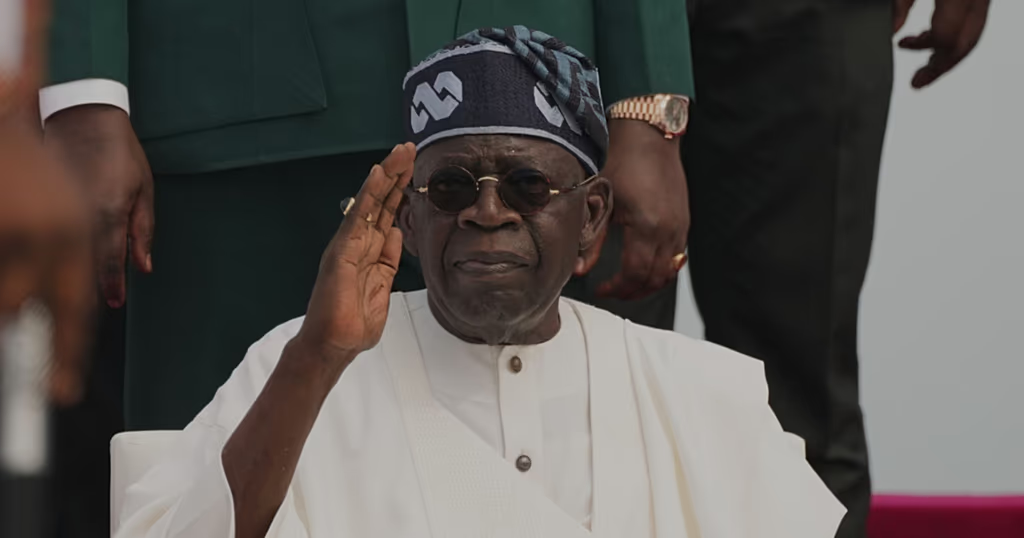
The decision by President Bola Tinubu to approve the expansion of the Nigerian Army’s order of battle from eight to 12 divisions, alongside the recruitment of an additional 28,000 personnel, marks one of the most significant military reforms in Nigeria’s recent history. More than a routine increase in troop numbers, the initiative reflects an acknowledgement that the country’s evolving security environment demands a larger, more agile and better-distributed military capable of responding to increasingly complex threats.
The Nigerian Army’s history itself is one of continuous expansion shaped by changing national realities. It began in 1863 as the 18-man Glover Hausa Guard, established by the British colonial administration in Lagos to protect commercial interests and maintain order. The force later evolved into the Lagos Constabulary before becoming part of the Royal West African Frontier Force (RWAFF) in 1900, with Nigerian soldiers serving with distinction in both the First and Second World Wars across East Africa, Burma and other theatres.