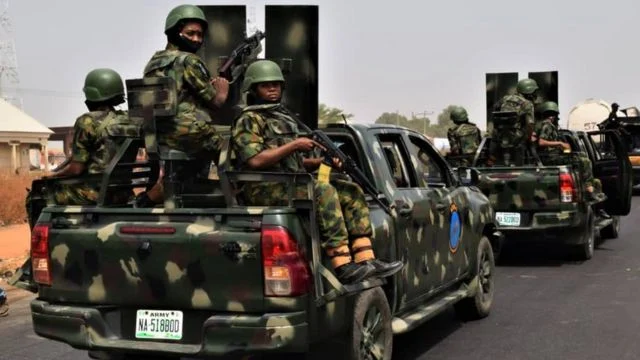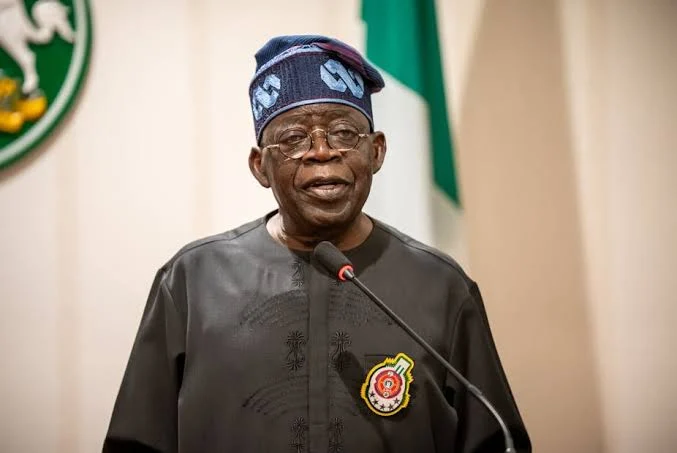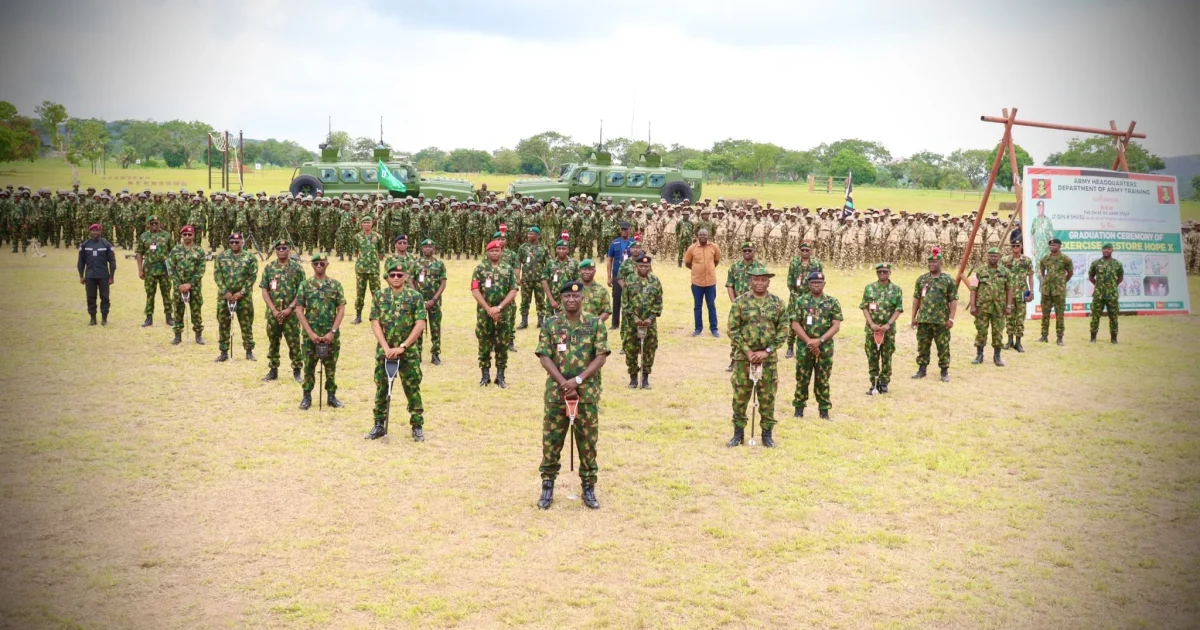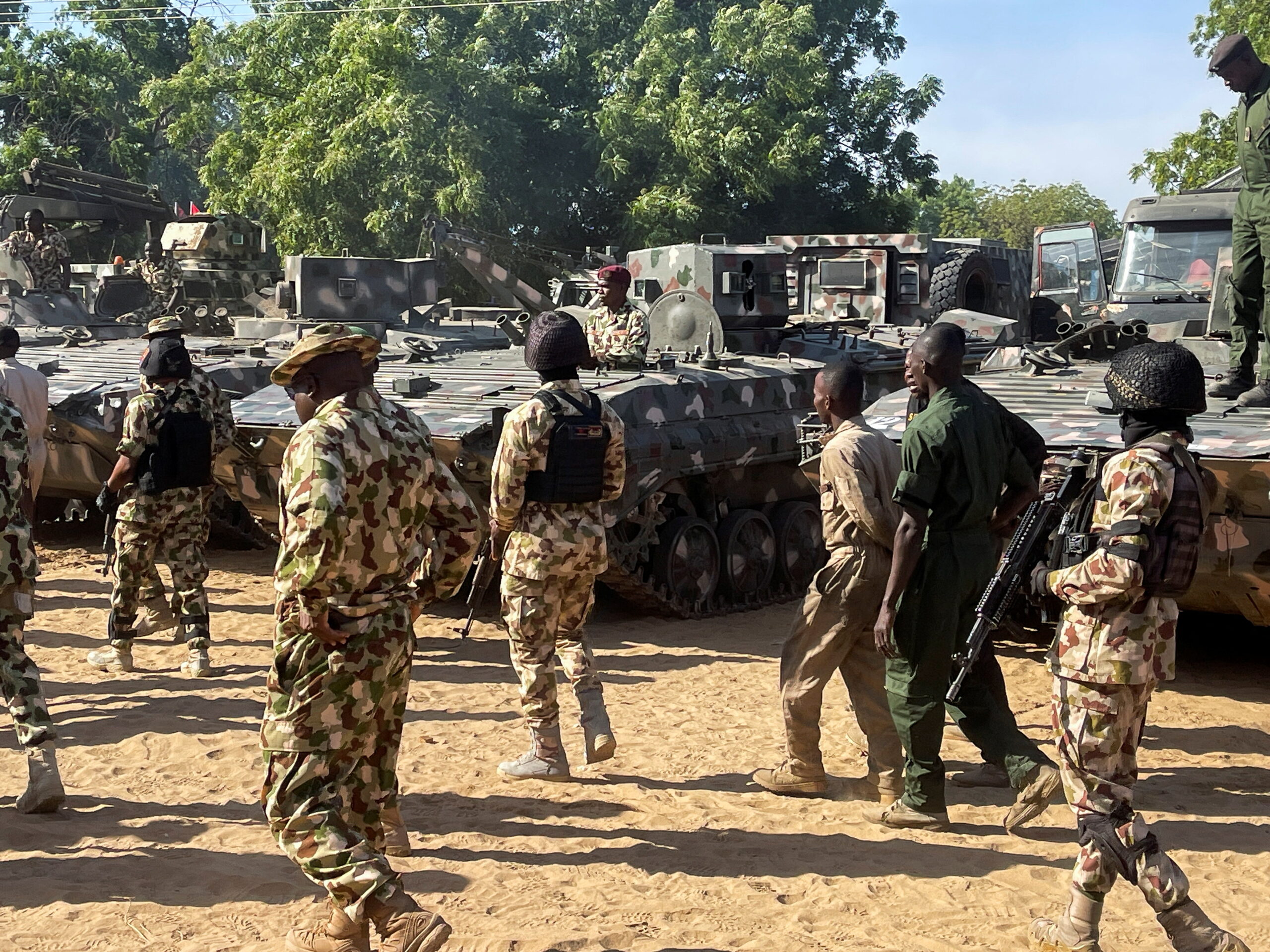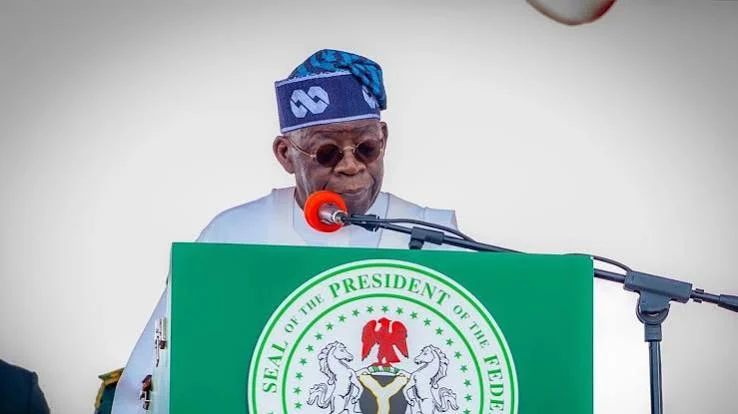
President Bola Tinubu’s decision to expand the Nigerian Army from eight to 12 divisions marks one of the boldest restructurings of the military in recent years, aimed at decentralising command, strengthening security and reducing response time to emerging threats. But as the new formations take shape, questions around manpower, resources, logistics and, particularly, the geographical contiguity of the states under each command are emerging, raising important questions about how effectively the ambitious reform can deliver on its promises. Chiemelie Ezeobi reports
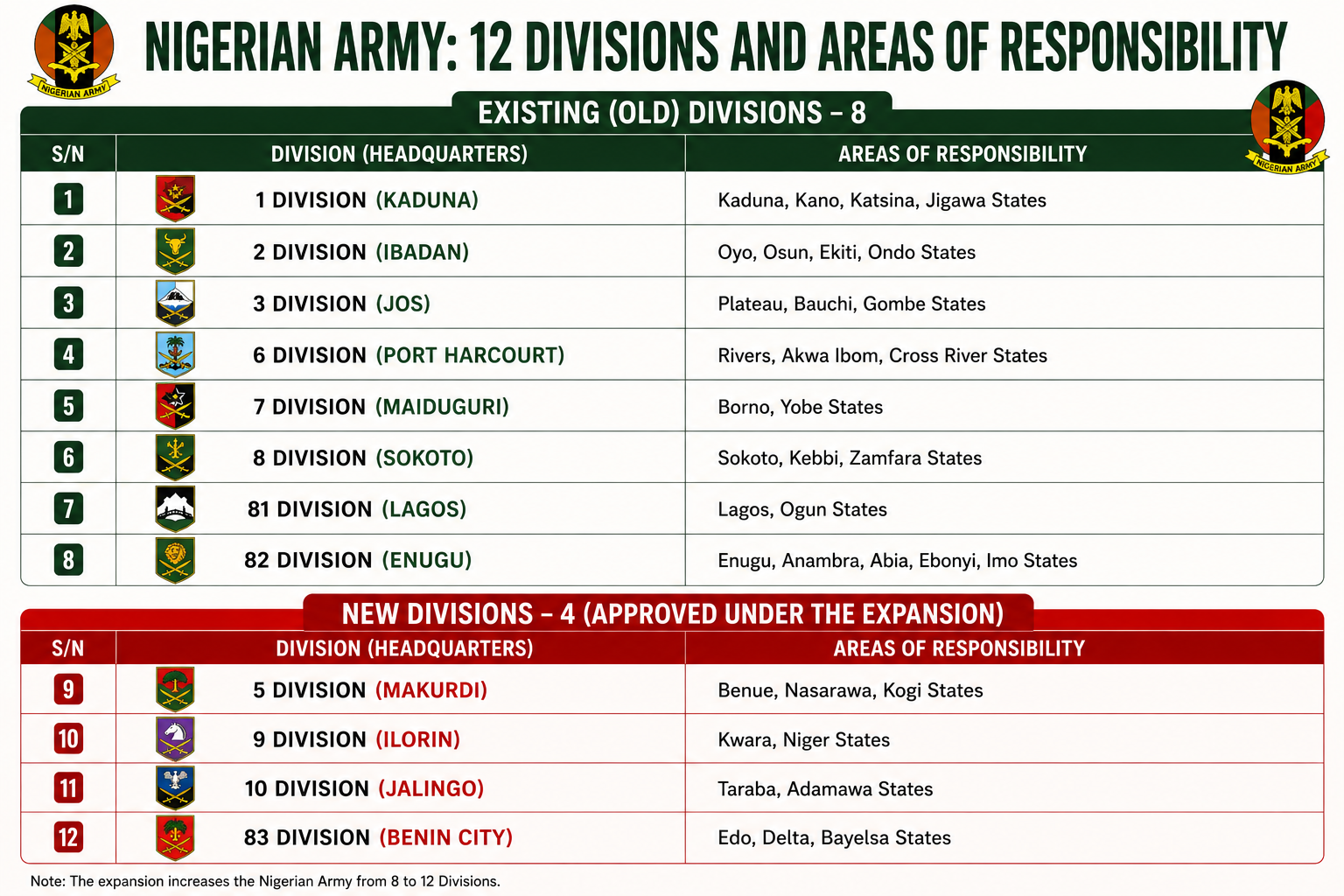
In sweeping reforms and restructuring that will decentralise Nigerian Army commands, tighten border security, and cut down the time it takes soldiers to reach an emergency, President Bola Tinubu recently approved the expansion of the force from eight divisions to twelve.
With the sweeping restructuring, four new divisional headquarters will rise in Makurdi as 5 Division; Ilorin as 9 Division; Jalingo as 10 Division; and Benin City as 83 Division, joining the existing commands in Kaduna, Ibadan, Jos, Port Harcourt, Maiduguri, Sokoto, Lagos and Enugu.
The announcement came via a State House statement from Bayo Onanuga, Special Adviser to the President on Information and Strategy, who described the move as a “landmark” step in reshaping the country’s security architecture.