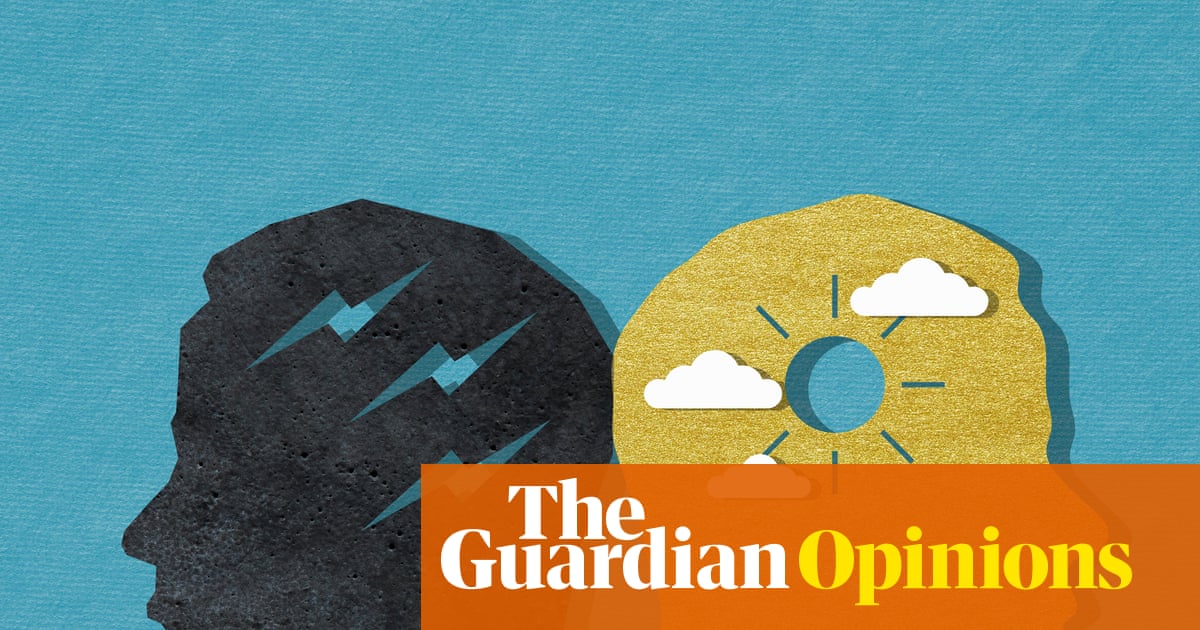
We are living in a mental health crisis with people experiencing higher rates of depression and anxiety than ever before. A 2026 study in the Lancet showed a 95 per cent increase in mental health conditions since 1990, with young people aged 18-29 particularly affected.The next article looks at taking constructive action in the face of challenge Many factors underpin this crisis such as decreased social connection, sedentary screen-based lifestyles and declining economic opportunities.In addition, we live in particularly challenging times of international wars, climate breakdown, political insecurity and polarisation in society. This is having a big impact on mental health, with more people worried about the future. In another Lancet study, 84 per cent of young people reported being moderately or very worried about climate change, while 75 per cent reported finding the future frightening.This summer we have a war in the Gulf threatening fuel shortages and economic chaos, and Europe has already experienced three record-breaking heatwaves with serious implications for public health, food production and biodiversity loss.Most worryingly is the sense that this is only the start, with increased problems to come.In a four-part series, I explore how we positively manage our mental health in the face of personal and global crisis so we can continue to respond creatively and humanely in the face of stress and challenges. In this first article I look at the importance of understanding and accepting our feelings.Acknowledging feelings“The only pain that can be avoided is the pain that comes from trying to avoid pain.” – RD LangPeople will often go great lengths to avoid their vulnerable feelings such as fear, sadness or jealousy. Sometimes this is out of a belief that they should be “strong” or due to a fear of losing control should their feelings take over. Many addictive behaviours such as alcohol, overeating, scrolling social media or frenetic work activity are simply a means to avoid, numb or distract from uncomfortable feelings. Sometimes, people mask or repress their emotions so much that they get expressed in health problems or burnout and many people inappropriately take out their feelings on those around them through contempt, anger or resentment.Many mental health problems are the result of stuck or unprocessed emotions. Depression is often unacknowledged feelings of sadness and grief and obsessive anxiety is sometimes unexpressed fear held in the body.[ Journeys in mental health: ‘It made me go, God, these are stories people don’t hear’Opens in new window ]Feeling your feelingsWhen supporting people dealing with distress and trauma the most important therapeutic response is to empathically validate and understand their emotions and feelings. The healing process of counselling is primarily about compassionate listening to help another person tease out and articulate their thoughts, feelings and needs.Sometimes the most important step is to simply “feel your feelings”. In my own work as a therapist, often the significant therapeutic moment is when a person expresses a previously unacknowledged emotion for the first time. A depression can lift when a person expresses their underlying grief and loss through tears and crying. Noticing a hidden anger can help shift resentment and give space for forgiveness. Acknowledging real fear and expressing it physically through the body can help contain an anxious mind.One of the strengths of the many self-help mental health groups such as AA or Grow Mental Health or Aware is the normalising of vulnerable feelings. You can meet people who feel the same way as you. You are not alone or crazy, and you can express your feelings in a supportive space. Interestingly, as environmental problems proliferate, there is a growing number of support groups for people worried about climate breakdown such as climate psychology alliance, deep adaptation and parents for a future.Managing your own mental healthWhether you attend counselling or a support group, there is a lot you can do for yourself to nurture your own mental health, especially when you are feeling stress or distress. In particular, I recommend the ritual of a “daily check-in” whereby you take a pause to acknowledge your feelings and thoughts.This is usually best integrated into an existing relaxation routine you have such as walking the dog, sitting down for a morning coffee, or after daily meditation or yoga. During this time you engage in compassionate self-talk whereby you ask yourself a few questions such as: “How am I feeling right now?”, “What is on my mind?”, “What is worrying/ distressing me?” The key is ask these question compassionately and gently. Imagine you are a kind friend to yourself, genuinely inquiring after your wellbeing. Sometimes, it helps to tune in to your body to notice your feelings. Do you notice stress in your body? Which parts? How is your nervous system? What are your stress levels?Using a journalIt can help to write down your answers in a journal, and this is something I particularly recommend. In your journal, you simply write down the answers to your self-talk questions: You might notice your vulnerable feelings: “At the moment, I am struggling with ...” or “I feel sad when ...” or “I notice anger in my body about ...” You can also note positive emotions such as “I was really happy when ...” or “it meant a lot to me when ...” Once you have written your journal, take a moment to review it – remember to be self-compassionate and kind as you would to your best friend.While not a replacement for counselling or the support of family and friends, therapeutic journal writing can have significant mental health benefits and several studies support this.It allows people to safely express and contain difficult feelings, constructively reflect about problems and over time gain self-understanding and develop better coping skills.It gives you space and time to compose and collect yourself for whatever daily challenges might be ahead.This article is the first of a four-part series on supporting your mental health in the face of personal and global crisis. The next article looks at taking constructive action in the face of challenge.John Sharry is a social worker and an adjunct professor at the UCD School of Psychology. See solutiontalk.ie
The importance of understanding and accepting our feelings
Part 1: Managing our mental health in the face of personal and global crisis
1,015 words~5 min read