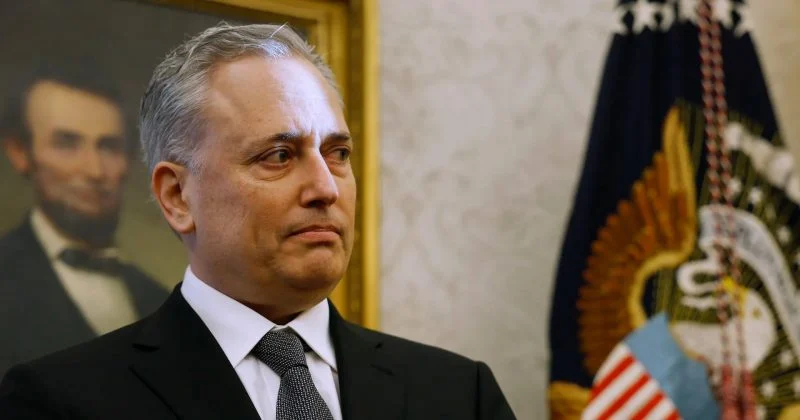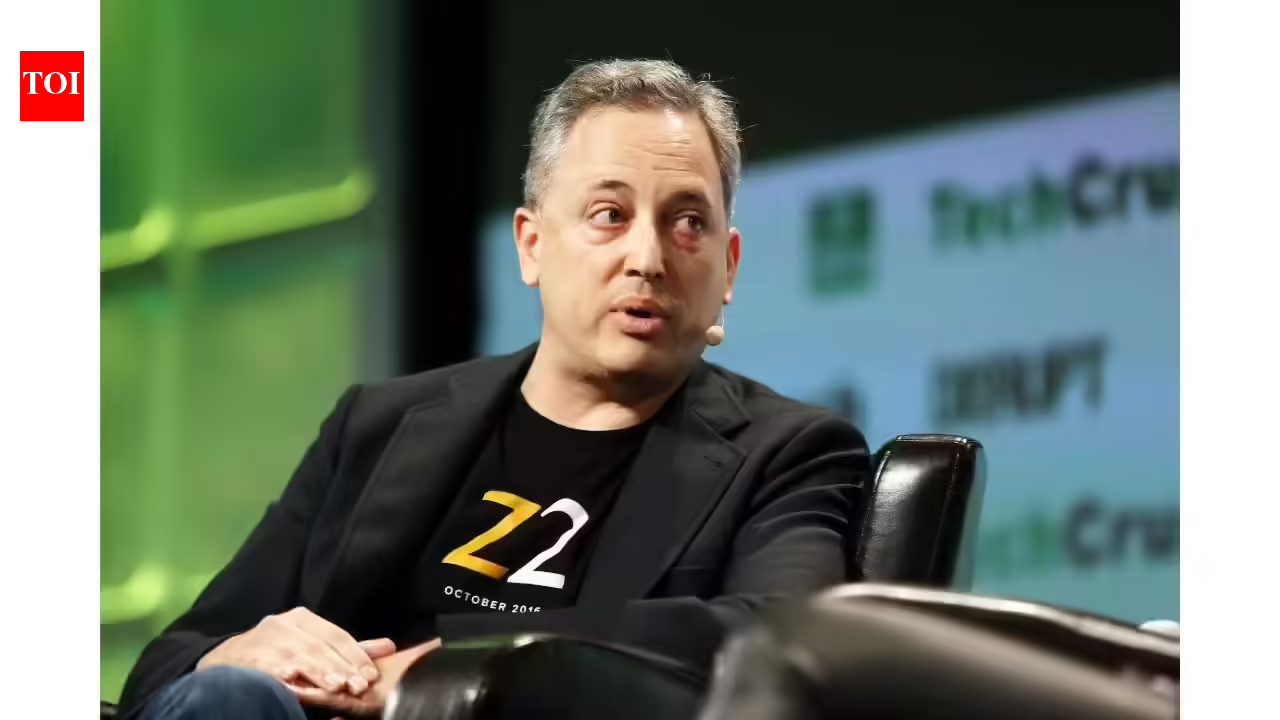
David Sacks, co-chair of the President’s Council of Advisors on Science and Technology, has accused AI giant Anthropic of attempting to stifle competition in the AI industry by seeking restrictions on open-source models. According to a report by Benzinga, speaking on the All-In Podcast, Sacks said that labelling Chinese-origin open-source AI models as tainted by intellectual property theft would discourage American developers from building on publicly available models. He also warned that such a move would “put a dagger through the heart of the entire American open source ecosystem,” adding that Anthropic “doesn’t want to have the competition.”Open source AI is global Sacks further argued that once model weights are released publicly, they are no longer tied to their country of origin. Developers across the world, including in the US can legally download, modify and also train them on their own infrastructure. He also cited examples such as Mira Murati’s startup Thinking Machines and AI coding startup Cursor, both of which leveraged the open-source Chinese model Kimi K2.5 before further training it with proprietary data.Drawing a distinction between AI modelDrawing a distinction between AI model weights and outputs, Sacks said that policymakers often conflate the two. He emphasised that stealing propriety weights would amount to theft, but using outputs to train another system known as distillation is a standard practice. He noted that ChatGPT-maker OpenAI and Claude creator Anthropic themselves have defended training on publicly available content, referencing OpenAI’s legal defense in the New York Times copyright lawsuit.Growing coalition for open-source AISacks’ comments come amid a broader push by industry leaders to protect open-weight AI. Nvidia CEO Jensen Huang recently endorsed a letter signed by more than 20 companies and organizations — including Meta, Microsoft, IBM, Palantir, Hugging Face, Mistral AI, and Perplexity — urging Washington to embrace open-source models. The letter argued that restricting them would slow innovation, weaken cybersecurity, and limit access for startups, researchers, and public institutions.The coalition defends distillation as a legitimate development method and calls for targeted legal frameworks to address intellectual property concerns rather than broad bans. Sacks echoed this view, urging companies to strengthen safeguards and enforce terms of service instead of pushing for sweeping restrictions that could undermine America’s AI leadership.
David Sacks not happy with ‘Chinese’ tag for Open source AI models that Anthropic wants banned
David Sacks, co-chair of the President’s Council of Advisors on Science and Technology, has accused AI giant Anthropic of attempting to stifle competition in the AI industry by seeking restrictions on open-source models. According to a report by Benzinga, speaking on the All-In Podcast, Sacks said that labelling Chinese-origin open-source AI models as tainted by intellectual property theft would discourage American developers from building on publicly available models.
TL;DRAI
Anthropic pushes restrictions on open-source AI via Chinese-IP labeling; 20+ firms defend distillation as standard development practice. Outcome determines open vs. proprietary AI consolidation—reshaping enterprise stack strategy and startup viability.
369 words~2 min read