Academia
Addressing environmental challenges like air pollution requires not only regulatory measures but also behavioral intervention if Jakarta is to achieve its ambition of becoming a global city.
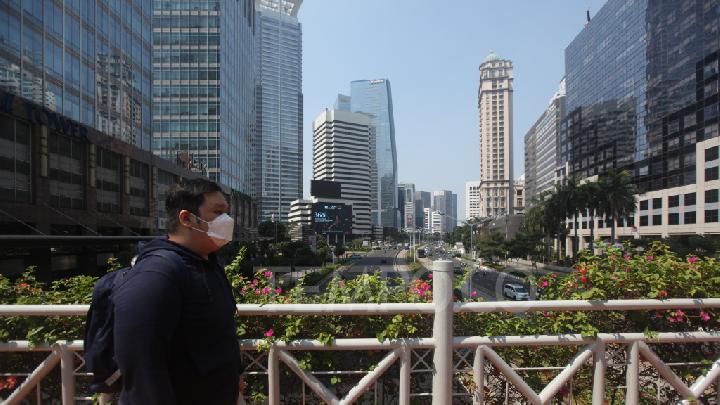
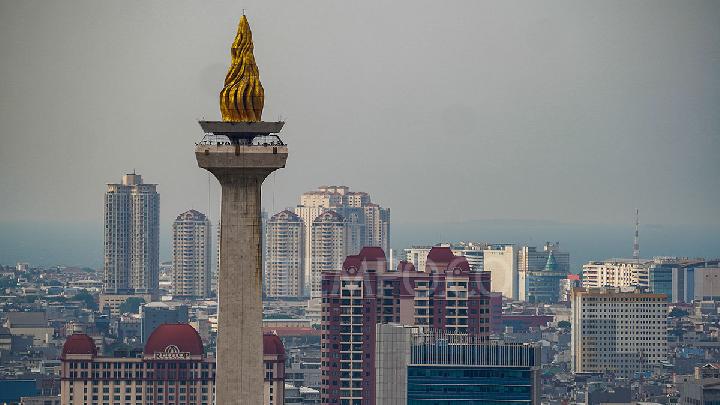
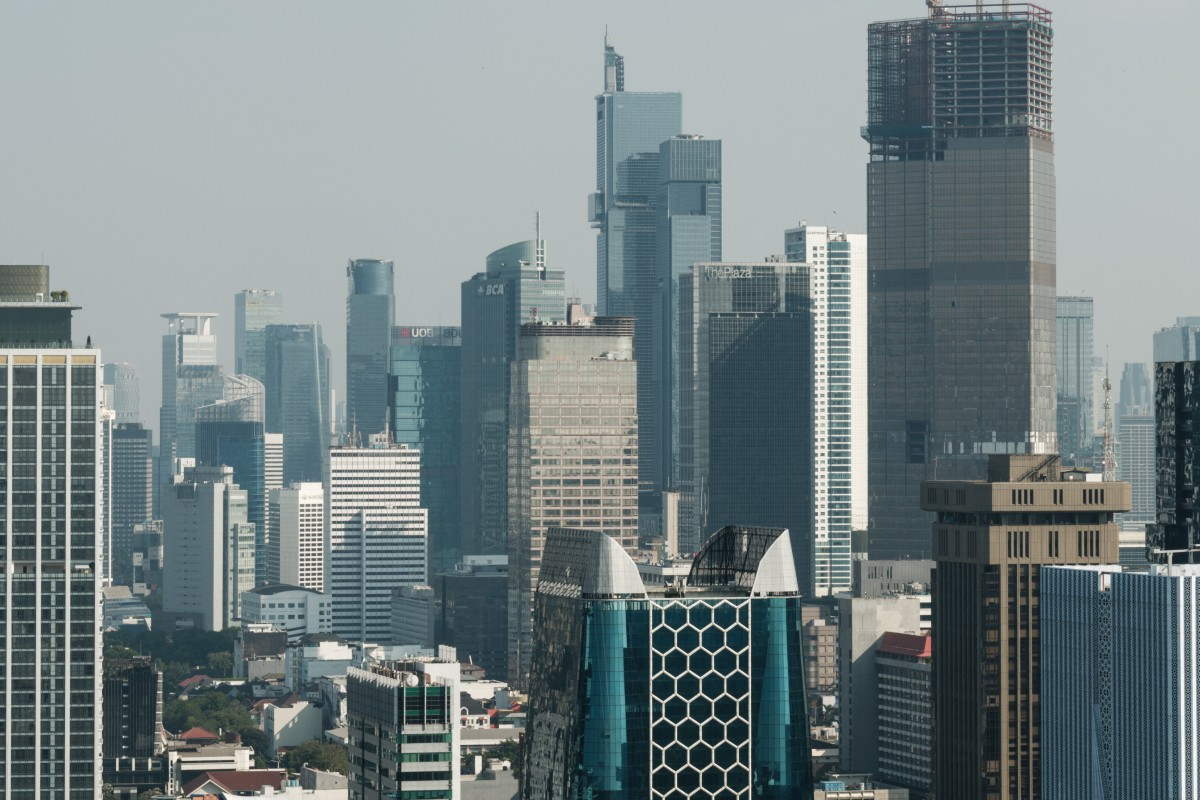
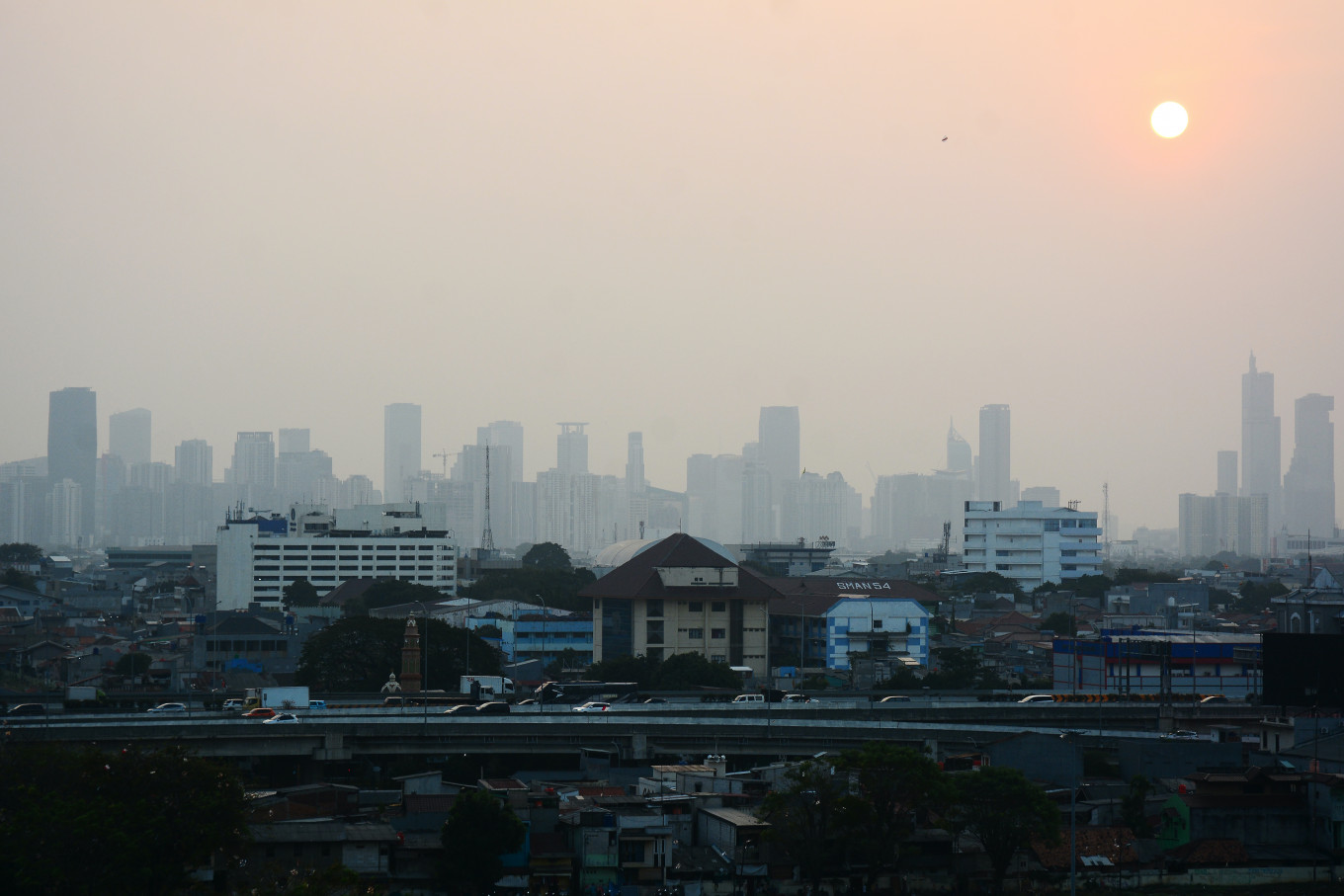
Skyscrapers in Jakarta are shrouded in haze on July 20 in East Jakarta. Jakarta's Air Quality Index (AQI) averaged between 120 and 168 in mid-July 2026, placing the city's air quality in the unhealthy category. Jakarta also hosts the headquarters of the ASEAN Coordinating Center for Transboundary Haze Pollution Control (ACC THPC) in Kebon Nanas, East Jakarta, which facilitates coordination among member states in addressing the impact of regional haze pollution. (JP/Iqro Rinaldi)
The Jakarta metropolitan area recently surpassed Tokyo as the world’s most populous megacity, with more than 42 million residents calling "The Big Durian" home. Yet this new milestone brings a critical question back into the public spotlight: How can Jakarta maintain its momentum as a global hub while ensuring a high quality of life for its people?Central to this challenge is Jakarta's air quality, which consistently ranks among the worst worldwide. Fine particulate matter PM2.5 concentrations frequently reach 67.5 µg/m³—more than 13 times the World Health Organization’s recommended annual limit of 5 µg/m³. Inhaling these fine particles causes severe health complications, with children and the elderly facing the highest risks of respiratory and cardiovascular disease.