Story audio is generated using AI
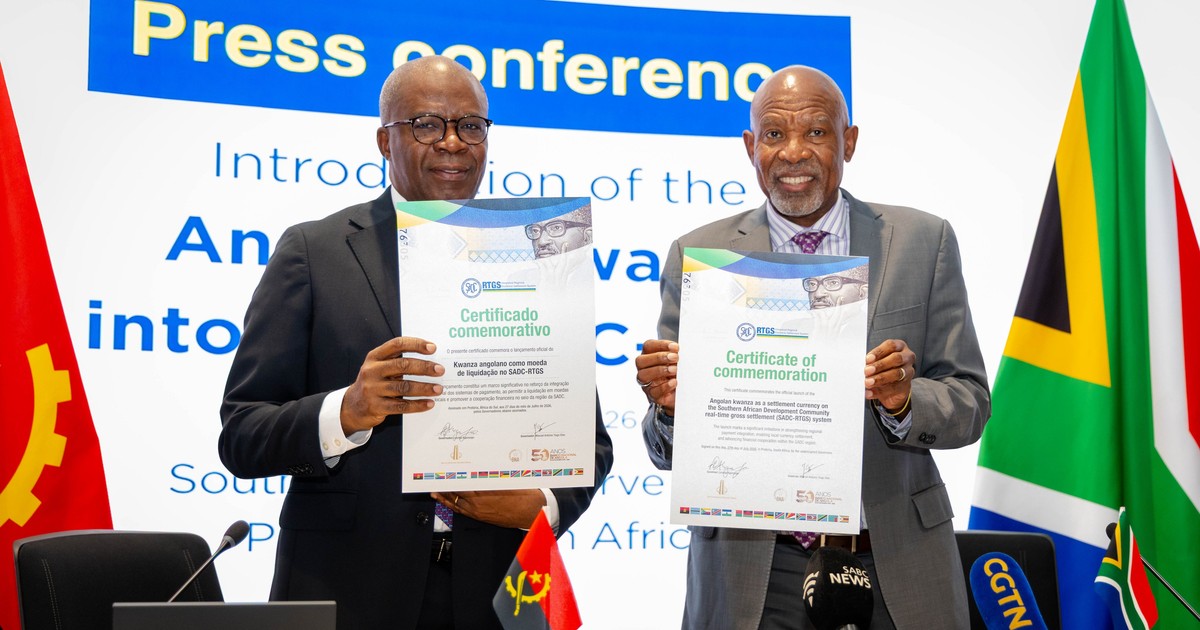
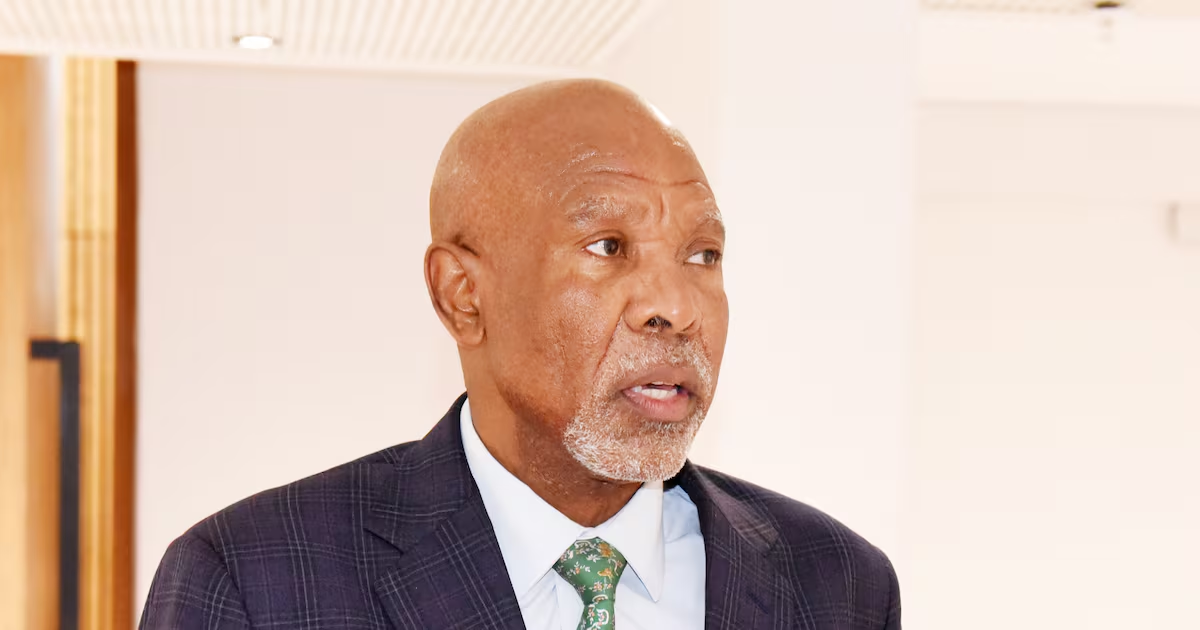
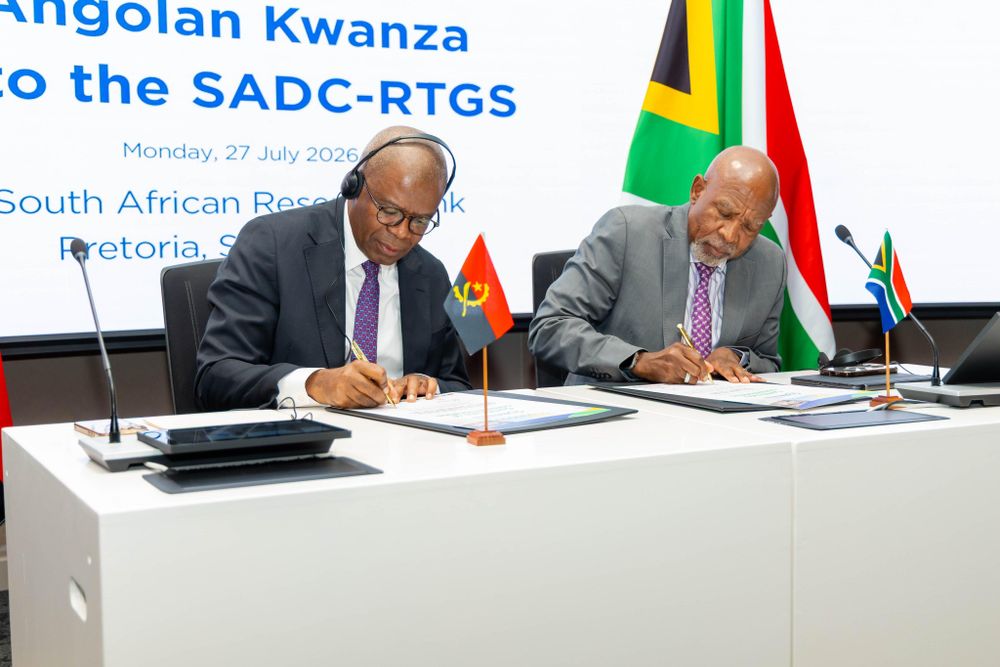
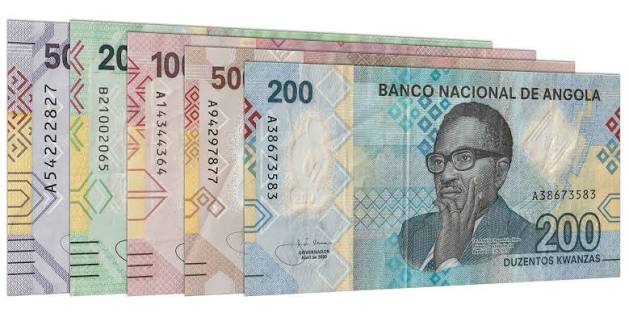
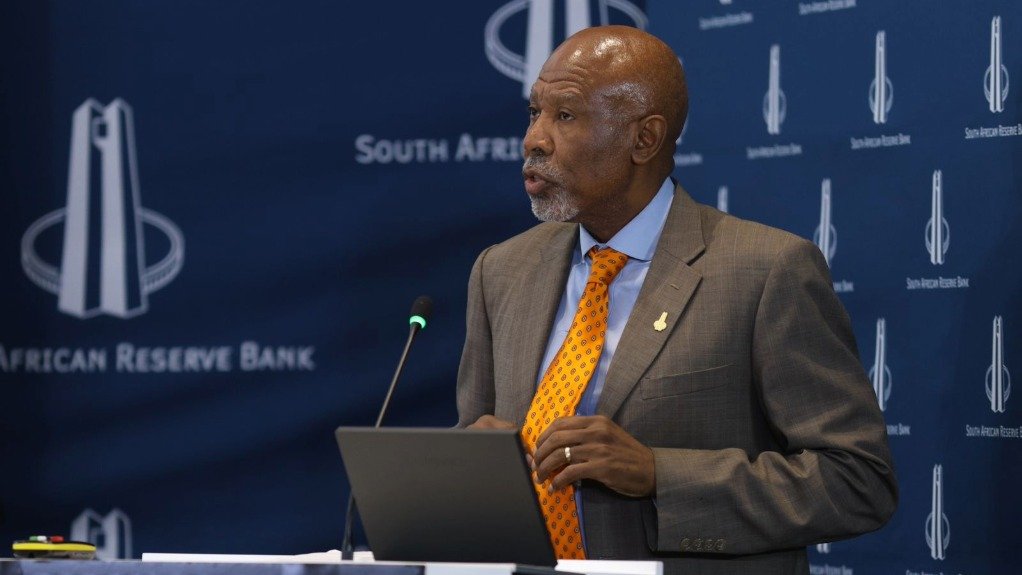
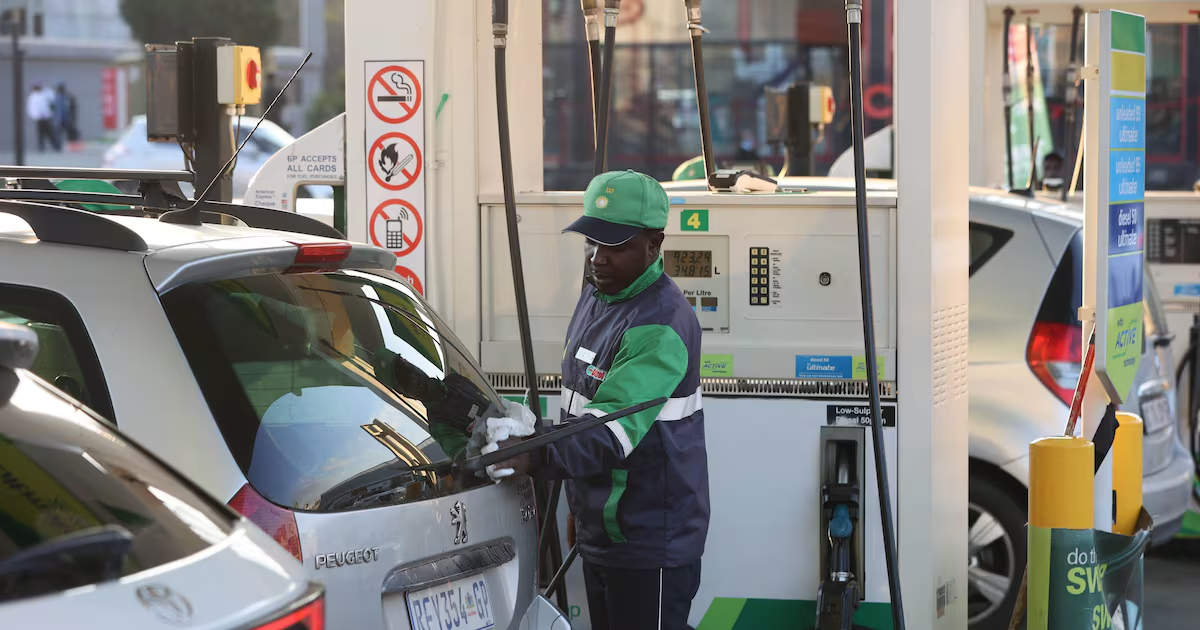
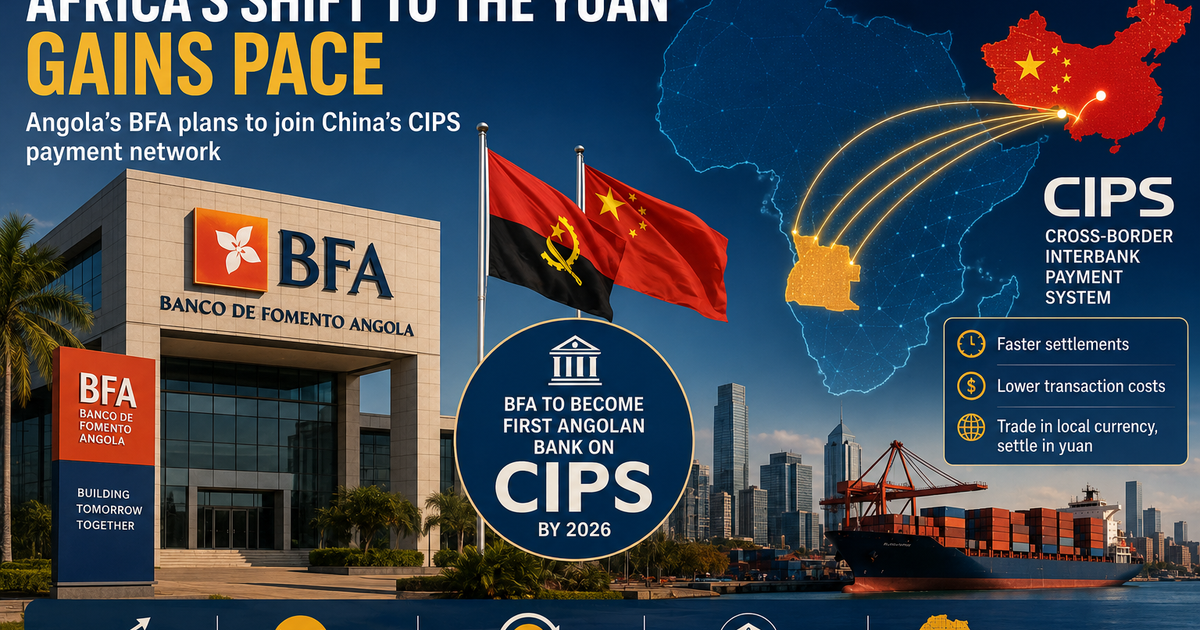
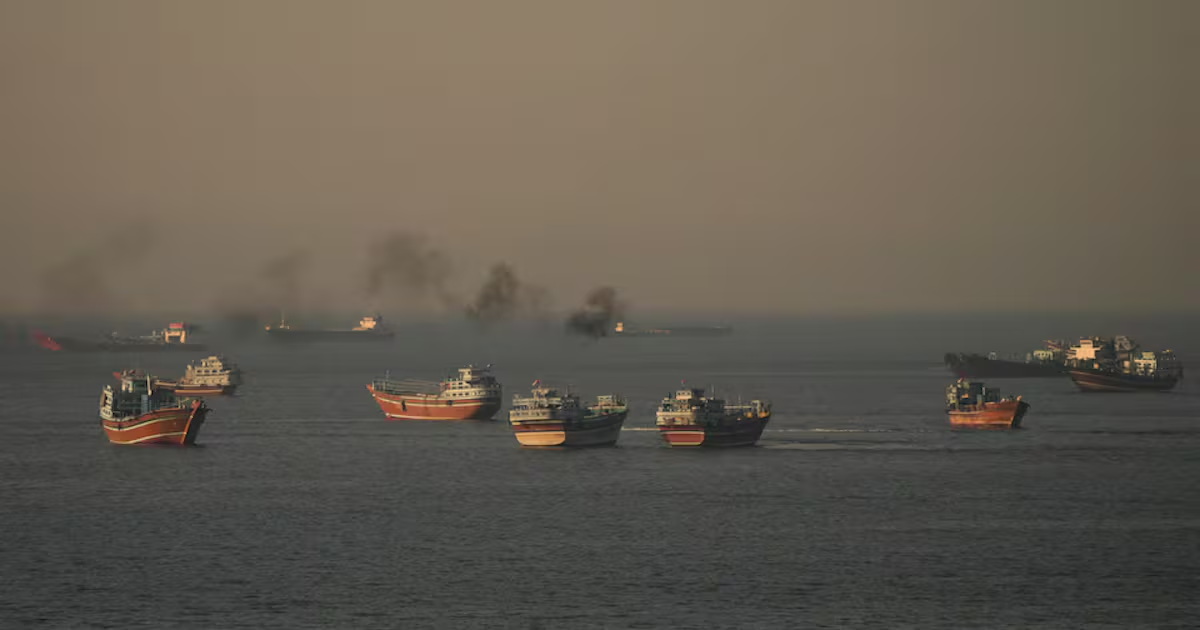
Fresh off its surprising decision last Thursday to keep interest rates unchanged, the South African Reserve Bank will kick off the economic week on Monday with the introduction of Angola’s kwanza as a settlement currency on the Southern African Development Community (Sadc) settlement system.Since its launch in 2013, the real-time gross settlement system (RTGS) has exclusively used the rand to settle transactions. The SARB says broadening settlement options will enhance payment speed, reduce transaction costs and promote regional integration — supporting trade among the 16 Sadc-RTGS member countries.On Tuesday, the Bank will publish its May composite leading business cycle indicator, which is drawn from money supply, building plans approved, business confidence, job advertisements and new vehicle sales to predict future economic peaks or troughs. The index rose 4.1% year on year in April but was down 1.8% month on month in April.Old Mutual will on Wednesday publish its annual savings & investment monitor results, tracking the savings, spending and money management behaviours of employed South Africans.A preview of the report earlier this month showed that while 91% of working young South Africans have savings goals and understand the importance of financial planning, rising living costs, debt pressures and family responsibilities are making it increasingly difficult for the majority to do so.On Thursday Stats SA will publish producer inflation for June, a key signal ahead for consumer inflation, since producers typically pass on input costs to households.Another increase after the 7.8% spike in May would mean an interest rate hike later this year is not off the table even after the Bank’s unexpected decision last Thursday to keep its benchmark rate at 7%. This was despite price pressures emanating from the US-Iran war, which has pushed oil prices up sharply this year.“PPI is projected to rise further from 7.8% to 8%, driven primarily by the coke and petroleum products category, particularly higher fuel costs. Brent crude oil prices rose sharply in May, reflecting the impact of the blockage of the Strait of Hormuz linked to the Iran-US conflict,” Nedbank said in its weekly economic monitor.On Friday, the Bank will hold its 106th annual general meeting of shareholders, where governor Lesetja Kganyago is likely to outline how the institution is navigating geopolitical turmoil.The department of mineral & petroleum resources is, on the same day, expected to announce the monthly fuel price adjustment for August, with the latest data from the Central Energy Fund suggesting 95-grade petrol will cost about 41c less a litre, while the wholesale price of diesel will climb by R1.10. This is as global oil prices have again spiked higher, breaching $100 a barrel as wars in Iran and the Ukraine disrupt supply, according to Reuters.In South Africa, a net importer of oil and petroleum products, the retail price of 95-grade petrol has jumped nearly 29% to R26.10/l in the economic hub of Gauteng province since March, while the wholesale price of diesel has leapt almost 34% to R24.79/l, though it has come off a peak of R31.18 reached in May.Also on Friday, the South African Revenue Service will publish trade data for June. The country recorded a trade deficit of R1.8bn in May, the first monthly shortfall since January 2025, largely due to a larger oil import bill due to the US war against Iran.