Story audio is generated using AI
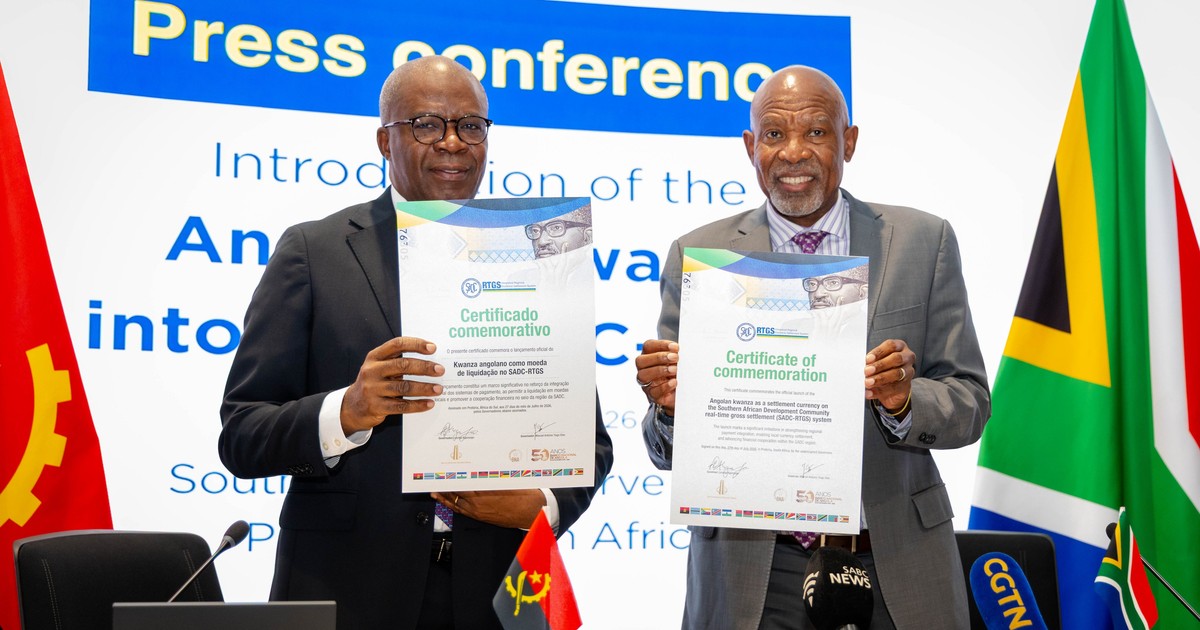
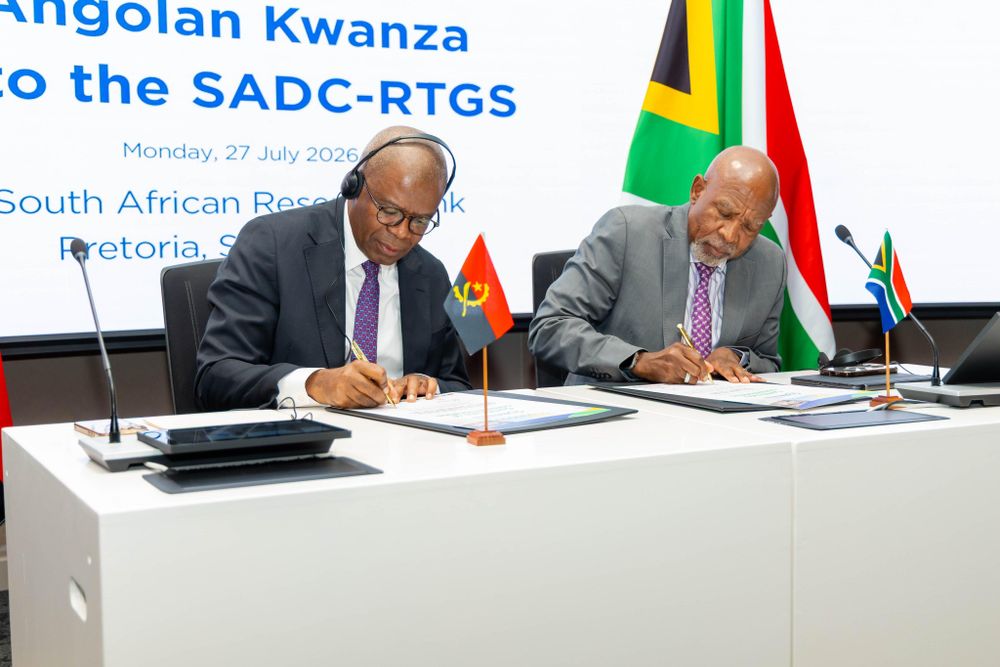
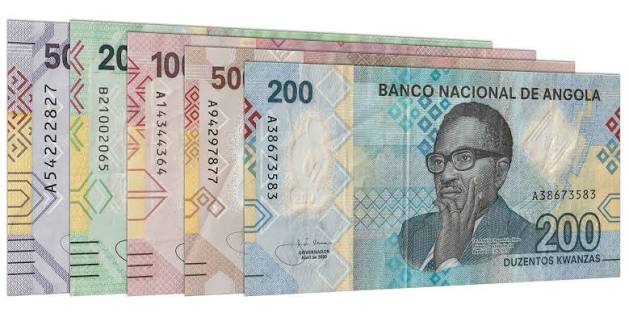
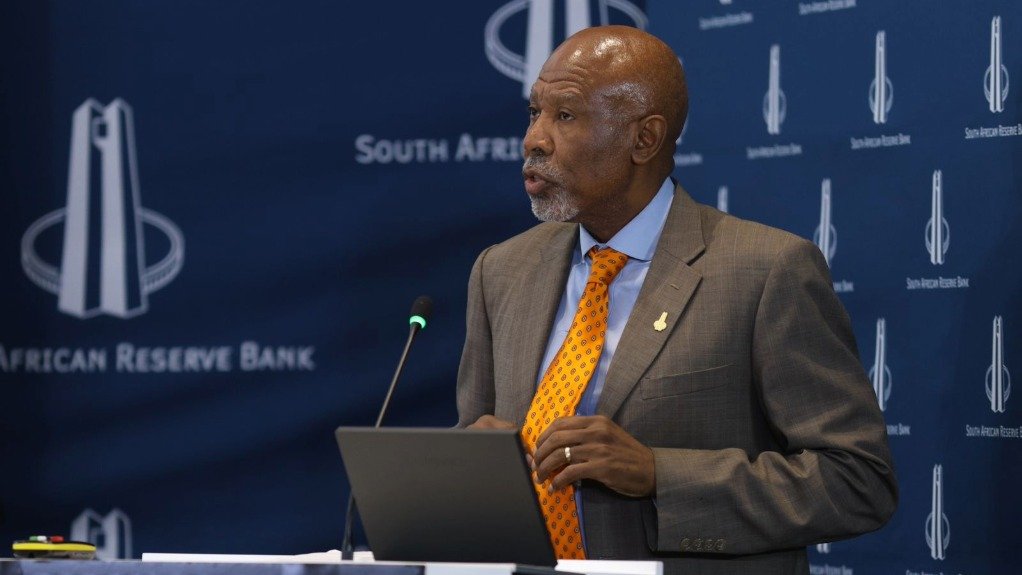
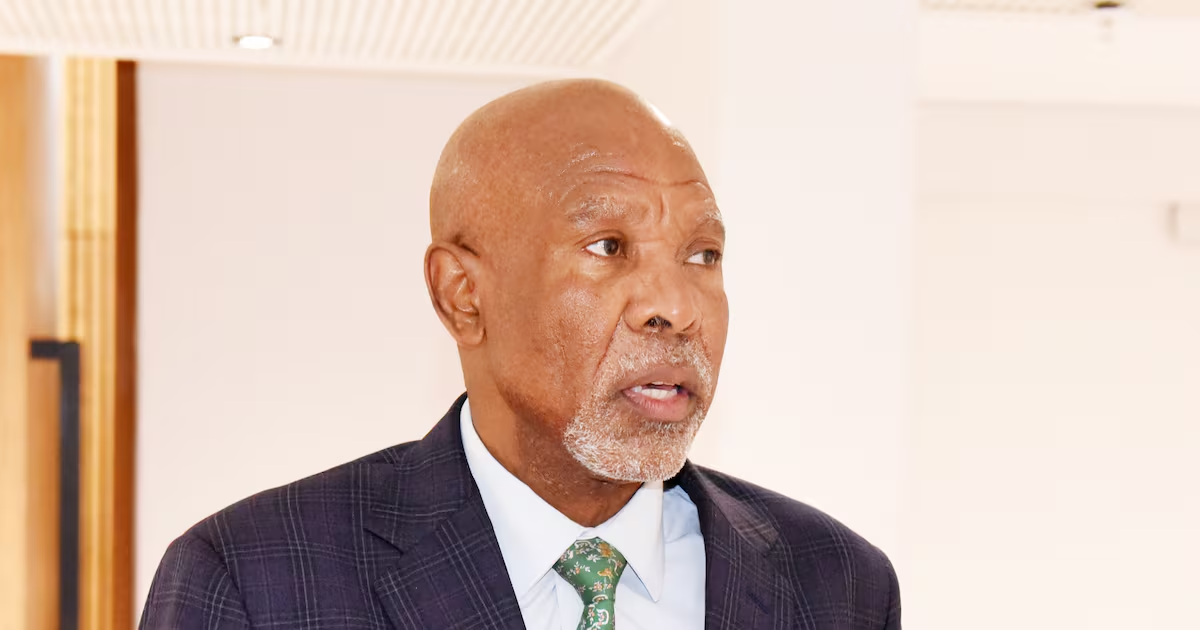
The central banks of South Africa and Angola on Monday announced that the kwanza would join the rand as a settlement currency in the Southern African Development Community (Sadc) real-time gross settlement (RTGS) system, in a move aimed at making cross-border transactions in the region cheaper and faster.Since its inception in 2013, the Sadc-RTGS has settled transactions exclusively in the rand — mainly to leverage South Africa’s advanced financial infrastructure. All of Sadc’s 16 member states — with the exception of Comoros — participate in the system.“The kwanza’s inclusion supports regional payments modernisation efforts and aligns with the Group of 20 cross-border payment goals of reducing costs, increasing speed and improving efficiency in cross-border transactions,” the Reserve Bank said in a statement after governor Lesetja Kganyago and his Angolan counterpart Manuel Tiago Dias had signed the agreement.“By enabling direct settlement in kwanza, participants transacting in the currency can reduce foreign exchange conversion requirements, helping to lower transaction costs for participants and their customers. The intention is to onboard additional regional currencies, such as the Botswana pula, in due course.”Enabling a multicurrency capability in the system is one of the strategic initiatives to strengthen regional financial integration, promote greater use of local and regional currencies in cross-border trade and reduce reliance on non-Sadc currencies, the Bank said.A more diverse set of settlement currencies in the system makes it easier for businesses and customers to transact across Sadc countries in local currencies. Faster settlement can also help businesses manage cash flow more efficiently and access funds more quickly when trading across the region.Payments are safer and more secure because transactions are settled through central banks. There is also a reduction in the delays and risks associated with using multiple banks and foreign intermediaries to process payments.“The beauty of settling in your own currencies is that if there is a shortage of kwanza liquidity in the system, Banco Nacional de Angola will supply kwanza. If there is a shortage of rand liquidity, the Bank will supply rand liquidity. If it’s any other currency outside of here, where are we going to get the liquidity? That is where the problem would come from,” Kganyago told journalists.“The approach has not been to try and mandate participation in the Sadc-RTGS, but to actually position [it] as the most efficient and cost-effective system, such that settling outside of it will not be attractive. We have now onboarded over 80 banks onto the system. We didn’t ask them to come and join; they decided to come and join because they could see the value proposition.”The Sadc-RTGS system, which earlier in July marked 13 years of operation and is operated by the Bank as appointed by the Sadc committee of central bank governors, processes R250.7bn worth of transactions per month. In 2025, trade and interbank transactions between Angola and the other Sadc countries amounted to about $3.77bn in nine currencies, with South Africa accounting for nearly $2.99bn, representing about 60% of transaction volumes and 79% of total value.By joining the Sadc-RTGS system, a country can enable its currency to play a greater role in regional trade and finance, reduce reliance on foreign currencies and intermediaries, lower the cost of doing business across borders and strengthen its position within the evolving Southern African and African financial landscape, the Bank said.