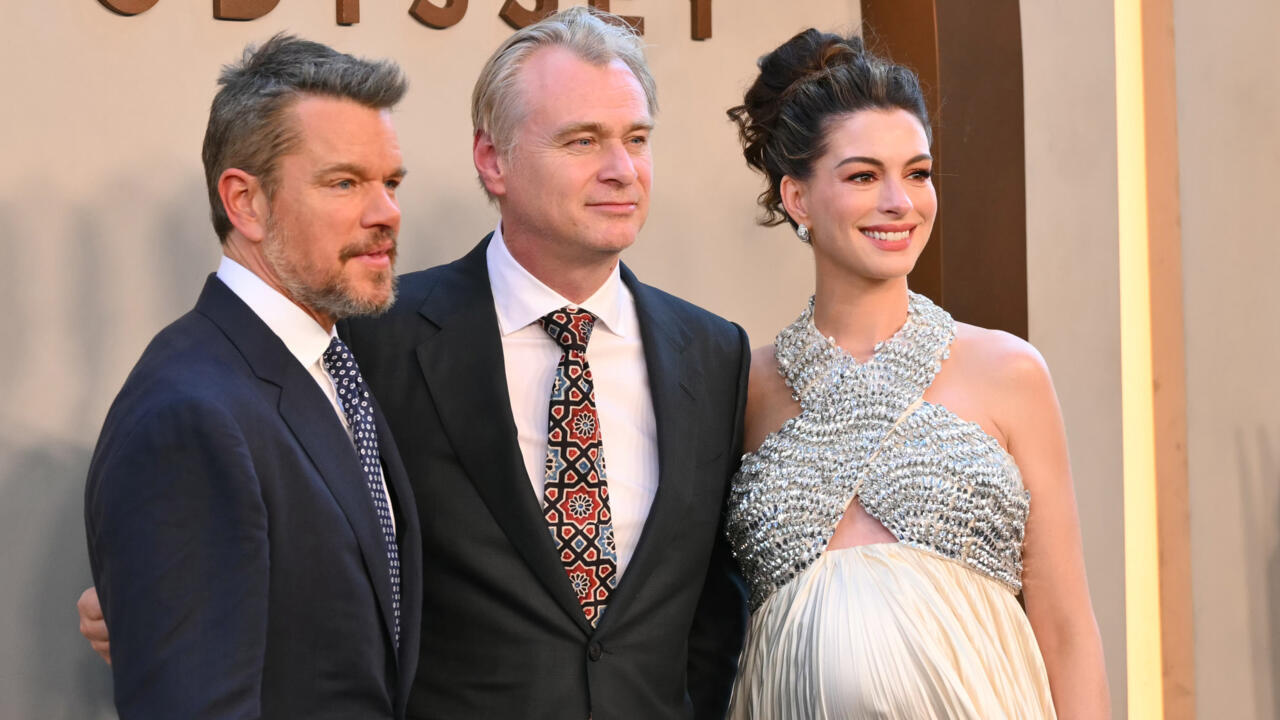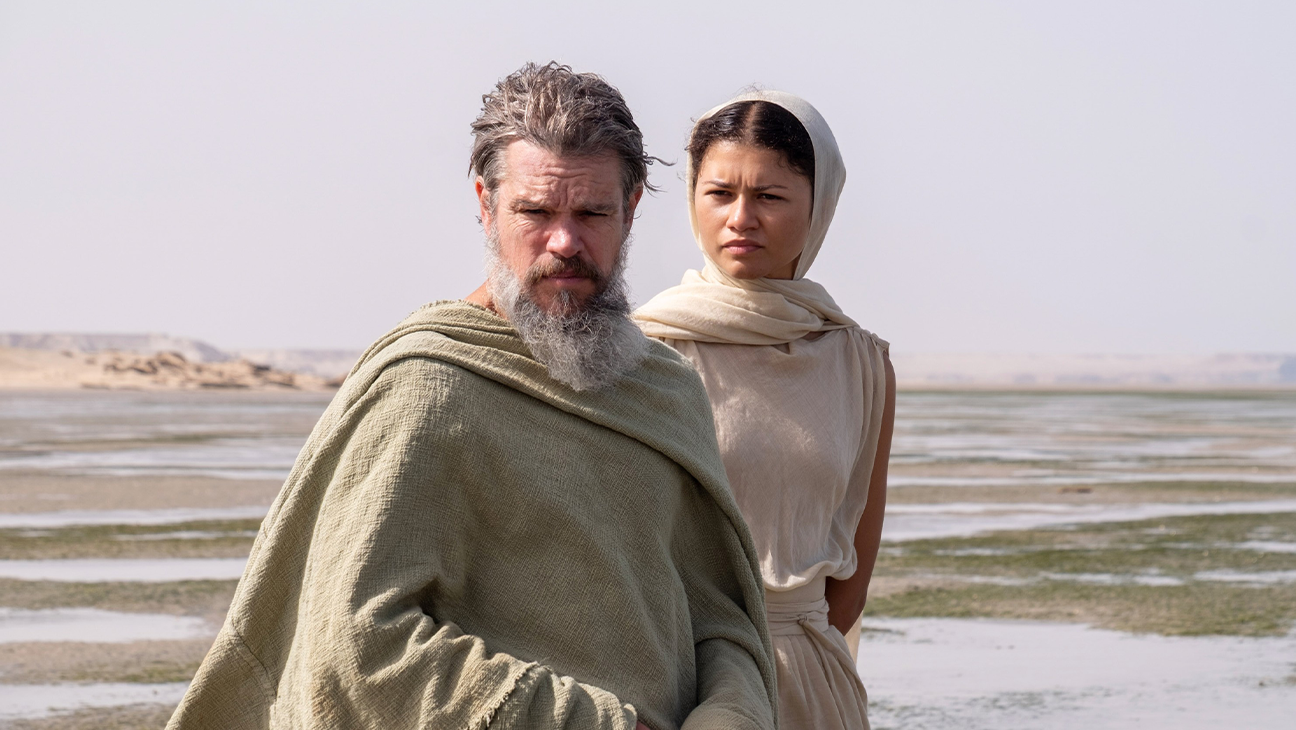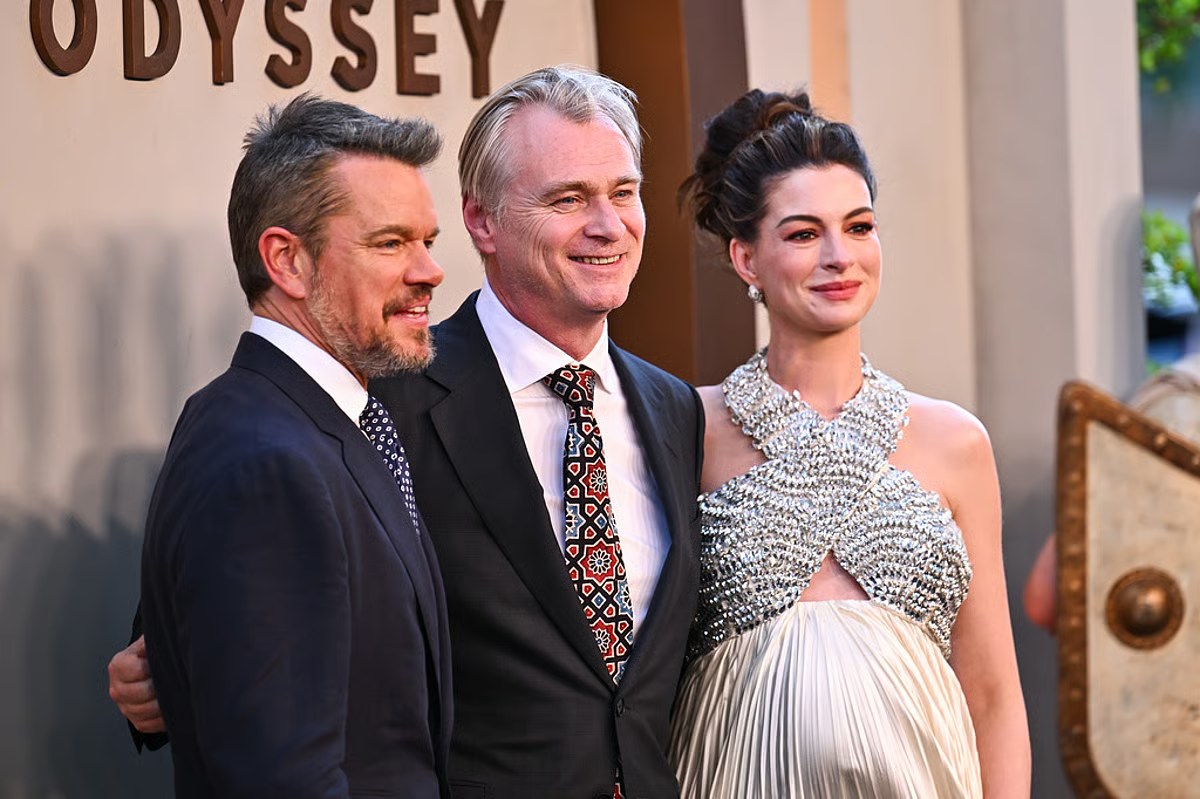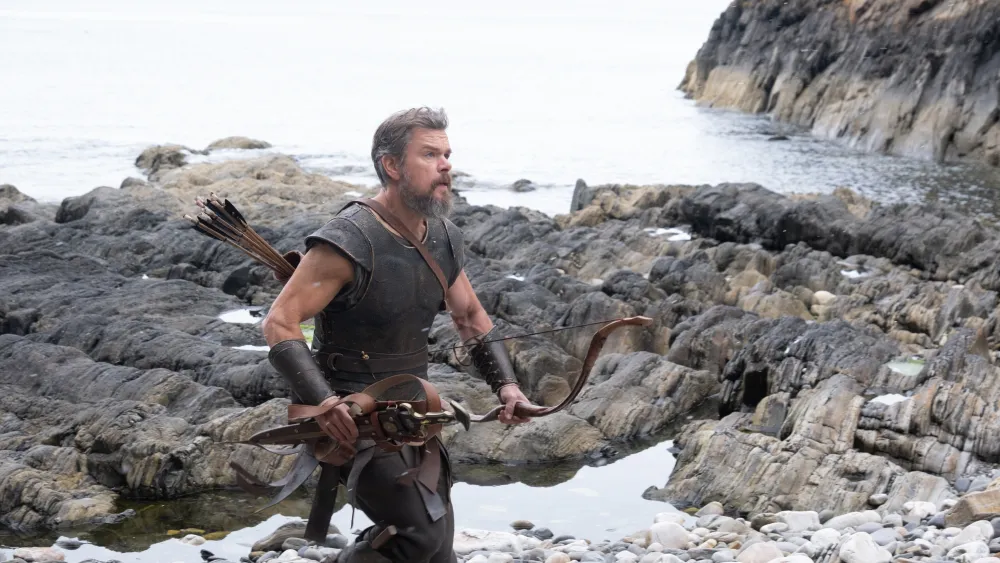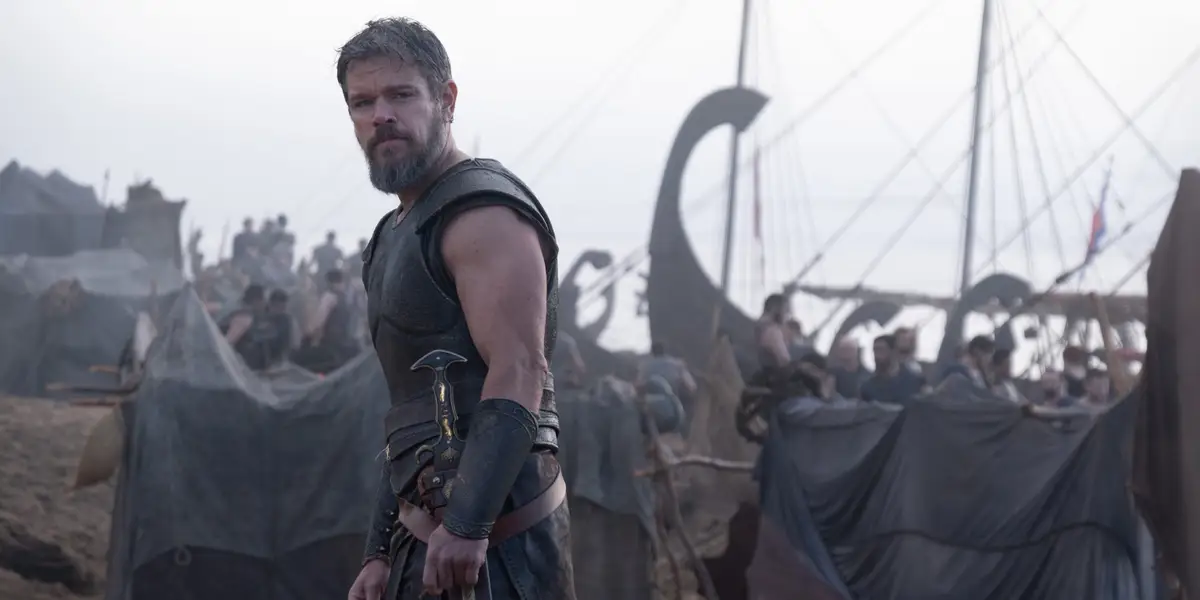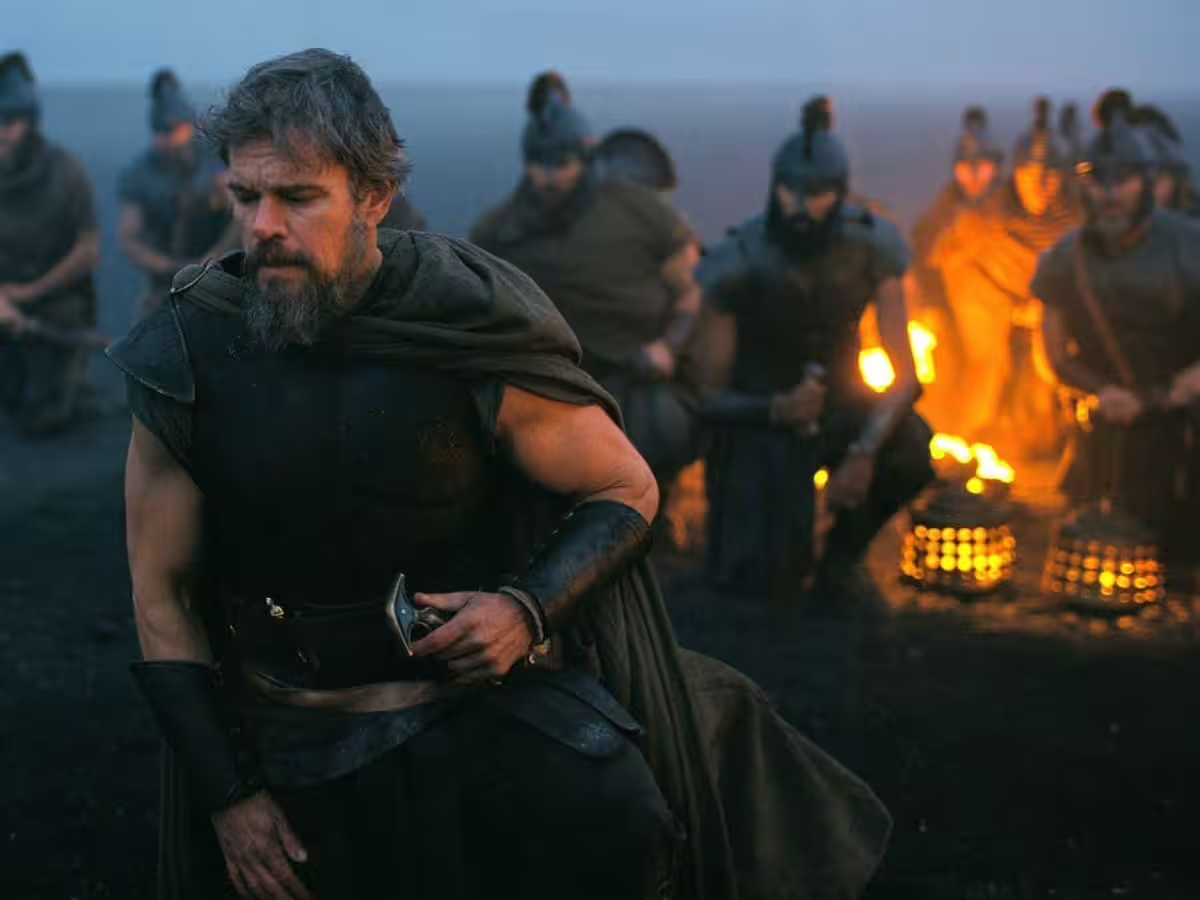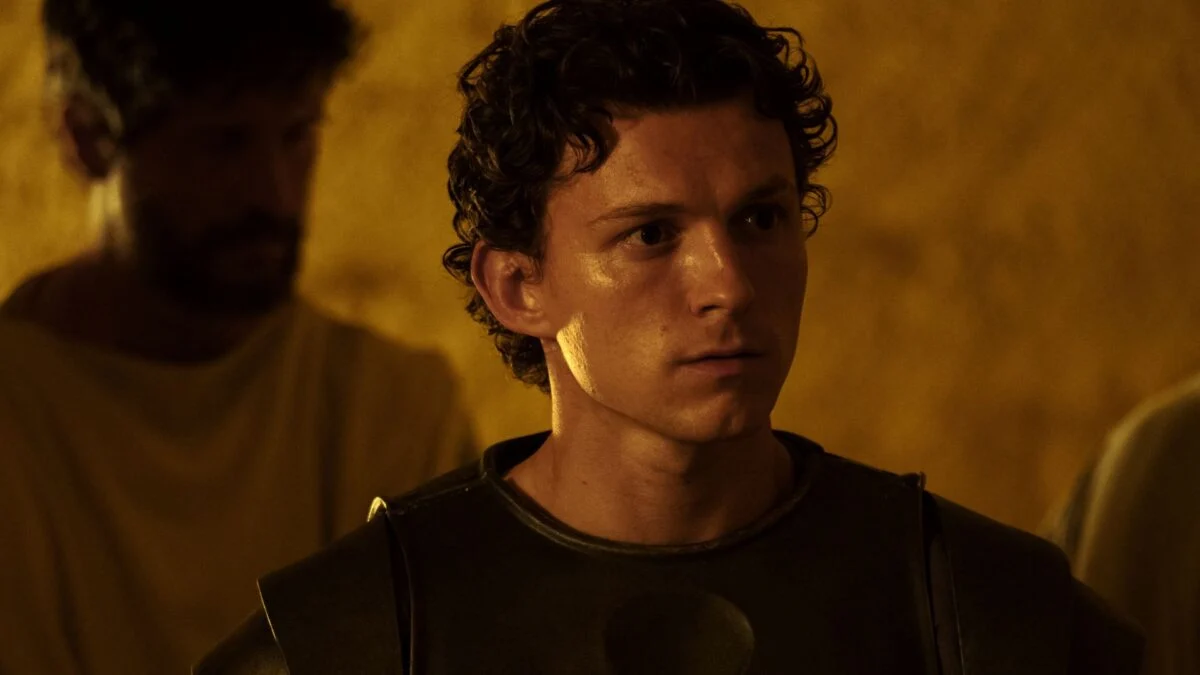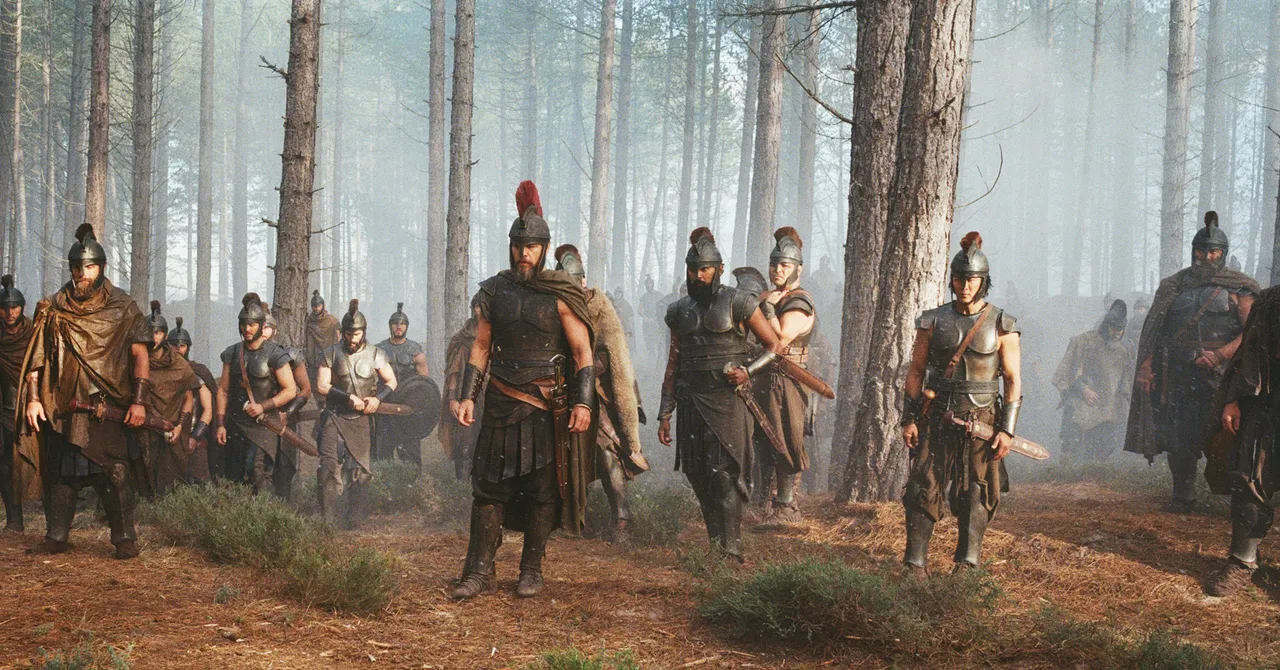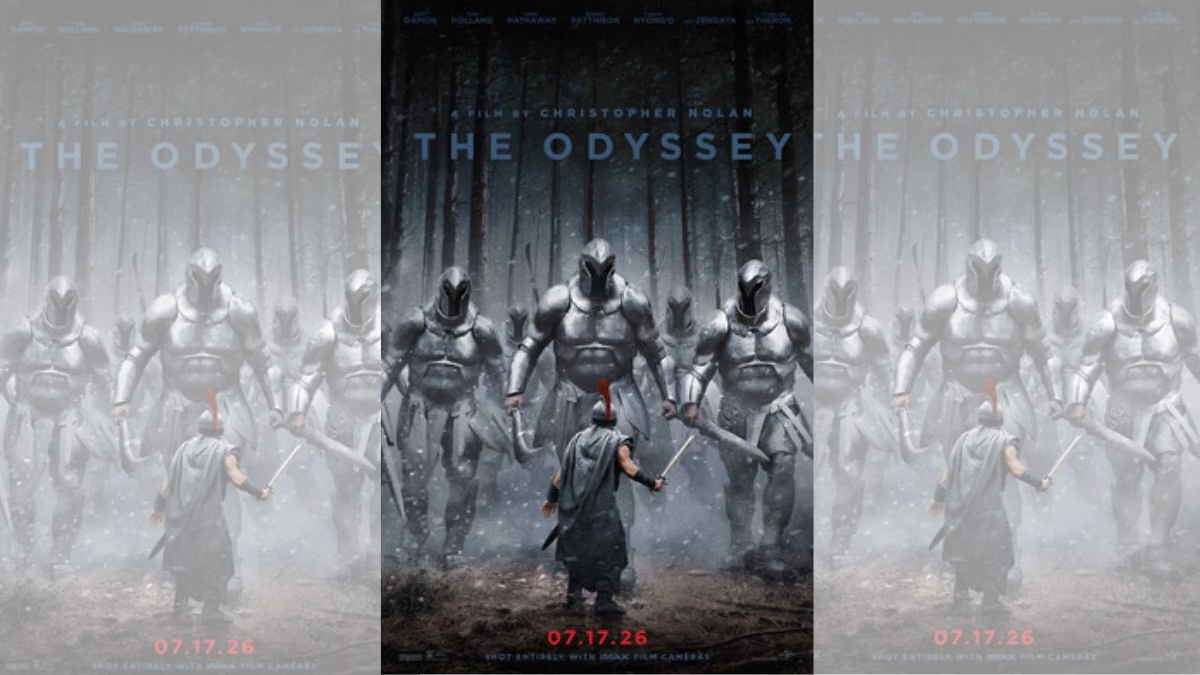
It is hard to think of a recent film that has excited as much interest. “The Odyssey” made $264.1 million in its opening weekend and an ancient Greek hero replaced Trump as the most talked-about person on social media. London’s Waterloo Imax, where I was lucky enough to see it, is booked until the middle of September. It is even harder to think of a film that has done as much to boost the cause of education. The British have bought more than 40,000 copies of Homer’s text since shortly before the opening. Homer, as they say, is hot.
Interest in classical civilization has been growing for some time. In Britain, the best universities have done an admirable job of keeping the Olympian flame burning: Some 600 people study “Greats” (Greek, Latin and Ancient History) at Oxford at any one time, an amazing achievement at a time when enrollment in modern languages is declining. The best classicists have done an equally admirable job in popularizing a demanding subject: Thanks to “classics for all,” an initiative by classics scholars, some 100,000 schoolchildren have studied classical language in British schools. Cambridge University’s Mary Beard is a Vesuvius of popular books and podcasts on classical subjects. It is perhaps an example of the power of the Ancient Gods that Bridget Phillipson, who terminated funding for the Latin Excellence Programme in state schools, lost her job as Secretary of State for Education this week.The revival is even more remarkable in the United States. In 2024, the US boasted more than 1,500 classical schools, which emphasize canonical texts, including ancient ones, in their curricula, teaching 680,000 students. Southern states are leading a movement to revive humanist education in universities, focusing on the great texts and civic education. Ralston, a new college in Savannah whose provost is David Butterfield, a British classicist, requires its students to start their education living in Greece and learning ancient and modern Greek.